Weather and tourism:
Senegal, located in West Africa, has a tropical climate with a dry season and a rainy season. However, the capital city of Dakar, situated on the Cape Verde Peninsula jutting into the Atlantic Ocean, enjoys a milder, more temperate microclimate due to the cooling sea breezes. The dry season, from November to May, is characterized by harmattan winds blowing from the Sahara Desert, leading to hot and dry conditions, particularly in the interior of the country. Temperatures can reach up to 90 degrees Fahrenheit but are generally more moderate along the coast, especially in Dakar, where they usually range from the mid-70s to the mid-80s depending on the month in the dry season. The rainy season, from June to October, sees higher humidity and temperatures. It's important to note that rainfall varies significantly throughout the country. The southern and eastern regions receive substantially more rainfall than the northern regions, while Dakar experiences relatively less precipitation compared to other parts of Senegal.
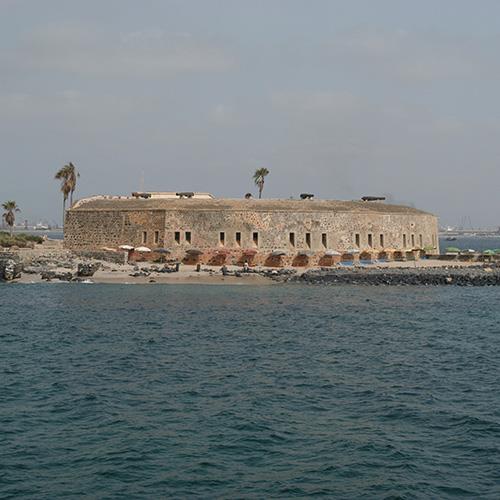
As for tourism, the best time to visit Senegal, and especially Dakar, is during the dry season, from November to May. These months provide the most pleasant conditions for exploring Dakar's vibrant markets, colonial architecture, and lively cultural scene, as well as Senegal's stunning national parks and wildlife reserves. The lower humidity and cooler temperatures are perfect for outdoor activities such as hiking, birdwatching, or visiting historical sites like the House of Slaves on Gorée Island.
List of public holidays in Senegal (expect widespread closures):
Universally observed secular holidays:
January 1 - New Year's Day (Jour de l'An): Celebrates the first day of the year in the Gregorian calendar.
April 4 - Independence Day (Fête de l'Indépendance): Celebrates Senegal's independence from France in 1960.
May 1 - Labour Day (Fête du Travail): An international holiday honoring workers and laborers.
Christian holidays widely observed:
March or April - Easter Monday (Lundi de Pâques): Christian holiday celebrating the resurrection of Jesus Christ from the dead.
April or May (40 days after Easter) - Ascension Day (Ascension): Christian feast celebrating the Ascension of Jesus into heaven.
Monday after Pentecost (May or June) - Whit Monday (Lundi de Pentecôte): Christian feast of the Holy Spirit, celebrated the day after Pentecost.
August 15 - Assumption Day (Assomption): A Christian feast commemorating the belief in the Assumption of Mary into heaven.
November 1 - All Saints' Day (Toussaint): A Christian celebration in honor of all the saints.
December 25 - Christmas Day (Noël): Celebrates the Christian belief in the birth of Jesus Christ.
Muslim holidays widely observed:
18 Safar - Grand Magal of Touba: The most important religious festival of the Mourides, a Senegalese Muslim brotherhood.
1 Shawwal - Korité: Celebrates the end of Ramadan, the Muslim month of fasting.
10 Dhu al-Hijjah - Tabaski: Commemorates the willingness of Ibrahim (Abraham) to sacrifice his son as an act of obedience to God in Islam.
12 Rabi' al-awwal - Mawlid (Mouloud): Celebrates the birth of the Islamic prophet Muhammad.
10 Muharram - Tamkharit: Commemorates the victory of Moses over the Pharaohs in Islamic tradition.
List of cultural events and festivals in Senegal:
January - Le Fanal (The Lantern) - A Carnaval-like celebration taking place in Saint Louis. This festival, reminiscent of the 18th-century ritual observed by rich families, involves participants adorning themselves in elaborate costumes and decorating gigantic lanterns that parade down the colonial streets of the city.
February - Festival of Foundiougne - This festival is celebrated in the town of Foundiougne, in the Fatick region of Senegal.
April to June - The Serrere’s tribal rites and initiations (Ndoutt) - These are held from April to June in the Serer areas of Senegal.
April to May - Rites and initiation ceremonies in the South East, in Bassarie and Bedik countries.
May or June - Saint Louis Jazz Festival (Festival Jazz de Saint Louis) - A well-known music festival, this event hosts music acts from around the world for a week full of concerts, talks, and workshops, usually in May or June. It has expanded from featuring jazz to include blues and soul.
September - The Kankourang exit festival in Mbour-Saly and Casamance - This festival takes place in September in the areas of Mbour-Saly and Casamance. It is the end of Mandinka traditional tribal rituals and comes with a large celebration.
October - The festival of the king in Oussouye (Humbel), in the Casamance region. The festival centers around the King of Oussouye, a traditional monarch who holds significant spiritual and cultural authority in the community. During the festival, the king performs several rituals and ceremonies, many of which are related to agricultural practices, blessings for the community, and initiations.
November - Dakar Big Carnaval (Grand Carnaval de Dakar) - A major carnival taking place in the capital city, Dakar, with parties in the streets.
November - Dakar Music Festival - A music festival also held in Dakar during November, the second most-popular musical event in the country after the Saint Louis Jazz Festival.
December - Dak’Art Biennale - A major contemporary art exhibition focusing on contemporary African art since 1996. It runs for an entire month and usually hosts around 200 exhibitions in a large industrial area of Dakar. It takes place every two years in even-numbered years.
November - Exhibition and Festival Gorée Island - Celebrating African art and culture, this festival aims to bring the African diaspora closer together. This event is held biannually in even-numbered years.
December - Abéné Festival (Festival d'Abéné) - One of the longest festivals in Senegal, it involves 10 days of drumming in the Casamance region. There are traditional wrestling matches every night. It starts at the end of December and runs all the way through the New Year.