Weather and tourism:
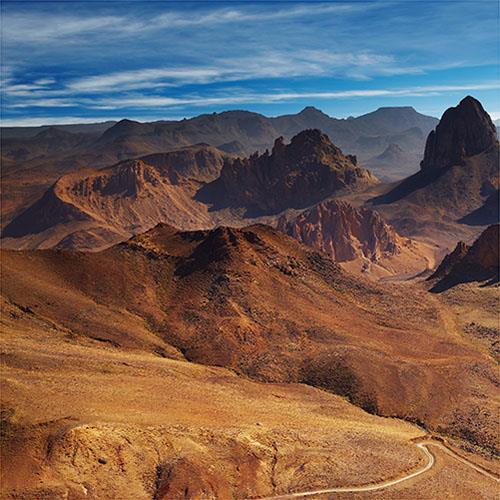
Algeria, the largest country in Africa, possesses a varied climate due to its extensive size and diverse geographical features. The coastal region, including the capital city Algiers, experiences a Mediterranean climate, while the interior and southern parts are characterized by more extreme, desert conditions.
In Algiers, the Mediterranean climate brings hot, dry summers and mild, wet winters. Summer temperatures from June to August often exceed 90 degrees Fahrenheit, while winter temperatures from December to February are usually in the range of 50 to 60 degrees Fahrenheit. Rainfall is frequent during the winter months but rare in the summer. The Sahara Desert, which makes up a significant portion of Algeria, experiences extreme temperature variations, with intense heat during the day and cold nights. This region receives very little rain, making it one of the driest places on Earth.
The best time to visit Algeria, particularly Algiers, is during the spring (April to June) and autumn (September to November). These periods offer mild, pleasant weather ideal for exploring Algiers' historic casbah, bustling markets, and beautiful Mediterranean coastline. Additionally, these periods are great for venturing beyond the city to visit Algeria's stunning Roman ruins, such as those at Timgad and Djemila. Visiting during the winter months can also be enjoyable, particularly for those who want to avoid the summer heat. However, keep in mind that this is the wettest period in Algiers and the coastal region. In contrast, the summer months are better for visiting the southern regions and the Sahara Desert, as this is when they are the coolest and most accessible.
List of public holidays in Algeria (expect widespread closures):
January 1 - New Year's Day (Jour de l'An) - Celebrated with social gatherings and fireworks, it marks the start of the year according to the Gregorian calendar.
January 12 - Amazigh New Year (Nouvel An Amazigh) - It is a cultural celebration among the Berber people with traditional meals, music, and dances. The 12th of January is the first day on the Berber calendar.
May 1 - Labour Day (Fête du Travail) - This day is usually marked by rallies and marches in support of workers' rights.
July 5 - Independence Day (Fête de l'Indépendance) - Algeria celebrates its liberation from French colonial rule with military parades, fireworks, and other festive events.
November 1 - Revolution Day (Fête de la Révolution) - It commemorates the start of the Algerian War of Independence with remembrance ceremonies and other official events.
Movable holidays:
1 Muharram - Islamic New Year (Ras as-Sanah al-Hijriyah in Arabic) - It is a time for Muslims to reflect on the passage of time and their own mortality, often marked by prayers and quiet contemplation.
10 Muharram - Ashura (Achoura) - Some Muslims fast on this day as it's believed to atone for sins, while others commemorate it with reenactments of the martyrdom of Hussein, the grandson of Prophet Muhammad.
Rabi' al-awwal - Mawlid (Mouloud) - Celebrations often include street processions, home decoration, charity events and the recitation of poetry or stories about the life of Prophet Muhammad.
1 Shawwal - Eid al-Fitr (Aïd el-Fitr) - This festive day marks the end of Ramadan with communal prayers, feasting, and gift-giving among family and friends.
10 Dhu al-Hijjah - Eid al-Adha (Aïd el-Adha) - Families commemorate this day by sacrificing an animal (such as a sheep), and sharing the meat with family, friends, and those in need.
List of cultural events and festivals in Algeria:
January - National Amazigh Film Festival: This film event highlights Amazigh culture in Algeria through a range of cinematic forms, from full-length features to animations.
Late February - Western Sahara Marathon: An international marathon taking place from the Sahrawi Refugee Camp in Tindouf, it attracts numerous runners from around the globe.
Mid-March - Ghardaia Carpet Festival: A festival centered around Algeria's carpet-weaving tradition, featuring artisans displaying and selling their work alongside traditional music.
March (Biennial) - Strawberry Festival: A festival held every two years in Jijel, drawing together companies and individuals engaged in strawberry cultivation.
Mid-April - Marathon des Dunes: An annual three-stage desert marathon taking place in the scenic oasis town of Béchar.
Early May - European Cultural Festival: An eclectic cultural gathering of artists from 16 countries, showcasing performances in Algiers, Tlemcen, and Constantine.
May - Dimajazz Festival: An international music festival paralleling the European Cultural Festival in its global scope and diversity.
May - Festival Internacional de Cine del Sahara: A unique film festival bringing cinema to remote communities and refugee camps in southwest Algeria, with the winner receiving a white camel.
June 19 - National Day: Commemorating the fall of Mohammed Ben Bella in 1965, a significant event in Algeria's history.
August - Festival du Rai d’Oran: A national music festival, celebrating the importance of Rai, a traditional Algerian music genre, and highlighting the contributions of local artists.
October - Festival International Bande Dessinnee d'Alger: A comic festival featuring works from Algerian and international cartoonists, with various activities including exhibitions, workshops, competitions, and concerts.
Movable - Eid al-Adha: Also known as the Feast of the Sacrifice, it commemorates Abraham’s act of faith, featuring communal meals with traditional Algerian dishes.
After Eid al-Adha - S’Biba of Djanet: Celebrated after Aid feast, this festival marks a peace pact in the town of Djanet, located in the Tassili N’Ajjer region.