


Popular Wine Regions of Germany
Trier
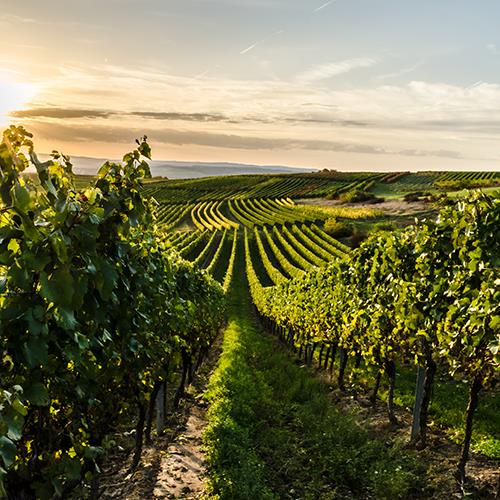
The region around Trier (Rhineland-Palatinate) boasts 9,000 hectares of vineyards. Founded in 16 BC, Trier is the oldest area for wine growing in Germany with a lengthy history of grape cultivation and winemaking. “Wine villages” popped up in the Middle Ages, which included paths linking local vineyards to the city center.
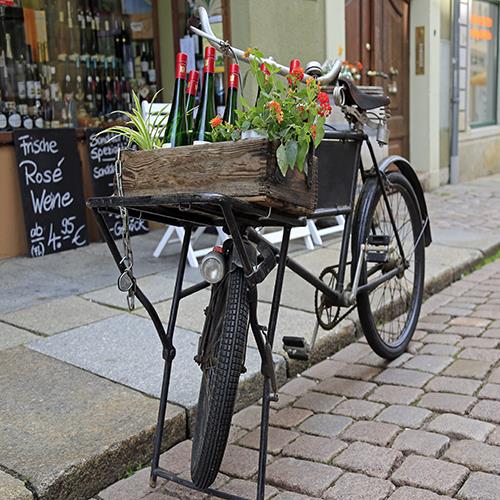
Riesling is the dominate choice of wines in Trier. This fruity variety can often be enjoyed directly with the winegrower. In many of the numerous wineries along the Mosel or in the Trier suburb Olewig, you will be welcomed and you can visit the estate's cellars. Or you can indulge in a rustic wine bar in the city center, where you can dive into the diverse world of Moselle wines during a wine tasting.
Of course, such offers can be combined very well with exciting wine tours to the Piesporter wine press or the Rheinische Landesmuseum. But even outside the museum, you'll find a connection with Roman ancestors with the Elbling varietal often served in the taverns along the Moselle, Saar and Ruwer.
Cochem
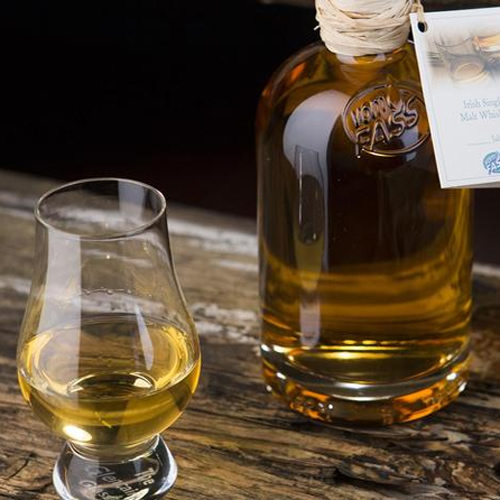
Cochem is the center of the Mosel wine trade, fondly known for its regional wines because of the presence of the many vineyards and small family-run wineries in the nearby towns along the river. It is the most popular town in the Mosel valley, and for good reason. It is home to stunning views of the Mosel River, is littered in hundreds-year-old half-timbered houses, and has a castle sitting atop of the town.
Cochem is surrounded by high elevations, steep vineyards and typical wine villages, offering tastings, festivals and genuine hospitality. The Mosel Valley is home to German Mosel Valley Riesling wine as its specialty, with 5,446 hectares planted. The late-maturing, noble white variety thrives in the conditions here. The protected valley location makes the region one of the warmest climates in Germany. The steep slate slopes above the rivers absorb the sun’s heat during the day and release it again at night. Because of this, the winemakers can produce uniquely fine, fruity wines that have an enormous depth of flavor and relatively low alcohol content - ideal for easy enjoyment.
Freiburg
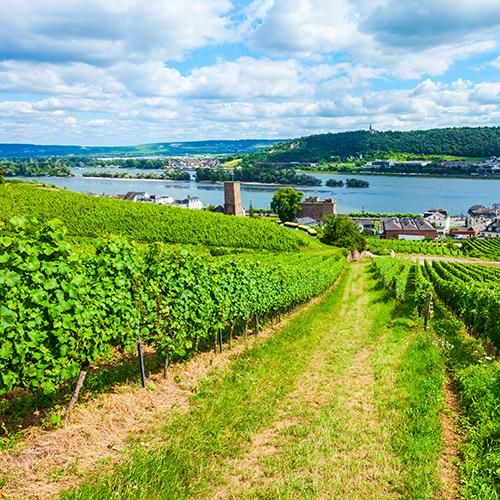
The town of Freiburg is a vibrant village in the Black Forest that is beloved for its delicious wine, best savored in the many wine bars and restaurants around town. It is located in the Baden wine region that covers almost the entire southwest region of Germany, stretching some 240 miles along the Rhine from the Bodensee (Lake Constance) to Heidelbert, taking in the Black Forest, as well as the vine-clad terraces of the Kaiserstuhl, a volcanic massif. As in neighboring Alsace and Switzerland, Baden has a great tradition of wine and food. Dry, food-compatible ‘Burgunders’ (Pintos), red and white, have long been popular throughout the region. Rivaner vineyards (the second most widely planted grape in Germany) are also widespread, while other classic whites, Riesling, Silvaner and Gutedel, are more localized.
The most important wine-related event in this region is the annual Stuttgarter Weindorf (held in the summer months), where 100 wine merchants from all over bring their best wines for wine connoisseurs to sample.


Rudesheim
The Rudesheim am Rhein village, the principal town of the Rheingau, is surrounded by beautiful green vineyards, which blend beautifully with the historical buildings, restaurants and shopping in town, all situated beside the lovely Rhine River. Enjoy walking wine-tastings as you learn about some of the top wine estates while hiking from vineyard to vineyard.
Among the dominant growths in Rüdesheim is the stellar Schloss Johannisberg estate that belongs to the House of Metternich, the Austrian family that dominated post-Napoleonic Europe. You can enjoy Schloss Johannisberg's famed growths from its terrace restaurant with a spectacular view of the river and the valley. Its winery tour and spacious shop are well worth the time, excellent wines both sparkling and still the first ever color-coded wine style designations.
Downstream just a few miles in Assmannshausen, Spätburgunder or Pinot Noir shares the acreage with Riesling as one heads north to the legendary Lorelei Cliff and its 600-ft. plunge to the Rhine. Rüdesheim celebrates its wine festival in August.

Baden Baden
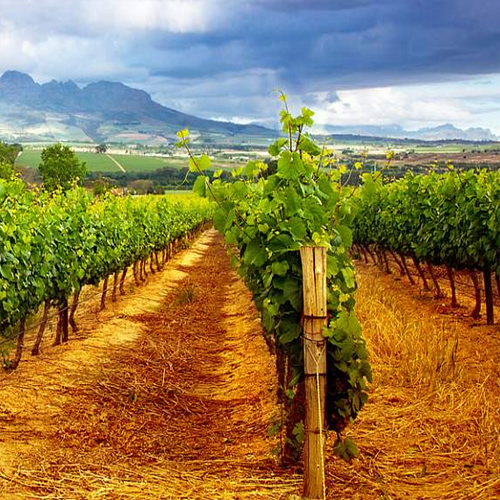
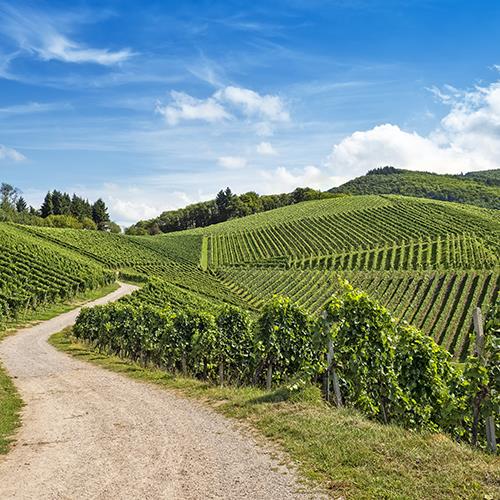
Located at the foot of the Black Forest, Baden-Baden has been renowned since Roman Times for its curative baths and hot springs. The surrounding countryside is perfect for hiking and mountain climbing and in wintertime is a center for skiing. It is also the third largest region in Germany for wine, where the vineyards lie between the hills of the Black forest and the Rhine River, extending 250 miles from north to south.
Baden is the most important German region for Pinot Noir. It is very popular in all its diversity of styles and flavors - also as rosé or Weißherbst. Velvety, powerful wines are increasingly matured in barriques. This isn’t the only Pinot here. More than half of the vineyards are planted with Burgunder varieties: Spätburgunder, the previous mentioned Pinot Noir; Grauburgunder, a dry, food-compatible wine, here often marketed under the synonym Ruländer to denote a richer, fuller-bodied (and sweeter) style; and Weißburgunder, neutral enough to accompany many foods. The local ‘Badisch Rotgold’ is the name of the rosé-colored specialty made from Pinot Noir and Pinot Gris.
Stuttgart
Stuttgart, capital of Baden-Württemberg, is a lively and modern city where past and present coexist harmoniously. It is the ideal destination for those who want to spend a few days only thinking about good food and fine wines. Grapes have been planted on the hills surrounding Stuttgart since Roman times and local vintners are frequently honored with awards. Stuttgart has more than 17.5 hectares of vineyards, most of which are within easy reach of the city center.
This region has a long tradition of growing the Trollinger grape variety. They make a light, fruity red wine. Württemberg also produces the classic, higher-quality Lemberger, a strong, dark red wine that ages well. Additional red grape varieties include Spatburgunder (Pinot Noir), Cabernet, Syrah and Merlot. Württemberg’s main white varieties are Riesling, Pinot Blanc, Pinot Gris and Sauvingnon Blanc, but Kerner and Müller-Thurgau are also planted here.
The city of Stuttgart has several market trails to guide you in your exploration of the many grape-growing areas around the city. A popular path is the one from Oberturkheim to Uhlbach, Rotenber and Unterturkheim. It takes you up steep-sided vineyard slopes with stunning views. Along the way you can visit the Museum of Viniculture in Uhlbach, the Sepulchral Chapel in Rotenberg, and several restaurants serving swabian specialties. The best time of year to explore the vineyards is either spring or autumn. In spring the hills are covered in green, and new vine tendrils reach to curl around the wires strung up and down the hills. In autumn, the leaves turn to red and gold and the vines are heavy with grapes. Autumn is also the harvesting season.

Wurzburg
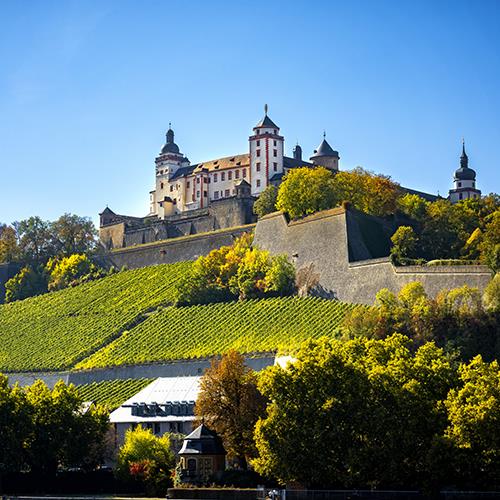
Würzburg, the capital of Lower Franconia, is one of the loveliest baroque cities in the country and became famous as the center of Franconian wine production. Even though Würzburg is technically in Bavaria, beer country as we would say, it’s actually not really a beer town. However, it is a perfect place to enjoy great wine, with some 7,000 winemaking families farm vineyards in Franconia today. Most have small plots of land, some on steep gradients. Though labor intensive, this steep land produces high quality wine. Besides being famous for its prestigious wine and vineyards, Wurzburg is also considered the gateway to Germany’s Romantic Road.
Wine has been cultivated in Franconia for more than a thousand years, and vineyards cover the hills and countryside. Here you’ll find winemaking families that have honed their craft for centuries and can still be found in the region’s medieval villages and towns. The dominant wine of Franconia is its whites, with the most popular local favorite being Silvaner, a fruity wine that is perfect on a warm, summer day.
A notable trait about the wines from Franconia is that unlike the popular phrase, aging like a fine wine, the wine in this region is supposed to be drank within 1 to 3 years after its initial production for peak freshness and flavor. Also different about the wines from this region is the unique bottle you can find them in. The bottle, known as a Bocksbeutel, is used for the best Franconian wines and is even protected by EU regulations. The bottle is flat and very round at the base, some even have a special raised seal on the side of the bottle to ensure the quality.
Dresden
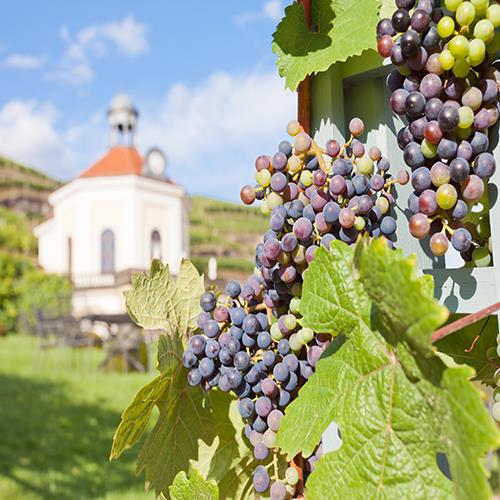
Dresden, founded in 1206, is one of Europe's greatest Baroque cities, a metropolis of unique art treasures and lively culture. It is located in the easternmost region of Germany where wine-growing has a recorded viticultural history dating from 1161. Most of the vineyards are between Dresden and Diesbar-Seusslitz, the northern end of the Saxon Wine Road. A few vineyards are being restored on the southern outskirts of Dresden and further south, in Pillnitz and Pirna. Many of the small vineyards are planted on steep, labour-intensive stone terraces. The proximity of the Elbe River helps temper the climate, but given this northerly location and growing conditions similar to those of Saale-Unstrut, it is not surprising that the early-ripening Müller-Thurgau predominates. The winegrowers in Sachsen are proud of their speciality Gewürztraminer, a white wine grape variety with pink skins.
Mainz
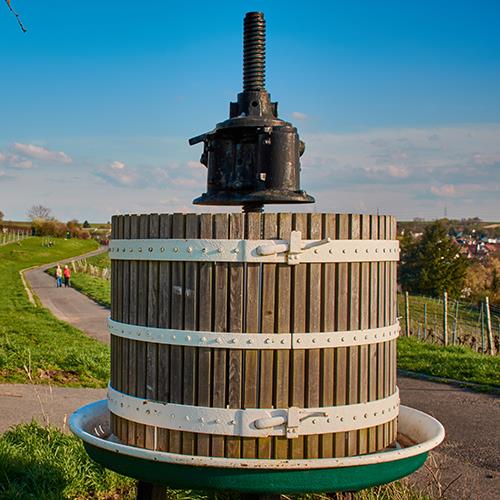
Mainz is bursting with culture and history, which is artfully blended within this vibrant city. Renowned for its Carnival and wine celebrations, it is perfectly situated to explore the valley of gently rolling hills in which the proximate Rheinhessen wine region lies.
Rheinhessen is Germany’s biggest wine-producing region. The petroleum-tinged red soil in these 2,000-year-old vineyards imparts a mild flavor to the wines produced here. The Rheinhessen is known for Liebfraumlich wine as well as light red wines made from the dornfelder grape. Travelers can also sample great Riesling, Spätburgunder (Pinot Noir), and Portugeiser here. This region is also known for delectable German foods and great views of seemingly endless vineyards, ensuring a relaxing, romantic getaway.
Meissen
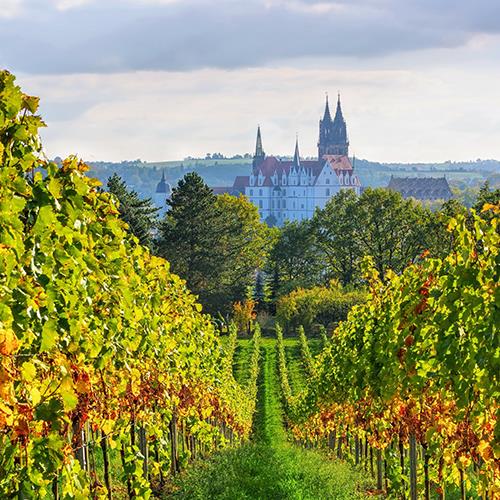
The Saxon town of Meissen is situated on both banks of the Elbe and it has a history of over 1000 years. Mainly, it is known worldwide as the `city of porcelain` for the manufacturing of the excellent Dresden china. Meissen is also a good starting point for taking a trip along the Saxon wine road.
The Saxony region lies in the easternmost region of Germany, the smallest of the 13 wine regions. It offers a variety of delicious wines and has been for over 850 plus years. The rolling vineyards lining the Elbe Valley of Meissen are an immensely popular stop along the Saxon Wine Route. Several wineries, taverns and tour companies host vineyard hikes, wine tastings and wine festivals in Meissen. Schloss Proschwitz, the oldest private winery in Saxony, and a great place to visit if you want to taste and purchase the very best of Meissen wines while enjoying stunning views.
Weimar
The small town of Weimar is a perfect place to visit to get at the heart of German culture. Located on the edge of the Thuringian Forest in Eastern Germany, it boasts charming squares to stylish museums, along with a medieval atmosphere of narrow, winding streets and houses with gabled roofs reminiscent of the Middle Ages.
The region around Weimar in East Germany is considered the “other” wine growth area, flanking the same-named rivers in Thüringen and Sachsen-Anhalt. Vines have been cultivated since AD 998 on the hillsides lining the Saale and Unstrut rivers which lend their name to the small, but growing, Saale-Unstrut region; Saale-Unstrut has regained much of its wine making glory in recent years. It is among the northernmost of Europe’s traditional wine regions. Due to this latitude and the cooler climate, the weather is more variable than in the regions to the west. As such, many of the vines are planted on labor-intensive stone terraces that help temper the climate. Most of the wines here are from white varietals and vinified in a dry style.
Leipzig
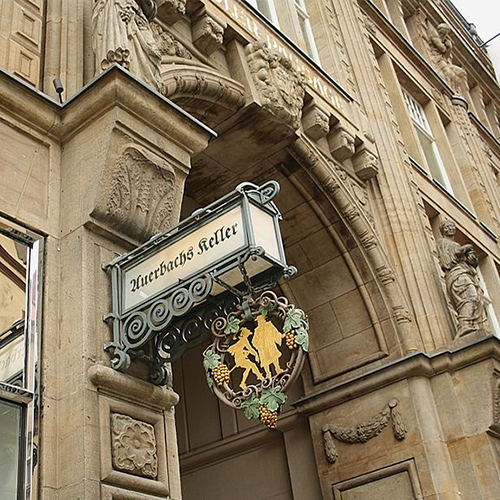
Leipzig is one of the most dynamic and complex in Germany, combining culture, economy and nightlife. The city is tightly associated with classical music: Bach worked as a cantor at Thomaskirche, Mozart performed here, Wagner was born in Leipzig and the famous Gewandhaus Orchestra is hosted here. The city constitutes the southernmost part of the North German Plain. And the region it is located in is one of the smallest wine-growing regions. The connection between architecture and viticulture typifies the region, developed over the centuries as religious and secular authorities cultivated vines.
Leipzig lies in the Sachsen region, also known as Saxony, is Germany’s easternmost and world’s one of the northernmost wine regions together with the Saale-Unstrut wine region, which is located to the west from Sachsen. The history of winemaking in Sachsen goes back to the 12th century. Around 460 hectares of vineyards are peacefully extended over 28 miles alongside the Elbe River. Today, the region produces one of the best wines of Germany, all under the finest Sachsen wine industry labels.