


Popular Wine Regions of Cyprus
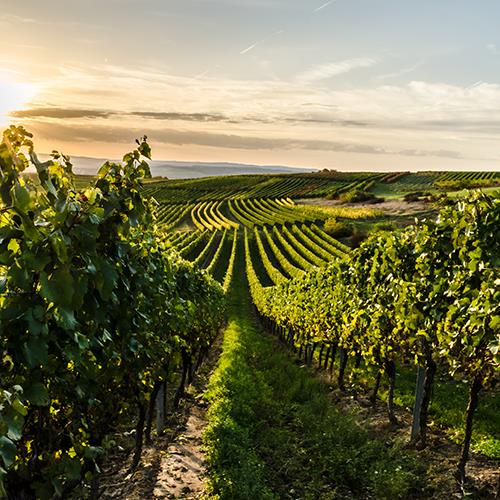
Cyprus Wine Trail
The Wineries of Cyprus offer quality wines, with an emphasis on the Cypriot indigenous varieties and are open to the public in order to meet and taste their wines. Take any of the seven routes on the wine trail in Cyprus to discover the world of Cyprus wine. The trail offers over 40 modern wineries that presently operate on the island. Go back in time by visiting restored traditional wine presses and museums that demonstrate the life, culture and traditions of the rural population. See the grape harvest, join traditional feasts and enjoy superb local wines in abundance.
September is the traditional month of the grape harvest from the vineyards covering the rolling slopes of Cyprus. The vineyards are filled with activity from March when the vines are pruned. Under the hot sun the vines have by now grown rapidly to the point where the grapes are now ready for harvesting. In Cyprus, the harvest season runs from August to mid-November. Whatever time of year you go, one of the best things to do is experience the wine trail, walk the wineries hilly landscapes, take in the fresh mountainous air while savoring the best wines Cyprus has to offer.
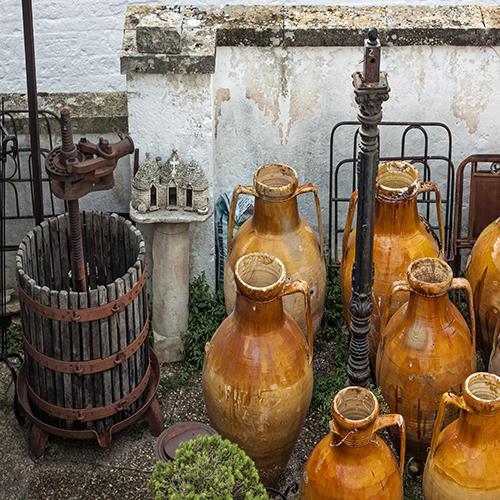
Limassol
Limassol winemaking villages are celebrated for their deep-rooted history of viticulture, as well as their outstanding local wines and the fabulous scenery of the area that produces them.
Located on the southern slopes of the Troodos mountain range, this area has the most wineries in all of Cyprus. Together, these villages are known as ‘Krasochoria,’ which is comprised of the two Greek words for ‘wine’ and ‘villages.’ The wines are a result of a dry climate and a unique geology, made from mostly local grape varieties Xynisteri (white) and Mavro (red), as well as some imported varieties, including Cabernet Sauvignon, Grenache, Syrah, and Mataro among a total of 23 individual varieties.
Limassol is made up of 20 charming villages that comprise the wine trail with 16 wineries between them. These vineyards include Etko winery, Ayiamavri, Zambartas winery, Lambouri winery, Ktima Gerolemo, just to name a few. The villages are well worth visiting, not only for their wineries, but also for their architecture, cobblestoned alleyways, and authentic surroundings. These villages are also home to some of the best known tavernas in Cyprus.
Paphos
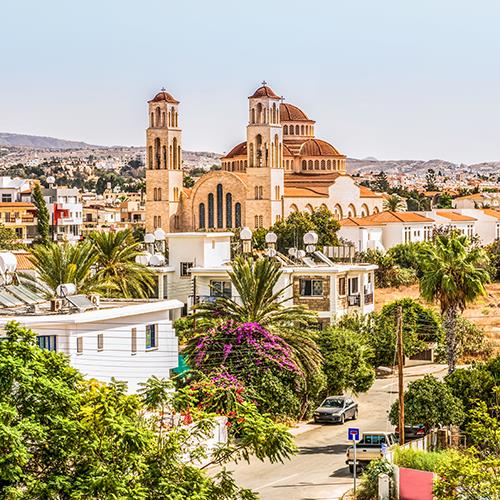
The shimmering, seaside jewel in the Cypriot crown, Paphos hugs the stunning Mediterranean coastline of the island. It is one of the best places in Cyprus to visit, especially for exploring the island's long history, such as the ancient Odeon Ruins, Kato Paphos Archaeological Park, the amphitheater and catacombs, amongst many others. It is also a great place to begin your exploration of the history and local grape varieties of this wine-making region. Take a scenic drive from Paphos on the Vouni Panagias - Ambelitis route of the Cyprus Wine Trail which will take you through a rugged coastline of abundant lush vines which possess a unique character that contrasts both contemporary and rustic.
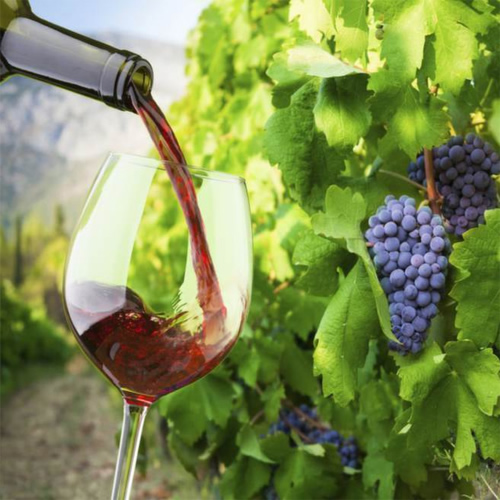
The Vouni Panagias – Ambelitis route lies on the western part of the island in the district of Paphos at an altitude of 2,400 feet above sea level. You will travel through a beautiful landscape sampling the delightful locally produced wines. There are several wineries here producing white wines with a taste of peaches, green apples and apricots with a distinct delicacy and aroma. The other native to Cyprus grape is the Maratheftiko variety. Made from red fruits, roses and violets this opulent red wine is also cultivated here. In the high altitude villages along this route including Vouni Panagias, Chrysorrogiatissa and Agios Fotios have a sample of the best Mavro grape wines, another local grape variety producing delicious dark and rose wines.
Besides the wineries, the Paphos area offers a host of traditional tavernas, stunning views, amazing natural beauty, and the opportunity to visit the stunning Akamas Peninsula.

Nicosia
Nicosia, the capital and largest city on the island, is one of the best places to visit if you want a real taste of Cypriot life. The city is unique in that it is split between Greek and Turkish Cyprus, which is often referred to as the ‘Last Divided Capital city of Europe.’ Nicosia is sophisticated and cosmopolitan with many beautiful landmarks, and thousands of years of history to be explored.
Just outside of the city, and comprising the expanse of the mountainous area of both Larnaca and Nicosia, is a wine route that passes through 10 villages and three wineries. This route is one comprising the old viticultural history of the island and the new, modern face of the winemaking industry. There are active winemakers here who have planted vineyards with the white varieties of Assyrtiko, Malvasia Aromatica, Chardonnay Xynisteri and Sauvignon blanc. You will also find red varieties that include Maratheftiko, Cabernet and Merlot.
Larnaca
Larnaca, the third-largest city in Cyprus, is a unique city that straddles the line between old and new. The city itself is a medley of medieval relics and ancient sites, and bustling, built-up seaside promenades. When it comes to wine production, the Larnaka region is relatively new. Here you’ll find the old viticultural history of the island with the new, modern face of the winemaking industry. Wine can be enjoyed in the cellars of the city and at wineries of the mountainous villages, offering very different experiences, both equally enjoyable.
Larnaca has recently been added to the Cyprus wine route that passes through 10 villages in this region. The route includes the expanse of the mountainous area of both Larnaca and Lefkosia and takes in three wineries, quaint museums and workshops. Although this area is outside the traditional wine regions, there are active winemakers who have planted vineyards with the Assyrtiko, Malvasia Aromatica, Chardonnay and Maratheftiko grape varieties, ensuring their fast integration into the island’s winemaking portfolio.