


Top Spanish Wine Regions
The Canary Islands
The Canary Island just off the mainland from Spain offers a wide range of wines from Listan Negro-based reds to sweet whites, the wines of the islands are perceived as gritty and rustic because of the volcanic soils. On this volcanic archipelago, wine lovers will find one of the oldest and most extreme wine regions in the country filled with unusual and visually stunning vineyards. Eight main islands make up The Canary Islands all known for their outstanding ecosystem, breathtaking beaches, majestic mountains, verdant jungles, and volcanic terroir. It seems impossible that the natural conditions and characteristics of these islands would make it possible to grow wine, however, the Canary Islands create one of the most heroic wine regions that produce unique and exciting wines. Most of the island’s vineyards are located in a volcanic region, Tenerife where the ashy soil gives rise to the luscious wines and fragrant vines.
Aside from the Tenerife, there are five other wine regions of the Canary Islands; Lanzarote, Gran Canaria, La Palma, El Hierro, and La Gomera each with their own unique style of wine. The wines of the islands are made from a blend of traditional and modern methods with some of the oldest vines in the country. Some popular wines produced here include Malmsey or Malvasia, Moscatel dessert wine, Marmajuelo, Tintilla, Rose, Listan Negro, and Listan Blanco. There are 13 wonderful wineries to visit along with 225 vineyards stretched throughout the luscious islands in the charming tropical towns and breathtaking panoramic landscape views. There are four National Parks on the Canary Islands that offer some amazing cultural experiences and sightseeing the magnificent San Cristobal de La Laguna monuments that are recognized as the World Heritage designation by UNESCO.
The Canary Islands are a truly magical location with surreal vineyards like the trained vineyards using the traditional cordon trenzado method in El Valle de la Orotava on the island of Tenerife. The vines are horizontally arranged just inches from the ground, many dating back over a century and stretching for up to 50 feet. There are several grape varieties grown on the islands, some that do not exist anywhere else in the world. The most common white wines include Gual, Listan Blanco (Palomino), Malvasia, and Verdello and reds such as Listan Negro, Malvasia Negra, Rosado, Negramoll, and Tintilla. Some of the islands major producers are Fronton de Oro (Gran Canaria), Los Bermejos (Lanzarote), Vinatigo (Tenerife), El Grifo (Lanzarote), and Bodegas Monje (Tenerife).


The Balearic Islands
The Balearic Islands form an archipelago off the eastern coast of the Spanish mainland in the western Mediterranean. These magical islands are a renowned holiday destination filled with miles of breathtaking beaches stretching along the scenic coastline and contain four of the most popular island destinations including Majorca, Menorca, Ibiza, and Formentera. These islands also boast a long winemaking history since the Ancient Roman times and all four regions offer a variety of exciting experiences including tasting wines from indigenous grape varieties. The Vine cultivation traditions of the Balearic Islands dates back to around 120BC, when the Ancient Romans first introduced viticulture, the vocation went on until 1891 when phylloxera heavily damaged the vineyards and wine industry. Winemakers have mastered the art of grape farming and have been delivering top-class wines to the natives and tourists alike.
DO Binissalem was the first-ever wine appellation region of the Balearic Islands that received recognition in 1990. The region is protected by the Tramuntana mountain ranges where various wines are produced including top-class reds, whites, rose, and sparkling wines that are made by using both local and international grapes. Some vines in this region are high-quality including Callet, Tempranillo, Monastrell, and Merlot reds. Winemakers use perfectly grained Moll o Prensal Blanc, Macabeo, Parellada, and others to make whites.
Manta Negro is the native grape variety of Mallorca which the locals are very proud of, all red wines produced in the Binissalem-Mallorca DO zone must contain 50% of this grape. Callet is another native grape variety that is used to make luscious red wines and other diverse wines. Mallorca is on the radar as an intriguing wine producer, these island wines represent the “new Spanish wine frontier”. Some of the island’s top producers include Anima Negra, 4Kilos, Miquel Oliver, and the 300-year-old Bodegas Ribas, which is Mallorca’s oldest winery. Each of these produces contemporary wines that are limited to around 2,500 acres of vineyards including both indigenous and international varieties. Most of the wines on the island’s terraces are required to be harvested by hand and maintained by sustainable practices, most of the region’s wines favor fruit over oak.
Wines from these islands reflect a wonderful range of styles with prominent red grape varieties that include Callet with mineral and spice notes giving it a seductive and feminine taste. There are reds, whites, rose and sparkling wines in this region including Manto Negro with a soft body and light color, Prensal Blanc, and Pilar Oliver which is said to be one of the best white wines with fruity freshness. This fabulous cluster of seven islands boasts some spectacular diverse landscapes. Lanzarote’s El Teide is Tenerife’s active volcano boasting the highest altitude vineyards in all of Europe with black-ash and lunar-like surfaces. There are ancient vines on the islands that date back some 300 years, the Canaries produce wines laced with salinity and vibrant minerality.

The Sherry Triangle - Andalucia
The spectacular sun-drenched Andalucia region, better known as The Sherry Triangle, is famous for producing Sherry, a heavily fortified wine primarily from Palomino, it is one of the oldest wines in the world. The region is composed of three towns, Jerez de las Frontera, Sanlucar de Barrameda, and El Puerto de Santa Maria where visitors can absorb the rich Spanish and Moorish history. Sherry wine is heavily immersed in the Spanish wine culture, all true Sherry comes from the vineyards around Jerez de la Frontera and the nearby coastal towns of Puerto de Santa Maria, and Sanlucar de Barrameda, these three towns for the three-point known as the “Sherry Triangle”. Must try sherry wines including Manzanilla and Amontillado. Sherry country offers plenty of sights and attractions with a rich culture that dates back over 3,000 years.
There are some fascinating bodegas located in Sherry Country such as Bodegas Tio Pepe which offers the perfect overview of the region with train rides to tour the property, unique grape to glass lessons in teh vineyards, and other ecotourism activities. Bodegas Tradicion offers a unique boutique style with top-shelf Sherry on offer, and one of the best private art galleries in the area. A father-daughter duo operates Bodegeas Urium and offers some great southern hospitality and award-winning sherry. Bodegas Osborne, is located in El Puerto de Santa Maria, the famous birthplace of the Osborne bull icon.
The Cadiz area of Spain is a huge region located in Southern Spain consisting of 8 provinces where wine production was initiated. These provinces are filled with some of Spain’s most iconic landscapes and images including Flamenco, olive oil fields, Andalusian horses, white villages, la Alhambra palace, bullfighting, and Sherry wines. The volcano soils and strong winds merge to create a very specific terroir for wines produced on the islands. The Andalusia region is notably hot and dry and famous for its variety of fortified and dessert wines, the region is famous for winemaking with the Jerez region which receives ample rainfall captured in the limestone soils which provides cool moisture to the vineyards.
Jerez-Xerez-Sherry is the most famous DO (Denominación de Origen) in the Andalusia region where organic reds, whites, and sparkling wines are produced throughout the region. The vine growing of Andalusia can be traced back some 3,000 years, the limestone-rich soils here which are known locally as albariza retain water under the soil which forms a hard crust in the summer heat. Montilla-Moriles is a separate DO that produces one of the sweetest wines called “PX” made from Pedro Ximenez grapes. An aged PX like Bodegas Toro Abala is sweet enough to pour over pancakes. There are two top producers in Montilla-Moriles; Gomez Nevado, and Piedra Lunga who both make delicious, food-friendly wines.
The Ebro River Valley
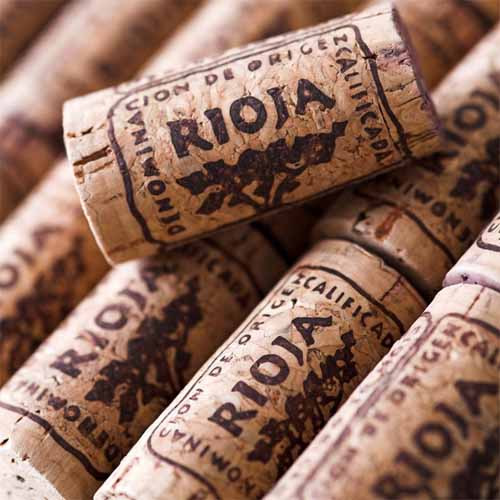
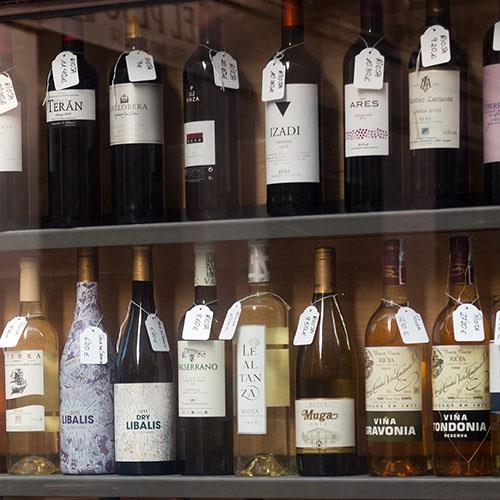
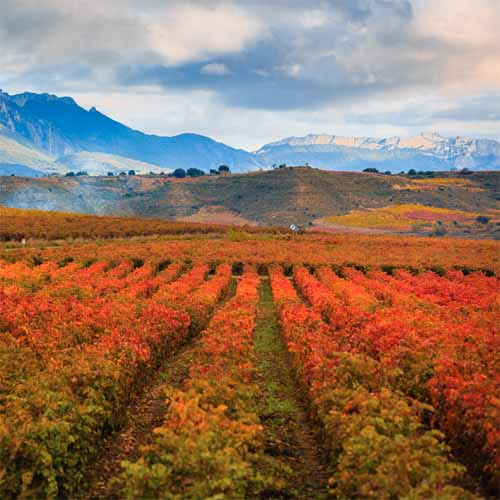
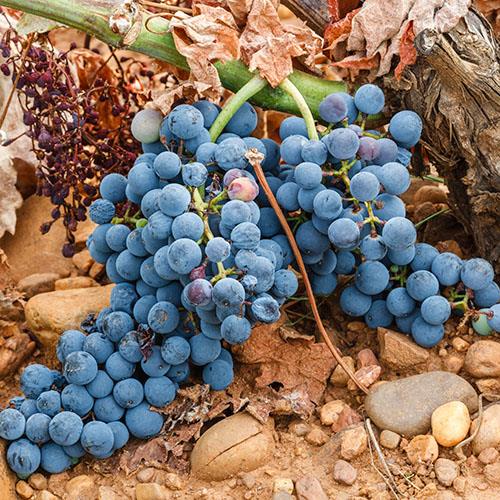
The Ebro River Valley is home to Spain’s mightiest river; the Ebro River which runs from the Cantabrian mountains in northern Spain to the Mediterranean. Vineyards follow the river to Spain’s most famous wine region, La Rioja. The Ebro River and its tributaries have carved out vineyards that have been celebrated for centuries, Rioja is the infamous wine of the La Rioja region in Northern Spain. The region produces Tempranillo grapes that create wines such as Crianza, Reserva, and Gran Reserva which all grow incredibly well in the region’s dry climate. La Rioja is located in the Ebro River Valley with 7 small tributaries that create the valleys of Rioja which contain a large portion of the country’s biodiversity (36%) due to the unique climate and terrain.
The wines in Rioja are so different in style and flavor due to the region’s diversity, each of the 7 valleys is very unique. There are very important D.O’s in the region such as D.O.Ca. Rioja is one of the most famous fine wine regions in the country. There are four D.O.’s in Aragon (Somontano, Campo de Borja, Carinena, and Calatayud) and now one in Navarra (D.O. Navarra). There are three subdivisions in Rioja; Rioja Alavesa, Rioja Alta, and Rioja Oriental each with its own distinct characteristics. Tempranillo is the king grape variety of the region, followed closely by Garnacha, Mazuelo (Carinena), and other indigenous grapes that are generating new styles and ideas.
There are reds, whites, and roses produced in the Ebro Valley however the Reds of the region are the most famous that have aging classifications for differentiating red wines from one another; Joven or “young” wines are for early drinking, Crianza wines are aged for two years, and Reserva wines are aged three years or more. Gran Reserva wines are aged for at least five years or longer and are regarded as the pinnacle of the Rioja region. Rioja is known as the traditional area of quality in the Ebro Valley, and Navarra follows closely behind with its wines in the minds of Spanish enthusiasts. There are many international grapes grown in the region including Cabernet, Syrah, and Merlot alongside the DO’s historic Garnacha vineyards, juicy Garnacha is still a bold beloved wine.
The Mediterranean influences in the Ebro Valley have less intense climate swings, due to this Tempranillo and Garanach produce fruitier, more elegant style wines. The wines of the Rioja region are a wonderful blend of ripe fruit with earth flavors, the Tempranillo grapes here are blended with Mazuelo, Graciano, Garnacha, and Maturana Tinta. Some classic examples use the combination of ripe plum and dried prune flavors with hints of leather and sweet and sour sauce. There are some fantastic long-standing bodegas in the Rioja region such as Lopez de Heredia who consistently turn out age worth reds.

Catalonia
The fascinating Spanish province of Catalonia is located along the Mediterranean coast in northeastern Spain with the most perfect Mediterranean climate and home to some of Spain’s most sought-after wines. The amazing beaches of Catalonia make this one of the most popular destinations in the country along with world-class gastronomy, unique architecture, beach activities, and hiking in the great outdoors in the surrounding Catalan Pyrenees Mountains. Catalonia is also one of Spain’s top wine destinations where famous wines like Cava, Priorat, and Montsant are produced. Penedes is the largest and most significant wine-producing region in Catalonia, it is one of the oldest wine-producing regions in Europe with traces of early viticulture dating back to the 6th Century BC.
The region’s diverse terrain makes it very well suited for growing a variety of grapes, it is also the recognized heartland of the famous Spanish sparkling wine “Cava” and home to some of Spain’s most Avant-Garde wine producers. Cava production is mostly found in Catalonia in the northeast by Barcelona, it goes through a traditional method of secondary fermentation in the bottle to create the bubbles. Cava can be white or rose and usually consists of a blend of Xarel-lo, Macabeo, and Parellada grapes. 95% of Spanish Cava production takes place in the Penedes region. In order for the wines to be called “Cava”, they must be made in the traditional méthode champenoise.
The Catalonia region hosts 1 out of 2 of the greatest appellations of Spanish Red Wines - Priorat. Priorat is one of the only two regions in the country that has a special appellation D.O.C or Denominació d’Origen Qualificada, recognized for its outstanding quality and consistency of wines. The unique slate soil in the area is called llicorella and features special volcanic properties that lend the wines their flavor, and the yield on the vines of this region area is relatively lower compared to other regions. The vines here grow mostly on heavily slanted hillsides, which makes it almost impossible to use mechanical picking of the grapes. Most of the wines in Priorat are a blend of Garnacha and Carinena with Cabernet Sauvignon, Syrah, and others.
The Emporda wine region is nestled near the popular seaside area of Costa Brava, the region has a long history of making rose wine, and red wine accounts for 60% of its annual production. There are over 20 grape varieties that are allowed under the official appellation DO Emporda which includes the non-native Gewurztraminer white grape variety.
The southern Catalan town of Tarragona is home to the Tarragona wine region with a long history of producing rich, heavy reds, which are similar to fortified wines like port. Tarragona is also famous for its white wines that account for over 70% of the region’s total production the most renowned type is the Parellada white wine made entirely from the eponymous grape variety.
The Costers del Segre is probably the aridest wine region in Catalan, it was the first wine-producing region in Catalonia. The non-native varieties include Chardonnay, Cabernet Sauvignon, and Merlot that have been introduced alongside native ones. The wine-producing history in this small region date back to the time of Ancient Egyptians, popular wines produced here include Mareseme wines and Valles wines.
Green Spain
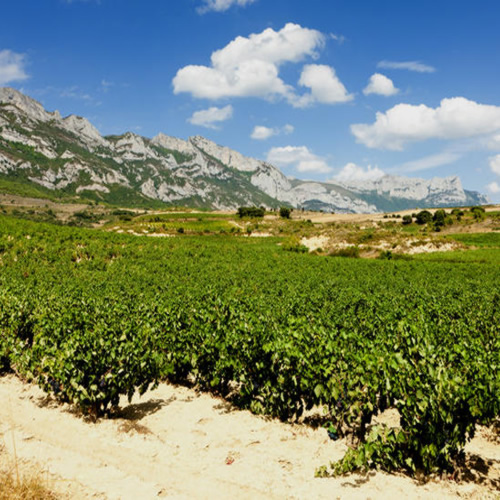
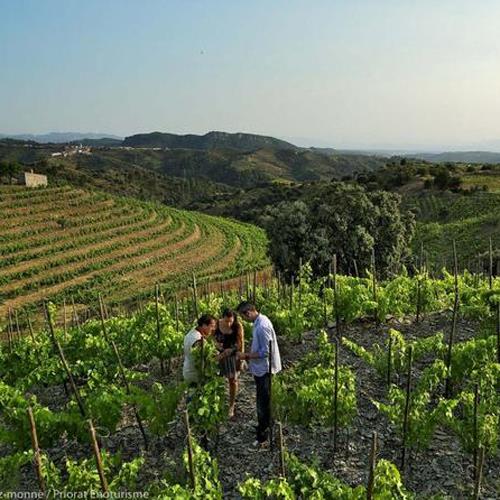
The “Green Spain” Wine Region covers the north coast of the country stretching from the lush corner of Galicia in the northeast, which borders Portugal, and runs all the way to France through the coastal areas of Galicia, Asturias Cantabria, and the Spanish Basque Country. Galicia is bordered to the north and west by the Atlantic Ocean which contributes to the region’s cool and damp climate, the region is the best known for the Rias Baixas DO with the native grape Albarino that produces delicious refreshing wines that boast floral aromas and mineral flavors. Galicia is blessed with lush verdant valleys in the mountains which lead to cities nestled along the water, it is very much unlike the rest of Spain.
In this region, it rains much more than in the rest of the country and features a cool, misty climate which creates lush pasture and verdant forests. The dominant grape grown here, and star of the show, is Albarino, which grows along the coast and the rivers of Rias Baixas and produces a variety of crips, aromatic white wines. Loureira and Trexixadura follow closely behind and the wines here are true to their coastal nature with a briny, ocean touch and hints of white flowers and stone fruit. The white wines in this region are a perfect match for seafood and fish, which are caught fresh daily in the waters.
There are some fascinating little regions in northwestern Spain including Valdeorras near Rias Baixas which produces wine from Godello and Mencia grapes. The Basque region on the northern coast is filled with culture, cuisine, and distinctive wines such as Txakoli, a citrusy wine made from the Hondarribi Zuri grape, which is the best wine to accompany oysters. Fish and seafood are a very important part of the local cuisine and economies in this region with its proximity to the Atlantic. Txakoli rose is another great option in this region, fun and fresh and tastes like salted watermelon.
The Rias Baixas region sits on the eastern edge of Galicia where Albarino is one of the grapes that thrive in this region accounting for 90% of the plantings in the area. Albarino is one of the most popular white wines in the country, there are a few thousand acres planted outside of Spain in Minho, Portugal, where it is called Alvarinho. Albarino is also gaining popularity in the United States due to the successful expressions from Croma Vera, and Tangent in California’s Edna Valley and Abacela in Oregon. The Rias Baixas region features a pergola training method, where trellises are raised overhead, a popular system adopted in areas where high moisture levels exist, it allows for better airflow underneath the hanging vines.
Rueda is tucked away in the northwest corner of the country and features an upward trend in Verdejo-based wines. Toro is Rueda’s neighboring region which is quickly becoming famous for its Tempranillo-based wines. Rivera del Duero offers some commanding wines, that are arguably amongst some of the greatest wines in Spain.

South Mediterranean
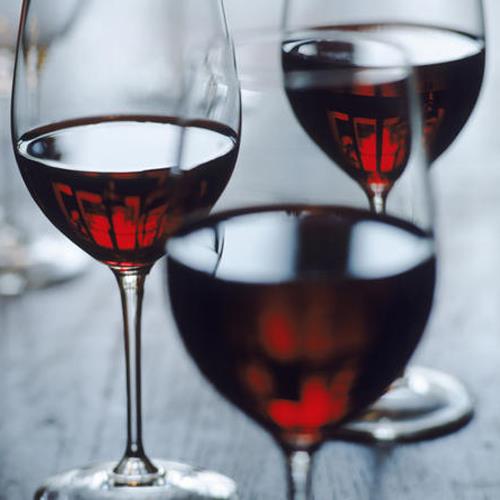
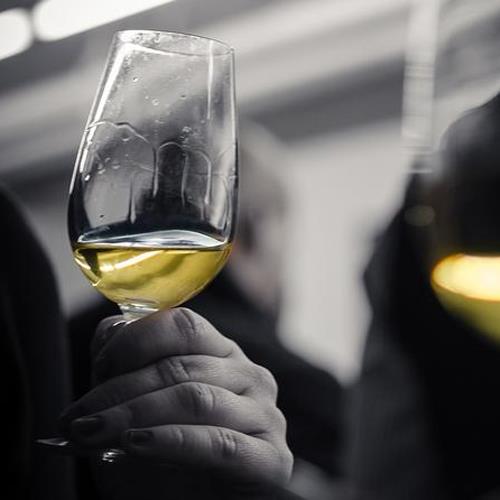
The southern Mediterranean wine region of Spain runs from Castellon, south of Tarragona in Catalonia all the way to Murcia in the south, where warmer temperatures and Mediterranean influences shape a unique style of Spanish wines. The warmth on this coast from the French border to Almeria is mitigated by high altitudes, there are world-class wines produced in places like Cataluna and Valencia. The wines from Valencia are a great value for money and have been around for decades exporting most of what they produce. The local red grapes in this region include Bobal and Monastrell which have adapted to the hot climate and have proven their real potential with the introduction of modern vinification techniques.
The wine regions of southern Spain can simply be divided into three regions; The largest and most amorphous subsection is southcentral Spain including La Mancha, Valdepenas, and smaller DO’s like Almansa, Mentrida, Manchula, and Utiel-Requena with wines made from Tempranillo, Syrah, Cabernet Sauvignon, Bobal, and Garnacha. In the southeast region towards the Mediterranean, there is Levante which is home to the Jumilla, Yecla, Bullas, Valencia, and Alicante regions with wines like Monastrell, Syrah, Cabernet Sauvignon, and Merlot are all very nice wines. Andalucia is the last region which is also covered as part of The Sherry Wine Region, known as the land of sweet and fortified wines made from Moscatel, Palomino, and Pedro Ximenez grapes.
This sunny southern region offers some of the best options when it comes to fruit-flavored wines with Monastrell, a rich seduction red, and Bobal, a blueberry juice like daily drinking red. Monastrell is the Spanish name for Mourvedre from Southern France and can be found in abundance in southern Spain. These grapes need plenty of sunshine to ripen, and the sunny warm Mediterranean climate on the coast near Valencia offers plenty of it. Bordeaux varieties like Cabernet Sauvignon perform well in this region as well and make for a great blending with Monastrell grapes. Bodega El Nido consistently produces high-rated Monastrell-Cabernet blends.
La Mancha is filled with dry plains, and the sparkling sea-kissed shores of Levante are part of southern Spain’s wine region and home to some of the country’s top wines that are made with lusty varieties such as Syrah, Monastrell, Garnacha, Cabernet Sauvignon, and Merlot. The region of southern Spain is quite large and blessed with plenty of sunbaked landscapes that are responsible for producing some of the best fortified and dessert wines such as dry Sherries from Jerez, luscious Pedro Ximenez-based wines from Montilla-Moriles, and sweet Moscatel from Malaga. The region is also known to produce wines with powerful flavors, roasted earthy nuances, and exquisite balance.
Dominio de Valdepusa is a family-owned vineyard located near Toledo in La Mancha that makes wine under the Marques de Grinon label. Winemakers here understand the grape varieties and terroir of the region very well creating some fine wines. La Mancha boasts at least 1.24 million acres of vines, so the quality and variation of this region’s wines are quite spectacular. The red wines of south-central Spain are lush, dark in color, full-bodied, and loaded with rich, slightly baked, and earthy flavors supported by firm tannins and healthy acidity.

Central Plateau
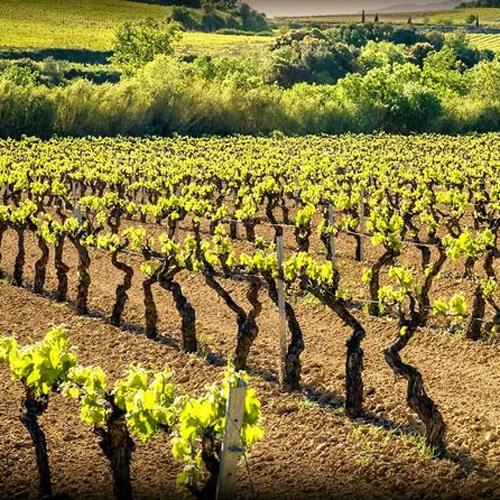
Spain’s Central Plateau is home to the vibrant capital city of Madrid and sits at an average elevation of 2,500 feet in a sunny and dry climate with arid conditions where the vines are set up spaced far apart and grow close to the ground. The surrounding area contains the high plateau of Spain and the vineyards here in the higher elevations produce singular quality grapes. Castilla Leon is an autonomous region in Spain that has played a fundamental role in Spanish history filled with castles, gothic cathedrals, impressive monasteries throughout the architectural landscape where the continental weather and high altitudes shape the wines of the region. Vega Sicilia is Spain’s red wine brand that was established in 1846. This is a wide wine region in central Spain, much large than Ribera del Duero, the vineyards of Bierszo, Cigales, Rueda, and Toro are home to some interesting wineries which have a promising future in winemaking.
The Meseta Central region produced an ocean of ‘Vinto Tinto’ and ‘Vino Blanco’ which are still available at supermarkets throughout Spain and sold in plastic jugs. This region improved greatly during the 1990s when a few individuals brought in vines and winemaking techniques from Californian and Bordeaux. White Airen is grown in abundance here and comes from an old vine Garnacha and Petit Verdot that are grown at high elevations in the verdant hills. There are designated vineyards here named “Vino de Pago” that are showing promising signs for great production. Red wines are some of the best in this region, with bold and lush flavors with a characteristic note of grilled toast. Exceptional whites of the area tend to be oak-aged with nutty and creamy notes of apricots and peaches.
Tempranillo was once known as Cencibel in this region, there are some well-blended French varieties in the area like Syrah, Cabernet, and Petit Verdot, made from Tempranillo’s local grapes Garnacha and Bobal. Bobal is a very bold, red wine grape similar to Petite Sirah with blackberry and menthol flavors and a hint of vanilla. Garnacha is a richer style wine with a moderately high level of alcohol that tastes of candied raspberries and leather. Monastrell is an opaque wine with a bright violet rim and tastes of blackberries, anise, grilled bread, and the occasional meaty note.
Carlos Falco Fernandez de Cordova of Dominio de Valdepusa in the Mentrida DO was one of the most instrumental people that brought winemaking to the Castile-La Mancha region. Falco studied winemaking at UC Davis in 1964 and brought french grapes to the region along with a modern drip irrigation system. Dominio de Valdepusa vineyard was the first to receive a Vino de Pago DO Spanish wine designation. Carlos Falco organized a solid group of 25 top quality producers in the Meseta region called Grandes Pagos de Espana.
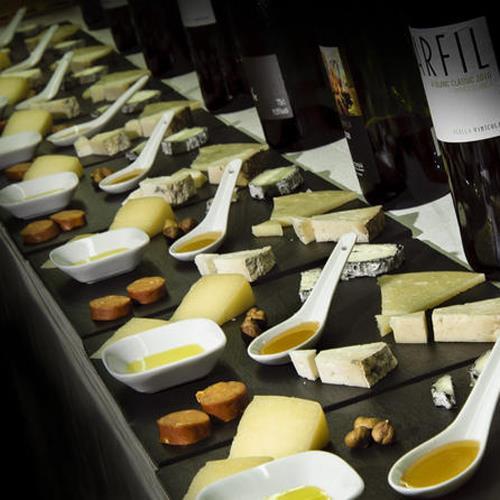
Valdeorras is a tiny region just inland from Rias Baixas which makes several styles of Spanish wines. Godello grapes are used to make crisp white wines, and combine lemon, cantaloupe flavors and minerality. La Mancha is a vast region featuring extensive plantings of white wines from the local grapes of Airen and Macabeo to Chardonnay and Sauvignon Blanc that pair well with local cheeses.
Meseta means “tabletop” which represents the center of the elevated plateau that is Spain's central wine region and home to almost two thirds of the country’s wines. The area is arid and mountainous and the disparity in diurnal temperatures produces well valued reds from Grenache, Tempranillo, and even the rare Petit Verdot. Airen is the most planted grape in the region producing white wines.