


Destinations
❮Main Menu
UNESCO WORLD HERITAGE SITES IN INDIA

Taj Mahal, Agra
One of the Seven Wonders of the World, an immense mausoleum of white marble, the Taj Mahal was built in Agra between 1631 and 1648 by order of the Mughal emperor Shah Jahan in memory of his favorite wife, Mumtaj Mahal. It is estimated to cost 32 million Indian rupees to build, which would today amount up to 58 billion Indian rupees. It is considered as the best example of Mughal architecture in the world, and is the jewel of Muslim art in India and one of the most recognized monuments all over the world for its association with the Indian heritage sites.
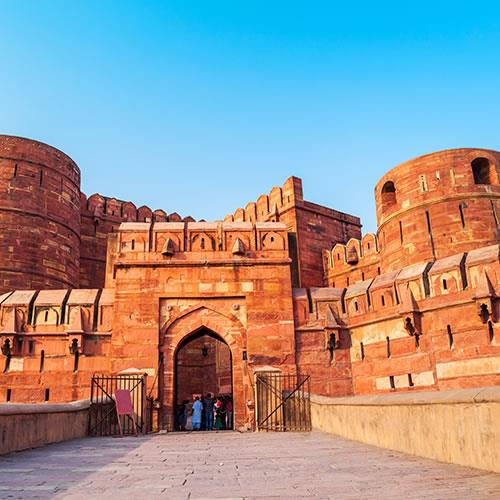
Agra Fort, Uttar Pradesh
Situated quite close to the Taj Mahal (about 1.5 miles), the Agra Fort is a historical fort in the city of Agra in India. It was the main residence of the emperors of the Mughal Dynasty till 1638. Even though it was established in the Mughal Era, during the time of Akbar, the Agra Fort is a blend of Persian art of the Timurid and the Indian forms of architecture. This is due to the fact that it was originally a brick monument known as Badalgarh, held by Raja Badal Singh, a Hindu Shikarwar Rajput King. After the invasion, Sikander Lodi was the first Sultan of Delhi to shift to Agra and live in the fort. The Agra fort is home to several monuments such as Khas Mahal, Sheesh Mahal, Muhamman Burie (an octagonal Tower), Diwan-e-Khas, Diwan-e-Am, Moti Masjid, and Nagina Masjid. The fort can be accurately described as a walled city.
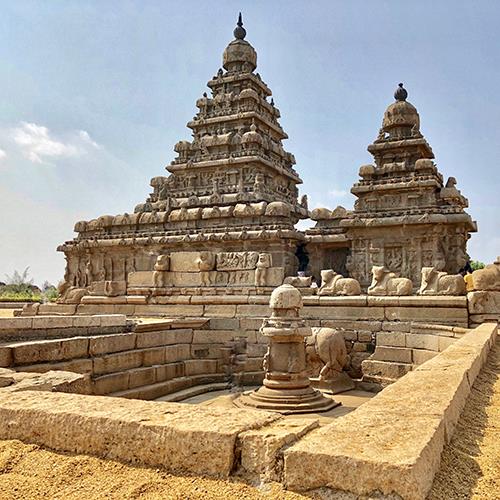
Group of Monuments at Mahabalipuram, Tamil Nadu near Chennai
This group of sanctuaries, founded by the Pallava kings, was carved out of rock along the Coromandel coast in the 7th and 8th centuries. The Temples are situated in the town of Mahabalipuram, which is about 35 miles from Chennai in the Coromandel Coast of Bay of Bengal. It was built under the reign of the Pallava rulers, and the stunning feature of these temples is the fact that they are made out of rock and is known especially for rathas (temples in the form of chariots), mandapas (cave sanctuaries), giant open-air reliefs such as the famous ‘Descent of the Ganges’, and the temple of Rivage, with thousands of sculptures to the glory of Shiva. These World Heritage Sites in India constitute the art of Pallava Period with sites like Pancha Rathas, Dharamaraja Ratha, Arjuna Ratha, Draupadi Ratha, and more.
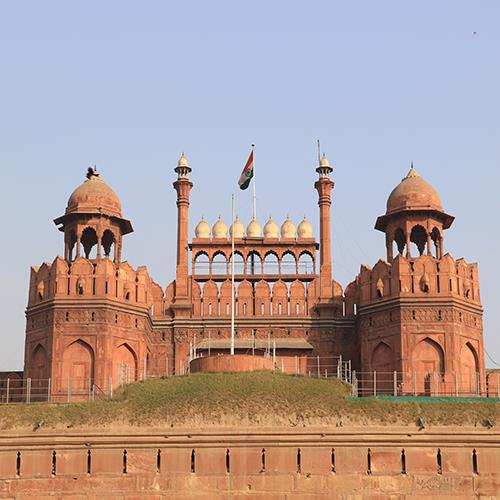
Red Fort Complex, Delhi
Located in the center of the historic city of New Delhi, the Red Fort complex was built as a palace fort of Shahjahanabad, the new capital of the fifth Mughal Emperor of India, Shah Jahan. Named for its massive enclosing walls of red sandstone, it is adjacent to an old fort, the Salimgarh, built by Islam Shah Suri in 1546, with which it forms the Red Fort Complex. The fort became the political hub of the Mughals. Under Shah Jahan, Mughal art and architecture reached its zenith, and the Red Fort is a perfect example of that. The private pavilions consist of a row of buildings connected by a continuous water channel, known as the “Stream of Paradise.” The planning of the palace is based on Islamic prototypes, but each pavilion reveals architectural elements typical of Mughal buildings, reflecting a fusion of Persian, Timurid and Hindu traditions. The Red Fort is one of the most famous UNESCO World Heritage Sites in India and is managed directly by the Archaeological Survey of India.

Humayun’s Tomb, New Delhi
This World Heritage Site (listed in 1993) in India was built by Begum Bega, the first wife of Humayun between 1565-1572, is the final resting place of the Mughal Emperor Humayun. Located in the Nizamuddin East area of Delhi, it is the first garden-tomb in the Indian subcontinent. This fascinating piece of architecture is one of the very few structures that used red sandstone on such a massive scale at that time. The design of Humayun's tomb is a typical Mughal architecture with Persian influences and was conceptualised by Persian architect Mirak Mirza Ghiyath.
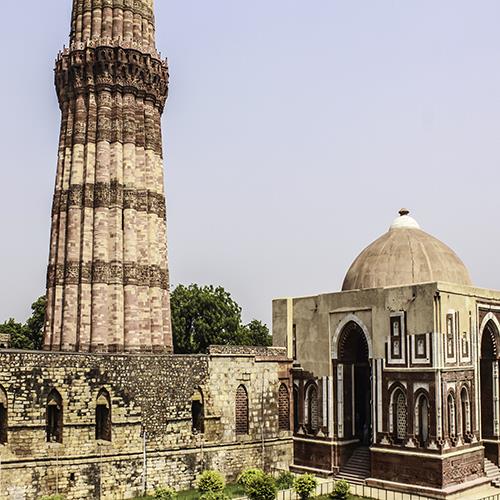
Qutub Minar and its Monuments, New Delhi
The Qutub Minar was built in 1193 by the first Muslim ruler of Delhi, Qutub-ud-din Aiback of the Mamluk Dynasty, after the defeat of Delhi’s last Hindu Kingdom. With the height of 238 ft, Qutub Minar is the second tallest monument of Delhi and one of the most famous World Heritage Sites in India. The complex has several other buildings located within it, and it occupies the center stage mainly due to the height. Near the Qutub Minar is the Quwwat-ul-Islam mosque, which was built on the ruins of the Lal Kot of the previous Hindu kingdom and is also known to be one of the first mosques in the country.
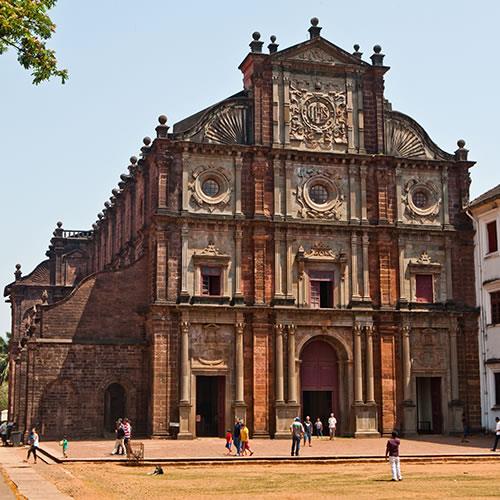
Churches and Convents, Goa
During the 15th and 16th centuries, the Portuguese established themselves in the region now called Old Goa, along with Konka coast in the South-western part of India. The Portuguese also established their mark with the introduction of Christianity in the Indian subcontinent with several churches and convents that were built in Goa, as a way of evangelization. Due to the different, yet beautiful architectural forms, these churches have been included in the list of UNESCO World Heritage Sites in India. The most famous among these monuments is the Basilica of Bom Jesus, which contains the relics of St. Francis Xavier. This place serves as an example of the diverse religious and cultural heritage of India.
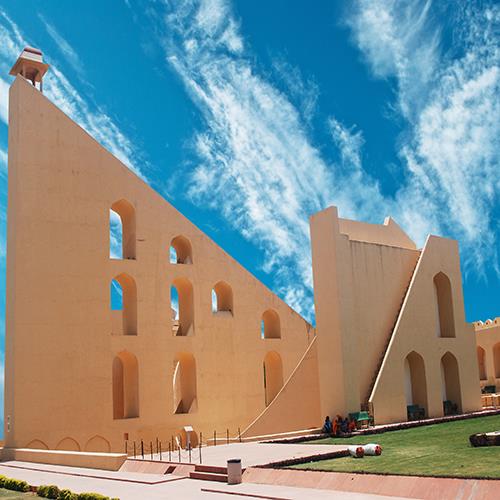
Janta Mantar, Jaipur
Located in Jaipur, the Jantar Mantar is an astronomical observation site built in the early 18th century. The UNESCO site contains 20 large stone astronomical instruments designed to assist scientists who were observing the heavens with their naked eyes. They are monumental examples in masonry of known instruments but which in many cases have specific characteristics of their own. The huge tools monitor celestial happenings and are still in use today for agricultural predictions.
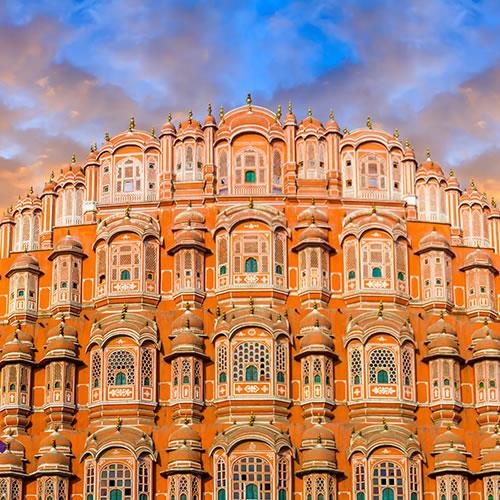
The Pink City, Jaipur
The Pink City refers to the old walled city that was built in 1727 by Maharaja Jai Singh II in Jaipur, one of the largest cities in India. This is the newest addition to the UNESCO World Heritage Sites in India, declared in June 2019. The city is surrounded by walls and gates decorated with drawings on the backdrop of a beautiful pink hue and has managed to retain its old-world charm. In keeping with the splendor of the structure, there are seven different gates that provide access to the Old City. Today, the city presents the glorious past through its culture and architecture, as well as other UNESCO sites including Amer Fort and Jantar Mantar, Jaipur is home to many fabulous forts, palaces, temples and museums. Jaipur is a lively city with bustling local bazaars where you can shop for local handicrafts and experience the local cuisines. Popular bazaars in the city include Bapu Bazaar, Tripolia Bazaar and Johri Bazaar.

Khajuraho, Madhya Pradesh
Khajuraho, the UNESCO World Heritage Site located in Madhya Pradesh, is famous worldwide for its beautiful temples embellished by erotic and sensuous carvings. Situated in a small town located in the Bundelkhand region, Khajuraho is a fantastic example of Indian architecture and its culture back in the medieval period. Built between 950 to 1050 AD the sheer confrontational nature of these carvings show a stark paradox with the conventional Indian ideal about eroticism, leaving most spellbound. These monuments consist of a total of 85 Temples spread across an area of 7.5 square miles. The Kandariya temple is the most noteworthy of all of these temples in the Khajuraho complex.
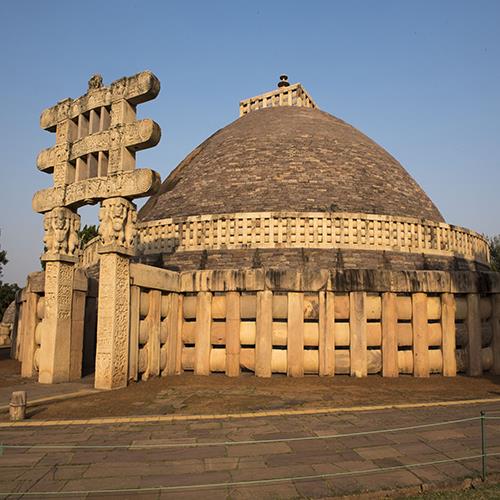
Sanchi, Madhya Pradesh
Situated in Madhya Pradesh, the Buddhist Monuments are a manifestation of Heritage of India and the oldest stone structures of the country. The Great Stupa was installed in the 3rd century BC by Emperor Ashoka of the Mauryan dynasty. Its core was a hemispherical brick structure built over the relics of Buddha and was constructed to honor Lord Buddha and houses many important Buddhist relics. The stupa sits atop a hill in Sanchi, 28 miles from the city of Bhopal.
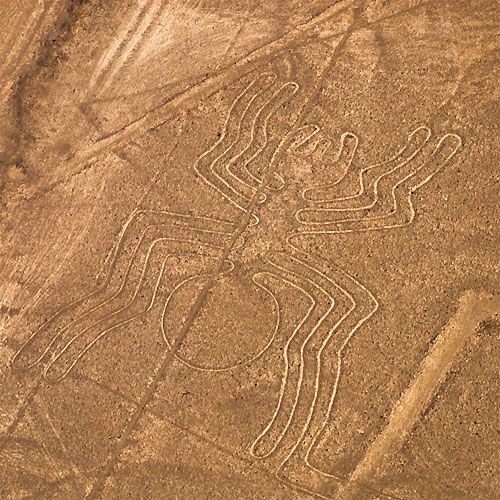
Rock Shelters of Bhimbetka, Madhya Pradesh
Discovered in 1957, the Rock Shelters of Bhimbetka is the place where the earliest traces of human life on the Indian subcontinent was discovered. Located in the foothills of the Vindhya Mountains in the Deccan Plateau the rock shelters comprise a group of 5 rocks and are renowned for the Mesolithic era carvings and paintings. These paintings are instrumental in telling us about the life activities of the hunter-gatherers who preceded us and showed the coming together of art form and landscape, during that age.
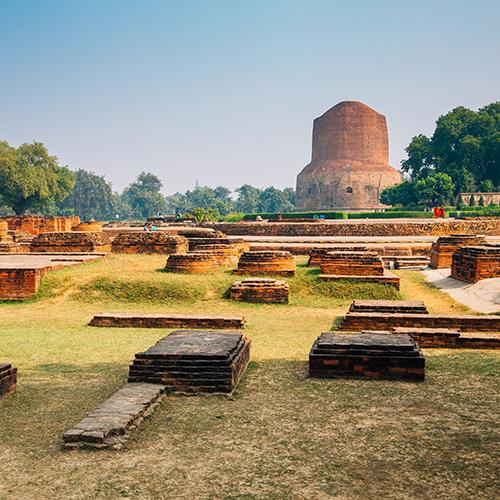
Ancient Buddhist Site, Sarnath (Varanasi)
Sarnath, situated at a distance of 5-miles from Varanasi, houses several monuments which are divided into two groups. Under Group “A” Chaukhandi Stupa and under Group “B” all other monuments and sites (monasteries, temples, Stupas, etc.). The Chaukhandi Stupa has been crowned the octagonal tower that was built by Gverdhan, the son of Raja Todarmal in 1588 AD to commemorate the visit of Humayun to this place. The Group B structures contain remains of several stupas, monasteries and ashokan columns are built in brick and stone and are datable from the 3rd century BC to 12th century AD. The Ashokan column Dharamrajika stupa, Dhameka stupa, the remains of the temple and a series of monasteries and votive stupas are the most important remains of the site.
ADDITIONAL UNESCO WORLD HERITAGE SITES IN INDIA
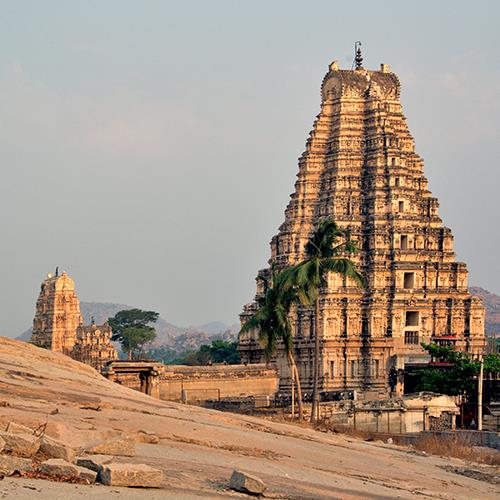
Hampi, Karnataka
Located in the shadowed depth of hills and valleys in the state of Karnataka, Hampi is a city of ruins. It was the capital of the Vijayanagar empire around 1500 AD, and by some accounts, the second largest city in the world at the time. Over the years it fell out of importance, and now you can explore the ruins of a lot of temples (around 500), monuments, bastions, treasury buildings and several other structures spread out over a vast area. Together, they're collectively known as the ‘Group of Monuments at Hampi.’ It is an open museum with over a hundred locations to explore and a favorite way to see the city from the perspective of its history. Some of the other known ones include the Krishna temple complex, Narasimha, Ganesa, Hemakuta group of temples, Achyutaraya temple complex, Vitthala temple complex, Pattabhirama temple complex, Lotus Mahal complex, several puras or bazaars surrounding the temple complex, and also living quarters and residential areas.
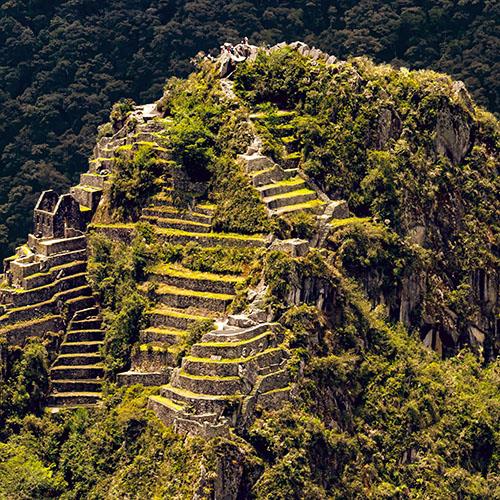
Ajanta and Ellora Caves, Maharashtra
Ajanta and Ellora caves, considered to be one of the finest examples of ancient rock-cut caves, are located near Aurangabad in Maharashtra, India. Ajanta and Ellora caves complex is decorated with beautiful sculptures, paintings, and frescoes and include Buddhist monasteries, Hindu and Jain temples. The Ajanta caves are 29 in total and were built between the 2nd century BC and 6th century AD, whereas the Ellora Caves are more spread out and 34 in total and dates to the period between 6th and 11th Century AD.
Ajanta and Ellora caves are designated as UNESCO World Heritage Sites and are quite popular among travelers worldwide. Ajanta Caves, located around 60-miles north of Aurangabad, are mostly Buddhist sites and were used as a retreat by Buddhist Monks. Ellora is just 9-miles west of Aurangabad and has a better mix of Hindu, Jain, and Buddhist sites. These hand-carved caves were built and sponsored by the Indian rulers of those periods and almost buried by thick forests. One of the most famous places in the entire Ajanta and Ellora Caves is the Kailash Temple, which is also the single most immense monolithic structure globally. These rock-cut caves containing carvings are some of the best examples of ancient Indian architecture and sculpture.
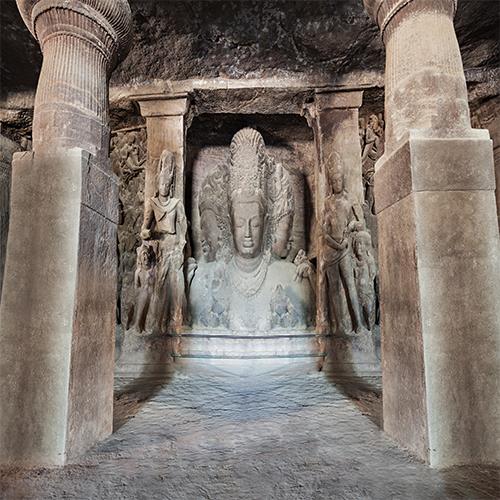
Elephanta Caves, Maharashtra
The Elephanta caves, located on an island in the Arabian City (6-miles from Mumbai), are a specimen of rock-cut and architecture depicting Shiva as the Creator and the Destroyer of the Universe. Also known as Gharapuri, these caves give visitors a glimpse into the rich cultural past of Indian civilization. The most important of all the caves here is Cave 1, where one can see the Sadashiva at the entrance of the cave, which depicts three sides of Shiva: as the Creator, Preserver and Destroyer. It also provides an amazing view of the Mumbai skyline. You can reach the Elephanta Caves via a ferry ride from Gateway of India. This collection of cave temples dates back to 5th to 7th centuries.
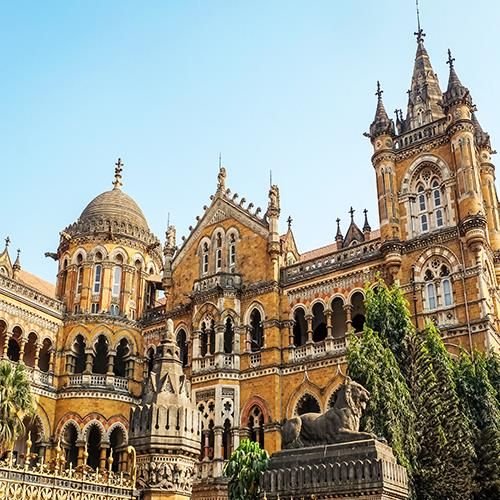
Chhatrapati Shivaji Maharaj Terminus (formerly Victoria Terminus), Maharashtra
Chhatrapati Shivaji Maharaj Terminus, formerly known as the Victoria Terminus, is the headquarters of Central Railway in the bustling capital city of Maharashtra - Mumbai. It was built by Frederick William Stevens with the inspiration from Victorian Italianate Gothic Revival architecture and traditional Mughal buildings between the years 1878-1888 and gave Bombay the face of being the International Mercantile Port of India. The beautiful structure is the perfect example of the Victorian-Gothic style of architecture in India in 1878. It was designated a UNESCO site in 1997 and still functions today, however, due to several reasons such as pollution, traffic, construction work, etc., there have been reports of damages to this site. More work needs to be done to ensure the preservation of this heritage site.
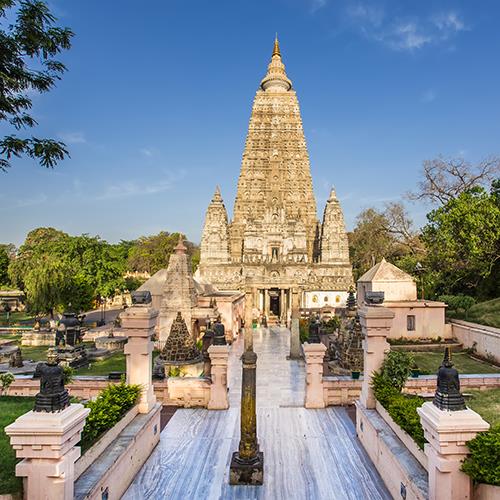
Bodh Gaya, Bihar
Bodh Gaya, located 60-miles from Patna, Bihar, is a pilgrimage site in Gaya District of Bihar. It’s an important religious center for Buddhists as this was the place where Mahatma Buddha attained enlightenment. Many different countries, including Japan and China, have helped the Indian government in building facilities for the Buddhist pilgrims. Currently, the Mahabodhi Temple Complex is made up of tall Mahabodhi Temple, the Vajrasana, sacred Bodhi Tree, and sex other sacred sites of Buddha’s enlightenment, surrounded by numerous ancient Votive stupas. Owing to all these factors, Bodh Gaya is considered to be the holiest pilgrimage spot for the Buddhists.

Sun Temple, Konark, Odisha
Not very far from the famous beach town of Puri, the Sun Temple at Konark is a 13th-century temple situated in Konark, Odisha. Built in the form of a giant rath or chariot of the Sun God, it depicts the chariot being pulled by a set of seven horses, four on the left side and three on the right. It’s also considered to be one of the largest brahmin sanctuaries in India. The temple is originally said to be built at the mouth of river Chandrabhaga but the waterline receded since then. This World Heritage Site in India reflects the grandeur of the traditional style of Kalinga Architecture, which was prevalent then. There is also a dedicated archaeological museum inside the temple complex. The temple transforms into a stage during The Konark Dance Festival, which is held every year usually in February and attracts a lot of foreign and Indian tourists dedicated to devotees of the Sun God.
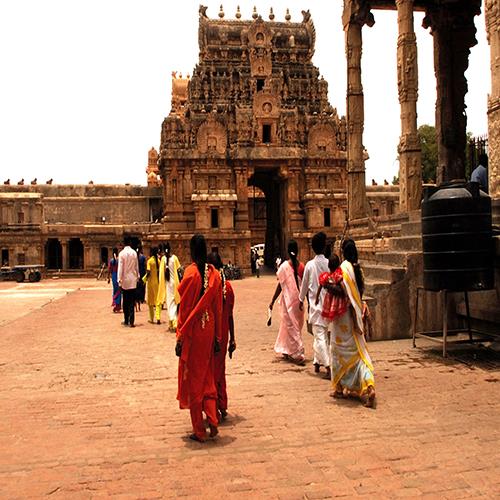
Chola Temples, Tamil Nadu
These temples were built in Southern Part of India during the rule of Chola empire. The Brihadisvara Temple, the Temple at Gangaikonda Cholapuram and the Airavatesvara Temple are the most important of all of these temples. The Brihadisvara temple was built under the reign of Rajaraja 1 and is a milestone when it comes to Chola architecture. The temple at Gangaikondacholapuram was patronized by Rajendra 1 and was dedicated to Lord Shiva. And the Airavatesvara temple was built during the time of Rajaraja II and is aesthetically different from the other two. These temples stand testimony to the architectural splendor and beauty of Chola art, architecture and sculpture. These temples are living temples and the rituals and festivities which were observed by people thousands of years ago, are still held. Hence, these three temples reflect the ancient culture and heritage of the Tamilians and form an inseparable part of their ancient history.
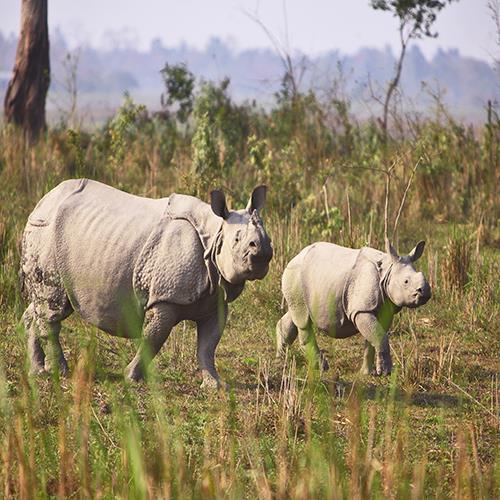
Kaziranga Wild Life Sanctuary, Assam
Famous for having the largest population of the one-horned rhino on earth, Kaziranga National Park is one of India’s national treasures in terms of flora and fauna. Located in the state of Assam in North-Eastern India, its total area is shared by the districts of Nagaon, Golaghat and Karbi Anglong placing it roughly at the center of the state. It is said that this World Heritage Site in India, was a project initiated by Lord Curzon when his wife failed to see a single Rhinoceros in the region and urged her husband to take measures regarding the protection of these endangered species. This park lies on the floodplains of the river Brahmaputra and consists mainly of dense grasslands, forests and also has several streams and lakes running through it. Kaziranga contains about 15 endangered Indian faunal species, of which the Rhino is the most endangered. Other mammals include capped langur, hoolock gibbon, tiger, leopard, sloth bear, Ganges dolphin, otter, wild boar, water buffalo, gaur, sambar, swamp deer, hog deer and Indian muntjac.
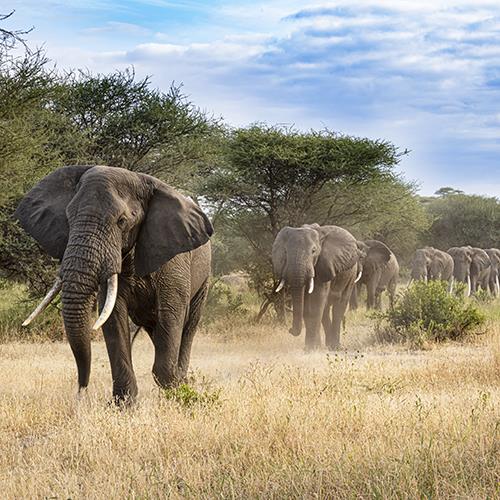
Manas Wild Life Sanctuary, Assam
Manas Wildlife Sanctuary is a protected wildlife reserve and one of the UNESCO World Heritage sites in India. It’s located in the North-Eastern Indian state of Assam. The name originated from River Manas which is derived from the name of Goddess Manasa. The lush green forested hills and dense vegetation of the surrounding areas provide a comfortable environment to the several endangered species of animals who reside here. The Wild Life Sanctuary is a Project Tiger Reserve, Elephant Reserve, Biosphere Reserve and a home for a number of endangered species like Assam Roofed Turtle, Hispid Hare, Golden Langur and Pygmy Hog. In fact, this park houses more endangered species than any other in India.
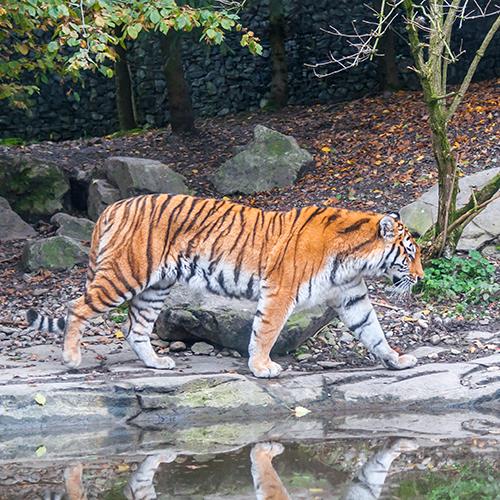
Sundarbans National Park, West Bengal
Located in the Indian state of West Bengal, the Sundarbans National Park is famous for the Royal Bengal Tigers. It is situated on the Sundarban Deltas formed by the river Ganges in the Bay of Bengal. It is one of the largest reserves in India covered mostly by dense Mangrove forests, the largest mangrove forest reserve. The park is home to several critically endangered Royal Bengal Tiger, along with other animal species such as the Gangetic dolphin, spotted deer, wild boar and other mammal and amphibian species. The rare saltwater crocodile is another animal that calls this reserve home. The tiger population of India is the maximum in this location. For all these reasons this is one of the most important Indian heritage sites.

Fatehpur Sikri, Uttar Pradesh
The name of the city itself denotes the victory (Fateh) of Akhbar over Chittor and Ranthambore. Built during the second half of the 16th century by the Emperor Akbar, Fetehpur Sikri was the capital of the Mughal Empire for only some 10 years. The complex of monuments and temples, all in a uniform architectural style, includes one of the largest mosques in India, the Jama Masjid. The city is about three miles long and one mile wide and was built with red Sikri sandstone. It is an architectural blend of Islamic and Hindu styles. The sandstone throughout the city has magnificent ornamental carvings and interlaced decorative designs.
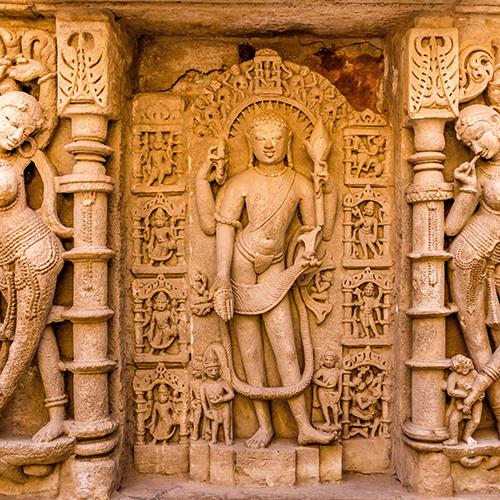
Rani Ki Vav, Patan, Gujarat
Rani Ki Vav or 'Queen's Stepwell' is a distinctive form of water storage system located in the small town of Gujarat called Patan, on the banks of River Saraswati. Built in the 3rd millennium BC in the memory of the king, it is a distinct example of stunning Ancient Indian architecture. Believed to be the grandest stepwell in the state of Gujarat, Rani ka Vav epitomises the peak of Maru-Gujarat architectural style. The 900-year-old structure listed as a UNESCO World Heritage Site is displayed prominently in the new ? 100 currency note issued by the Reserve Bank of India. Apart from being a place for storage of water, this vav also has a spiritual meaning attested to it. It is designed as an inverted temple and is divided into seven levels of wells, each having its own importance as per the religious and mythological works mentioned in the canonical literature.
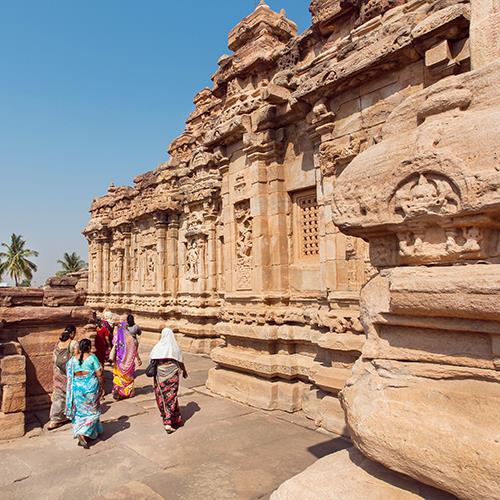
Group of Monuments at Pattadakal, Karnataka
Pattadakal is a UNESCO World Heritage Site and a major tourist site located in Karnataka. It is well known for its Chalukya style of architecture that originated in Aihole and combined with the Nagara and Dravidian styles of architecture. It is at Pattadakal that all the Chalukya kings were crowned and was the capital of the Chalukyas as well. Highlights at Pattadakal are the numerous temples constructed by the Chalukya rulers, it includes eight temples dedicated to Lord Shiva and Jain and Shaivite sanctuaries. The famous monuments include, Virupaksha Temple, Sangameshwara Temple, Chandrashekhara Temple, MallikarjuTemple, Kashi Vishwanath Temple, Jagannath Temple, Jain Temple and several more.
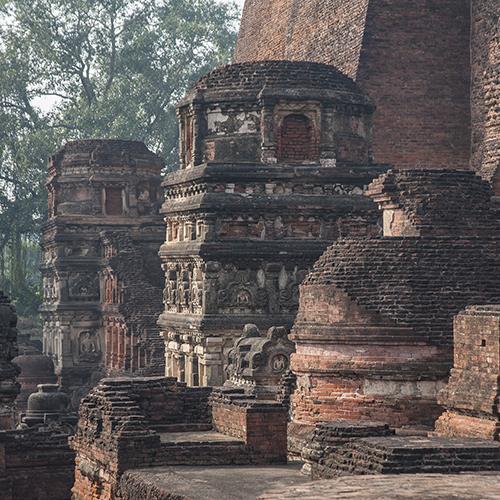
Nalanda Mahavihara (Nalanda University), Bihar
Nalanda Archaeological Site in Bihar was a center of learning and a Buddhist monastery from 3rd century BCE to the 13th century CE. You can explore the remains of stupas, shrines, and viharas around the campus, which is a manifestation of a famous era. Nalanda vouched for the evolution of Buddhism as a religion and remained a hub of knowledge for 800 years. Known for its formalized Vedic learning, scholars from as far as Tibet, China, Korea, and Central Asia once attended the first residential university of the World. This is the second world heritage site recognized by UNESCO in Bihar itself, making it even more prominent for visitors to see.
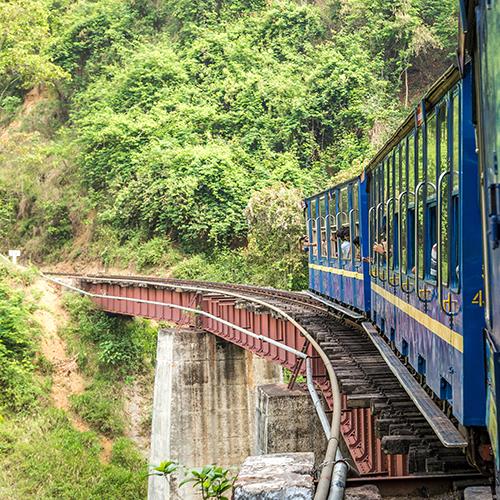
Mountain Railways of India
Made up of the Darjeeling Himalayan Railway, the Nilgiri Mountain Railway and the Kalka-Shimla Railway, the mountain railways of India are a part of the World Heritage Sites in India. North Bengal is one of the most beautiful scenic places on Earth. Built during the 19th and early 20th century, these engineering wonders were a bold and innovative solution to the problem of connectivity in the rugged mountains and a gem in the heritage of India. Along these train routes you will pass through the most picturesque terrain.
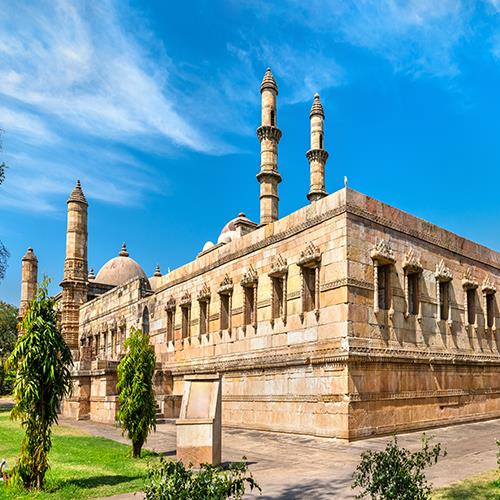
Champaner-Pavagadh Archaeological Park, Gujarat
The Capital of the Sultanate of Gujarat, the Champaner-Pavagadh Archaeological Park is a UNESCO World Heritage Site, located in the Panchmahal district of the Indian state of Gujarat. This fabulous archaeological park is one of the most sought after places in Gujarat. The park holds an abundance of historical and mythological significance, comprising numerous architectural wonders consisting of both Hindu and Islamic styles of design. It includes 11 different types of heritage monuments that are- Mosques, Temples, Tombs, Gateways, Fortresses and walls, Palaces and Pavilion, Helical Wells, Custom house all belonging to the 16th century. Another interesting piece of information about this place is that the hill of Pavagadh is believed to be a chunk of the Himalayas that was originally carried by Hanuman to Lanka in the Ramayana epic.
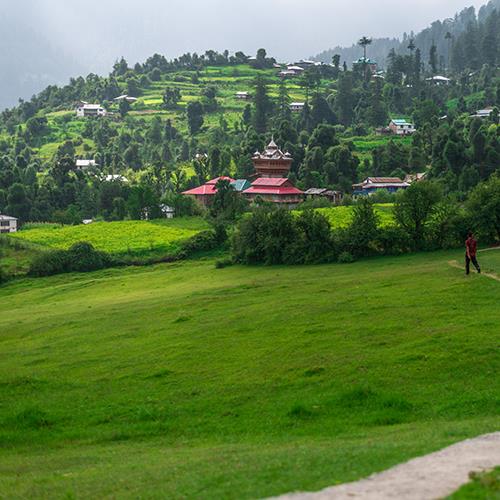
Great Himalayan National Park, Himachal Pradesh
The Great Himalayan National Park, spread over an area of 291 square miles, the is one of India’s National Parks located in the Kullu region of Northern Himachal Pradesh. The park includes the upper mountain snowmelt and glacial water melt origins of several rivers, mainly the tributaries of the river Indus. It is home to over 350 fauna species and numerous floral species, including some rare species of plants and animals that include blue sheep, snow leopard, Himalayan brown bear, Himalayan Tahr, musk deer spruces, horse chestnuts and vast alpine meadows. It is one of the newer additions to the list of World Heritage Sites in India and is a part of the Himalayan Biodiversity Hotspots. Coniferous Forests, Snowy Peaks, and Pristine Glaciers bring glorious colors to its beauty.
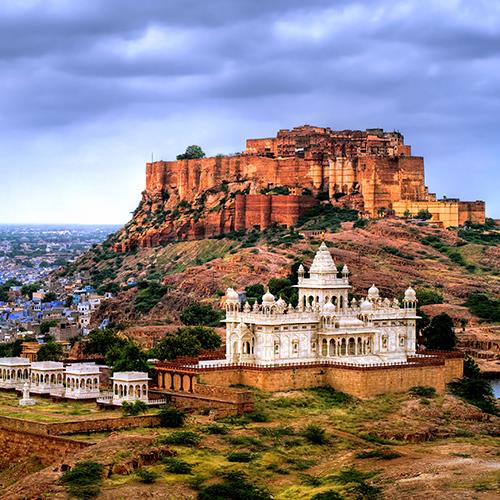
Hill Forts of Rajasthan
One of the newer additions to the list of World Heritage Sites in India, the Hill Forts of Rajasthan is a place famous for its unique Rajput Military DefenseArchitecture. It includes six majestic forts: Chittorgarh, Kumbhalgarh, Ranthambore Fort, Gagron Fort, Amber Fort and Jaisalmer Fort. They’re located on the rocky Aravalli Mountain Range in Rajasthan. The sheer length and expanse of the forts are enough to portray the power and strength of the Rajputana rulers and chieftains. Within the walls of the forts, it was almost as if a mini-city existed. There were several markets, bazaars, palaces, temples, urban and trading centers that once existed here. And this is known because some of them have survived. Also, these forts had unique water storage and harvesting structures, which are actually being used still to this day. It is also known for being the shooting location of the movie, The Dark Knight Rises, and a few films of Satyajit Ray like ‘Shonar Kella’.
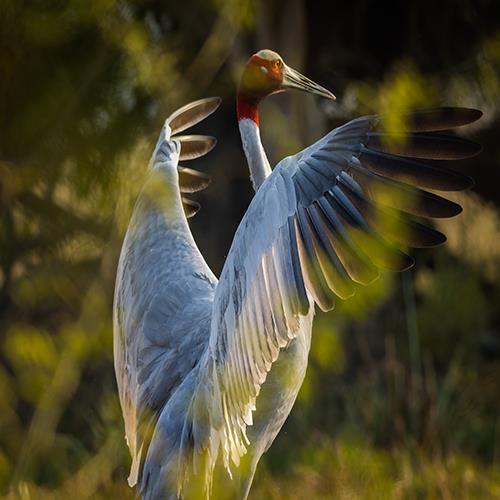
Keoladeo National Park, Bharatpur, Rajasthan
Also known as Bharatpur Bird Sanctuary, Keoladeo National Park is located in the Indian state of Rajasthan. The park is home to about 366 different species of birds, it’s a bird watching paradise! It is also known for being the wintering and nesting ground for several non-indigenous, migratory birds. The 18-mile reserve is a mosaic of dry grasslands, woodlands, woodland swamps, and wetlands. The park is also home to several beautiful flora species, around 50 species of fish, 13 species of snakes, and 5 species of lizards, amongst other invertebrates. You can take a Jeep Ride or Rickshaw Safari to spot exotic birds and a few animals that inhabit the jungle as well.
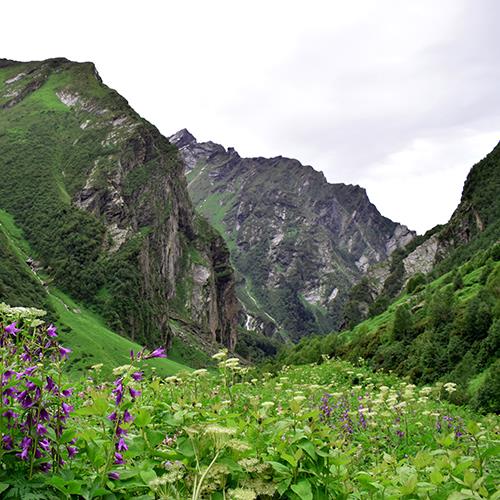
Nanda Devi and Valley of Flowers National Parks, Uttarakhand
The Nanda Devi is the highest mountain peak of Uttarakhand and of India. The National park is famous for the Asiatic black bear, snow leopard, brown bear, blue sheep, and Himalayan Monale. The area dates back from the era of Puranas and Upanishads and was remarked several times in the mythological works of the Hindus. It ranges up to a height of over 20,000 ft. above sea level.
The Valley of Flowers is a National Park near Nanda Devi peak which stretches up to 5 miles in length and 1.2 miles in width. It is famous for the amazing variety of flowers which blanket the entire valley like a bedsheet. This World Heritage Sites in India is home to more than 600 species of Flora and over 520 species of fauna.
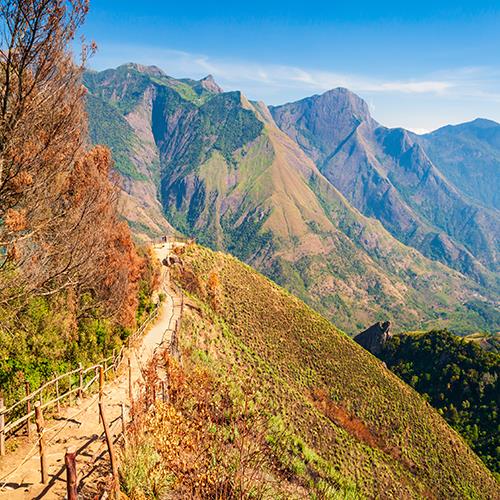
Western Ghats
The Western Ghats or the Sahyadri mountain ranges lies along the western coast of the Indian Peninsula. The Range runs north to south along the west edge of Deccan Plateau. It constitutes several national parks, reserve forests and wildlife sanctuaries in Kerala, Karnataka, Tamil Nadu and Maharashtra. The hills cover 6,177 square miles area with a length of 994 miles, a width of 62 miles and height of 3,937 feet. It has exceptionally high biodiversity and ranks among the top 8 in World’s Biological Hot Spot Locations. The forests along the Western Ghats are home to about 325 species of flora and fauna, which included endangered, rare and critically endangered species of plants and animals.
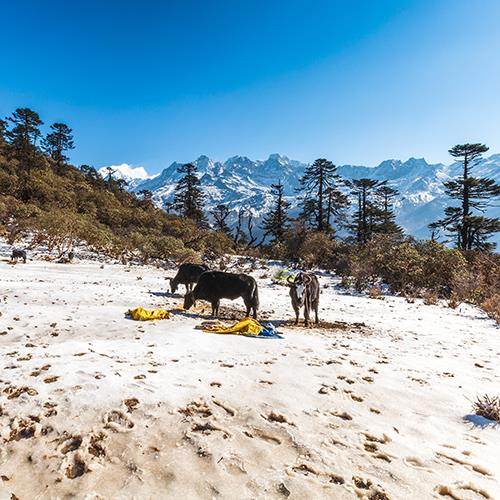
Kanchenjunga National Park, Sikkim
Named after the third highest mountain peak in the world and located in the Himalayan Ranges part of North and West Sikkim districts of the beautiful state of Sikkim in India’s North-East region, Khangchendzonga National Park has been declared a world heritage site in 2016. Also known as Kanchenjunga Biosphere Reserve, it is a rare high altitude national park and the first “Mixed-Heritage” site of the country. At an elevation of 28,169 ft, it is the third highest peak in the world. The park is famous for its beautiful fauna and flora, with snow leopard being occasionally sighted. This park is a paradise for trekking with a diverse landscape and picturesque views.
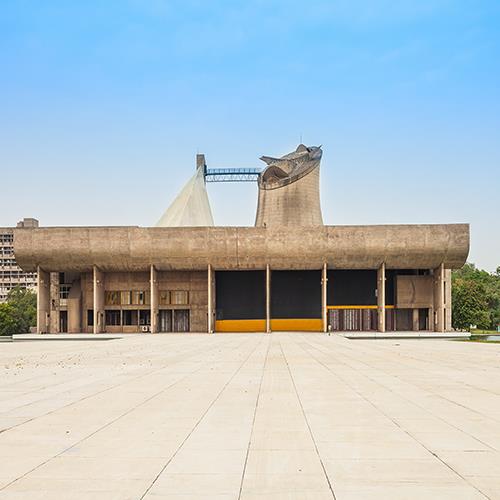
Capitol Complex, Chandigarh
Located in the city of Chandigarh, the Capitol Complex is a government compound designed by the architect Le Corbusier and was recognized as a World Heritage site as part of an outstanding contribution to the Modern Movement. It is spread over an area of around 100 acres and is made up of three buildings: the Palace of Assembly, Secretariat Building, and the High Court. The Capitol Complex also hosts the legislative assembly for both the states of Haryana and Punjab, High Court and the Secretariat. The complex was developed as the capital of Punjab in 1950 after the partition of India.
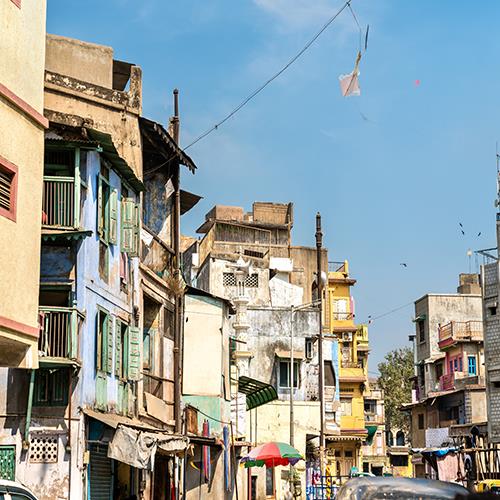
The Historic City of Ahmedabad
The first city of India to enter the UNESCO list, Ahmedabad is made up of densely-packed traditional houses (pols) in gated traditional streets (puras) with features such as public wells, bird feeders, and religious institutions. The city flourished as the capital of the State of Gujarat for six centuries, up to the present day. Ahmedabad is a walled city on the banks of Sabarmati where communities following Hinduism, Islam and Jainism have co-existed for centuries.
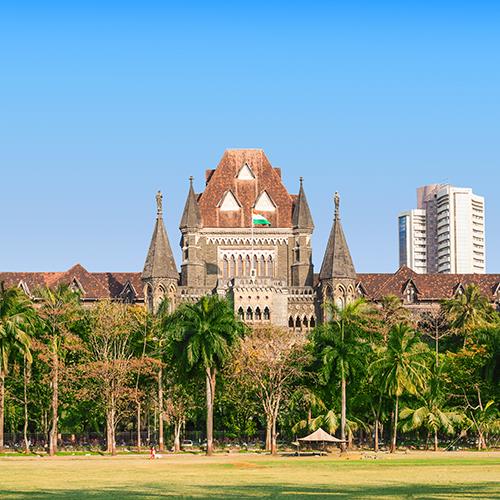
The Victorian and Art Deco Ensemble of Mumbai
Added to the list of Heritage Sites in June 2018, The Victorian and Art Deco Ensemble of Mumbai is a collection of 19th century Victorian neo-Gothic public buildings and 20th century Art Deco in Mumbai buildings in the Fort precinct, Mumbai. The collection of the Victorian Gothic buildings and Art Deco buildings are set around the Oval Maidan, previously known as Esplanade. The Fort Campus of the University of Mumbai and the Old Secretariat Building among others. A famous landmark in the city of Dreams - the Rajabai Clock Tower, is also part of the Victorian side of the Ensemble, along with Watson’s Hotel, David Sassoon Library and the Elphinstone College. The 20th century Art Deco buildings flank the western stretch of the Oval and consist mainly of privately owned residential buildings and the Eros Cinema among others.
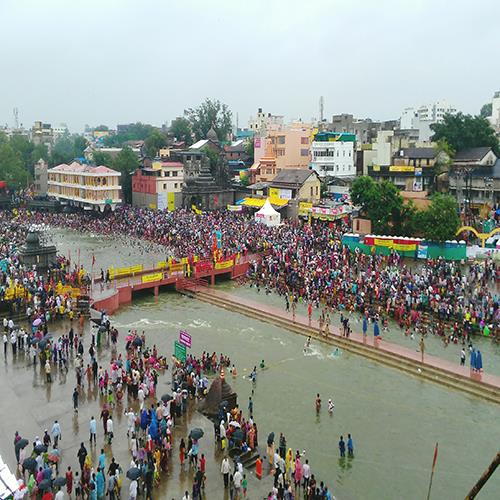
Kumbh Mela
Kumbh Mela is the largest religious festival in India and got the status of UNESCO (2017) Intangible Cultural Heritage of Humanity. Kumbh Mela is celebrated once in three years in Haridwar, Ujjain, Prayag (Allahabad) and Nasik in a rotation. Kumbh Mela returns to a place after 12 years. It witnesses millions of devotees and spectators making it one of the living Indian heritage sites.