


Destinations
❮Main Menu
UNESCO WORLD HERITAGE SITES IN ECUADOR
The City of Quito
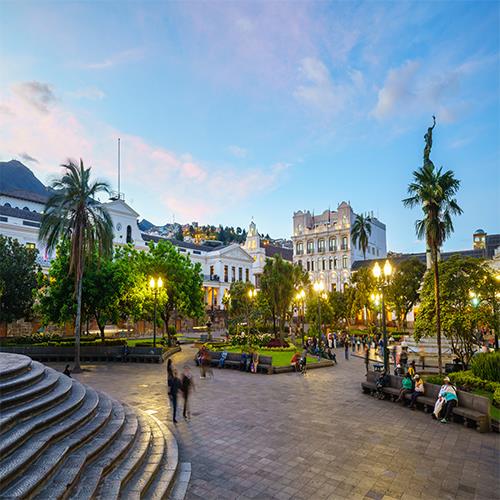
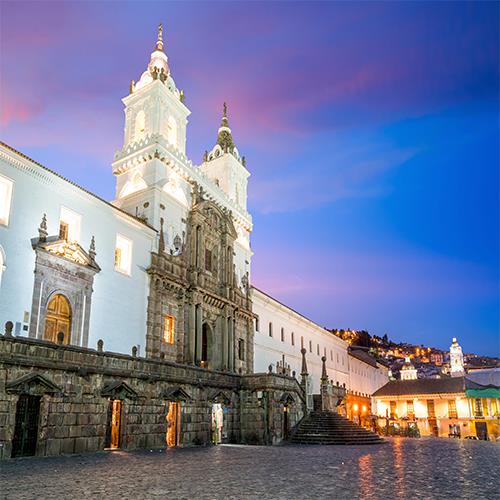
The soaring city of Quito is nestled atop the magnificent Andes Mountains at 9,350 feet above sea level. The isolated capital city was founded in 1534 by the Spanish and possesses one of the most extensive and well preserved historic centers of Latin America. The city displays remarkable Baroque architecture which combines the indigenous culture with Spanish traditions. There is a harmonious blend of humans and nature in Quito which earned it a spot on the UNESCO World Heritage Site list in 1978. Visit citadels such as San Francisco, La Merced, San Augustin, La Compania, and San Domingo decorate the city as well as other historical buildings that are all well conserved and all reside in the colonial center of the city.
Quito stretches for 36 miles along the slopes of the Pichincha volcano and was built on the ruins of an Inca city. The city is a living museum with 1.9 million inhabitants encompassing 1 million acres in the spectacular Andes Mountains. Quito was teh first ever to be declared a UNESCO World Heritage Site, with its geographical beauty, 18th-century architecture, priceless Colonial treasures, and its living traditions and culture. The city has been named the American Capital of Culture and city planners have dedicated themselves to making it Quite more inviting by investing $500 million in improvements. It is one of the prime travel destinations in South America.
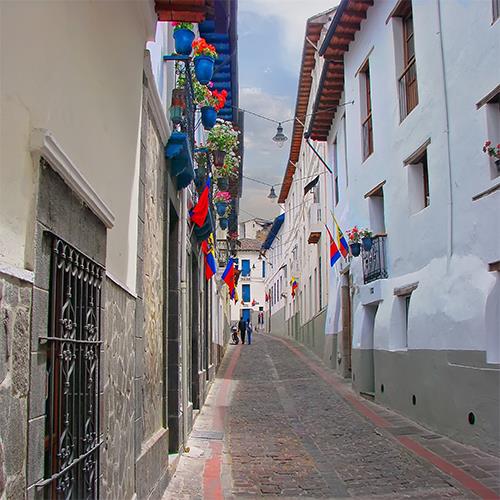
In Quito’s Old Town the neighborhoods are bursting with color, magic, legends, and traditions and decorated with quaint shops, food options, and artisans. The ancient cobblestone streets lead to all kinds of attractions including 16 convents and monasteries, 40 churches, and stunning architecture backed by the mountains.
We visited tiny shops, food purveyors, and artisans that we’d never have seen but for him. We walked the ancient cobblestone streets with people in colorful native dress, all the while being bathed in a most delicious scent that permeated all. The fragrance was familiar yet exotically different. The Otavalo Indigenous Market is a deep-rooted craft fair and is considered to be the largest indigenous market in the Americas and a great vibrant place to walk around and pick up unique items.
The Galapagos Islands
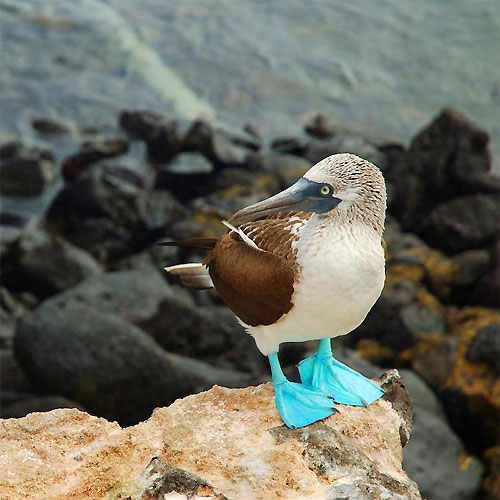
The Galapagos Islands are located in the Pacific Ocean almost 621 miles away from the coast of Ecuador, famous for its rich biodiversity and home to many native animals and the largest array of wildlife and flora species. The islands feature one of the richest marine ecosystems globally that were formed through the ongoing seismic and volcano activities which led to the development of unusual plants and animal life. Around 97% of the island consists of a national park and was declared a UNESCO World Heritage Site in 1978. The archipelago is formed by 15 main islands, 3 smaller islands, and 107 islets and rocks.
The Galapagos Marine reserve here is the largest in the world and home to diverse underwater wildlife including whales, dolphins, sharks, sea lions, rays, fur seals, cormorants, marine iguanas, sea turtles, penguins, and a myriad of tropical fish. There are vibrant corals, underwater volcanoes, seamounts, underwater cliffs, and lagoons, along with diving opportunities in the waters surrounding the islands. There are three tectonic plates-Nazca, Cocos, and Pacific which meet at the Ocean base and provide a site for great geological interest. Other wildlife includes penguins, giant tortoises, flightless cormorants, and the historical Darwin’s finches. There are over 500 vascular plant species and other native flora on the islands.
Santa Ana de los Rios de Cuenca’s Historic Center
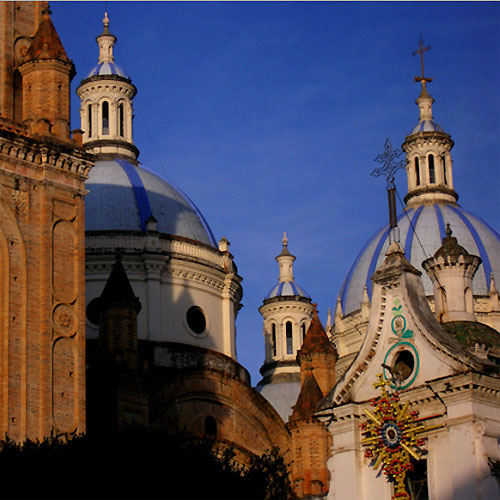
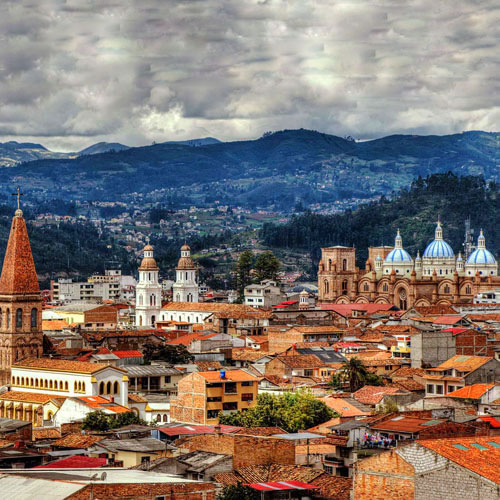
Santa Ana de los Rios de Cuenca’s Historic Center was declared a cultural UNESCO World Heritage Site in 1999. Located in the province of Azuay in a valley surrounded by the Andes Mountains in the highlands of Ecuador at 8,400 feet above sea level. An inland colonial town founded in 1557 that has retained its orthogonal town plan since that time, and was the third city founded in the country. The town is considered a melting pot for locals and immigrants who live here as it is considered an administrative and agricultural center in the province. The town is irrigated by four rivers; Machangara, Yanuncay, Tomebamba, and Tarqui. The historical center of town corresponds to how the colonial towns were meant to be designed and include a system of squares, atriums, churches, and three powers of society. Many of these landmarks are located around the Park Abdon Calderon, the main square in town.
The architecture of Cuenca was modernized during the 19th century as the city became a major exporter of quinine, straw hats, and other products. The Spanish town and several landmarks including the famous Santa Ana de Los Rios de Cuenca historic center are UNESCO World Heritage Sites. The urban fabric of the Historic Center of Santa Ana de Los Rios de Cuenca comprises a system of parks, and other public places where two cathedrals stand opposite each other in the heart of town. The wide streets are lined with simple colonial houses. The New Cathedral where construction began in 1885, the Old Cathedral, the Carmelite Monastery, and the Santo Domingo Church are worth mentioning.

The Qhapag Nan Andean Road system
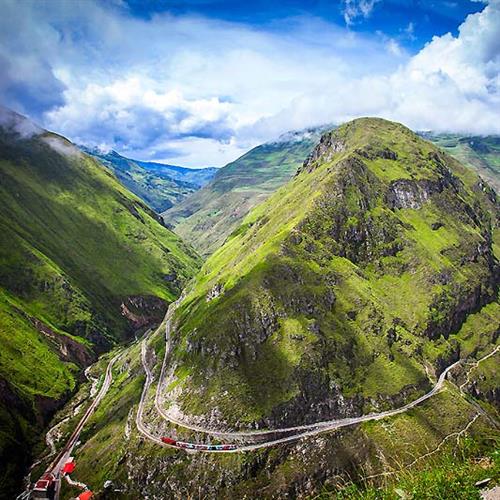
The Qhapag Nan Andean Road system stretches for 18,641 miles linking important cities like Cusco, Quito, and Tucuman, as well as the snow-capped peaks of the Andes Mountains reaching an altitude of 19,685 feet above sea level. The extensive road system played an important role in the Inca’s culture as a communication, trade, and defense road network system. It was constructed by the Incas over several centuries, an extraordinary network of roads through one of the most extreme geographical terrains in the entire world. The roads will take you along the coast, running through tropical rainforests, fertile valleys, and absolute deserts. The Road system includes 173 component sites and 308 archeological sites that were selected to highlight the social, political, architectural, and engineering achievements.
In the Quechua language, Qhapag Nan translates to The King’s Road or the Road of the Inca. The Inca trail was built with stone and earth that varied from region to region and in 2014 was declared a UNESCO World Heritage Cultural Site. The road stretches from modern-day Chile and Argentina up to Colombia. The main roads all branch from Cusco and lead directly to some of the most culturally significant sites including Machu Picchu and Lake Titicaca. The Spanish used the road system when they arrived during the 16th century and travelers today come from all over the world to walk the famous cobblestone paths, stone staircases, and rope brides. The Inca Trail is one of the most famous sections of the road network, with a four-day route that takes you to Machu Picchu. The Salkantay Trek takes you along Inca Trails to Machu Picchu.
1995

The Sangay National Park
The Sangay National Park is one of two natural sites that are included on the UNESCO World Heritage Site list in Ecuador, it was listed in 1983. Located in the provinces of Chimborazo, Tungurahua, and Morongo Santiago, the park displays a variety of ecosystems that range from tropical rainforests to glaciers, to plains and snow-capped peaks with two active volcanoes and indigenous species of flora and fauna. The parks isolation has helped in preserving the indigenous species that lived on-premises, there are more than 3,000 species o plant life such as alpine, wet forests, and montane zones that provide food to the broad variety of fauna like the Andean fox, mountain tapir, giant otter, ocelot, brocket deer pudu and other unusual species. Over 450 bird species can be found in the park including the giant hummingbird, little WordStar, condor, king vulture, and the red-faced parrot.