


A Sampling of Local Specialties and Traditional Dishes in Tunisia

Couscous
Famous the world over, couscous is a staple in Tunisian meals and is considered the country's most famous meal. It is known for being originally a Berber dish that first appeared in the countries of Maghreb. It then quickly became one of the most versatile and consumed dishes in North Africa, eaten by natives multiple times a week.
Couscous consists of grains of different sizes that could be fine, medium, or large. It is typically prepared with lamb chops, chickpeas, tomato sauce, and spices. Lamb is sometimes replaced with chicken or beef. Cooking Couscous symbolizes abundance and happiness in the North African traditions.
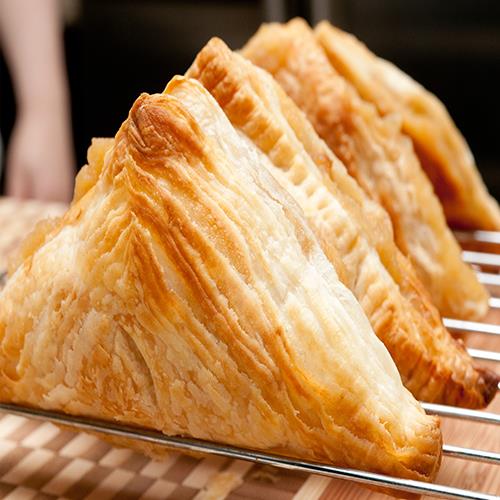
Borek / Brik - Stuffed Turnover
Borek, or Brik, is served as an appetizer with a variety of main meals. It is made of thin dough that becomes crispy once fried or baked. It is then stuffed with a range of simple and affordable ingredients such as parsley, dice onion, cheese, tuna, mince meat, and eggs, among many other fillings. It is commonly eaten for breakfast, but also can be eaten at lunch or dinner. Some restaurants will serve borek as a snack with lemon juice.
Borek’s origins can be traced back to ancient Greece. Today, it is a large part of the country’s culture, and something that you will see served on many breakfast menus.

Tajine - Tunisian Frittata
One of the most popular Tunisian foods, Tajine or Tunisian Frittata, is an egg base typically cooked with parsley, onion, cheese, turmeric, harissa, olives, and meats. It is served either as a side dish or as a main meal. The main difference in the Tunisian tajine is the use of spices, which bring a dense, savory base elevating this dish to a new level of flavor.
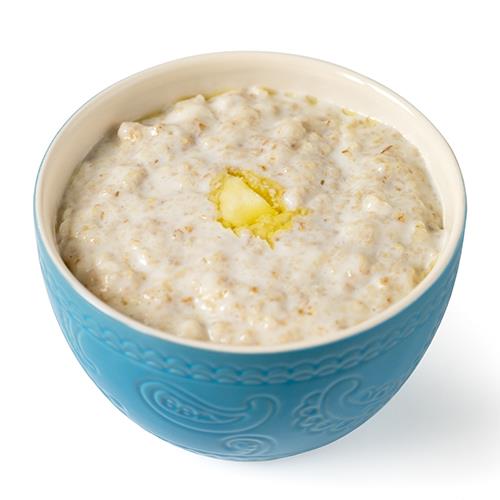
White Porridge (Asida)
Another popular recipe of Tunisia is the white porridge (also known as Asida), served as both a breakfast and a dessert. It mainly consists of a little olive oil or butter, mixed with wheat or all-purpose flour. Despite the simplicity of its ingredients, preparing the porridge or Asida can be challenging. It requires a specific cooking method to be perfectly cooked. The dish is typically served with honey and olive oil drizzled over the top to add an extra layer of flavor.
In Tunisian tradition, Asida has been eaten by hand. It is usually prepared and served for religious celebrations, or official holidays in Tunisia, such as Eid al-Fitr or Ashura.
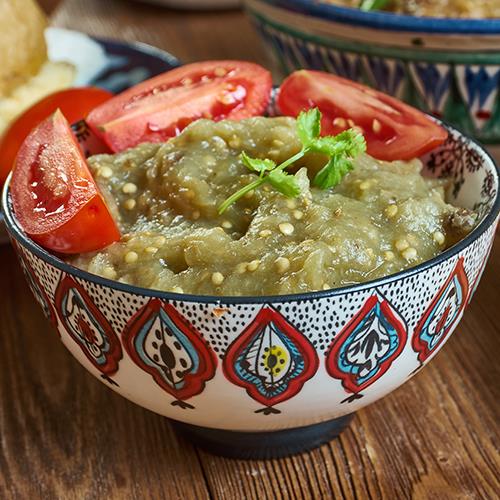
Salata Meshwya - Grilled Vegetable Salad
Salata Meshwya is a fresh and flavorful salad that consists of grilled vegetables such as green peppers, zucchini, and tomatoes. It is one of the most popular Tunisian dishes during the summer months.
The salad is made by mashing grilled vegetables together with various spices, including Ras el Hanout, a popular North African spice blend of cumin, ginger, cinnamon, and several other spices. Salt, pepper, lemon, and other ground spices are added, to create a fresh, colorful, and rich salad that explodes with heat and spice.
Grilled green pepper salad is usually served as a side dish with grilled chicken, fish, or meat. Some Tunisians serve it with tuna or boiled eggs. For a more intense flavor, many cooks prefer to grill the vegetables over hot coals. This way, the salad adapts more of a smoky flavor.

Bsisa - Paste of Ground Roasted Cereals and Spices
Bsisa is an ancient dish, and one of the oldest foods in Tunisia. It originates back to Roman, Carthaginian, and Byzantine times. This hearty Tunisian dish consists of various roasted cereals, commonly roasted barley, ground with cumin, sugar, and seeds like aniseed and fenugreek.
Through the ages, Bsisa was commonly carried and eaten by travelers who had to walk through the arid desert for days or weeks on end, knowing that food would be almost impossible to find. Because Bsisa is rich in nutrients and very light to carry, it makes for the perfect food to travel with.
Today, Bsisa is still eaten by people from all parts of Tunisia. However, various ingredients are added to the paste to enhance the flavor. Bsisa is typically served with crushed nuts, olive oil, dried fruits, and many other ingredients. It can also be served as a drink when combined with water or milk, creating a powerful protein drink called Bsisa Mdardra.

Tabouna Bread – Traditional Tunisian Bread
The tabouna bread is a very popular Tunisian food baked along the walls of a traditional clay oven. The bread takes about five hours to prepare, however, due to its delicious taste, it is well worth the wait. It is made of wheat flour, semolina, salt, and a little olive oil. Tabouna is served with olive oil and honey when hot, and it can be served with different main dishes that are eaten with bread.
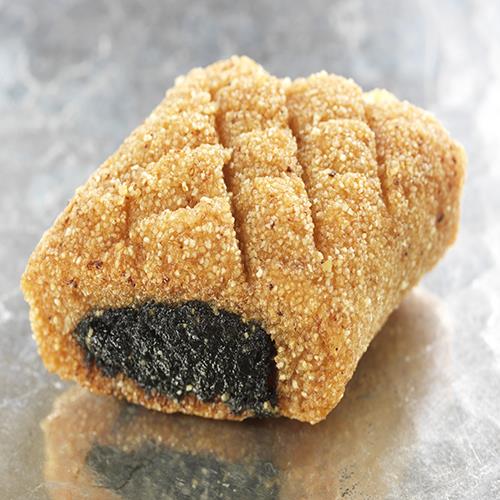
Sweets
The culinary influence of both the Turks and the French in Tunisia is most evident in the sweets produced in Tunisia today. Eat your heart out on Turkish Delights (loukoum, locally) and Acibedem (almond cookies), the French Choux Pastry (pastry with a generous quantity of chocolate syrup up top) and Entremets along with the indigenous goodies, Oudnin al-Khaddi (cakes made from different nuts and filled with honey) and Zriri Tunisienne (a basic conglomeration of different types of nuts and dry fruits), among several others. Dates make up a large chunk of the sweets made locally in Tunisia and are often an after meal snack along with mint tea.

Osban - Meat and Spices Sausage
Considered a delicacy of Tunisian culture, Osban is a savory dish only found in Tunisia. It is stuffed sausage filled with finely chopped liver, heart, ground meat, parsley, onion, garlic, rice, and spices. Once stuffed, the sausage is sewn together with a needle and thread. It is either steamed or cooked in juices and sauces.
This Tunisian sausage is nearly always served over a bed of couscous. It is hearty, dense, and meaty. Tunisians prepare this dish mainly for Eid al-Adha, a holy tradition that dates back centuries.
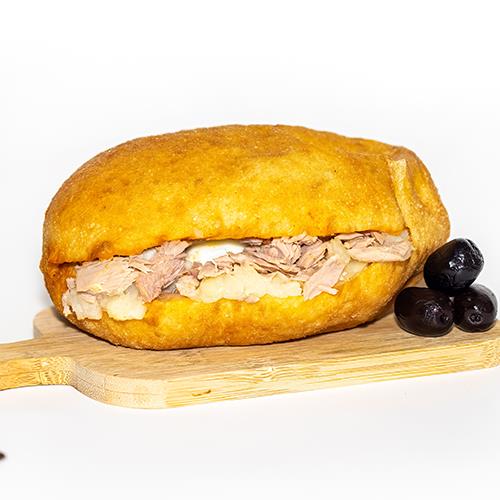
Fricassee - Sandwiches
Fricassee is one of the most popular snack foods in Tunisia that can be found in nearly any fast food restaurant you go to in the country. These hearty small sandwiches are stuffed with boiled, mashed, or chopped fried potatoes, spicy harissa, boiled eggs, olives, and tuna. But the key to these sandwiches is the Frikiasi bread, which is fried in oil and stuffed with delicious ingredients as soon as it has cooled. To finish it off, it is sprinkled with chopped parsley and olives that add the finishing touch to a taste most loved by everyone.
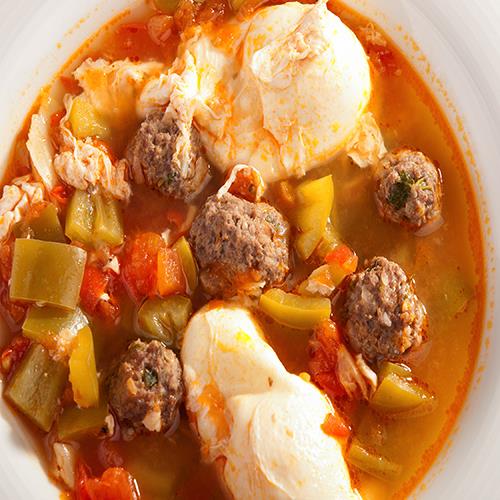
Hlalem - Tunisian Soup
Hlalem is one of the most popular traditional Tunisian dishes. This rich, delicious soup is made with dumpling-like dough pieces, chickpeas combined with beans, onions, parsley, tomato puree, ground red pepper, salt and spinach. Hlalem is a Tunisian dish with a deep and rich history. It is wholesome, flavorsome, and enjoyed by millions throughout the country.