


Destinations
❮Main Menu
UNESCO WORLD HERITAGE SITES IN AUSTRIA
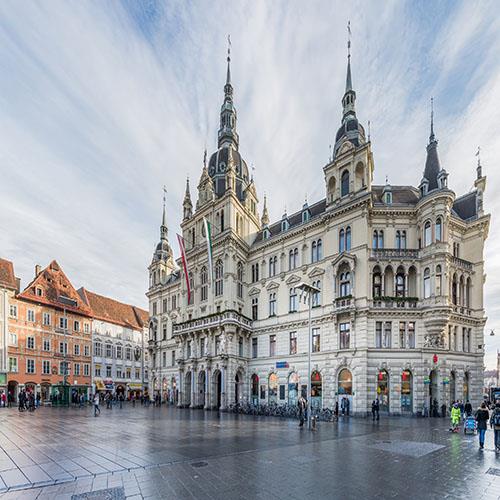
City Of Graz – Historic Centre And Schloss Eggenberg (1999)
Graz and its city center, including Eggenberg Palace standing nearby, have all been inscribed on UNESCO World Heritage List in 1999 as it is a surviving heritage of the European urban complex. The architecture of the city is an exemplary model of the secular presence, and the cultural and artistic role played by the aristocratic families. They are a harmonious blend of the Middle Ages until the 18th century, from the many neighboring regions of Central and Mediterranean Europe.
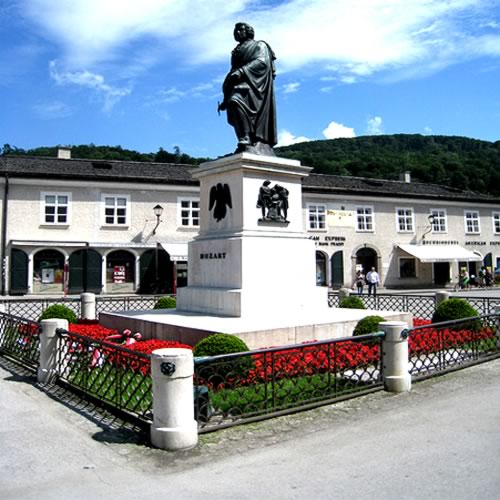
Historic Center Of Salzburg (1996)
The city of Salzburg is best known as the birthplace of 18th-century Austrian composer Wolfgang Amadeus Mozart. The historic core was therefore inscribed into the UNESCO World Heritage Sites in Austria list in 1997 for its cultural value. The city has managed to preserve an exceptionally rich urban fabric, developed over the period from the Middle Ages to the 19th century when it was a city-state ruled by a prince-archbishop. While strolling through the romantic streets of the Old Town you can find monuments in all architectural styles. From the austere Gothic buildings, to Renaissance palaces, to Baroque churches, but also several houses from the period of the monarchy. The most highlighted and most visited monuments are all those associated with the life of composer Wolfgang Amadeus Mozart, who was born here in 1756. You can visit his birth house or the house where the artist lived later, or a church where he was baptized.
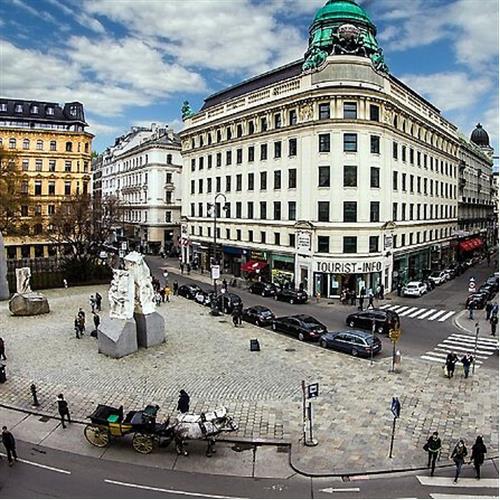
Historic Center Of Vienna (2001)
Similar to Salzburg, the historic old city center of Vienna, the capital of Austria, is also recognized by UNESCO as a World Heritage Site for its cultural importance. In the historic center, you will find architectural ensembles, 19th-century buildings, monuments, parks, Baroque castles, and gardens.
Vienna is a very cosmopolitan metropolis with immigrant communities from around the world. The city is situated on the Danube river and is the largest and most important cultural, political and economic center of the Alpine country. Vienna has gained the status of one of the best cities to live in terms of the quality of life and fights for the first position regularly with other cities such as Zurich, Munich or Auckland.
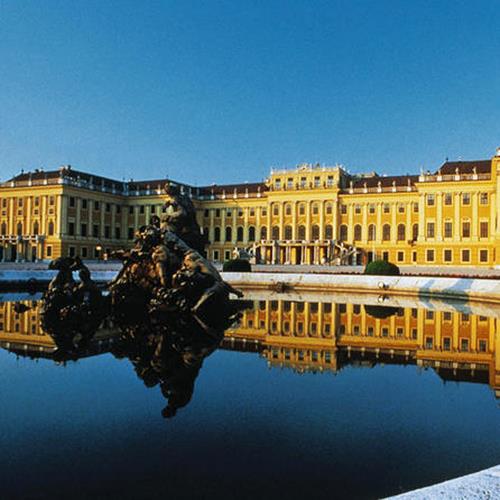
Palace And Gardens Of Schonbrunn (1996)
The Schonbrunn residence and its gardens was the former imperial residence in Vienna. It was designed by the architects Johann Bernhard Fischer von Erlach and Nicolaus Pacassi and is an outstanding example of Baroque architecture. The palace is quite massive with over 1,400 rooms and is an important historical and cultural landmark in Austria. Meanwhile, the palace gardens , the site of the world’s first zoo in 1752, is also an attraction of its own. The vast garden design reflects the changing taste of the monarchs who resided in the palace. The Schonbrunn Palace and its gardens is the most visited attraction in Austria.

Prehistoric Pile Dwellings Around The Alps (2011)
Prehistoric pile dwellings around the Alps are the remains of 111 prehistoric dwellings, which are basically stilt houses, from the period 5000-500 BC. These Neolithic and Bronze Age wooden buildings were built around lakes, rivers and wetlands which actually covers various areas that include other countries including Switzerland, France, Germany, Italy, and Slovenia. Since the settlements were located mostly near wetland, the use of stilt design was a distinctive feature. The houses are exceptionally well-preserved and culturally rich archeological sites, which constitute one of the most important cultural sites as it provides insight into life during prehistoric times in the Alps region.
ADDITIONAL UNESCO WORLD HERITAGE SITES IN AUSTRIA

Fertö / Neusiedler See Cultural Landscape (2001)
One of the places where several cultures met during the centuries is the area around Fertö / Neusiedlersee. Included in the UNESCO World Heritage Site in 2001, this part of the country is great also for its unique nature. The lake is noted for its landscape diversity and impressive natural values. Three quarters of the lake lies in Austria where it is known as Neusiedlersee and one quarter is in Hungary known as Fertö. The lake is filled with rainwater only and is usually quite warm, suitable for swimming. This area is now paradise for cycling enthusiasts as well as for birds which you can find plenty here.

Hallstatt-Dachstein / Salzkammergut Cultural Landscape (1997)
The alpine landscape in this area is a stunning visual. It covers almost 373 miles of the whole Roman Empire’s Danube frontier. Here, you’ll find alpine mountains, higher pastures, narrow valleys, and a salt mining town. This mixture is both a blend of a cultural and natural landscape and reflects the times of prosperity that the town experienced during the peak of its salt production, which goes back to the 2nd millennium BC. This mineral resource was the main reason for the prosperity of the region until the mid-20th century, which is reflected in the stunning architecture of the local towns, especially that of Hallstatt.

Semmering Railway (1998)
Added to the UNESCO World Heritage list in 1998, the Semmering Railway, situated just a few miles south of Vienna, spans from Gloggnitz to Murzzuschlag. This was the first mountain railway constructed in Europe using a standard gauge track. Built over 25 miles of high mountains between 1848 and 1854, it is one of the greatest feats of civil engineering from this pioneering phase of railway building. It runs through a beautiful mountain landscape and there are many fascinating buildings designed for leisure activities along the way, built when the area was opened up due to the advent of the railway. What is most impressive is that this railway is still functional today.
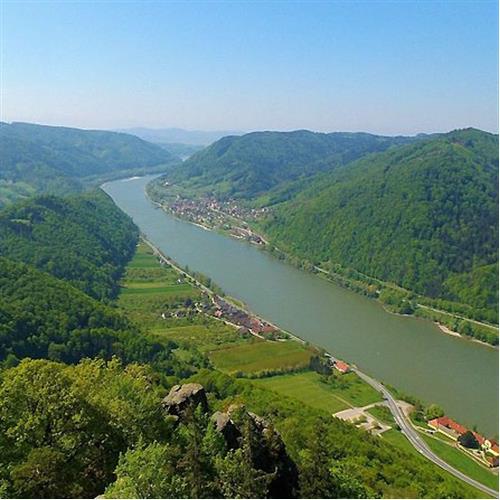
Wachau Cultural Landscape (2000)
The Wachau landscape is a stretch of the Danube Valley between Melk and Krems, inscribed into the UNESCO list in 2000 for its cultural value in terms of architecture and agriculture in the region. Steep terraced slopes covered with vineyards, orchards and woods towering straight from the river bank. This stunning area is made of idyllic wine villages, lying one next to the other.
The Wachau area includes fortified churches and fabulous Renaissance dominions, as well as a replica of Venus of Willendorf, 27,000 year-old fertility symbol. Some of its most highlighted places to visit include Melk Abbey, the largest Benedictine monastery in Europe) and Durnstein village with its baroque church and fortress above.