


Destinations
❮Main Menu
UNESCO WORLD HERITAGE SITES IN AUSTRALIA
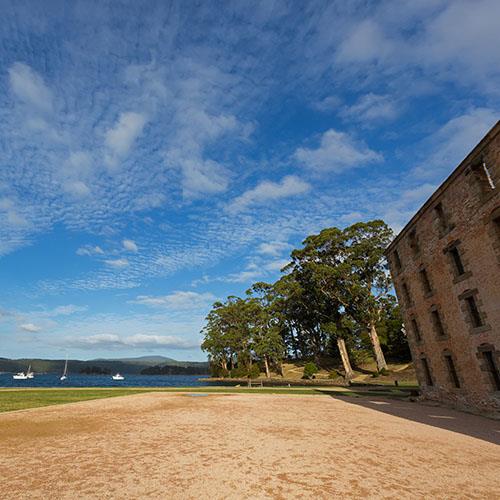
Australian Convict Sites - Sydney - Multiple locations
There are 11 Australian Convict Sites scattered across the continent found in Cockatoo Island, Great North Road, Hyde Park Barracks, Old Government House, Kingston and Arthurs Vale Historic Area, Brickendon and Woolmers Estates, Cascades Female Factory, Coal Mines Historic Site, Darlington Probation Station, Port Arthur, and Fremantle Prison. These sites were used as places for British convicts to be kept, built by the British Fleets in the early colonial period of Australia’s history, 11 were chosen as UNESCO World Heritage Sites in 2010. The First Fleet was sent to Sydney in 1788 and this continued for another 80 years, as well as exemplifying the large-scale transport of prisoners, this was also evidence of Britain’s colonial powers through the use of convicts. Visitors can step back in time at the ruined penal settlements, imposing gaols, barracks, and grand country estates are where Australia’s convicts lived and worked under harsh conditions. Port Arthur is one of the best-preserved convict sites in the country, with Victorian buildings and beautiful views. These sites recognize Australia’s extraordinary history from its penal colonial past to its transformation into a democratic nation.
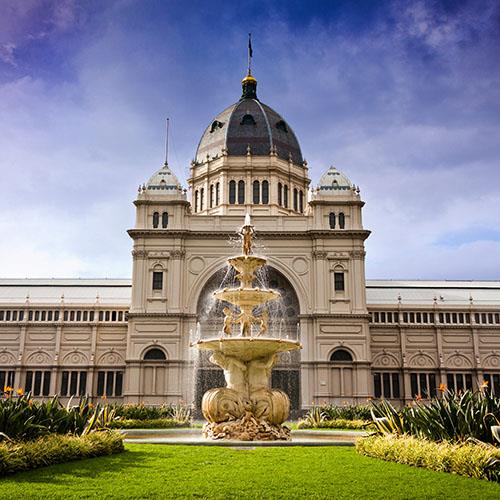
The Royal Exhibition Building and its neighboring Carlton Gardens - Carlton - Melbourne
The Royal Exhibition Building and its neighboring Carlton Gardens are located in the town of Carlton, close to the center of Melbourne. Built to host the World’s Fair in 1880, it is one of the oldest and one of the world’s last exhibition buildings from the 19th century. The building was designed by Joseph Reed and combines several architectural styles using brick, timber, steel, and slate all uniquely composed of Byzantine, Romanesque, Lombardic, and Italian Renaissance styles. Carlton Gardens next to the building are a great example of Victorian-era landscape design, they contain many plant species native to Victoria. The property is characteristic of the international exhibition movement from the era which saw over 50 exhibitions staged between 1851 and 1915 around the world, including Paris, New York, and Vienna. All expositions shared a universal theme and aim to outline the material and moral progress of humanity through demonstrations of the industry from all nations. The completeness of the Royal Exhibition Building is particularly noteworthy, and today is used as a commercial exhibition venue.
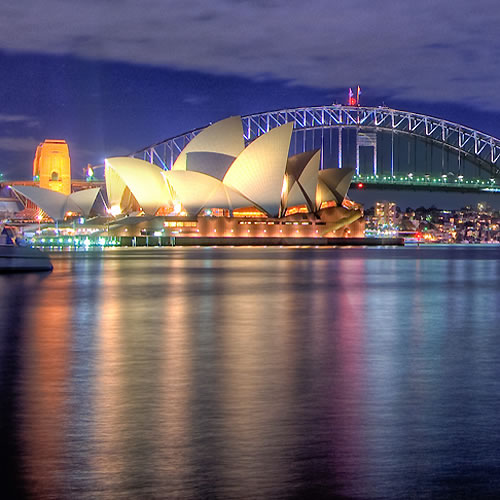
Sydney Opera House
The iconic Sydney Opera House opened in 1973 situated on the Sydney harbor, one of the most recognizable buildings in the entire world, and the youngest cultural site to ever be included on the UNESCO World Heritage list. The Opera House is a masterpiece of modern architecture built with the future in mind, architect Jorn Utzon incorporated sustainable design elements such as a cooling system using seawater from the harbor. A performing arts center with gleaming white sail-shaped shells, specifically for its use of expressionist style that has had a lasting influence on architecture. The Sydney Opera House includes three groups of interlocking vaulted ‘shells’, a feat of engineering deemed impossible at the time it was constructed. The building contains two performance halls and a restaurant, and the structure itself is surrounded by a pedestrian concourse, outdoor bars, and platforms.
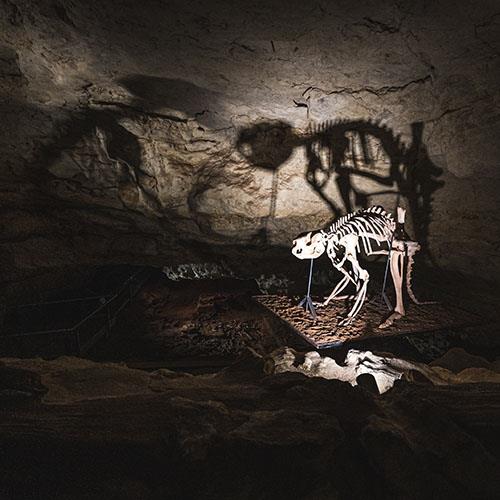
Australian Fossil Mammal Sites in Riversleigh and Naracoorte - Queensland
Australian Fossil Mammal Sites in Riversleigh and Naracoorte are located in remote outback Queensland and rural South Australia where 200,000-year-old fossils of different species of extinct animals can be seen. The animals in Australia used to be huge, think wombats as big as cars, and 440-pound kangaroos and fossil findings that span several ice ages to the arrival of humans, these two sites are among the ten richest fossil deposits in the world. Wonambi Fossil Center is where animals roamed the plains of Naracoorte, take a tour through the working fossil digs where paleontologists work in the lab. Riversleigh is very remote, and fossils here are almost 25 million years old, feature some of the earliest mammalian fossils from the middle Cenozoic such as lizards, fish, birds, crocodiles, and turtles, and provide a fascinating insight into the development of Australia’s unique animals. These sites were listed as UNESCO World Heritage Sites in 1994 for their natural importance in Australia. The Naracoorte Caves were discovered in the 1850s, there are 28 caves with 4 accessible to the public, some of the incredible animals discovered here include marsupial lions like Thylacoleo carnifex, Tasmanian tigers, the giant wombat-like Zygomaturus, and giant kangaroos.
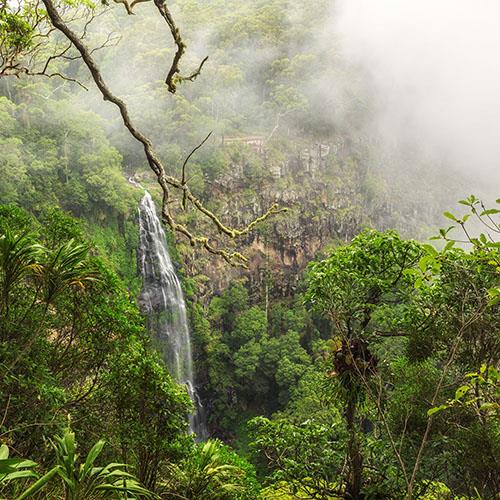
The Gondwana Rainforest of Australia - Between Newcastle in NSW - Brisbane, Queensland
The Gondwana Rainforest of Australia is a collection of verdant rainforests and the largest area of subtropical rainforest in the world. Home to over 200 rare and threatened plant and animal species, and among one of the only places on the planet that remain relatively unchanged since the dinosaurs roamed the earth. It contains all the world’s Antarctic beech school rainforest located between Newcastle in NSW, and Brisbane in Queensland. These sites (40 different locations make up Gondwana Rainforests) were listed as a UNESCO World Heritage Site in 1986 and 1994 for their importance to geology and conservation. The sites stretch along the coast from Newcastle to the Gold Coast and each protected bit of land has plants and animals that have evolved uninterruptedly since Australia was part of the supercontinent Gondwanaland, a couple of hundred million years ago. The most popular locations to visit are Lamington National Park, Barrington Tops National Park, New England National Park, and Dorrigo National Park. The best way to experience these parks is along the hiking tracks, through the trees, over rivers, and to scenic lookout spots that include cascading waterfalls.

The Great Barrier Reef - Cairns
The Great Barrier Reef stretches for 1,430 miles alongside most of the Queensland coast, it is the world’s largest living thing, and one of the most complex natural ecosystems on the planet. There are 3,000 coral reefs, 600 islands, 300 coral cays, and 150 inshore mangrove islands home to 1,625 fish, 600 types of coral, and more than 30 species of whales and dolphins. The reef hosts a very high level of biodiversity and is considered to be the richest areas in the world in terms of animal diversity. It was listed as a UNESCO World Heritage Site in 1981 and is also considered one of the original ‘7 Natural Wonders of the World’. It received UNESCO recognition for its “outstanding universal value” and the largest structure in the world that is visible from outer space. The most popular place to visit the Great Barrier Reef is from Cairns, take a boat to a snorkeling/diving destination from here, there are tour companies that will transport you by boast to the best snorkeling sites, provide you with the gear and lunch as well. There are also options to see the Great Barrier reef from above with helicopter rides, providing passengers with breathtaking beauty and putting the sheer size of the Great Barrier Reef into perspective.
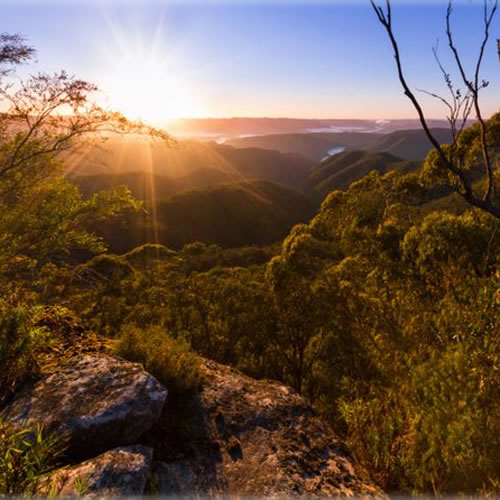
The Greater Blue Mountains - NSW
The Greater Blue Mountains of New South Wales covers over 10,000 square kilometers and takes in eight national parks, an area of sandstone tablelands and gorges, and eucalyptus forest. The area was chosen to be a UNESCO World Heritage Site in 2000 because it contains over 100 different species of eucalyptus in Australia. The area is best known for one particular section that surrounds the upper Blue Mountains towns between Wentworth Falls, and Blackheath. The region is easily accessible by train and is a popular day trip from Sydney. Explore the hiking trails, check out the awe-inspiring lookout points, or head deep into the forest on a multi-day walk. A small tract of the world’s oldest plants, the Wollemi Pine was discovered here in 1994 by a bushwalker. The pine dates to the time of the dinosaurs, and it is added to the 120 other rare plants and 52 rare animals in the area.

Fraser Island (also known as K’gari)
Fraser Island (also known as K’gari) is a one-hour ferry ride from Hervey Bay, Queensland it is the world’s largest sand island, made up of sand that has accumulated over about 750,000 years. The stunning island is brimming with shifting sand dunes, tropical rainforests, and spectacular wildlife. There are over 100 freshwater lakes, and sand dunes that reach up to 850 feet high. The island is known for its stunning natural beauty, Mycorrhizal fungi live in the sand which is the result of natural formation over the past 750,000 years, and because of this, it is the only place in the world where tall rainforest grows on the sand. The Island was listed as a UNESCO World Heritage Site in 1992, the island stretches for 155 miles and is 13 miles at its widest point. Float in the waters of Lake McKenzie, a ‘perched lake’ that is crystal clear and is said to have healing and therapeutic properties, and wade in Eli Creek are where four million liters of freshwater gushes into the creek from the ocean every hour. Central Station is an old logging village where King Ferns, Ghost Gums, and Kauri Pine, and the Pinnacles which are multi-colored soaring cliffs are found.
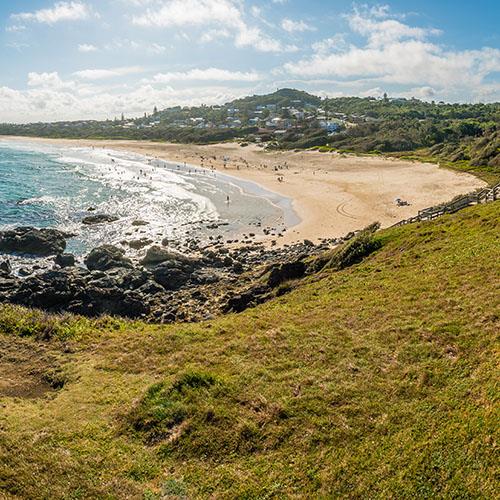
Macquarie Island - Tasmania
Macquarie Island is located in Tasmania, the sole place on earth wherein you will see the mantle exposed above sea level, part of the Macquarie Ridge, with evidence of a seafloor spreading. Listed as a UNESCO World Heritage Site in 1997 for its unique value to geology, it is one of the most isolated UNESCO sites in the entire world. The 21-mile long x 3-mile wide island sits in the Southern Ocean about 932 miles southeast of Tasmania, approximately halfway to the Antarctic continent. The island is the exposed sliver of the submarine Macquarie Ridge, which was forced above the waves 600,000 years ago by the converging forces of the Indo-Australian and Pacific tectonic plates. The island is extremely remote with only sea access, early December to March is the only time to visit. The island contains some excellent examples of pillow basalts and other extrusive rock formations, as well as otherworldly flora and fauna not seen anywhere else in the world. There is an extensive elephant seal colony on the island, 200,000 pairs of king penguins, and about 3 million royal penguins.
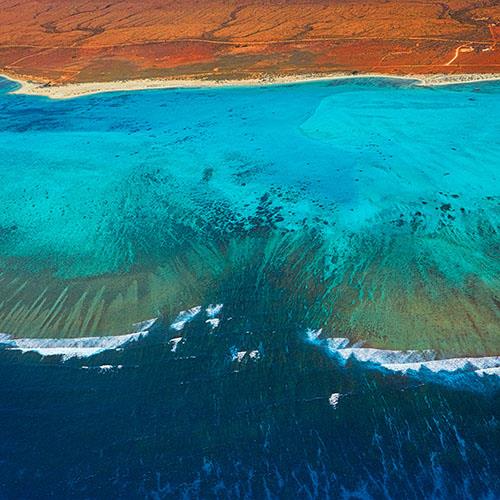
The Ningaloo Coast - Western Australia
The Ningaloo Coast stretches for 161 miles along the coast of Western Australia, between Coral Bay and Exmouth covering approximately 700,000 hectares. The coral reef system here was chosen for its marine biodiversity and includes over 700 species of fish, also home to endangered sea turtles. Whale sharks come here to spawn in the largest known gathering of their species. The reef is also part of the annual migration routes of dolphins, dugongs, manta rays, and humpback whales. The area also includes land such as Cape Range National Park, Jurabi and Bundegi Coastal Parks, and the Muiron Islands. The Ningaloo Coast was inscribed on the UNESCO World Heritage List in 2011 for three main factors, the first is the striking aesthetic contrast between the arid land and the beauty of the reef. The second is the importance of the area for whale shark breeding, and the marine diversity of the reef is the third criterion. There are over 300 coral species, 700 reef fish species, 155 sponges, and 650 mollusk species. The best time to visit is from mid-March through October, you can swim right out to the reef from the beach.
The Wet Tropics of Queensland - Townsville to Cooktown
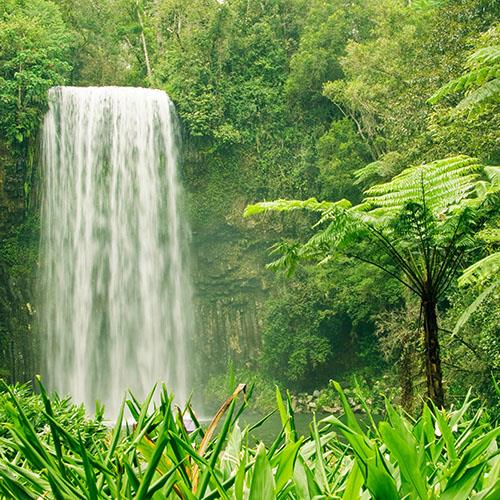
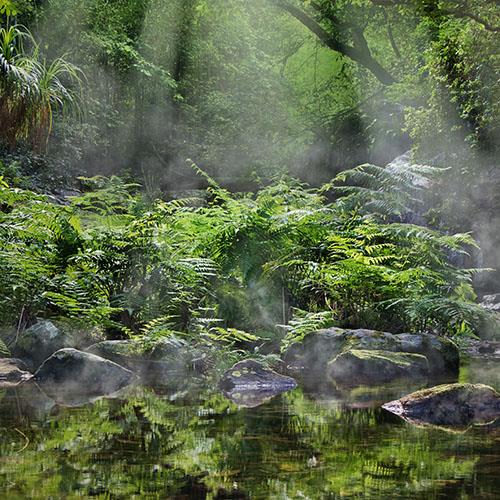
The Wet Tropics of Queensland’s World Heritage Area stretches approximately 3,450 miles from Townsville in the south to Cooktown in the north, the Daintree Rainforest is the oldest rainforest in the world. The tropical rainforest at the Great Dividing Range of Queensland in Australia is a UNESCO World Heritage Site listed in 1988 for its natural value and high level of biodiversity where at least 85 species can be found, there are endangered marsupials can also be found here. There are 663 species of animal, 230 butterfly species, and over 2,800 different types of plants. The campaign to save it from development in the 1980s, known as the Daintree Blockade, led to the protection of all of Queensland’s tropical rainforests. The Wet Tropics meet four out of the ten criteria, including exhibiting exceptional natural beauty and containing one of the most complete and diverse living records of the major stages in the evolution of land plants. The most popular region within the Wet Tropics is arguably between Port Douglas and Cooktown, home to Cape Tribulation, and a host of the most stunning scenic drives in Australia when the Captain Cook Highway hugs teh undulating coastline for 28 miles. The area is described as ‘where the rainforest meets the reef’. The Bloomfield Track is an unforgettable experience with multiple creek crossings, steep climbs, and spectacular views from the top of the rainforest archway, with plenty of opportunities to get stuck in the wet.

Kakadu National Park
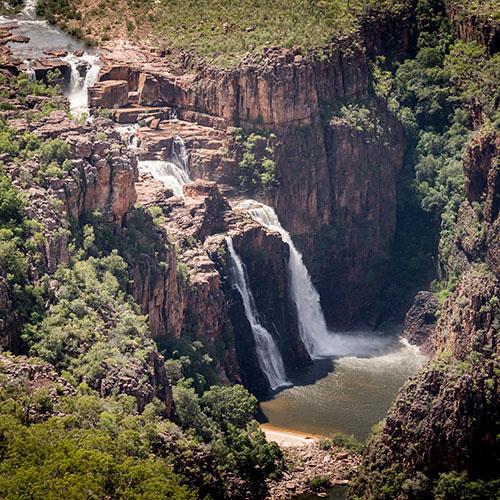
Kakadu National Park is one of the best places in Australia, home to the Bininj/Mungguy people for over 65,000 years, and the oldest living culture. The national park is jointly managed by the area’s traditional Aboriginal owners, many of whom still live and hunt in the park. Kakada National Park is a mixed site inscribed on the UNESCO World Heritage Site in 1981, the wetlands are the most prominent feature of the park, which also makes up for a third of the park’s entire area. Several archaeological sites show evidence of people living in the area for over 40,000 years, there are pictographs recognized as important examples of ancient Aboriginal rock art, dating from over 18,00 years ago. The park is one of the most historical and magical places on the planet, home to the oldest living culture on Earth, surviving over 65,000 years through generations of Aboriginal communities. The park is very remote with a few big resorts and many camping spots and caravan parks in designated areas. There are over 500 well-known rock art sites, and thousands scattered throughout the vast expanse of the national park. Some of the open sites in the park include Ubirr Rock, and Nourlangie Rock viewpoint, which are stunning lookouts for sunrise and sunset both with extensive rock art nearby. The park features a number of waterfalls such as the rock pools of Gunlom Falls.
The Tasmanian Wilderness - Tasmania
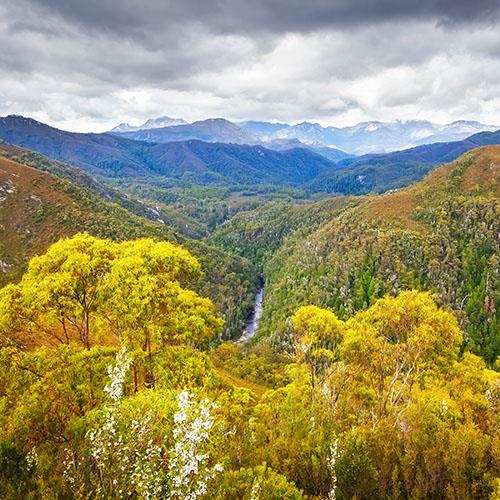
The Tasmanian Wilderness makes up 20% of Tasmania, it is one of the world’s last temperate wilderness, in a very remote and difficult to access areas in the southwest corner of the island state of Tasmania. A truly wild place, the fight to save this wild expanse of temperate rainforest in the 1980s gave birth to the green movement in Australia. Archeologists have found evidence that aboriginal people lived in the area from at least 20,000 years ago, they have studied the Tasmanian wilderness and collected evidence of Aboriginal settlement in the wilderness area. Listed as a UNESCO World Heritage Site in 1982 as an important natural and cultural site, with a reputation for pristine and preserved nature. The protected area is a network of parks and reserves characterized by steep gorges and unique flora, it covers an area that was subject to severe glaciation. The Tasmanian Wilderness is said to have been home to the Tasmanian tiger, officially extinct in the 1920s.
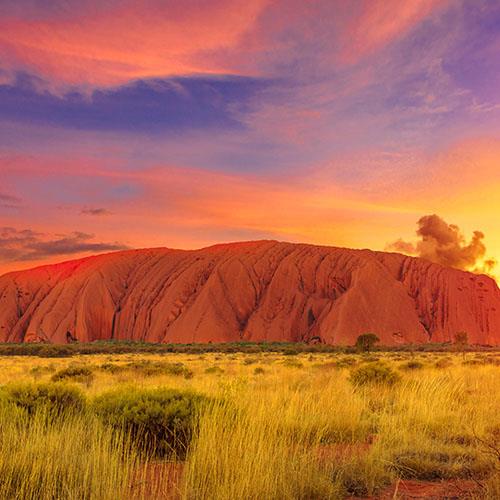
The Uluru-Kata Tjuta National Park - Ayers Rock
The Uluru-Kata Tjuta National Park is located 12 miles away from Ayers Rock in Australia’s Northern Territory, it is one of the most famous landmarks in Australia, the handover of Uluru to the Anangu people in 1985 was a symbolic highpoint for Aboriginal land rights. The park is best known for the monolith Uluru and the amazingly domed rocks of Kata Tjuta, both are considered culturally sacred to the Aboriginal people who lived in Australia during the ancient era. The two massive sandstone formations in the park are Uluru and Kata Tjuta, both spiritually important to many Anangu, cave paintings at Uluru date back tens of thousands of years. The park has been a UNESCO World Heritage Site since 1987, part of the mixed category with natural and cultural significance, unique for its sandstone formations, along with cave paintings that date back over 10,000 years. The park is filled with awe-inspiring sights amidst the red sand of the Australian Outback, the park is geologically fascinating, and remains the most important cultural landscape to the Aboriginal people, one of the oldest human societies in the world.
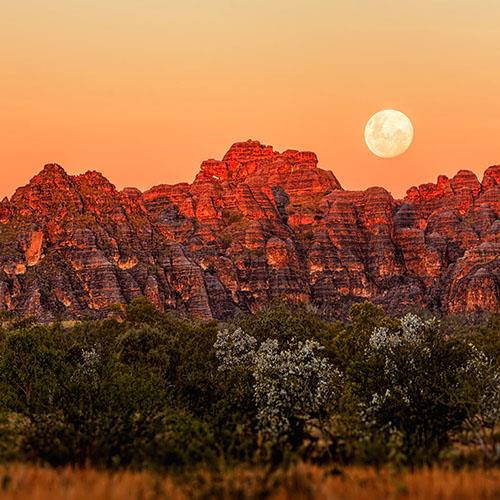
The Purnlulu National Park - Kimberly region
The Purnlulu National Park is located in the Kimberly region at the northern tip of Western Australia, the Bungle Bungles are the most prominent feature at this national park, a spectacular range part of the Devonian plateau that was heavily eroded into an unusual landscape, dating back over 350 million years, home to the unique black and orange rock beehive domes. The site was recognized as a UNESCO World Heritage Site in 2003 as a natural site, it is the world’s best-kept geological secret, it was only known to the local Aboriginal people and a few farmers until the 1980s. The park is home to the most unique geological formations in the world, made up of striped karst sandstone domes formed over 20 million years ago, earning the park its UNESCO status. Aboriginal people have lived in the area for over 40,000 years and can be accessed via walking tracks that travel deep inside the range to places like Cathedral Gorge, and the trail to Piccainny Lookout and The Window for some spectacular views. Day trips to the southern part of the National Park are perfect if you only have time for a day trip, and The Northern section features a camping area.
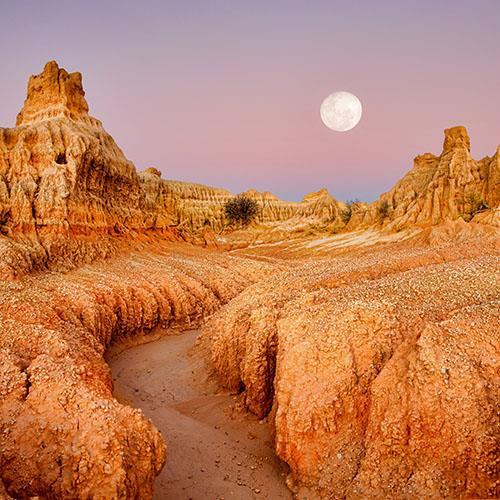
The Willandra Lakes Region - New South Wales
The Willandra Lakes Region is located in the remote region of New South Wales, Australia, covering 240,000 hectares. The region is the traditional meeting place of the Muthi Muthi, Nyiampaar, and Barkinji Aboriginal tribes, it was inscribed on the UNESCO World Heritage Site list in 1981 as a central place for the study of human evolution. There are fossils here dating back over 60,000 years ago, it is an important site for archeological evidence of human existence. The discovery of Mungo Lady in 1968 and Mungo Man in 1974; the oldest known human skeletons to be found outside of Africa, they were discovered on the edge of a dry lakebed in Mungo National Park, which is part of the Willandra Lakes Region World Heritage Area. The area is also an important natural site due to the fossilized sand formations found here in a group of dry lakes, with sand formations dating back to the Pleistocene period. The present archeological evidence of human occupation on the Australian continent dates from 45-60,000 years ago, findings include stone tools, hearths, and shell middens. The area is perfect for geology and history buffs, tour the dry lakes by walking, driving, or cycling a variety of trails.
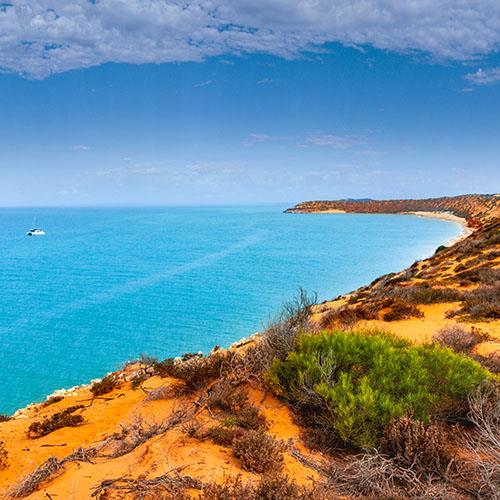
Shark Bay - Western Australia
Shark Bay is located along Western Australia’s Coral Coast, an aquatic wonderland that is home to the largest and richest area of seagrass meadows in the entire world, and one of the largest populations of dugongs. These meadows are an important habitat for dugongs, which are considered an endangered species with 12% of the population found in Shark Bay, along with some of the oldest life forms on earth, and living fossils called stromatolites. Hamelin Pool contains the world’s most diverse and abundant colony of living stromatolites, some of the earliest examples of life on earth dating back over 3.5 billion years. Shark Bay was listed as a UNESCO World Heritage site in 1991, drive along Shark Bay Road making stops at some of the amazing cliff lookout points along the way, catch a glimpse of sharks swimming in the clear waters below, and if you're lucky maybe spot a dugong. The bay and surrounding area contain a beautiful 932 mile stretch of dazzling coastline, clear blue lagoons, peninsulas, hidden bays, white sand beaches, limestone cliffs, and unique natural landscapes.
ADDITIONAL UNESCO WORLD HERITAGE SITES IN AUSTRALIA
Budj Bim Cultural Landscape - Gunditjmara
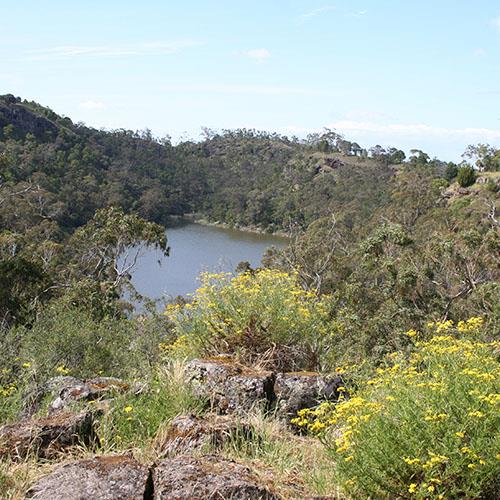
The Budj Bim is located in the Country of Gunditjmara, an Aboriginal nation in southwest Australia, the property includes the Budj Bim Volcano and Tae Rak (Lake Condah) along with the Kurtonitj components, characterized by wetland swamps, and Tyrendarra in the south, which is an area of rocky ridges, and large marshes. Built by the Gunditjmara people to catch fish, the site is one of the world’s oldest aquaculture systems that has been in use for over 6,600 years. The Gunditjmara people built stone houses, and the complex aquaculture system to farm fish, it is one of the oldest human settlement sites in the world and demonstrates the dynamic relationship between Aboriginal and Torres Strait Islander people. Budj Bim is located 3.5 hours drive southwest of Melbourne, it was the first site to be listed on the UNESCO World Heritage Site for Aboriginal cultural significance. The Budj Bim volcano erupted around 30,000 years ago and resulted in lava flows that extended over 31 miles southwest to Tyrendarra on the coast. The area is filled with a rich history and Lake Surprise is a great spot to start, this is the site of the Budj Bim volcano. From here there are many scenic walks around the lake and the crater rim. Explore the Natural Bridge, a lava canal, the Tunnel Cave, a remnant of a lava flow. If you continue driving to the southern portion of the Budj Bim Cultural Landscape known as the Tyrendarra Indigenous Protected area.
The Heard and McDonald Islands - Western Australia
The Heard and McDonald Islands are two islands with the only two active volcanoes in the subantarctic, located halfway to the Antarctic continents around 2,547 miles southwest of Perth in Western Australia, a remote region chosen for their value to research in glaciology and geomorphology. Both Islands were listed as UNESCO World Heritage Sites in 1997 as they constitute the only volcanically active subantarctic islands in the entire world, Heard Island is almost entirely covered by glaciers. The islands present opportunities for scientists to witness firsthand ongoing geomorphic processes and glacial dynamics, they are both a unique conservation value as one of the last remaining pristine island ecosystems on Earth. It takes approximately two weeks by boat from Australia across some of the most tumultuous seas on the planet to reach the islands where you will need to obtain a permit from the Australian Antarctic Division.
Lord Howe Island Group
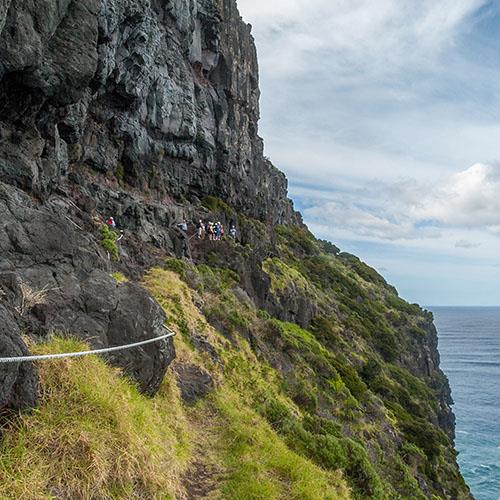
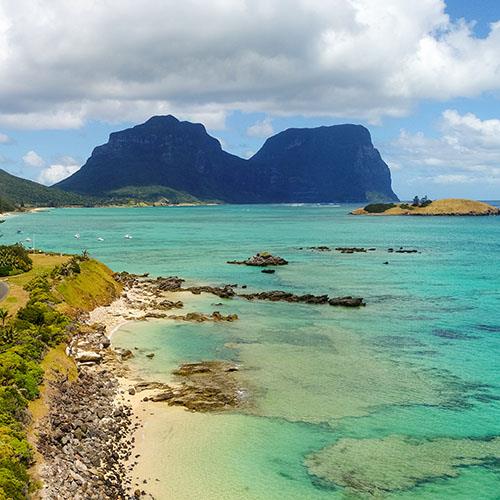
Lord Howe Island Group is home to the world’s southernmost coral reef and the world’s tallest sea stack (coastal rock formation) this sub-tropical rainforest-covered volcanic island, is a true paradise and home to around 350 people. The island is located 372 miles northeast of Sydney, and only permits 400 visitors at any time, and there are different experiences to enjoy including kayaking, cycling, walking, snorkeling, and fishing excursions. There are 500 different types of fish and some of the rarest birds in the world such as the Lord Howe woodhen, that were saved from extinction by the locals who banded together to eradicate rodents on the island. Lord Howe Island is what remains of a 7 million-year-old shield volcano that eroded away, the last eruptions date back over 500,000 years. There are several endemic species on the island and is an important location for breeding colonies of seabirds, and the location of the world’s southernmost coral reef. Lord Howe Island was recognized as a UNESCO World Heritage Site in 1982 for its natural importance and as a “remarkable example of isolated oceanic islands, born of volcanic activity”. The island is a nature lover's paradise and offers some incredible hiking opportunities with incredible views across the island. The main form of transportation on this island is via bicycle, there are a handful of restaurants. It was voted one of the top 10 island destinations in the world.