


Destinations
❮Main Menu
Experience Baia Mare
Overview
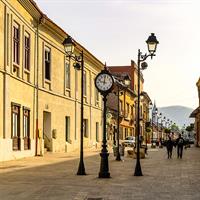
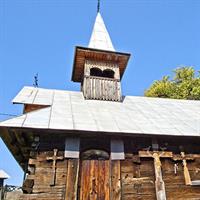
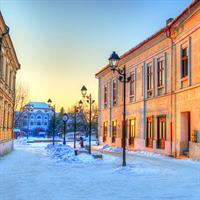
The historic city of Baia Mare is nestled at the foot of the Ignis and Gutai Mountains, the largest city in Maramures county dotted with UNESCO World Heritage Wooden churches. The historic town square is lively with quaint cafes, and restaurants with outdoor seating where locals and visitors like to gather. The city has many beautiful parks, interesting museums, historic monuments, and sightseeing opportunities.
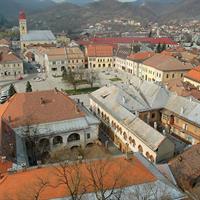
Baia Mare has a history stretching back over 2,000 years and was once one of the most important mining centers of Romania, where gold, silver, and other nonferrous metals were extracted. Baia Mare was first mentioned in 1329 and the city has some well-preserved buildings dating back to its medieval past, many found around Piata Libertatii, the main town square.
Casa Elisabeta is the oldest house in Baia Mare dating back to the 1440s, situated on the east side of the main square, a remnant of a long-gone castle that was built by Transylvania prince lance de Hunedoara for his wife Elisabeta. Today the house is an art exhibition venue.
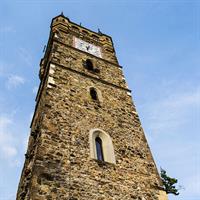
The scenic city is nestled in the Sasar River valley surrounded by soaring mountains, the 14th-century Gothic-style clock tower dominates the medieval quarter. The city is an excellent base for exploring numerous cultural and natural attractions in the region.
Things to see and do
The city of Baia Mare has many interesting sights and attractions to check out including one library, six museums, one planetarium and observatory, two theatres, two cultural centers, one art school, and a popular university.
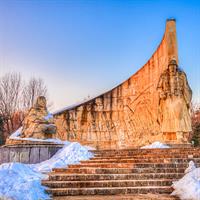
The Phoenix Copper Smelter Smoke Stack is the unofficial landmark of Baia Mare. An impressive engineering marvel and the third-largest chimney stack in all of Europe, the 9th largest in the world.
In the heart of Baia Mare is Citadel square where many of the city’s iconic landmarks are found, some of the most important in the country. Check out Stephen’s Tower, the original bell tower for Saint Stephen’s Church, a neo-gothic symbol in the city where visitors can marvel at the beauty of the centuries-old tower and enjoy views of the city.
The surrounding mountains are a great location for outdoor hikes and mountain biking on the marked trails. Rodnei Mountains National Park is a natural reserve filled with a rich diversity of flora and fauna. The park is a great destination to see chamois, eagles, and dazzling wildflowers during the spring.
The Dealul Florilor Municipal Stadium is home to Baia Mare’s football team, the stadium is the host of several other games throughout the year on the iconic field that holds a large number of fans. The stadium was constructed in the early 1950s, try to catch a game when you are in town.
Visit DreRelax health center where you can achieve a homeostatic balance between mind and body through a series of aerobic, fitness, massage, and therapy treatments all customized to allow you to take your place in the active world. The center aims to bridge the gap between who you are and who you want to be. The health center features a swimming pool, fun pool with bubbles and massage, a kids pool, a gym, a squash room, a cycling room, salt wall rooms, an aerobic room, a spa, and a bar with food and drinks.
The Baia Mare Art Museum is a must-see, with exclusive works of art from the 1800s with a wide variety of paintings, sculptures, and works done in other museums. Learn about the fascinating history of Baia Mare.
Visit the Mineralogy Museum for some history on Baia Mare’s mining history with over 1,600 mineral samples on display. It is the only museum of its kind in the country and the biggest in Europe.

Food and Nightlife
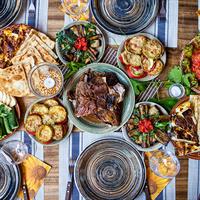
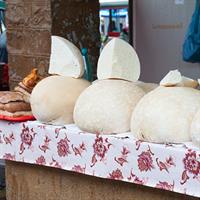
The food in Baia Mare is a mixture of different cuisines including Romanian, Hungarian, Turkish, Mediterranea, Italian, Arabic, and other international varieties. The local cuisine features many Turkish influences with some of the popular dishes including ciorba, a soup made with meat and vegetables, and sarmale cabbage rolls stuffed with spiced meat, rice, and vegetables. Aroma is a popular Italian restaurant located in the city serving up delicious pasta, and pizzas, and some of the best seafood options in the city. There are plenty of traditional pubs found in the old city center with great food options. Enjoy some traditional Romanian pastries and sweets at Millenium Chocolate, which are internationally recognized for their delicious “Dobos” and “cremes” and other homemade goodies.
Baia Mare has some fantastic nightlife opportunities, offering some of the best pubs, bars, and clubs in Northern Romania. The historic center of the city has plenty to offer visitors, with vibrant nightlife options once the sun goes down. The Log Out Pub is a famed establishment for its imported beers and a diversified menu offering pasta, pizzas, and burgers. Bar 13 is said to be one of the best in the city offering a wide variety of cocktails and, seasonal celebrations, and night raves. Baie Mare’s Mystique Pub offers visitors a relaxing atmosphere with live music, dancing, and drink specials, it’s a local gem.
As far as clubs in the city Athos Club is one of the most famous for the younger crowd, especially students with different special offers throughout the week such as 50% off all day on Thursdays, every drink is half price. On the weekends the club hosts different DJs mixing up great music in a vibrant atmosphere. Phoenix Club offers the 70s, 80s, and 90s music.

History, Culture, and Festivals
Baia Mare is the capital of Maramures and the largest city in this region of Romania with many buildings from Hungarian times, and a large open-air museum presenting the folk culture of the region.
During the Bronze age, Baia Mare was rich in gold and silver. The city was founded in the 12th century by Hungarian King Geysa II, it was a large mining settlement and received city walls and the iconic clock tower during the 15th century. The city is surrounded by picturesque sceneries with a mixture of mountains, countryside, and rivers. The Old Center of town is filled with classic and renaissance-style buildings with Stephen’s Tower and the Butcher’s Tower standing as proof of the medieval citadel that once protected the city. The Hunyadi family owned the city for centuries with the Elisabeta house standing on the main square, which John Hunyadi had erected for his wife.
The city and the surrounding region are the host to many exciting festivals and events such as the Festival of Winter Tradition and Customs “Marmatia” which takes place around December 27th on the local streets where people dress in traditional folklore costumes or carry masks representing characters of local beliefs. Traditional music, dance, and food are part of the festival.
Easter Sunday villagers gather dressed in traditional costumes for religious services to celebrate Christ’s resurrection and carry baskets filled with food and wine to church to be blessed by the priests. Easter is one of the most significant folk festivals held annually in Maramures.
Sanzienele (St John’s Day/Midsummer Day) held in the third week of June, the festival revolves around rejoicing in the regenerative power of nature.
Baia Mare’s Chestnut Festival is held annually on the last weekend in September started by the former mayor of Baia Mare, Cristian Anghel first in 1993. The hills surrounding the city are studded with chestnut forests making the trees a tradition for the city and the initial idea of the festival was to bring three days of fun, relaxation, and joy to the citizens with different events cultural, artistic, and sports.