Destinations
❮Main Menu



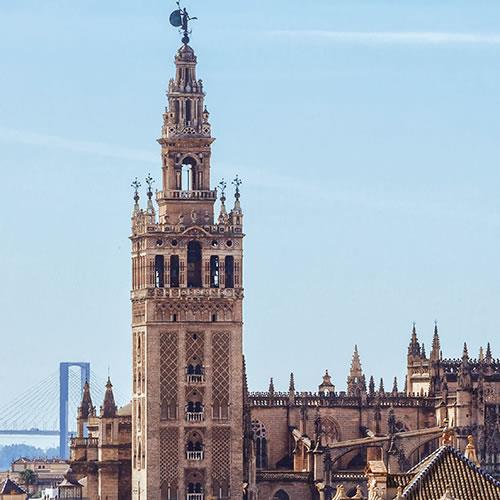
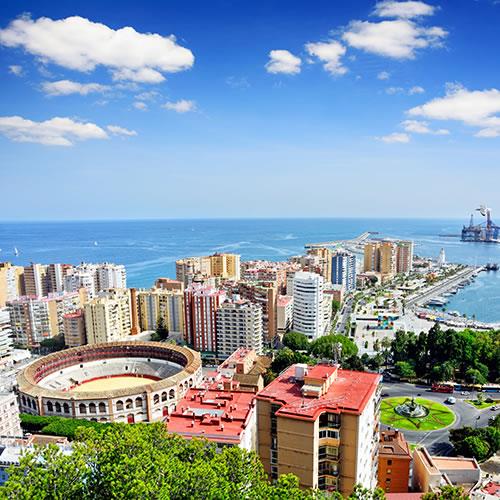
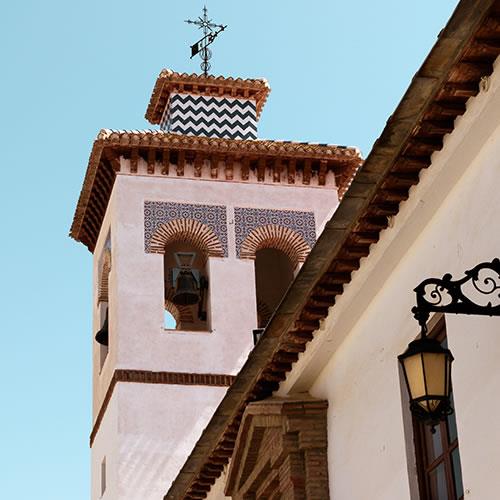
Andalucia comprises much of southwestern and southern Spain, making it the second-largest autonomous community in the country. The Moors ruled this region for seven centuries, and their influence can be seen everywhere from its architecture to its culinary traditions. Since it is such a large region, it is incredibly geographically diverse, running the entire spectrum of breathtaking landscapes, from coastal marshes to beautiful beaches with gleaming skyscrapers, to historic mountain villages, and of course to the large, bustling cities, many of which were once key Moorish strongholds. The culture of Andalucia is enchanting and seductive in a way no other Spanish region can boast.

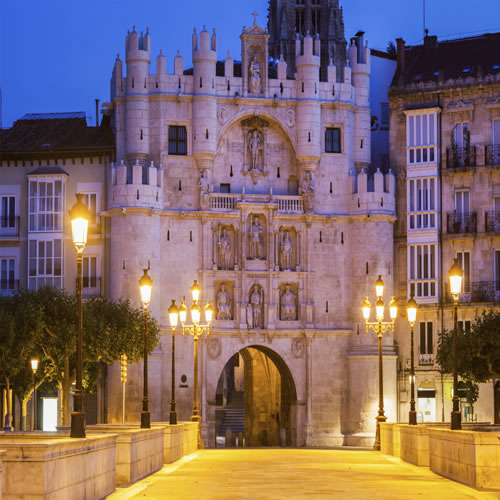
The Spanish Empire dates from 1492, and by 1516, the Kingdoms of Castile, Aragon, and others were united under the Spanish crown. This is in addition to other storied kingdoms which existed pre-1516 in Spain`s current borders, such as Galicia, Leon, and the Almohad Caliphate. The cities in these regions are filled with thousands of years of history.

Spanish cuisine is very flavorful, and is a quintessential Mediterranean diet, befitting the world`s largest olive oil producer. Spain`s former colonies all over the world influenced the cuisine at home, in everything from tomato sauce to saffron. Today, the various regional staple delicacies represent history and tradition.

Tens of millions of people visit Spain each year, and many combine its picturesque cities, such as Madrid, with some of the most popular and beautiful beaches in the world. Whether you`re sunning yourself on the Mediterranean Costas, the Bay of Biscay shoreline, or on one of Spain`s gorgeous islands, you will find a vacation best suited to your needs.

Gibraltar, a slice of Britain located due east of Algeciras, is synonymous with the mammoth limestone Rock of Gibraltar, jutting 1,400 feet skyward. Gibraltar has been referred to as `the Key to the Mediterranean` for centuries. Despite its small size (just 2.6 square miles), Gibraltar is home to six beaches, a vibrant city center, and great shopping opportunities.

The Balearic Islands (Mallorca, Menorca, Ibiza and Formentera) offer warm weather year-round. Collectively they are the most popular tourist destinations in Europe, if not the world. Mallorca, with its fine white-sand beaches, and Ibiza, with 130 miles of coastline, are the most popular islands, known for arguably the world`s best nightlife.

The Algarve region of southern Portugal may be best known for its glorious beaches, some of the most popular in Europe in fact. In the east, centered around Faro, a calmer way of life unfolds and quiet towns and unpopulated beaches define the area. The west side, where Albufeira is the largest city, is well-known for its nightlife, where the party doesn`t stop until dawn.


 Close
more details
Close
more details