


Popular Wine Regions of Italy


Tuscany
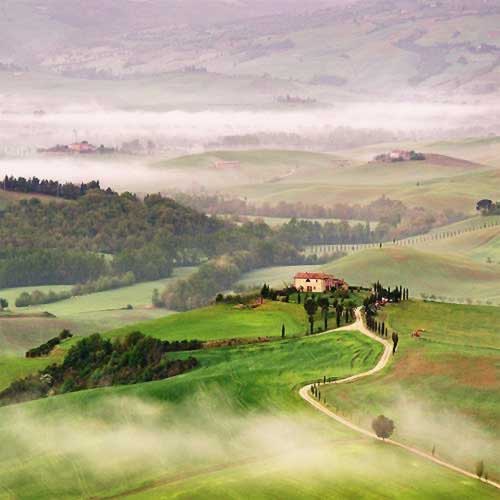
The region of Tuscany is famed for having some of the best vineyards in Italy, found in the beautiful countryside that is sprinkled with Renaissance towns and villages. Extending from Italy’s west coast through the hilly inland, encompassing medieval cities such as Siena and charming hilltop villages like San Gimignano, Tuscany is easy to reach from Florence or Rome.
Viticulture has been around in this region since the 7th century B.C., making it one of the oldest Italian wine regions. Today, popular varietals include Sangiovese (Chianit red wine), Brunello di Montalcino, Chianti Classico, Vino Nobile di Montepulciano, Vernaccia di San Gimignano, and Carmignano, as well as so-called "Super Tuscan" blends that are made with several different grapes. For white wines in this region, keep in mind that Trebbiano is Italy’s most produced white grape and Vermentino has quite a few taste similarities to Sauvignon Blanc.
Many travelers experience the region on an organized day tour. Tuscany is wonderful to explore on your own, too, or with a guide and a driver if you're planning to taste more than a few wines. If you're going to spend a few days, a great base is Montepulciano, a town famous for its red wine of the same name, and don't miss a drive to the Tuscan coast and the mountains of the Garfagnana, near Lucca.
Veneto
Veneto is one of the largest wine regions in Italy, known for the Valpolicella region which is responsible for producing Amarone della Valpolicella, a rich and complex Amarone red wine that gives this part of the country its reputation as one of the best Italian wine regions. Besides the great red blends of Valpolicella made with Corvina, Rondinella, and Molinara, there are several fine Merlot-based IGT wines in this area.
The size of the Veneto region means that the weather varies across its different areas, and it is thanks to these microclimates that Veneto is known for producing such a wide range of amazing wines. Many of the wines produced here offer a diverse variety of flavors and styles of wine. The famous Soave wine area is also found in Veneto, which produces one of Italy’s most popular white wines made from Garganega grapes.

Emiglia-Romagna
Located in the north beside the Apennine mountains, the Emilia-Romaga region of Italy produces an amazing variety of wine that pairs with every local ingredient. Due to the wonderful climate and fertile soil, the region is perfect for growing exceptional food and producing tasty wines.
Over 55,000 hectares of vineyards can be found in Emilia-Romagna, with winemaking in this region being traced back to the ancient Etruscans. The most notable wine from this region is the fruity, sparkling red wine known as Lambrusco, but there are plenty of other noteworthy varieties to enjoy alongside some of the dishes that Emilia-Romagna is best known for.


Sicily
Sicily has the most vineyards of any other region in Italy, so it’s no surprise that it’s one of the best places to visit for wine. Sicily's Major Wine Regions are Etna, Vittoria, Noto and Faro. The red, dark, rich and fruity wines are the theme to Sicily wines due to the warm climate. Try the Nero d’Avola, a world-famous red wine found here that comes highly recommended. The only wine region on the entire island to receive the DOCG status (which is the government’s strictest regulation reserved for its most celebrated wines) is Vittoria. The wine is a blend of Nero d’Avola and Frappato and is known for its finesse, very similar to a Pinot Noir and Gamay.
The origins of winemaking in Sicily are ancient, and some techniques have been passed down through generations and are still used across the island’s wineries to produce classic varieties such as the ‘Marsala’ which is a sweet, fortified wine frequently used in cooking.
Many travelers find wine-tasting in Sicily to be more down-to-earth and relaxed than elsewhere in Italy. Sicily is the largest in the Mediterranean, so you’ll want to focus your energy around one area.

Umbria
Umbria is a small region in the center of Italy known as the country’s ‘green heart’ because of its lush abundant landscape of rolling hills that are covered with vineyard terraces. This region is often said to be a less touristy version of its Tuscan neighbor to the north. Here you’ll find amazing red wines made from the age-worthy Sagrantino grape. Montefalco Rosso and Montefalco Sagrantino are two of the region’s best red wines and can be perfectly enjoyed either on their own or with traditional local cuisine.
The white grape of Umbria is called Grechetoo which is considered the region’s best wine. One of the most famous of Umbria’s hillside towns is that of Orvieto, known to make a white Orvieto blend. The white wine made here can either be sweet or dry, depending on the style preferred by the winemaker, and is considered one of the best whites made in all of Italy.
Puglia
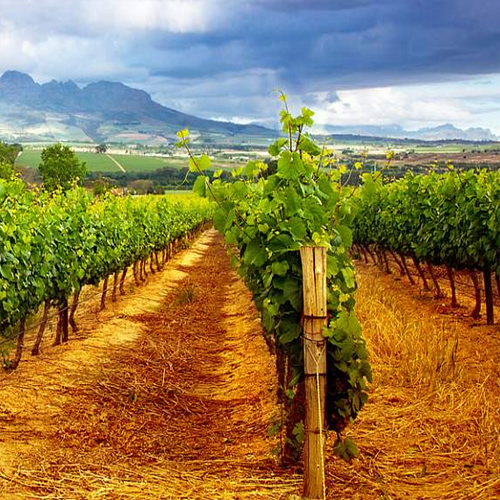
Puglia (also known as Apulia) is a long and narrow region of Italy that stretches from north to south which provides a range of climates that are perfect for growing a large variety of grapes. It is an incredibly beautiful part of the country that is home to many charming wineries and vineyards. Thanks to the rich soil and the diversity of weather conditions, the region offers one of the biggest percentages of Italian wine.
While you’ll find a large variety of excellent white wines produced in the Puglia region, it’s the reds which really stand out. Primitivo, Negroamaro, Malvasia Nera and Uva di Troia grapes are all grown here and produce delicious and full-bodied red wines that are best enjoyed with meat and cheese dishes served in the region’s beautiful countryside.

Sardinia
Sardinia, another Italian island vacation destination because of its beaches, is also known for wine production. The Mediterranean climate of the island produces a fabulous array of wines that are most similar to Spanish varieties, with both signature reds and whites coming from the region’s vineyards.
Since ancient times, it has been a tradition in Sardinia for almost everyone to make their own wine from home-grown grapes, so expect to find many small vineyards in unexpected places as well as surrounding larger wineries. Notable varieties from this area include the signature red Cannonau (very local to the island), made from classic Grenache grapes, and the popular white Vermentino wine which is known for having an acidic edge reminiscent of the sea itself. And make sure to pair your wine with Sardinia’s famous and delicious cheeses.

Piedmont
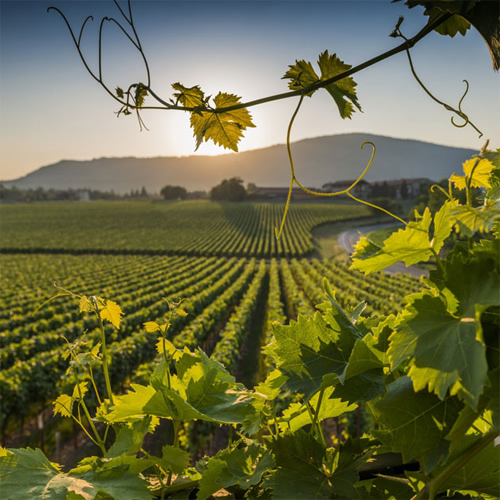
Surrounded by snowcapped mountains and verdant green pastures dotted with cattle, Piedmont (which means ‘at the foot of the mountain’) in the Northwest corner of Italy has a terrain that lends itself to producing superior cheeses and world-renowned wines. You’ll also find a number of charming villages and lively (smaller-sized) cities. Piedmont is also a gastronomically rich region that offers as much natural beauty and culture as phenomenal food and wine.
While grapevines were cultivated in the Piedmont region as early as the 1st millennium B.C., commercial viticulture really only began to flourish in the region during the Middle Ages. Today, the most famous wine regions in Piedmont are the world-renowned provinces and DOCG’s of Barolo and Barbaresco in the Langhe region of Piedmont. Barolo and Barbaresco are the names of both communes and the villages within those communes. The regions are most famous for their Barolo and Barbaresco wines made from Nebbiolo (which only makes up less than 10% of the overall plantings in Piedmont despite being the grape the region is most famous for producing) but are also well known for producing amazing Barbera and Dolcetto in addition to other less common native varietals.
The Barolo DOCG is located in the northwestern area of Langhe, on the right bank of the Tanaro River. Within the Barolo DOCG lie the following villages: Barolo, Castiglione Falletto, Serralunga d’Alba, Cherasco, Diano D’Alba, Novello, Roddi, Verduno, Grinzane Cavour, La Morra, and Monforte d’Alba.
The Barbaresco DOCG also lies on the right bank of the Tanaro River, but is separated from Barolo by Alba and has slightly lower elevation within its hills as well as slightly warmer temperatures than Barolo. The Barbaresco DOCG contains the villages of Barbaresco, Neive, Treiso, and San Rocco.

Abruzzo
Nestled between the Apennine Mountains and Adriatic Sea, Italy’s Abruzzo region is where north meets south; where sandy beaches turn into rolling hills and rocky mountains; where national parks cover one-third of the region; where 43 plus miles of the coast comprise a UNESCO World-Heritage site. It is also where you’ll find more than 81,000 acres that produce more than 40 million cases of wine annually.
The Montepulciano grape is responsible for the region’s signature red, Montepulciano d’Abruzo. Low in acid, dark in color, and dry, it pairs with almost any food. The grape is also the base for Cerasuolo, a cherry-park wine compared to rose.
Trebbiano, the Abruzzes white wine, is less acidic and has fruity notes. Another white, Pecorino, a sparkling, crisp wine that pairs well with seafood, street food, cheese, and dessert. Several of the wineries in the region offer tours and tastings.
Lombardy
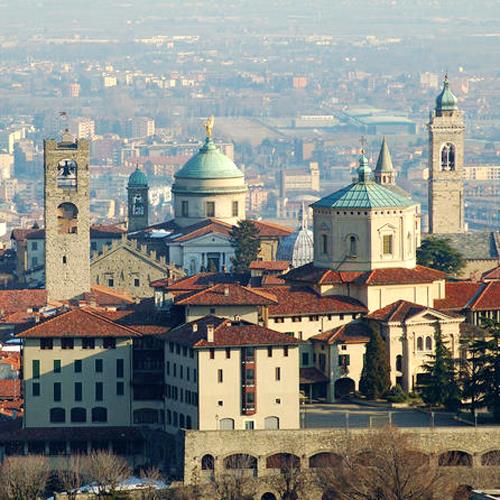
Lombardy is one of Italy's most populous regions located in the central north of the country. It is an industrial powerhouse, but despite this, the region has large expanses of unspoilt countryside of which is home to many small-scale wineries that make a significant proportion of the regions annual wine output.
Because of Lombardy’s large and varied geographical area, it offers a wide range of wine styles and is home to five DOCG, 21 DOC and 15 IGP titles. Valtellina is within Lombardy, close to Lake Como. Nebbiolo is the red wine produced here but it’s called Chiavennasca; it’s lighter and more “pinot-like” than its Piemontese sister. Lombardy also produces some great Pinot Noir (they call it Pinot Nero) especially around Oltrepò Pavese.
The sparkling wine is called Franciacorta and is made with Pinot Noir, Chardonnay, and Pinot Blanc grapes in the same style as Champagne.
Trentino Alto-Adige
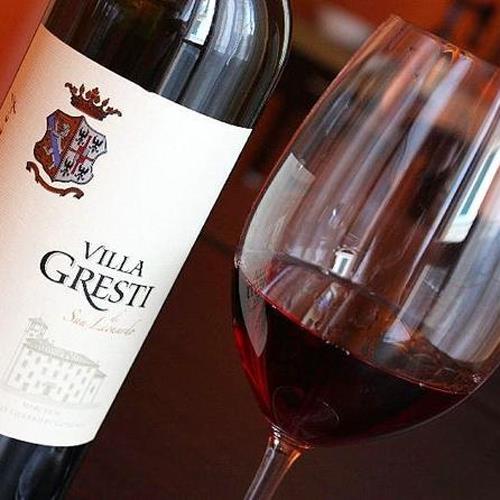
The Trentino Alto-Adige region is butted up to the Alps, boasting beautiful hillsides of terraced vineyards and charming scenic views.The region is split into two provinces: Trento and Bolzano. Bolzano makes up the Alto Adige and consists mainly of a bilingual population that differs from the Italian Trento residents by more than just a hyphen. However, when it comes to wine, the two areas are extremely similar. Outside the more developed cities like Trento (its capital), fertile valleys have lent themselves to the cultivation of wines and fruit trees along the hillsides for many centuries.
The region is best known for its high-quality white wines, Pinot Grigio and Pinot Bianco, but also produces excellent Pinot Nero. With medium-elevation slopes and soils rich in calcium carbonate, some say that the region’s terroir offers among the most favorable growing conditions for Pinot Nero in all of Italy. In Trento, they also produce a sparkling wine made with Pinot Noir and Chardonnay that easily rivals the best Champagne.

Friuli-Venezia Giulia
The Friuli-Venezia Giulia region is an off-the-beaten-track destination perfect for those wanting to immerse themselves in the local culture. Located between the Alps and the Adriatic, bordering Austria and Slovenia, the wines of the region stand out from other Italian wines. Light-bodied, refreshing white wines are something exotic and foreign for many Italians. The region is known for several unique and more intensely flavored styles of Pinot Grigio, and Sauvignon Blanc, with a slightly meaty undertone. The region also produces some savory tasting Merlot.

Marche
The Marche (Mar-kay) wine region is situated in the eastern part of Italy between the Adriatic sea and Apennine mountains. The region has long been considered as Italy’s most popular tourist destination boasting several charming old towns, hills and mountains of the Apennines with its beautiful golden sand beaches. However, it is still undiscovered territory when it comes to wine. The Marche region is surrounded by the wine gems of Tuscany, Emilia Romagna, Umbria and Abruzzo. As you go further inland in the eastern part, you will discover beautiful countryside, sprinkled with medieval villages, olive trees and vineyards covering the rolling hills.
The wine in Marche is known for its aromatic white wines. Verdicchio is definitely the most common, but Pecorino (the white wine grape) is extremely unique. Lacrima is an up-and-coming grape from this area making fruity red wines similar to a Syrah.
Lazio
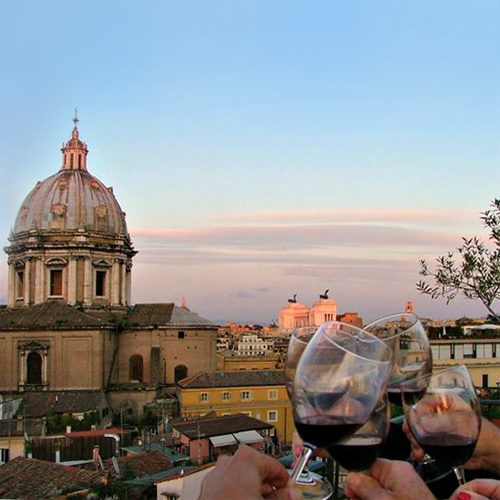
The Lazio wine region is situated in central Italy, between Tuscany and Campania. With Rome located in Lazio, it is a cultural center and a top destination for many visitors. Although wine production is relatively small, the region still remains as one of the centers of ancient winemaking.
White wine is produced in this region, the most famous being the Frascati from the Castelli Romani near Rome. Orvieto is also produced here, as a small part of the area, Orvieto extends to Lazio. Grechetto can also be found here, along with Malvasia, an aromatic rich and sweet wine.
Campania
Directly inland from Naples, about an hour's drive into the foothills and mountains of the Apennines is the Irpinia region. Irpinia’s fertile soils are filled with volcanic ash from Mount Vesuvius. Driving through this green landscape, you will find beautiful rolling hills, high elevation vineyards, and mountaintop towns.
Campania has four DOCGs, two are for red wine, and two are for white, and they all reside in Irpinia. Aglianico is a very high tannin and rustic red wine produced in this region. Traditionally, it takes about 10 years of aging to be drinkable. Aglianico wines, also red, have made a comeback in recent years, as producers have figured out how to dial back Aglianico’s rugged meaty tannins. The most prestigious DOCG is Taurasi, where they require a minimum of 85% Aglianico and aging for three years, four for reserve.
Taurasi and Aglianico del Taburno both focus on the red Aglianico grape, and Fiano di Avellino and Greco di Tufo are both white grape varietals. The most prestigious DOCG is Taurasi, where they require a minimum of 85% Aglianico and aging for three years, four for reserve.
Liguria
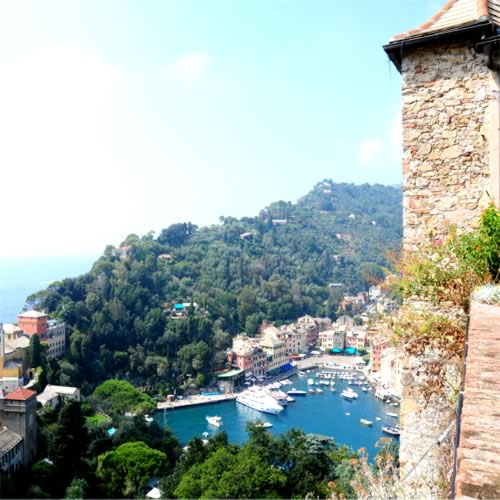
Liguria is a crescent-shaped coastal region of northwest Italy along the Mediterranean Sea known as the Italian Riviera. With almost 200 miles of coastline, this region offers fantastic beaches, lively cities, secluded hiking trails and picturesque cliff villages. The region's wine is characterized for producing artisan white wines from Vermentino grapes. Riviera Ligure di Ponente, Pornassio, Cinque Terre, and Golfo del Tiguillio are some of the major appellations of Liguria. Many wineries are located in Genoa or La Spezia. You will find the white wine blends that have become popular here are a perfect complement to the local seafood.

Calabria
The most southerly region in Italy, Calabria is surrounded by the Tyrrhenian sea and rugged, often remote mountainous geography. The capital, Catanzaro, offers the region’s best beaches within driving distance of the city. For nature lovers and beachgoers, this region is a true paradise.
The first vineyards in Calabria appeared thanks to the Oenotrians (“tribe led by Oenotrus” or “people from the land of vines”) and later by ancient Greeks. Legend has it that the olympiads cultivated and enjoyed generous amounts of wine on a daily basis. It is said that the Greek athlete Milo of Croton, who was from Calabria, would drink up to 2.5 gallons of Ciro red wine each day. Today, Ciro wine is still made in the same way as it was during ancient times.
There are more than nine DOC wine growing regions in Calabria. More than 90% of wine produced in Calabria is red wine, primarily coming from the Gaglioppo grape variety. Second to the Gaglioppo is the white Greco di Bianco grape, adaptly named after the region's Greek origins.
Molise
The little-known region of Molise is filled with nature, history, art, ancient traditions and, of course, wine. This is the perfect region to visit if you are looking for something off the beaten path, far from mainstream Italian destinations. It is the second smallest region in Italy after the Aosta Valley. The landscape here is predominantly mountains, sandy beaches with turquoise waters, and ancient traditions of winemaking and viticulture. The vineyards are located in hilly locations up to 2,000 ft above sea level.
Molise produces some interesting red wines. The range of grape variety of the wine region is white and red varieties. The red varieties include Aglianico, Montepulciano, Sangiovese and Cabernet Sauvignon. The white varieties include Bombino Bianco, Greco, Fiano, Malvasia, as well as some international grape varieties. Just 5 % of the wine production is DOC wines.

Basilicata
Basilicata is a beautiful region filled with forests and mountains located in southern Italy. The wooded mountains are sprinkled with small and charming villages. Pure air, simple flavors and natural beauty are what bring visitors here, away from the hectic pace of modern everyday life. However, when it comes to wines in Italy, wines from the Basilicata region are not at the top of the list. It is still undiscovered territory for wine lovers. The wine region here is one of the smallest wine-growing regions in Italy. They can be found almost exclusively around the extinct volcano Vulture in the northeast of the region. The vineyards on the Vulture are among the highest in Europe.
The excellent Aglianico is the wine of choice here that is grown on the side of a Volcano. And the Aglianico del Vulture Superiore DOCG is the only wine well known beyond the borders of this region. In addition, there are also vines near the picturesque town of Matera in the east. A few hectares lie along river valleys in the south and on the coast of the Ionian Sea, not far from Metaponto.
Valle d’Aosta
Located in the alps of northwest Italy, bordered by France and Switzerland, Valle d’Aosta is the smallest wine region in Italy by vineyard area and population. Despite its small size, the region delivers big when it comes to views and quality of wine. It is home to the highest elevated vineyards in all of Europe. Protected on the north from cold currents and on the west from humid Atlantic currents by the Alps, the climate creates the perfect environment for wine cultivation, which has occurred in the area since Roman times.
Valle d’Aosta has a number of unique grapes including Mayolet, Fumin, Petit Rouge, Vuillermin, Priè Blanc, and Nebbiolo from neighboring Piemonte. The Swiss grapes Petite Arvine and Cornalin flourish here as well in addition to French grapes like Chardonnay, Pinot Gris, and Pinot Noir. The Petite Arvine here is fabulous, ripe in tropical fruits with floral notes and at a fraction of the price compared to their Swiss counterparts. All of the French grapes do well here too, especially Pinot Gris.
The local red grapes create excellent wines. While Vuillermin and Mayolet are rare, the grapes Fumin and Petit Rouge are easily found. Fumin is found in a varietal form while Petit makes up the majority of the wines labeled as Torrette and Torrette Superiore. Both grapes produce wines that are juicy and age-worthy, full of mountain berry flavors.