


Destinations
❮Main Menu
EXPERIENCE RHONE VALLEY

Overview
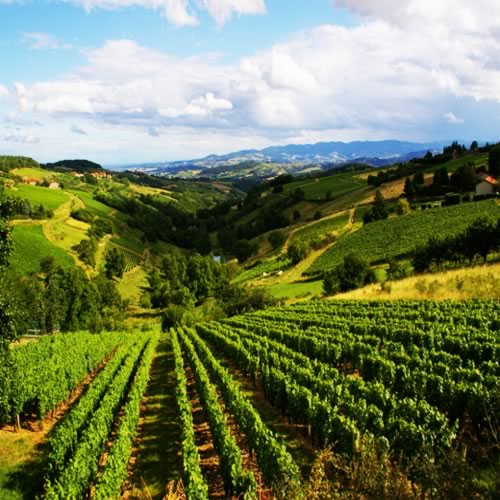
The Rhône Valley stretches down from the beautiful Eastern French city of Lyon, the third-biggest city in France, to just north of Orange, in Provence. Lyon is the true magnet of the area, the gastronomic paradise, with its unrivaled concentration of world-class restaurants. The Rhône is a wine lover’s heaven with the famous wines of Crozes-Hermitage, Hermitage, Cote-Rotie and Chateauneuf-du-Pape drawing wine connoisseurs from around the world. The valley has experienced some industrialization, but this has done little to affect the verdant, vine-dotted beauty of the countryside.
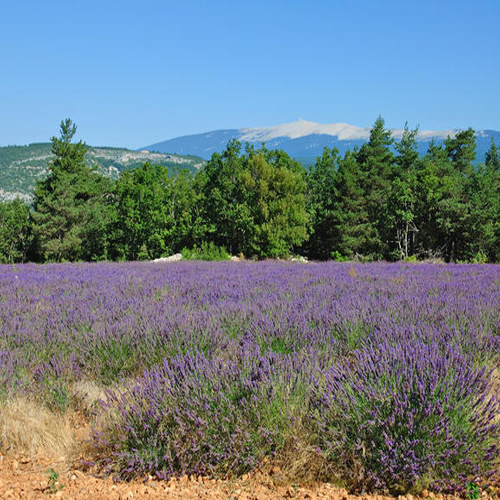
To the north of Lyon, Beaujolais produces distinguished wines, while the picturesque hilltop village of Pérouges is a persisting film location. Downstream, the Rhône forges past the Roman city of Vienne and the centuries-old Côtes du Rhône vineyards, where the sunny vistas of fruit orchards, lavender fields and the distant Alps are located. Just south past Valence and the nougat capital of Montélimar, eventually reaching the craggy Gorges de l'Ardèche, where the Ardèche River opens to the Languedoc and Provence.


Places to Visit in the Rhône Valley
Lyon: With a history dating back 2,000 years, the city of Lyon in France’s Rhône Valley region is home to numerous UNESCO World Heritage Sites, including the famous Vieux Lyon. Meaning “Old Lyon” in English, Vieux Lyon comprises three distinct districts: the northern district of Saint-Paul, the central district of Saint-Jean, and the southern district of Saint-Georges. Throughout these three districts are dozens of historical highlights to discover and explore, including historic streets, gothic cathedrals, and the famed traboules - a series of narrow passageways that cut through buildings to provide shortcuts from street to street. Some 400 traboules can be found in Old Lyon.
Beaujolais Nouveau:
Like taciturn troops guarding the vineyards, the Monts du Beaujolais are heavily scattered with sombre chestnut and pine forests, and there is a local wood industry. The bell-shaped vines reach high up the slopes, as do the typical farmhouses, with living quarters over the wine cellar.
Technically considered the Burgundy wine region, Beaujolais produces mainly red but also a little white and rosé wine. Red Beaujolais is made from the Gamay grape. The better wines come from single cru vineyards from 10 villages in the north, towards Maçon. The famous Beaujolais Nouveau is produced by macération carbonique, which creates the fresh fruity reds that are to be appreciated relatively young.
Discover Belleville, the commercial center where the most serious wine-makers are always hard at work to improve the quality of the traditional Beaujolais. At the Château de Corcelles, situated in the middle of a wooded park in Beaujolais, this medieval fortress is a dream place nestled in a wine region. The former guard room is now a tasting room.
The Beaujolais Nouveau “season” opens mid-November (the third Thursday of the month) just a few weeks after the grapes have been harvested. At midnight preceding the date set for the first sale, luxury sports cars and private planes make their appearance to be the first to bring the year’s vintage to cities around the world.
The Ardèche: Situated in the southwest of the department, the Ardeche region is where you can discover the Gorges de l’Ardeche, and the more mountainous regional Natural Park of the Monts d’Ardeche. The rugged landscape here is scattered with caves and tunnels containing the oldest cave paintings in the world.
Enjoying canoeing, kayaking and white water rafting in the Gorges de l’Ardeche, especially near Vallon Pont d’Arc where the gorges are absolutely beautiful.
There are also several small villages and towns to explore throughout the Ardeche, including the designated 'Ardeche villages of character'*, along with the larger towns of Privas (to the east), the historic center of Largentiere and the nearby village of Taurieres; Charlemagne's town of Joyeuse.
Other towns to explore if you are passing include the cathedral town at Viviers and the popular spa town at Vals-les-Bains has some interesting belle-epoque architecture.
*There are 17 'villages of character': Ailhon, Alba-la-Romaine, Antraigues-sur-Volane, Balazuc, Beauchastel, Banne, Boucieu-le-Roi, Chalencon, Desaignes, Jaujac, Labeaume, Meyras, Naves (near Les Vans), Saint-Montan, Thueyts, Vinezac and Vogue.


Rhône Valley Wine
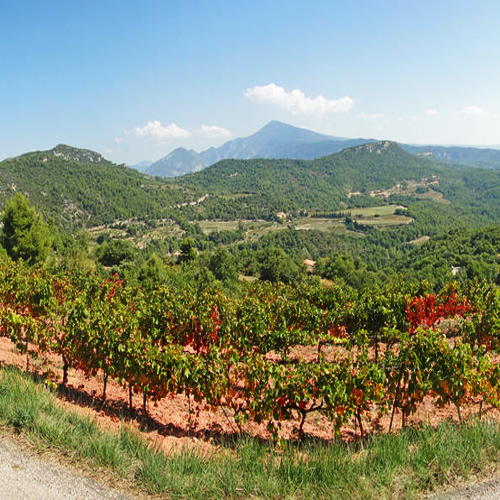
The Rhône is made up of two Vins Doux Naturels, 16 Crus, 95 villages, and 171 communes. There are 27 different grape varieties producing red, white, rosé, sweet and sparkling wines. The primary reds are Syrah, Grenache, and Mourvèdre, and the main whites are Viognier, Marsanne, and Roussanne.
The Northern Rhône: this area is best known for its Syrah and considered a somewhat sacred region. Stretching over 7,000 acres, the area only produces about 5 percent of all Rhône Valley wine production, however the quality of the wine makes it top notch. And, although Syrah is what this area is known for, the region also produces high-quality Viognier, Marsanne, and Roussanne. These four varietals are the only grapes grown in the Northern Rhône.
Northern Rhône Appellations: This area is characterized by its steep hillsides, continental climate, and terraced vineyards. There are 8 different Appellation d’Origine Contrôlées (AOC), each identified by their own unique and individual qualities. The 8 appellations are as follows: Côtie Rôtie, known as the “roasted slop”, this is one of the Northern Rhône’s most celebrated appellations; Condrieu is the largest white wine appellation that produces wines made from 100-percent Viognier; Château-Grillet is a small, single-producer appellation that produces Viognier (only white wines); Saint-Joseph appellation stretches over 2,200-acres with wines that range in flavor and price offering something for every type of wine drinker; Crozes-Hermitage is the largest appellation in this area, known for producing a variety of wines (Syrah, Marsanne, and Roussanne) that range in quality and price; Hermitage is famous for its red Syrahs, made from vines dating back as far as 500 BC; Cornas produces bold, tannic Syrahs that are characterized by flavors of blackberry, pepper charcoal, and smoke; Lastly, Saine-Péray is the southernmost appellation of the Northern Rhône, known for its production of medium to full bodied white wines made from 100-percent Marsanne and Roussanne grapes.
The Southern Rhône: This area of the Rhône Valley is characterized for its Mediterranean climate and famous Mistral Wind. The summers are longer, the winters are mild, and Grenache reigns supreme.
Wines in the Southern Rhône vary in quality, price, and style, with red to whites, the most wines being blends made from Grenache, Syrah, and Mourvèdre grapes. In addition to these three varietals, other popular grapes grown in the Southern Rhône include Cinsault, Counoise, Grenache Blanc, Marsanne, Carignan, Roussanne, Bourboulenc, and Clairette, among others.
Southern Rhône Appellations: The wines produced in the southern Rhône Valley are a multitude of red, white, and rosé wines, and make up about 95 percent of all wines from the Rhône Valley. The appellation wines include Côtes du Rhône located partly in the Northern Rhône and mostly in the Southern Rhône, accounting for two-thirds of all wine produced in the Rhône Valley, it is a major producer of full-bodied reds made from primarily Gigondas grapes; Vinsobres is known for its dark, fruity, and highly tannic wines - Grenache, Syrah, and Mourvedre grapes; Rasteau is famous for tis grenache-based fortified wines, Rasteau is also well known for its sweet Vin Doux; Gigondas is a moderately prestigious appellation producing wines from this appellation are well-aged reds; Vacqueryras produces primarily red wines, situated along the banks of the River Ouvèze, Vacqueryras shares a border with Gigondas, another appellation of the Southern Rhône; Beames de Venise is widely known for its sweet Muscat de Beaumes de Venise; Châteauneuf-du-Pape is the most famous wine in the Rhône Valley, it is the first appellation to be recognized as an AOC, red accounts for 94 percent of all wine produced here; Lirac is a historically significant wine producing region that produces aromatic reds, refreshing whites, and delicious rosés; lastly, Tavel, located just south of Lirac, is known for its refreshing rosé wines.

Ancient Roman History and Architecture
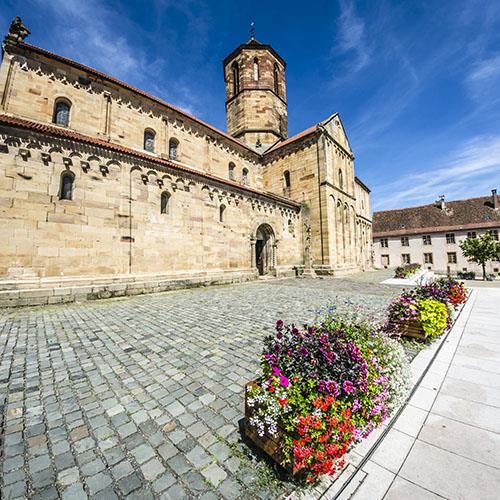
The Rhône Valley region is home to an abundance of ancient Roman history and architecture dating back thousands of years. Most notably is the Arles, Roman and Romanesque Monuments, a grouping of eight UNESCO World Heritage historic monuments. These monuments include the Coliseum-inspired Arles amphitheater, the 11th-century Romanesque-style Church of St. Tromphime, an underground structure known as Cryptoporticus, just to name a few of them.
Gastronomy Capital of France, Lyon
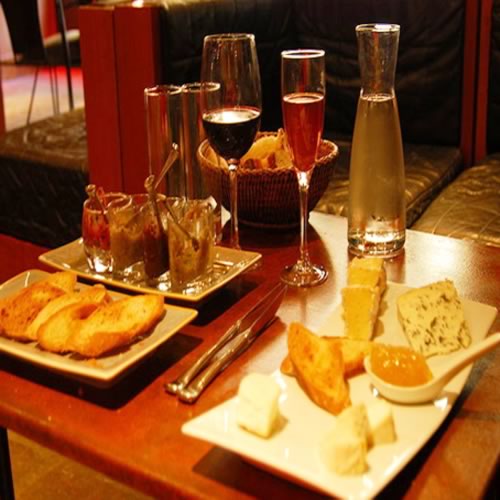
Lyon is considered the global food capital of France. With more than a thousand restaurants to wine and dine at, twenty of which have received Michelin stars, Lyon is one of the most highly concentrated restaurant cities in all of France. Here, visitors can discover the simple ingredients and traditional methods of cooking that have stablish Lyon as one of the most important influences in French fine dining. High-quality ingredients and an appreciation for home cooking are a couple more ways that the cuisine of Lyon has distinguished itself and served to influence French cooking on a global scale.