


Destinations
❮Main Menu
EXPERIENCE ACAPULCO
Overview
To the American traveler, Acapulco conjures up certain images. Perhaps
the Rat Pack, perhaps Elvis Presley, perhaps Liz Taylor and Richard
Burton, perhaps even Tú o nadie,
the blockbuster worldwide telenovela starring Lucía Méndez. By the
1980s, it seemed like every daytime game show was giving away prize
packages to luxurious Acapulco. Before Cancún and Puerto Vallarta
became holiday staples and standard-bearers for what the American
vacation experience in Mexico looked like, there was Acapulco, in
Guerrero state on Mexico's Pacific coast, leading the way and boasting
lodging in every price point, from Hiltons and Sheratons to Holiday
Inns.
For decades, Acapulco represented aspiration. Today, its name still
carries glamour and allure, but it also recalls a "time before" when
other Mexican destinations were still emerging for tourists or before
Mexico perfected curated, boutique, and more secluded luxury
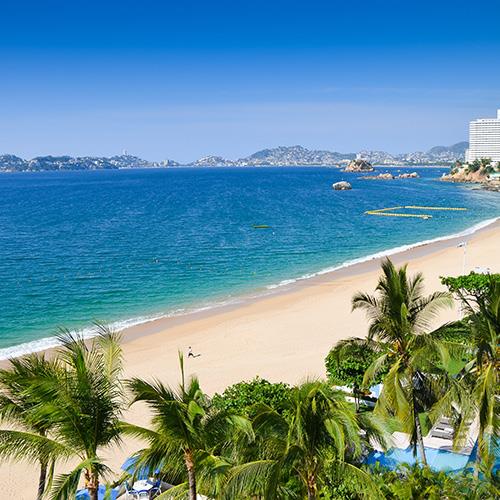
experiences. Yet beyond Acapulco's lingering glitz, it remains a warm
and inviting destination where sunny beaches meet clear blue waves and
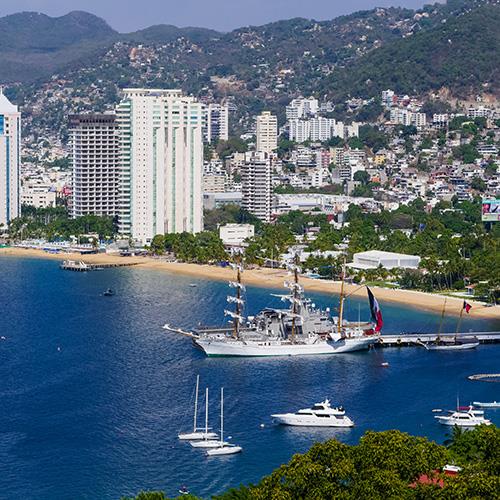
locals serve fresh seafood with a smile. Here, history lingers in the
old fort overlooking the bay, while traditions and modern energy come
together in lively markets, music-filled nights, and colorful
festivals. Acapulco welcomes travelers to soak up its rich blend of
culture and beauty, offering something for everyone whether you're here
for the sun, the food, the history, or simply to relax.


History and Culture
Acapulco's
story stretches back millennia, long before the modern tourist boom. It
was once a small fishing village, prized by indigenous communities for
its natural harbor and abundant marine life. Its pivotal moment came in
the 16th century when Spanish explorers recognized its strategic value,
transforming it into a key port for the Manila Galleon trade that
connected Asia, the Americas, and Europe. For over two centuries,
Acapulco was a bustling hub of commerce, linking Mexican silver and
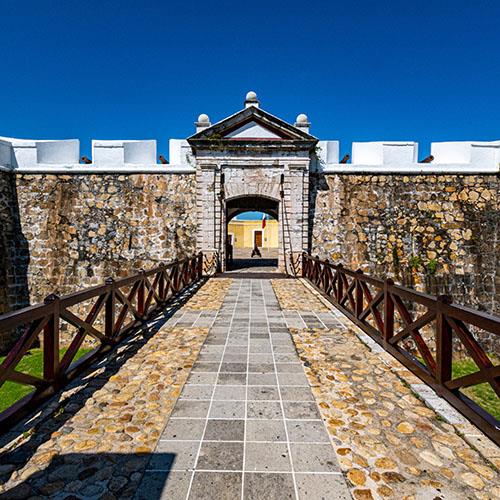
Asian luxury goods along treacherous trans-Pacific routes. The Fort of
San Diego, built in the early 17th century, still stands today as a
witness to this era, a symbol of the city's importance and its brushes
with pirates.
Culturally, Acapulco has always reflected a vibrant fusion of
indigenous, colonial, and contemporary influences, evident in its
music, cuisine, and festivities. The city pulses with the rhythms of chilena and sones,
traditional musical styles that blend African, Spanish, and indigenous
sounds. Its food scene, rich with seafood and tropical fruits, offers
flavors like ceviche acapulqueño and pescado a la talla.
In the mid-20th century, Acapulco became a global icon, drawing
celebrities like Elizabeth Taylor and Frank Sinatra to its beaches and
nightlife. Even today, its legacy as a playground for the elite
coexists with local traditions: artisans craft intricate beadwork, and
festivals like the Carnaval de Acapulco bring color and energy to the
streets. Acapulco is a place where history and modern culture blend
seamlessly.

Weather
Expect warm temperatures no matter what time of year you plan on visiting Acapulco. The high season coincides with its dry season, which occurs from November to May. Lower humidity prevails and temperatures are in the mid and upper 80s Fahrenheit, dipping to the low 70s at night. Similar temperatures occur during the rainy season, but of course more humidity and more chances for rain, particularly in the afternoons and evenings (the storms roll in, rain heavily, and leave as quickly as they came). Make sure the clothing you pack is breathable and lightweight, carry sunblock for protection, and a small umbrella or poncho for rainy season. Note that Pacific hurricane season is like the Atlantic, running from June 1 to November 30. Acapulco can and does get tropical storms and hurricanes, as evidenced by the effects the city is still dealing with following Otis in 2023 and John in 2024.

Must-See Sights in Acapulco
Note: Hurricane Otis in 2023 and Hurricane John in 2024 caused
significant impacts to Acapulco's infrastructure and its sights, with
some sights (such as the El Rollo Acapulco water park) now permanently
closed. The descriptions of must-see sights below reflect ones that are
open to the public as of late spring/early summer 2025.
Acapulco's renowned beaches, such as Playa Condesa, Playa Icacos, and Playa Revolcadero, are fully open to locals and visitors as of 2025, welcoming sun-seekers and surfers alike. Barra Vieja Beach, known for its tranquility and local seafood delicacies, is also open to visitors. Nature enthusiasts can explore the serene Laguna de Tres Palos, ideal for bird watching and boat tours. Additionally, Isla de la Roqueta offers hiking trails, snorkeling spots, and panoramic views from its lighthouse.
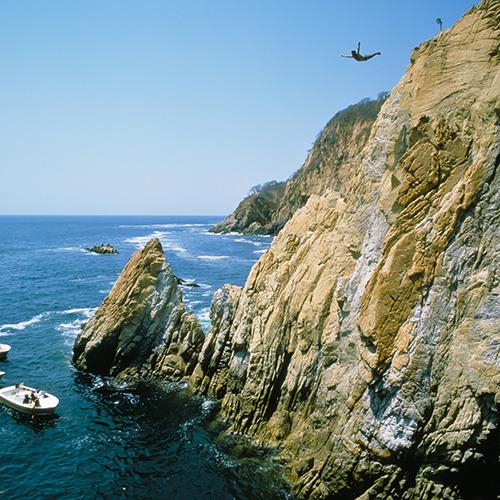
The iconic La Quebrada Cliff Divers
have resumed their breathtaking performances, captivating audiences
with their daring dives just like they had before the two hurricanes.
The Fort of San Diego, a 17th-century fortress housing the Acapulco Historic Museum,
is open to the public once again. The collections within the fort and
in the museum itself offer lots of insight into the city's rich
history. Visitors can also enjoy the panoramic vistas from the Sinfonía del Mar amphitheater and explore the lush landscapes of Parque Papagayo. (Note that some portions of Papagayo might still be under construction.)
A large number of hotels have reopened, and by 2025 Acapulco was operating at about 75% capacity when compared to the 2022 tourism season (prior to the arrival of Otis). The Arena GNP Seguros,
despite previous damages in both storms, is fully operational and
continues to host major events, including tennis tournaments and
concerts.

Activities
As mentioned above, many iconic activities in Acapulco are open once again, like the viewing of the La Quebrada Cliff Divers, and tours of the Fort of San Diego and visits to the Acapulco Historic Museum. The Diego Rivera Mural on the Centro Cultural La Casa de los Vientos is available for you to take pictures in front of once again, having been retouched following the storms. The cultural center is also open (four days a week, Tuesday-Friday). A number of beaches, like the ones mentioned above, are open, and Barra Vieja is a great place to try pescado a la talla, grilled butterflied and on skewers. We recommend a glass-bottom boat tour to Isla de la Roqueta, where you can see the island's lighthouse, snorkel offshore, or hike the island trails. It's also possible to tour portions of the Acapulco countryside and beach area on horseback from licensed operators.

Shopping
Mercado
Central is Acapulco's largest local market, and it boasts over 650
establishments and a diverse array of products, including fresh
produce, meats, seafood, and a variety of crafts and folk art. It's an
ideal spot for finding handmade items like woven textiles, embroidered
clothing, leather goods, ceramics, and colorful piñatas.
Located
near Playa El Murro, Craft Market El Pueblito is renowned for its wide
range of traditional arts, crafts, home décor, and local foods.
Visitors can find unique souvenirs, including bathing suits and beach
blankets, all while enjoying the market's proximity to the seashore.
Finally,
anyone who wants to look for traditional handicrafts shouldn't miss
Mercado El Parazal. Recognized as Acapulco's oldest continuously
operating arts and crafts market, Mercado El Parazal features vendors
from across Mexico selling handmade leather goods, wood art, hats,
shoes, and home décor made from seashells. It's a treasure trove for
those seeking authentic Mexican crafts.
For a shopping experience more analogous to back home, you'll want to
visit the La Isla Acapulco Shopping Village. This luxurious open-air
mall is a premier shopping destination featuring popular international
retailers like Billabong and Lacoste, and also includes dining options
like Harry's Prime Steakhouse.
Nightlife
Despite
back-to-back hurricanes, Acapulco's nightlife has rebounded quite
impressively. Whether you're in the mood for high-energy clubs,
laid-back beach lounges, or unforgettable cultural performances,
Acapulco delivers with style and flair.
For travelers seeking a
night of dancing and celebration, venues like Believe Acapulco
(embedded into a hillside) continue to set the scene with curated DJ
sets and stunning views of Acapulco Bay. Disco Beach remains a favorite
among the younger crowd, with its famous foam parties and beachfront
dance floor, while Mandara offers an upscale experience with panoramic
bay vistas and an eclectic mix of music, from house to pop and Latin
beats.
For those who prefer a more relaxed night out, Acapulco's beachside
bars are back in action. Barbarroja, with its distinctive pirate-themed
décor and ship-shaped interior, provides live music and a spirited
atmosphere. Kassandra Beach House offers a blend of poolside lounging
and vibrant nightlife, where guests can sip tropical cocktails while
soaking in the views of the bay. These spots have reopened and
reclaimed their spots as staples of the Acapulco nightlife experience.
Cultural entertainment has also returned in force. Arena GNP Seguros,
the city's modern arena, is hosting major concerts and events once
again, with performances by major Mexican artists lined up for the
year. Meanwhile, La Quebrada continues its iconic cliff-diving
performances into the evening, with the divers illuminated against the
night sky.
Food & Drink
Acapulco's
food scene has been resilient after the storms as well, with old
favorites and new energy competing for diners and continued influence
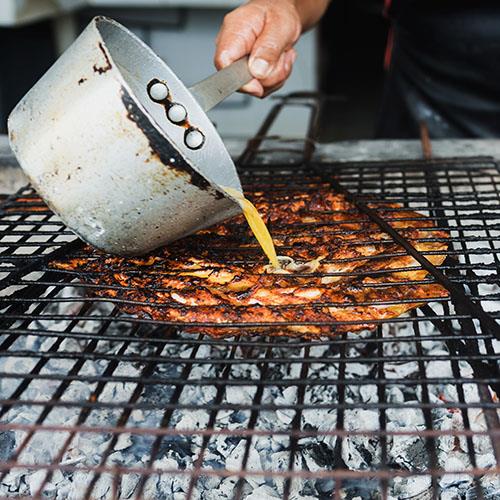
in the city. You'll find classic dishes like pescado a la talla, where whole fish is butterflied, marinated in a rich chili sauce, and grilled over an open flame, and ceviche Acapulqueño,
which combines fresh fish with lime juice, tomatoes, onions, and a
touch of orange juice or soda for a hint of sweetness. There's also the
hearty vuelve a la vida seafood cocktail, packed with shrimp,
clams, and oysters in a spicy tomato sauce, and pozole Guerrero style,
a hominy stew. If you're in the mood for something simple, tiritas de pescado, thin slices of fish cured in lime with onions and chilies, or camarones al mojo de ajo, shrimp cooked with garlic and butter, are always great choices.
If you're looking for where to eat, there are plenty of great options
open and ready to welcome you. El Amigo Miguel is a local staple known
for its fresh ceviche and grilled fish. Bora Bora brings a lively
atmosphere with its seafood-focused menu, while La Vela at Camino Real
offers a more upscale spot to enjoy ocean views and well-prepared
seafood. Cosecha adds a creative touch with dishes that mix local
ingredients with global influences, and Rosatto puts a Mediterranean
twist on the traditional Acapulco experience.