


Destinations
❮Main Menu
EXPERIENCE AGUASCALIENTES
Overview
Railway heritage, tree-lined boulevards, and a festival spirit shape Aguascalientes, a high-desert capital roughly 250 miles northwest of Mexico City. Inside the Primer Anillo ring road you move from rose gardens to Art Deco theaters in minutes, pausing at cafés that still serve guava pastries alongside craft espresso. The city feels orderly and future-minded yet proudly regional, thanks to a calendar crowned each spring by the Feria de San Marcos (mid-April to early May).

History and Culture
Chichimeca farmers first settled the fertile Río San Pedro valley, long before the Spanish founded Villa de Nuestra Señora de la Asunción de las Aguas Calientes in 1575. A 19th-century railway boom turned the town into the nation's locomotive workshop, preserved today at the Museo Ferrocarrilero. Printmaker José Guadalupe Posada, father of the iconic La Calavera Catrina, worked his lithograph presses here; his engravings fill a riverside museum that bears his name. Modern civic pride centers on craftsmanship, copperwork, and the three-week Feria de San Marcos, when bullfights, concerts, and artisan stalls take over Barrio San Marcos.

Weather
Daytime temperatures typically rise to the mid and upper 70s Fahrenheit from November through February, and then even higher by May, when it will already be in the 90s. Skies stay mostly clear, save for brief evening showers that appear from June through August. Pack breathable layers for the chilly winter and spring nights (lows below 50), sunscreen for high-altitude effects from the sun, and a hat for midday plaza walks.


Must-See Sights in Aguascalientes
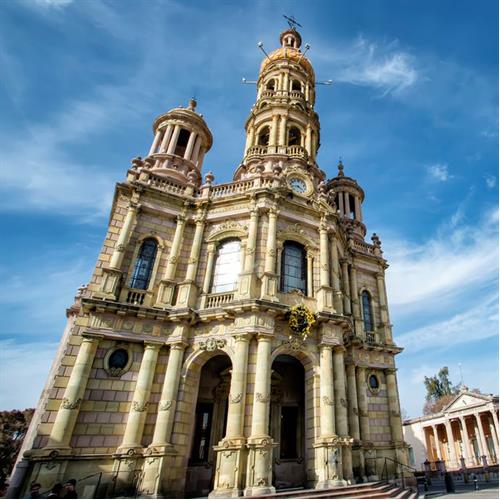
Plaza de la Patria, in the Centro Histórico, stretches out in elegance, made from cantera volcanic stone. Here, on the plaza, you'll find arcades that house boutiques and cafés, while the twin bell towers of the cathedral ring every so often, glowing in gold hue after dusk. Just west of the plaza lies the Jardín de San Marcos, a formal park bordered by wrought-iron gates and populated with bronze statues. The jardín also serves as an anchor for the city's annual Feria parades. Nearby, the Templo de San Antonio offers a burst of architectural whimsy, with its iconic striped domes and hybrid façade marrying Baroque and Art Nouveau details.
For deeper context into Aguascaliente's history and heritage, the Museo Ferrocarrilero lets you experience that by climbing old steam locomotives and walking the workshops that fueled Mexico's rail ambitions. East of the center, the Museo Posada honors native son José Guadalupe Posada with original calavera engravings, best viewed before an afternoon walk down the sculpture-lined Calzada del Río. Finish at the Baños de Ojocaliente, where 19th-century thermal pools and Moorish archways beckon with promises of quiet soaking just a short ride from town.
Activities
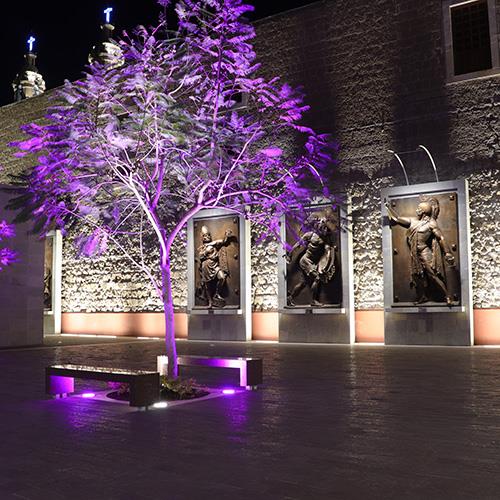
One fun activity if you're in the Centro Histórico is to take a two-hour historic-core walking tour that ends with a rooftop tasting of local honey wine, hidromiel. Rent a city bike for 120 MXP a day and pedal the shaded Ciclopista Pulgas Pandas if you want; the weather in spring would be perfect for it. Private thermal tubs at Baños de Ojocaliente start at 150 MXP; add a clay wrap for another 90 MXP. (Those spa prices are a fraction of what similar treatments would cost in America and for the same quality.) From April 15 to May 5, the Feria grounds host nightly rodeos and free concerts, something to think about if you're visiting Aguascalientes during its feria season. For wine lovers, you can inquire locally into companies that offer half-day vineyard trips to Pabellón de Arteaga (approx. 1,000 MXP, includes transport, tastings, and tapas).
Shopping
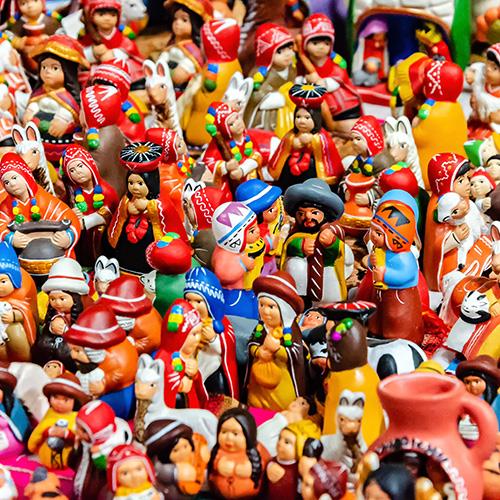
Mercado Terán brings together guava rolls, leather belts, and embroidered huipiles under a wrought-iron roof. Friendly bargaining works here, but vendors will be more inclined to give you the discount you want if you buy multiples. Along Calle Venustiano Carranza, small ateliers sell sterling Posada-inspired jewelry, while Ferro-Arte repurposes vintage train parts into desk lamps. Altaria Mall stocks Mexican labels like Julio and Capa de Ozono if you want mass-produced or fast fashion. Our advice is to carry 200 MXP notes as your highest denomination, as taxis and kiosks may not break 500s.

Nightlife
Evenings start with craft lagers at Cervecería Hércules Taproom near Jardín del Encino and slide into cantina time on Calle Nieto, where mezcal is poured neat until 1 a.m. Wine bars near the cathedral close by 11 p.m. for those wanting a quieter night or just prefer wine over more daring beverages. Sleek lounges on Avenida Colosio boast DJs and bottle service, peaking around midnight. If you want to make a visit to these types of ultra-lounges, dress smart-casual. During Feria season, open-air stages in Barrio San Marcos keep banda and norteño music playing and crowds dancing past 2 a.m.
Food & Drink
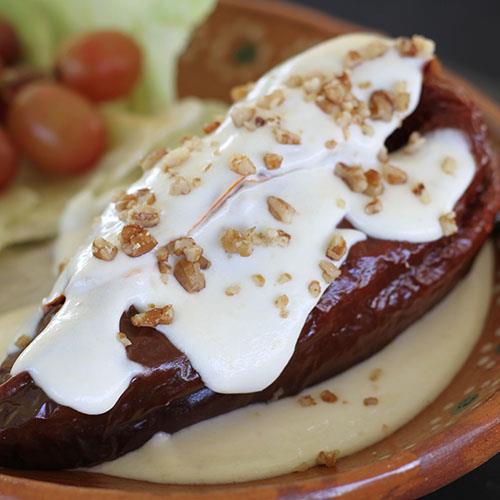
Calle Victoria opens its food stands at dawn with delicious tacos de lechón and smoky birria. Enchiladas sanmarqueñas bathed in mole is a good lunch option, and La Saturnina is a well-regarded spot to order this local dish. Dinner can go upscale at Mochomos, pairing rib-eye with local red wines, or remain rustic at El Almacén del Bife for mesquite-grilled arrachera. Guava shows up everywhere, even in foods you might not think of as a dessert, which is great for guava lovers but perhaps a little unnerving for those unfamiliar. There are non-guava foods in Aguascalientes, of course, but a familiarity to guava and its taste/texture before arrival will help you enjoy their many uses for it.