


Destinations
❮Main Menu
Experience Bonaire
Overview
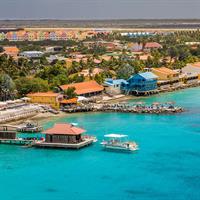
Bonaire is the easternmost of the three "ABC islands" in the Dutch Caribbean, located just north of Venezuela. While geographically part of the Lesser Antilles, Bonaire is politically connected to the Netherlands and home to a significant community of Dutch expats. It is often considered the quieter sibling to Aruba and the smaller counterpart to the larger, more popular Curaçao. Known worldwide among diving enthusiasts, Bonaire is celebrated for its exceptional shore diving and snorkeling opportunities.
With an area of approximately 112 square miles, Bonaire offers a modest size and a charming small-town atmosphere. Its colorful capital, Kralendijk, exudes a relaxed vibe with noticeable Dutch influences in its culture, architecture, and governance.
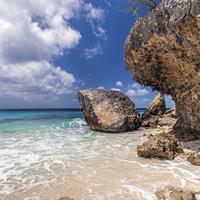
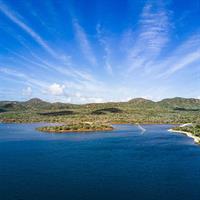
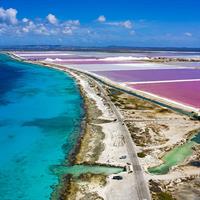
The island is primarily composed of coral rock and is surrounded by reefs featuring about 60 distinct coral species. This vibrant underwater ecosystem has made Bonaire a top destination for divers and snorkelers. Beyond its reefs, the island's north and south regions remain largely rural, featuring authentic villages, unspoiled natural landscapes, expansive salt flats, and the stunning Washington Slagbaai National Park, which spans about 20% of the island.
Visitors are drawn to Bonaire for its unique natural beauty, including crystal-clear waters, colorful marine life, birdwatching opportunities, and its tranquil, laid-back ambiance. Whether exploring its pristine reefs or enjoying its serene landscapes, Bonaire offers an unforgettable escape.
Things to See & Do
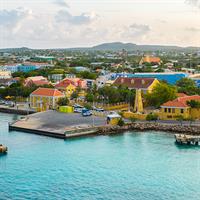
Visit Kralendijk, Bonaire’s capital. Located in the southern part of the west coast. It is one of only two towns on the island. The other one is Rincon which lies inland and much further north. Although the majority of Bonaire’s population lives in one of the five boroughs, Kralendijk has more of a village vibe to it. It’s colorful with relaxed bars and restaurants, streets lined with two-storey buildings housing specialty shops, unique boutiques, ice cream parlors, and cafes. The streets are highly photogenic thanks to the beautifully restored neoclassical buildings, all painted in bright colors, and the impressive street art.
There are two museums located located in Kralendijk. On Kaya J.C. van der Ree is the Museum of Natural History housing many interesting displays of Bonaire’s nature and culture. Another more popular museum, The Archaeological Terramar Museum is located on Kaya Isla Riba between the seafront promenade and Kaya Grandi. Here you’ll discover 7,000 years of Caribbean history through archaeological exhibits and historical documents. The heart of the museum is a timeline of the entire Caribbean region, displaying a first-class history lesson in an entertaining, accessible way. There’s also a series of interactive displays about Bonaire itself.
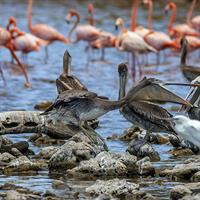
Discover Washington Slagbaai National Park. Founded in 1969 as a protected nature reserve and not to be missed. Be aware that you need an off-road car to access the 31 miles of unpaved roads through the park, which covers about 17% of the island. Besides the normal roads, there are 2 hiking trails and several guided tours. You will be certain of flamingo sightings in the many wetlands throughout the National Park. The Goto Lake is the perfect spot to see flamingos in their natural habitat, accessible from bot in- and outside the National Park.
See the City From Seru Largu. Seru Largu means “large hill” in Papiamento, and this low-lying mountain, the second largest hill on the island, give a birdseye view down over Kralendijk and Klein Bonaire beyond from heights of 400 feet. The hike takes you through fragrant sage bushes and Brasilia trees, often with frequent wildlife sightings. Look out for basking iguanas, wild goats, and even donkeys, which roam free on the island. At the top is the rather grand Millennium Monument marked by a cross depicting the words, “Christ, Yesterday, Today and Forever” in Papiamentu.
Explore Rincon, the oldest village on the island. Founded by the Spanish in 1527, this town offers a glimpse into the rich culture of Bonaire and offers a vibrant authentic feel where visitors can participate in local traditions. It is close to the National Park and the northern coast, and home to the Cadush Distillery, a cactus liquor factory, which can be visited for tours and rum tastings.
Visit Klein Bonaire, the small uninhabited island about half a mile west of Bonaire’s mainland. Klein means “small,” and this little sister island is only accessible by water taxis. It is a little oasis with expansive white soft sand that is home to the No Name Beach. It is a great spot for snorkeling with a colorful reef just offshore that’s home to many sea turtles, rays, and often dolphins.
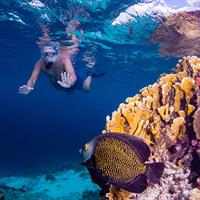
Go diving or snorkeling. Bonaire’s real claim to fame is the underwater world. Thanks to the island’s strict marine conservation programs, the island is one of the Caribbean’s best-protected marine destinations. It boasts over 85 dive sites and is consistently ranked as one of the best shore diving destinations in the world. Even if you only take a short snorkel trip, you can see all sorts of brilliantly colored tropical fish. There are an abundance of reefs right in front of many resorts, and many dive operators offer learn-to dive packages, if you’re not already certified.
Discover the Donkey Sanctuary. Established in 1993, the sanctuary has provided a safe and peaceful oasis for hundreds of orphaned, injured, and ill donkeys that were not able to fend for themselves in the wild. With your visit you can contribute to the local community and humane treatment of these animals, providing donations for the rescues. They also work with the local community to promote animal welfare and conservation. The donkeys are very friendly and comfortable around humans, whether you tour the sanctuary by car, golf cart, bike, or on foot.
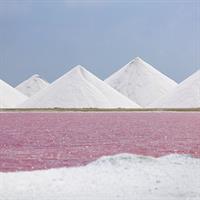
Tour the Salt Pier, Salt Flats & Flamingo Sanctuary. Bonaire is home to one of the Caribbean's largest flamingo colonies at the Pekelmeer Flamingo Sanctuary. These birds are a significant part of the island's wildlife. The island’s large salt flats are beautiful to see and still an important part of Bonaire’s economy. The salt industry has a long history on the island, dating back to the colonial period. Salt Pier is also a popular snorkeling and diving spot for its constant visitors of sea turtles and the corals around the base of the piers.

Food & Drink
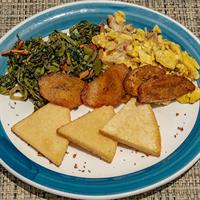
Bonaire boasts a distinctive cuisine shaped by Caribbean, Dutch, and Spanish influences. In Kralendijk, you’ll find numerous restaurants offering dishes featuring goat and seafood, both staples on the island. Like many Caribbean destinations, Bonaire has embraced lionfish on its menus—an invasive yet delicious species. Meals often come with funchi, a polenta-like side, or the region's signature rice ‘n’ peas, where the "peas" are typically beans. Fried plantains are another popular accompaniment.
The island offers a wealth of flavors to explore. Pastechis resemble Spanish empanadas—flaky pastries stuffed with meat, fish, or chicken. Guiambo, akin to gumbo, is a hearty seafood and okra stew, while piska kiryoyo is a spiced Creole fish dish served with tomato sauce and paired with funchi or rice. For meat lovers, there’s stobá, a slow-cooked stew made with goat (kabritu) or beef (baka). Another standout is keshi yena, a dish where Edam cheese is stuffed with meat and baked, creating a rich, gooey centerpiece.
Don’t leave without trying Bonaire’s local spirit, Tekibon, a cactus-based liquor similar to tequila, offering a unique taste of the island’s heritage.
Environmental: Sustainable Initiatives and Commitment
Conservation is a top priority in Bonaire. Since 1979, approximately 6,700 acres of the island's coastal waters have been safeguarded as a national marine park. On land, the Washington Slagbaai National Park, established in 1969, spans one-fifth of the island and serves as a vital wildlife refuge.
The island is deeply committed to environmental preservation, with numerous sustainable initiatives in place. This dedication has made Bonaire a premier destination for scuba diving and snorkeling, home to some of the Caribbean's most pristine coral reefs. Visitors are required to pay a special entrance tax, which directly supports conservation efforts, as well as a STINAPA nature fee for access to protected areas both on land and underwater.
Bonaire is also a leader in sustainability, drawing much of its electricity from renewable sources like wind and solar power. Its proactive approach extends to protecting the island's natural beauty and biodiversity through various local initiatives.