


Destinations
❮Main Menu
EXPERIENCE CUERNAVACA

Overview
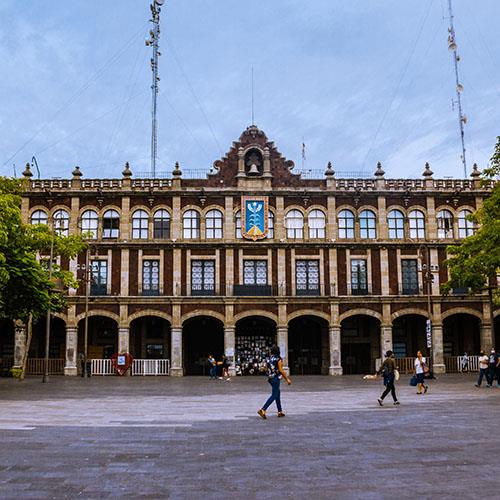
Cuernavaca lies just south of Mexico City, in the temperate foothills of central Morelos. Nicknamed the "City of Eternal Spring" for its mild climate, it has long attracted visitors seeking weekend retreats from the capital. The city center is anchored by the Palace of Cortés, a 16th-century fortress residence considered Mexico's oldest surviving colonial government building, now reopened as the Regional Museum of the Peoples of Morelos. Around it, tree-lined streets lead to cafés, small galleries, and shaded public gardens. Many travelers come for the weather and colonial landmarks, and stay to enjoy a quieter rhythm of life, with an arts and cultural calendar that favors museums, botanical spaces, and seasonal performances.
History and Culture
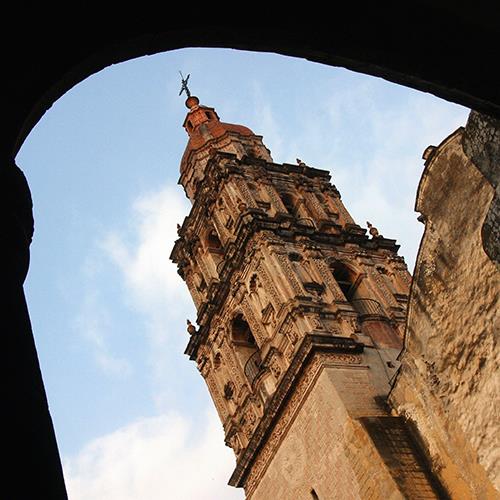
Before the arrival of the Spanish, the area around Cuernavaca was home to the Tlahuica people, a Nahua-speaking group whose legacy endures in local place names and agricultural traditions. In the 1530s, Hernán Cortés established a fortified residence here that still stands in the city center. During the colonial period, Franciscan monks built monasteries across the region, including the one adjoining the present-day cathedral, now recognized by UNESCO for its early evangelization architecture. Cuernavaca later served as a retreat for Emperor Maximilian and remained a destination for political and artistic figures through the 20th century. Cultural life today centers around institutions like La Tallera, once the workshop of muralist David Alfaro Siqueiros, and the Robert Brady Museum, where global and Mexican art are displayed in a preserved colonial home. South of the center, the ethnobotanical garden in Acapantzingo offers insight into the region's medicinal plant traditions.
Weather
Cuernavaca's elevation of nearly 5,000 feet keeps temperatures mild throughout the year. Winter afternoons typically reach the low 70s Fahrenheit, with mornings in the mid 50s. From March through May, the weather turns warmer and drier, with highs often in the mid 80s before the rainy season begins. Afternoon showers are common from June through September but tend to be short-lived and followed by clearing skies. October and November return to dry, pleasant days. Humidity remains low outside the summer months, and UV exposure stays high year-round. Light layers and sunscreen are recommended, even on overcast days.
Must-See Sights in Cuernavaca
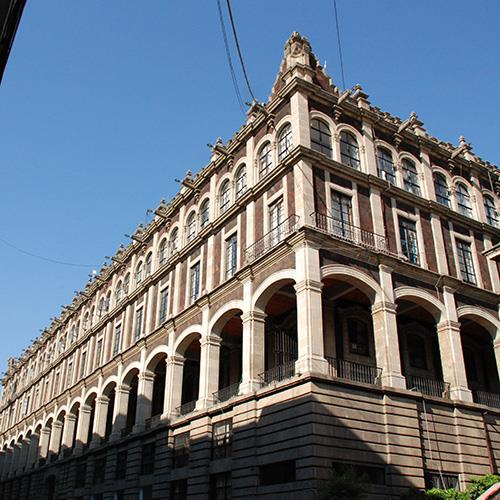
The Palace of Cortés stands at the center of Cuernavaca, a fortified 16th-century residence turned museum that reopened in 2023 with exhibits on Morelos state history, pre-Hispanic settlements, and a large Diego Rivera mural from 1930. Nearby, Cuernavaca Cathedral occupies the site of a 16th-century monastery and includes rare mural frescoes with Asian influences, along with a small religious art museum. Jardín Borda, once the estate of José de la Borda, offers landscaped gardens, seasonal exhibits, and quiet paths alongside occasional boat rides and café seating. Just behind the cathedral, the Robert Brady Museum presents a wide-ranging collection of art and artifacts in a carefully preserved colonial home. In the city's northeast, La Tallera, once the studio of muralist David Alfaro Siqueiros, now operates as a contemporary exhibition space under the national arts institute. South in Acapantzingo, the Jardín Etnobotánico and Museum of Traditional Medicine preserves indigenous plant knowledge and displays related to historical healing practices in the region.
Activities
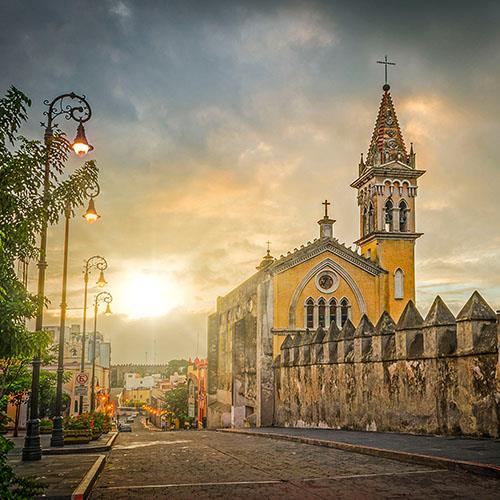
Early mornings are ideal for strolling shaded paseos near the cathedral or visiting downtown plazas before the midday bustle. Guided visits are available at the Palace of Cortés and the Museo Robert Brady, both within walking distance of the Centro's main squares. The Chapultepec Ecological Park includes a small zoo, planetarium, butterfly house, and wooded walking trails popular with local families. Puppet shows are occasionally scheduled on weekend afternoons.
Day trips from Cuernavaca often include the Salto de San Antón waterfall, located in a residential neighborhood just south of downtown, and the archaeological site of Xochicalco, about a 40-minute drive away. On select weekends, the ethnobotanical garden in Acapantzingo hosts workshops on traditional herbal medicine and native plant uses.

Shopping
Cuernavaca offers a mix of traditional crafts and low-key galleries, especially in and around the Centro. Vendors near the cathedral and along Calle Hidalgo sell silver jewelry, painted ceramics, embroidered blouses, and local confections like jamoncillo and crystallized fruits. Prices are typically posted in pesos, but it's still a good idea to confirm the currency, especially in tourist-facing shops.
In the neighborhood of Barrio de la Selva, small galleries and independent studios highlight regional artwork, paper crafts, and contemporary ceramics. The children's science museum nearby (Papalote Museo del Niño Morelos) includes a gift shop with books, science kits, and hands-on educational toys suitable for families. Weekend markets in various neighborhoods often feature rotating vendors selling pulque-based candies, handmade soaps, or textiles from nearby Tepoztlán and Amatlán.
Nightlife
Evenings in Cuernavaca are calm and sociable, with hubs around Jardín Borda and Plaza de Armas where cafés host live acoustic music or local jazz. Colonia Vista Hermosa draws a modest crowd to mezcal-focused bars that offer guided tastings in intimate settings. On weekends the city activates community theaters and garden venues with folk ensembles, open-air performances or small jazz combos. Cuernavaca's nightlife scene is built on relaxed conversation and open-air ambiance rather than clubs or late-night revelry. Rideshare services remain easy to find and fares stay reasonable into the evening.
Food & Drink
Cuernavaca's cuisine blends local agricultural traditions with long-standing regional cooking techniques. In the morning, tamales and café de olla (coffee spiced with cinnamon and piloncillo) are common offerings in market stalls and fondas. Barbacoa de hoyo, pit-roasted lamb cooked overnight, is a Sunday specialty in neighborhoods like Acapantzingo and Amatitlán, often served with handmade tortillas and consommé. Street vendors throughout the city sell seasonal fruits, elotes (grilled corn), and esquites (corn in a cup with lime, chile, and cheese), especially near markets and plazas.
For lunch, small family-run restaurants serve traditional dishes such as chile rojo with pork, pipián verde (a green pumpkin seed mole), and pollo en mole poblano. Cuernavaca is also known for tacos acorazados, a hearty regional style featuring thick tortillas piled with rice and stewed meats. In the city center and Vista Hermosa, upscale restaurants may offer grilled trout or vegetables sourced from local farms, paired with small-batch mezcal or craft beer brewed in nearby Tepoztlán. Thanks to the city's steady climate, sidewalk dining is common nearly all year.