


Destinations
❮Main Menu
Experience Curacao
Overview
Nestled in the southern Caribbean Sea, just 40 miles off the coast of Venezuela, the island of Curaçao is the "C" in the ABC Islands, alongside Aruba and Bonaire. As the largest, most populous, and most cosmopolitan of the former Lesser Antilles, Curaçao is a melting pot of history and culture. Its vibrant heritage is reflected in everything from colonial Dutch architecture to the flavorful Creole cuisine.
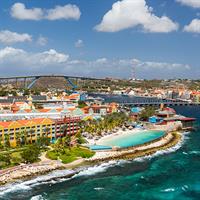
The island’s colorful capital, Willemstad, a UNESCO World Heritage Site, is a treasure trove of charming colonial buildings and rich history. Like its neighbor Aruba, Curaçao is home to a warm, multilingual population, but it also stands out with its thriving art scene, fascinating historical sites, and world-class diving spots.
Measuring just six miles wide and 37 miles long, Curaçao offers a harmonious blend of urban charm and unspoiled nature. Its breathtaking beaches and stunning landscapes provide the perfect backdrop for adventure, exploration, and relaxation, making it a true gem in the Atlantic.
Things to See & Do
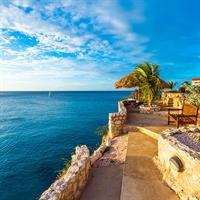
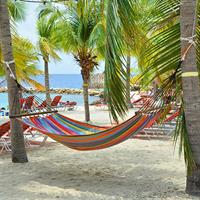
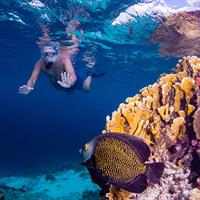
Visit the beaches. Curacao is home to 38 beautiful sandy beaches ranging from tranquil bays to secluded coves. There are many located around Willemstad and to the south. To the north lies craggy rock-lined shores that offer dramatic coastlines, including Shete Boka National Park. Mambo Beach, also known as “Sea Aquarium Beach,” is a vibrant spot with a bunch going on. It’s the place to be in Curacao, with sparkling waters, tons of restaurants, shopping, and bars on the boulevard. This is also where the beach parties are at. Jan Thiel Beach is a lively hub for tourists looking for a vibrant atmosphere with restaurants and bars, and crystal-clear waters with soft sands. Playa Port Mari is great for snorkeling the unique double reef for colorful marine life. Cas Abao Beach is a hidden gem on the island’s northwest coast with clear waters, excellent snorkeling, and shaded spots beneath large trees. These are just a few of the beautiful beaches, there are many more, each promising an unforgettable experience in a tropical paradise.
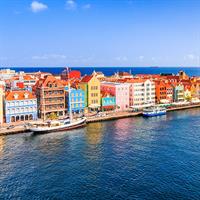
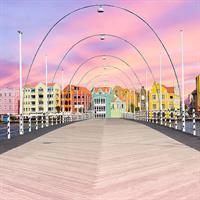
Explore Willemstad - A beautiful UNESCO World Heritage Site. The capital city is like a colorful and tropical version of Amsterdam (which makes sense given that the Dutch did colonize the island). This colorful, artsy city was named after Dutch governor Willem II van Oranje and still has original historical buildings from the 17th and 18th centuries as well as sidewalk cafes and waterways reminiscent of Amsterdam. Both the Punda and Pietermaai areas boast a variety of vibrant restaurants, galleries, and shops. And don’t miss the Old Market to try delicious local specialties like goat stew and red snapper.
Visit Fort Amsterdam. Built in 1635, Fort Amsterdam is the oldest fort in Curaçao. It’s a UNESCO World Heritage Site and once was the island’s most important fortification. Nowadays it’s home to the governor’s house and several government offices as well as the Fortkirche, the oldest church on Curaçao. You can visit the church, which contains its original pulpit, as well as a small historical museum.
Take a stroll on Queen Emma Bridge, overlooking Handelskade. Named in 1888 after a Dutch queen and respectfully called the “Swinging Old Lady,” the long pontoon Queen Emma Bridge swings open to let ships into the St. Anna Bay and connects Willemstad’s two districts, Punda and Otrobanda (“other side”). It’s pedestrian-only and unique for its hinged structure with two propellers. On the Punda side, you are greeted by Handelskade, a row of historic buildings on the waterfront painted in lively colors.
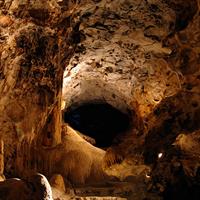
Tour the Hato Caves. Located near the airport, these 300,000-year-old limestone caves were once hiding spots for escaped slaves, who would hide out for weeks or even months at a time. Climb up the 49 steps to reach the terrace where you can enter the cave and take a 45-minute guided tour to see the stalagmites, stalactites, bat colony, and cave drawings by the Amerindian Arawaks, which date back over 1,500 years. There are trails outside to stroll the beautiful nature and wildlife on the ‘Indian Trail’ and see the carvings done by the Caiquetio Indians.
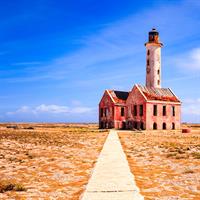
Take a trip to Klein Curacao. Located 5 miles off the southeast coast of Curacao, Klein Curacao (Little Curacao) is a small uninhabited island, but with a few things its former residents left behind. There is, what’s left of a shipwreck on the island that you can explore as well as an abandoned lighthouse. The beach is one of the reasons that many people travel to Klein Curacao, though. The white sandy beach is longer than any beach on the main island and the coral reefs, clear waters, and amazing marine life make it well worth the trip.
Discover Kas di Pal’l Maishi. Caracao is a multi-ethnic Dutch colony with a population of about 150,000 people who speak Papiamento, a Creole language that blends Portuguese, Spanish, Dutch, and English, as well as dialects from Africa and the Arawak Indigenous people. The Kas di Pal’l Maishi preserves the legacy of the Afro-Curacaoan people to experience how they lived in rural Curacao until 1950. A guide will take you through the experience and the small house, transformed into a museum housing clothing, cooking utensils, household artifacts, and more.
Explore history at Kurá Hulanda Museum. Located in the home of a 19th-century merchant and slave owner and tells the story of the African slave trade on Curacao. The museum is home to the largest collection of African artifacts in the Caribbean including 18th-century artifacts and scale models as well as collections of pre-Columbian gold, Mesopotamian relics, and Antillean art. Be sure to stroll the grounds of the house which includes sculpture gardens, home to friendly island cats, and a beautiful bronze sculpture that from one side shows a woman’s face and from the other the continent of Africa.
Hike around in Christoffel National Park. Home to over 260 bird species, nine species of reptiles, 10-foot-high cacti, a host of mammals, and rare plant life, including wild orchids. You’ll also find the Savonet Museum on the site of the 19th-century plantation house, which tells the story of the period of slavery, its abolishment, and the country’s independence in 2010. There are many biodiverse scenic mountain and coastal trails for every ability, including the challenging hike to the top of the Christoffel Mountain. There are two scenic road trails to drive if you have a car, if you’d rather not walk.
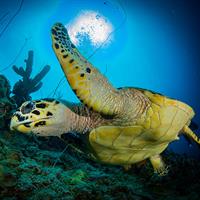
Tour Shete Boka Park. For more outdoor adventure this park covers 6 miles of the island’s rocky northern coast. There are 10 secluded beaches which are home to many different species including sea turtles and their nests. Boka Tabla is the most popular inlet, renowned for its deep underground cave. There’s also a blow-hole area located near Westpunt.
Kayak around the coast. Enjoy a leisurely guided paddle through Curacao’s Caracas Bay which leads to secluded beaches and historical landmarks, such as Fort Beekenburg. The shallow waters are a great place for snorkeling
Visit the salt flats. Called saliñas, Curaçao’s salt flats are no longer harvested for their “white gold.” Located in the former Jan Thiel plantation, this popular bleached landscape has some amazing flora and fauna and it’s also a great place to see flamingos. There are walking tours available around the salt flats that include fruit and water.