


Experience El Chalten
Overview
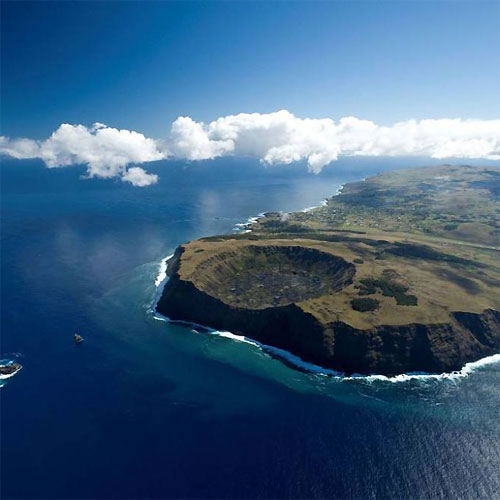
The enchanting Easter Island or Rapa Nui is nestled in the Pacific Ocean, at the southern tip of the Polynesian Triangle in Oceania. It is the most remote island sitting 2,200 miles west of Chile and one of the most isolated inhabited islands in the world known for its iconic giant monumental Moai statues and rich history, it's the perfect destination for an unforgettable vacation. The island is a UNESCO World Heritage Site, and most of it is protected within Rapa Nui National Park.
Things to see and do
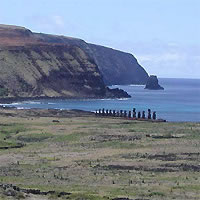
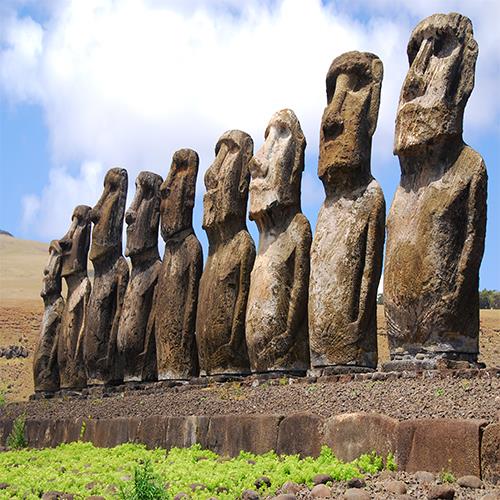
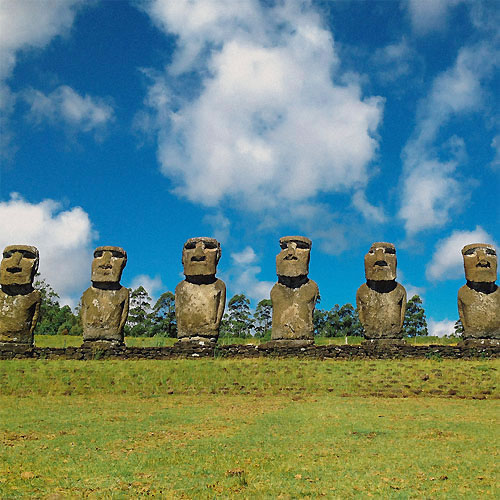
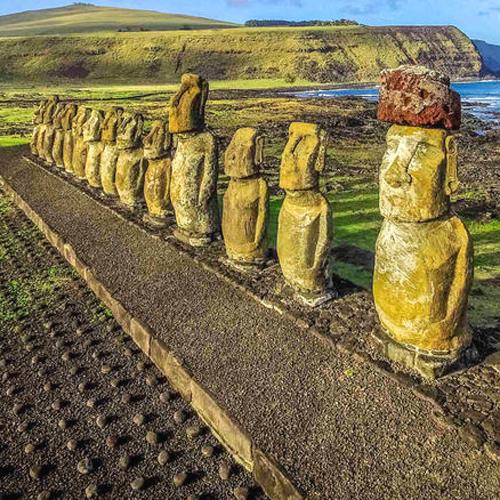
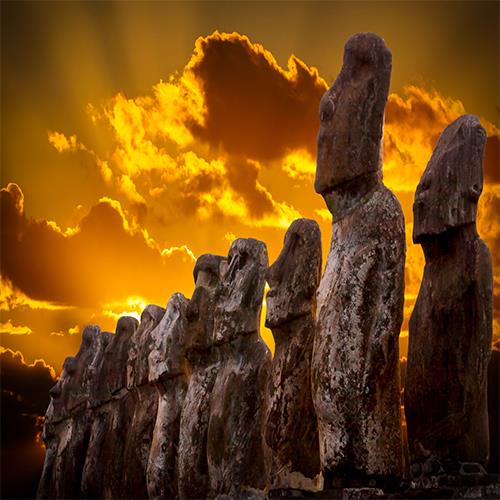
Observing an impressive sunrise on Easter Island is a magical experience and one that should not be missed. There are many phenomenal locations to witness this astonishing spectacle and capture special photo ops’ with the iconic Moai statues. Ahu Tongariki is among one of the best places to see the sun rising over the 15 imposing moai statues lined up on a 200-foot platform on the edge of a cliff, some stand 45 feet tall. When the sunrise peeks through these magnificent statues it creates some pretty incredible shadows across teh landscapes.
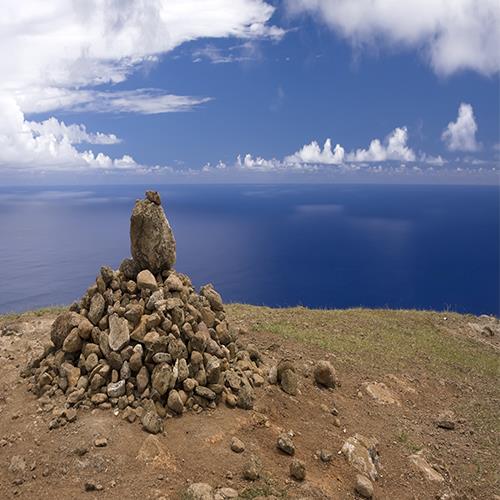
Go hiking up to the highest point on the island. Maunga Terevaka is the largest, tallest (1,663 feet), and youngest of three main extinct volcanoes that form Easter Island. It takes around 2 hours to trek to the summit which will reward you with sensational panoramic views, it is also accessible by horseback riding.
Visit the dramatic landscapes and ceremonial stone village of Orongo perched on the edge of a dramatic cliff overlooking the cobalt-blue Pacific Ocean where a collection of stone houses stand a thousand feet above sea level. This tiny ancient village and historical site is where the Tapati Rapa Nui festival takes place each year (first two weeks in February) and the ancient Birdman competition involves climbing and swimming to retrieve the first manutara bird egg of the season (Spring).
Take part in many of the water-based activities on the island. The waters around the island are known for their visibility and clarity reaching as far as 200 feet underwater. There are some coral reefs found in the waters in Hangoa Roa Bay at 60 feet deep, and over 160 species of sea creatures living underwater, 26% of which are endemic to Easter Island. There are also tropical fish and sea turtles in and around the Bay, as well as underwater volcanic caves, cliffs, and lava platforms to witness. Scuba diving is popular in the warm waters, there a several diving schools on the quay around Hanga Piko in the small harbor on the Hanga Roa Coast.
The beaches at Hanga Roa are the perfect place to learn how to surf! There are plenty of excellent waves off the shores of Easter Island, you can rent a surfboard in Hanga Roa and catch some serious swells on the northern beaches.
There are also options for diving and boat tours in the beautiful Pacific Ocean, take a day trip on the waters and do some fishing or diving to discover the underwater world in the clear blue waters.
Kayaking is another popular activity from the key at Hanga Piko harbor where kayaks are available for hire and kayakers can head out around the Ovahe and Anakena beaches and other locations throughout the island.
Rent a bicycle and head out on two wheels to explore the island. Riding your bike to Anakena or Ovahe Beach is a popular activity. It's a great way to travel around and enjoy the islands slower pace while taking in the scenery with the ocean breeze on your face it gives you a deeper perspective of the sights.
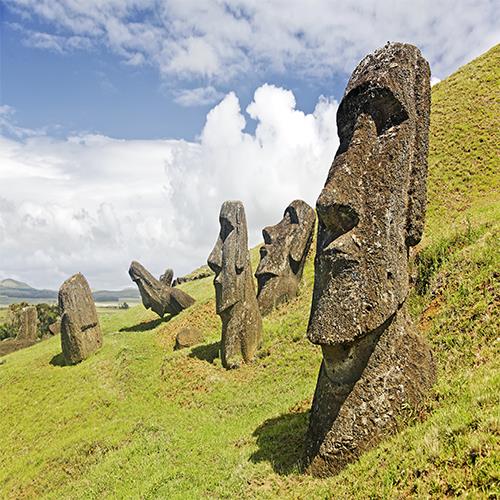
Visit the volcano of Rano Raraku, known as “the nursery” the quarry here is where 95% of the iconic ‘moai’ statues were carved from volcanic tuff. It is an impressive landmark and the most important archaeological site on the island. El Gante is the largest known moai standing 71 feet tall and weighing in at 270 tons, the unique kneeling Moai Tukuturi has a full body squatting on its heels, with its forearms and hands resting on its thighs. From the top of the volcano’s 330-foot crater with a glistening lagoon in it, visitors can absorb the spectacular 360-degree views and a small glistening lake where around 20 moai statues stand.
Visit Vinapu another interesting archaeological site set on an extensive esplanade where the remains of two ceremonial platforms known as ahu, where moai statues once stood. The statues were overthrown and now remain face down with their topknots on the ground in front of them. It is a UNESCO World Heritage Site and part of the Rapa Nui National Park.
Spend a day or the afternoon at Anakena Beach, a calm tropical paradise boasting soft warm white coral sand and tranquil turquoise waters protected by a cove. It is a large, half-moon-shaped beach and the only swimmable beach on the island. Sit back and relax under the swaying palm trees, grab some food at the beachside kiosks, and enjoy an ice-cold Mahina beer while you soak in the breathtaking views.
Visit some of the extensive caves on the island, the most visited is Ana Kakenga. A 31-mile-long volcanic tube that was formed thousands of years ago, situated along the coast known as the `Cave of the two Windows` with two unique openings on the side of a cliff boasting stunning views over the Pacific. Have fun exploring the massive cave and capture a sunset through one of the windows! A truly magnificent experience.
Archaeology - Moai Statues
Many people come to Easter Island to see the colossal, mesmerizing, stone moai statues often referred to as the “Easter Island Heads”. There are some 900 moai statues of ancestral chiefs whose supernatural power protected the community found scattered throughout the 63 square mile island. They were created by roughly 1100-1650 Rapa Nui carvers. The island is also home to other historic and natural sites like petroglyphs, and other ruins.
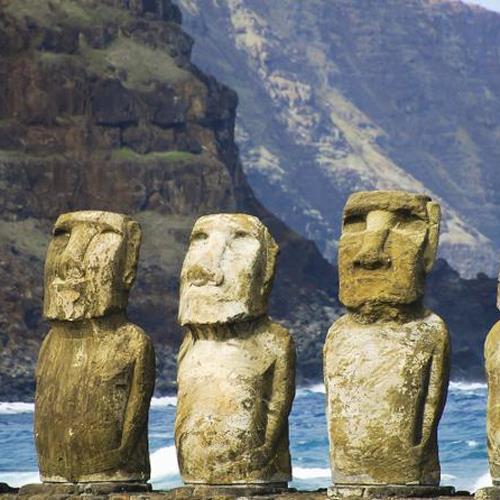
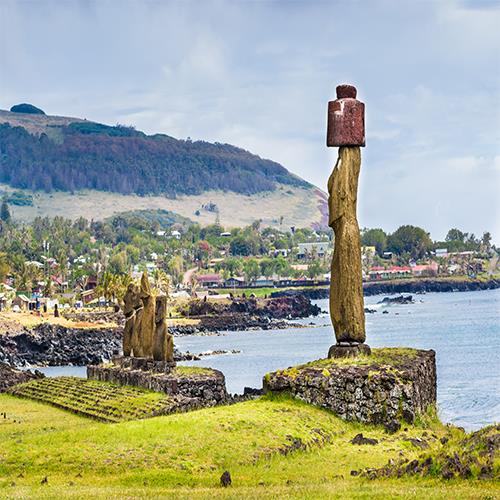
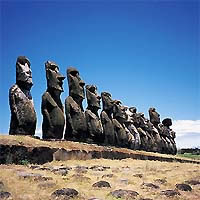
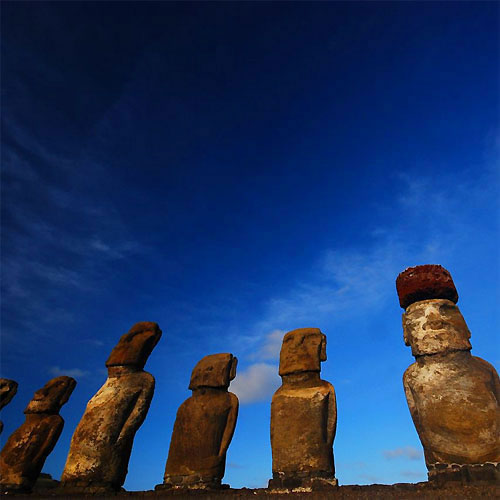
The massive moai stone figures were originally erected on ceremonial temple platforms called ‘ahu’ along the coastline of Easter Island. Many face inland to keep watch over the community, these sculptures weigh anywhere from 10-12 metric tons and are roughly 13 feet tall, their main characteristics are long sloping noses, strong brows, deeply inset eyes, and prominent chins. It was quite a magnificent experience seeing the moai dotted around the island and an easy way to learn about the Rapa Nui culture. A few of the popular sites to see include; Ahu Tongariki one of the most famous structures on the island, a raised platform that contains 15 moai that stand together in a dramatic line, and a striking vision, especially at sunrise. Ahu Tahai is the place to capture an Easter Island sunset, the ahu here supports a weathered solitary moai, and the striking Ahu Ko Te Riku is one of the few moai that still sports a red topknot and coral eyes that are believed to have been features of all the statues at one time.
Brief History
Easter Island is said to have been formed between 1 million to 100,000 years ago, it was created by three separate volcanic eruptions. The first inhabitants arrived between 600-900 AD from other Polynesian Islands, and it was named Rapa Nui (Rapanui stands for people). The Rapanui people began carving the moai statues and many years later they were erected on the ‘ahu’ ceremonial platforms to overlook their villages as a means of protection against descendants. In 1772 Dutch explorer Jacob Roggeveen and his crew sighted the island and christened it “Easter Island” as it was discovered on Easter Sunday. Sir James Cook visited Easter Island in 1774 and found the population decimated.
Between 1700 and 1883 the Rapanui gradually overthrew (any moai statues standing today were restored by archaeologists) all the moai statues on the island. This is said to have been due to tribal wars brought on by a lack of resources, ironically caused partially by their excessive moai production. In 1884 Catholic missionaries arrived on the island and converted the population to Christianity. Chile annexed Easter Island in 1888. Chile appointed Easter Island with a civilian governor in 1965, and in 1966 the Rapa Nui people gained Chilean citizenship and human rights. Easter Island was administered as a special territory by Chile in 2007. The Rapa Nui National Park covers 40% of the island and is also a UNESCO World Heritage Site.
Dining and Nightlife
Easter Island cuisine is known as Pascuense or Rapanui food, it is characterized by a lot of fresh fish and seafood due to its location in the South Pacific Ocean, as well as fruits and vegetables grown on the island. One of the main fish found in the surrounding waters is tuna so menus are full of this type of fish which is used to make everything from empanadas and ceviche to tacos. Other popular fish and seafood include mahi-mahi, swordfish (kana-kana), octopus (heke), lobster, sea snails (pipi), eels, and shrimp.Most of the restaurants are found in the main town of Hanga Roa along the main street. Other restaurants are located at hotels and other accommodations. Hotel Vai Moana is one of the few places that does a traditional Umu Rapi Nui or Easter Island curanto which is a feast of either beef, chicken, or fish and other ingredients wrapped in banana leaves and cooked over hot stones.
Surprisingly for such a small island, there are some good nightlife opportunities on Easter Island. Hanga Roa is the main town which has some restaurants, bars, pubs, and nightclubs to offer visitors once the sun goes down. There are two main nightclubs; Pikano, and Piriti which don’t kick off until midnight or later. There is live music at some of these establishments as well as dance shows. Many of the hotels are resorts on the island offer their own nightlife options.