


Destinations
❮Main Menu
Experience Guadeloupe Islands
Overview
Guadeloupe is a stunning tropical island located in the Lesser Antilles, in the Caribbean. From the administrative point of view, this island forms an integral part of France and is considered as one of the French overseas departments. Because of this fact, the island is also a part of the European Union. This French overseas region may share many of the same attributes as other Caribbean destinations (white sandy beaches, mountains, remarkable coral reefs), but Guadeloupe’s Franco-Caribbean culture sets the archipelago apart from its neighbors.
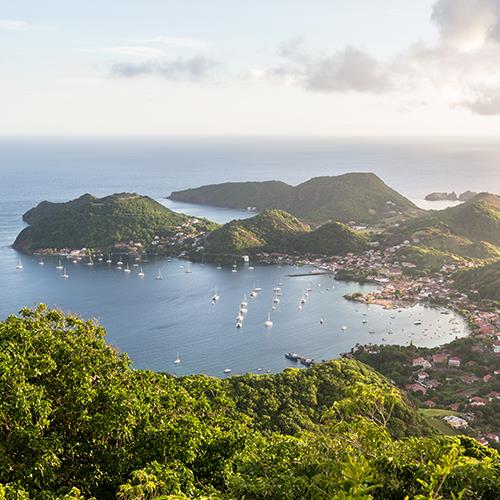
The Guadeloupe archipelago itself consists of two islands lying so close to each other, that they are often considered as one land. Their names are Grande-Terre and Basse-Terre, where the capital – the city of Basse-Terre – is located. These two islands are home to Guadeloupe’s main resorts; they are where most of the hotels and nightlife can be found. They are also home to the archipelago’s leading historical attractions, including forts, defunct sugar plantations and museums. Besides those two, a few smaller islands belong to Guadeloupe’s region: La Désirade, Marie-Galante, Petite-Terre, and Les Saintes. All these islands are closely strung together across beautiful waters by an efficient ferry network.
Things to See and Do
Take a hike up La Grande Soufrière, an active volcano, which has erupted eight times since 1660. The highest peak, which tops out at 4,813 ft offers an adventurous climb, however the panoramic views at the top make it well worth the effort. The hot springs, mud pools, and fumaroles, waterfalls and lush hillside are remarkable to explore.
The National Park of Guadeloupe in Basse-Terre encompasses over 188 miles of marked trails, most of which are located in the rainforest; La Soufrière volcano stands at 4,812 ft; Col de la Matéliane stands at 4258 ft; and a wide range of flora and fauna, including 100 species of orchids and 11 species of bats. A good way to tour the park is via Route de la Traversée (D23). This scenic trans-coastal highway winds through the tropical forest of majestic mahogany trees and bamboo. Along this route are lookouts, picnic areas, jungle waterfalls, and a staffed roadside center at Maison de la Forêt.
Discover ancient art at the Parc Archeologique des Roches Graves, Trois-Rivieres. This is home to many of the rock carvings made by ancient tribes such as the Arawaks that once inhabited the Guadeloupe Islands. The park also has a remarkable tropical garden and visitors can enjoy fantastic views across the Les Saintes archipelago.
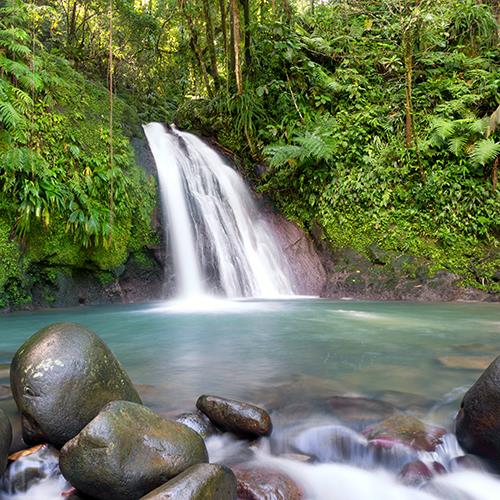
Chutes du Carbet is a remarkable pair of waterfalls high in the mountains of Parc National de la Guadeloupe. The waterfalls plunge down a sheer mountain face. The drive up to the Chutes du Carbet lookout gives a view of two stunning waterfalls plunging down a mountain face. From the lookout you can see the two highest waterfalls from the upper parking lot, where a signboard marks the trailhead to the falls’ base.
Explore the colonial capital, Pointe-a-Pitre, characterized by its colorful colonial buildings, lively markets and friendly locals. The center stage of the city is the Place de la Victoire where more than 850 people were beheaded by guillotine during the French Revolution.
The protected mangrove swamps of Guadeloupe abound with migratory birds: pelicans, kingfishers and herons. By kayaking through the mangrove forests, which are situated along the western coast of the country, these species can be viewed in all their glory. There are also plenty of hiking trails through the swamps as well.
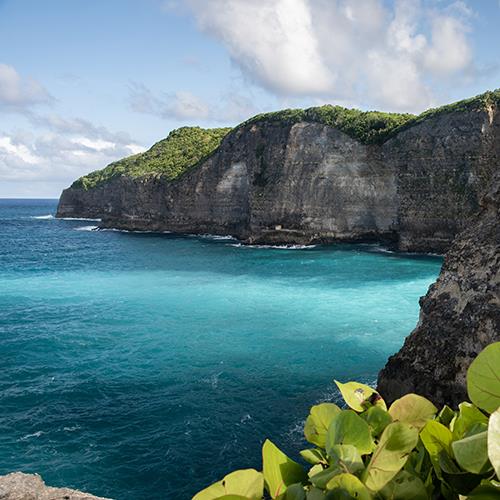
Pointe des Châteaux is a long craggy peninsula right at the eastern tip of Grande-Terre. It is a scenic stretch of landscape with some great beaches on both sides and a popular spot with locals. A botanical path leads from the village to the vantage point among great black rocks, which gives a clear view to the islands of La Desirade, Petite-Terre, and Marie-Galante. It is hugely popular with cyclists, who enjoy the scenic flat road.
Beaches
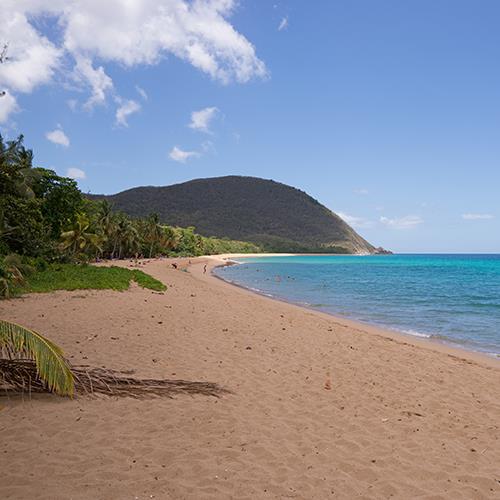
Guadeloupe is filled with beautiful sandy beaches. From black, volcanic sands to sweeping white sandy shores, Guadeloupe offers some of the most remarkable beaches in the Caribbean.
Salako Beach offers a lush backdrop of rustling palm trees. For sundowners Plage de la Perle on Gand-Terre is hard to beat with its golden sand and ramshackle beach bars. For quieter shores explore Sainte-Anne or Grand-Terre. La Caravelle, located next to Sainte-Anne city, is clean and filled with water activities such as kitesurfing, paddling, and kayaking. Grande Anse is considered to be Guadeloupe’s best beach, with golden sand, huge palms and calm turquoise waters. Plage Caravelle is perfect for sunbathing and snorkeling, filled with soft white sand and reef-protected waters. Plage de Clugney offers stunning views of Monteserrate, powder-white sand and a crystal clear blue water. And the long stretch of gorgeous beach, Plage des Raisins Clairs near St-Francois is popular for surfing. Just to name a few.
Eating and Drinking
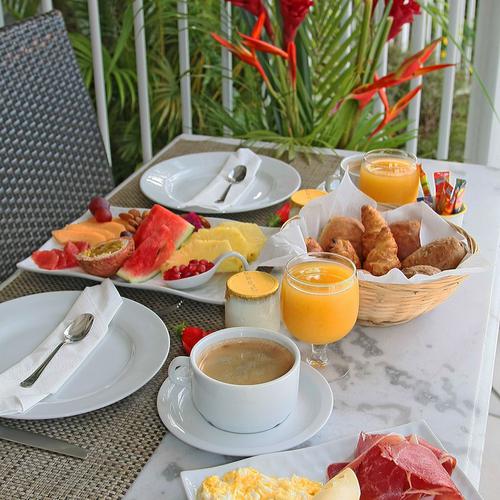
Guadeloupe cuisine features many Creole specialties, including land crab with hot peppers and fresh coconut, freshwater crayfish, and mashed bananas and breadfruit. There is also a strong French influence on the island. Seafood is a staple on most menus, and curry dishes are also popular. Spices and herbs are heavily used, and local fruit such as the star-shape carambole, giraumon (a type of pumpkin) and malanga (a type of root) are also common ingredients. Guadeloupe has several patisseries and cafes serving French pastries with a Creole twist.
The local drink is white rum. Do try the "'Ti Punch" (Petit Punch/small Punch) (rum, lime, and sugar cane/brown sugar). It packs a punch! Other regional drinks include French wines, champagnes, and liqueurs.
Rum
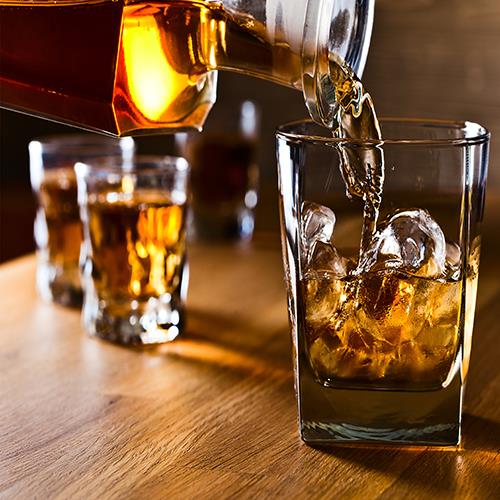
Guadeloupe’s famous rum, or Rhum as it is called, is treasured by both locals and true rum connoisseurs for the high quality and signature taste, results of time honored distilling traditions still used today. Guadeloupe’s famous rum institution, Musee du Rhum, housed in part of the old Reimonenq Distillery, explains how the sugarcane spirit is produced from cane to bottle and, more importantly, offers visitors a taste of the local brew. Damoiseau Distillery is a more low-key distillery near Le Moule with explanations in English and a gift shop on site. Located between Grand-Bourg and Capesterre, the historic distillery of Bielle offers free self-guided tours of its age-old operation, and fully stocked gift shop selling the rum it produces. Distillerie Poisson, Marie-Galante’s second distillery, bottles the island’s best-known rum under the Pere Labat label. There is also a good restaurant on site and plenty of opportunities to taste samples.
Islands
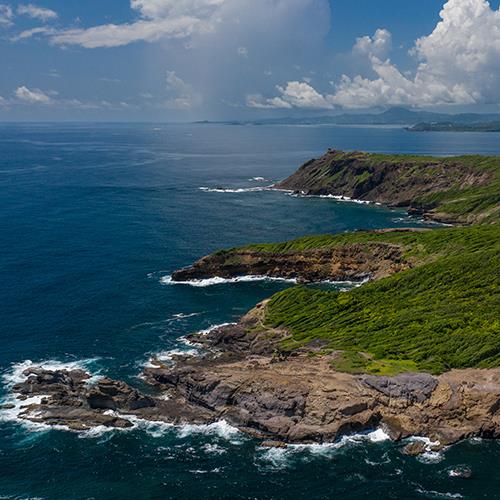
Located 6 miles off Guadeloupe, laid back Terre-de-Haut is the largest of the eight small islands that make up Les Saintes. The atmosphere offers a southern France feel transported to the Caribbean. It is the most cosmopolitan of Guadeloupe’s outlying islands with stunning views, soaring peaks, beautiful historic buildings and fantastic beaches. Divers love the waters here for the visibility and healthy reefs.
Tiny La Desirade is a quintessential Caribbean island with wonderful beaches and excellent seafood restaurants. Its unusual name is derived from the fact that it was the first sight of land caught by Columbus on his second voyage in 1493 - thus ‘the desired’ landfall that his crew were hoping for.
The undeveloped island of Marie-Galante is popular among visitors who enjoy a slower pace, particularly by beach lovers who want to escape the crowds. The island is also home to some fabulous old buildings, and top-notch eating and sleeping options.
Terre-de-Bas is the only other inhabited island in Les Saintes. It’s a Caribbean paradise that was once home to sugar and coffee plantations. With these long gone, the island relies on fishing for its livelihood. It is a great place for a day excursion or even stay overnight.

Nightlife
As night falls on Guadeloupe, many bars and restaurants turn into live music venues. As well as Biguine (a type of music which fuses 19th-century French ballroom dance with African rhythms) and Zouk (a fast, carnival style type of music), jazz is also popular on the islands. No evening is complete without listening to music. The islanders are known for their dancing as well. The Marina Pointe-a-Pitre is where you’ll find numerous bars, nightclubs and restaurants that overlook the limpid natural harbor between Grande-Terre and Basse-Terre. If you are looking for something a bit more fancy, there are two casinos in Guadeloupe: Casino Gosier-les-Bains in Goser and Casino de St-Francois in St-Francois. Both are on Grand-Terre.
Shopping
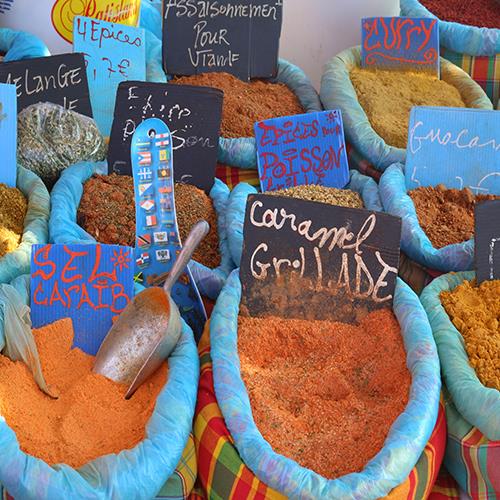
For local handicrafts and souvenirs, one of the top places to go is the Village Artisanal, which showcases the top Guadeloupian produce. Located on Grande-Terre’s La Pointe des Chateaux peninsula, this market is home to a range of charming shops and restaurants.
Pointe-a-Pitre is great for high-end shopping opportunities. The stores in Center Saint-John Perse offer anything from perfume and jewellery to cosmetics. Emporiums selling similar products can be found at Frebault, Nozieres, and Schoelcher Street.