


Destinations
❮Main Menu
Experience Guam

Overview
Guam is a beautiful little 30-mile-long island in the North Pacific, around one third of the way between the Philippines and Hawaii, that is part of the U.S.A. as an unincorporated territory. It sits almost 1,500 miles south of Japan and around 2,100 miles from North Korea. It is the lower-most island of the Mariana Islands archipelago, the northern portion of which is the Commonwealth of the Northern Mariana Islands, another U.S. Protectorate.
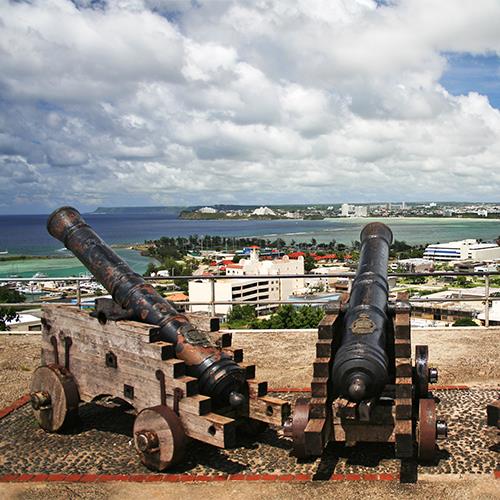
Guam boasts stunning white sandy beaches, clear turquoise waters, and a gentle ocean breeze that welcomes visitors from Japan, Korea, Taiwan, Hong Kong, Australia, Russia, China, and the United States. From centuries-old Spanish forts to multi-levil Louis Vuitton stores, Guam is the crossroads of ancient culture and modern commerce. Refusing to be categorized, the island with a population of only 156,000 has become all things to everyone - the shopper, the adventure lover, the spa goer, the beach bum, and the culture enthusiast, just to name a few.

Things to see and do
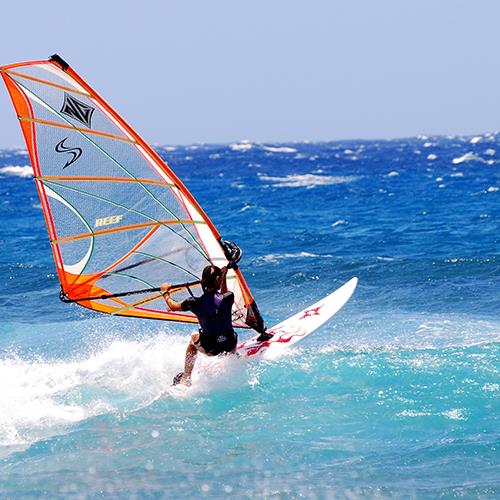
Watersports: Guam’s beautiful waters lend themselves to an array of water-based activities, including jet skiing, windsurfing, kayaking and fishing. A recent addition to the watersports scene is snuba diving, which combines the freedom of snorkeling with scuba. Or enjoy seeing marine life using a Seawalker, which is a unique helmet filled with air.
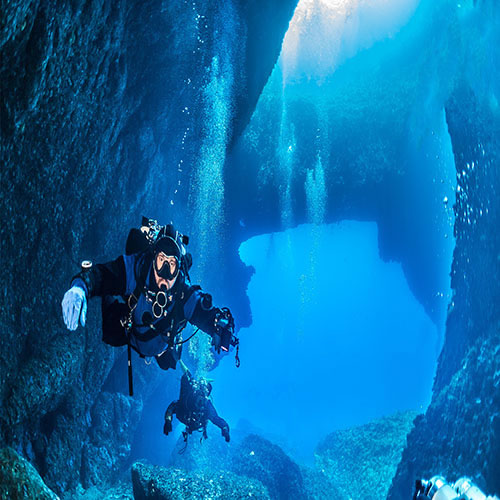
Underwater World: One of the world’s leading dive destinations, underwater attractions include WWII wrecks, colorful coral reefs, and marine life aplenty. Divers often spot the spinner dolphin, which inhabits the island’s shallow bays. The island also has plenty of reputable dive schools, which are perfect for beginners.
Ironically, war violence left Guam with some beautiful peacetime activities: Apra Harbor is a perfect place to go. Noteworthy wrecks include the SMS Cormoran, a German Tanker from WWI and the Tokai Maru, a Japanese Navy freighter from WWII. The two wrecks now sit next to each other beneath the waves, where divers can access old decks and engine rooms. The Val Bomber, a Japanese War plane, is also located nearby.
Inarajan Pools: These beautiful shallow pools created by natural coral formations allow you to swim or snorkel right on the ocean. There is also a small hike off to the right side of the pools to a platform with an amazing view! You’ll have to cross a small stone bridge and climb up a metal ladder, but the view of the pools from above will be well worth it.
Snorkeling in Ypao Beach (pronounced eee-paw) offers a perfect opportunity to see colorful fish, octopus, and puffer fish that call this area home. This is also one of the island's most convenient beaches.
Submarine fish viewing is a great way to view Guam’s attractions that lie underwater if you are not a diver. Atlantis Submarines goes five times a day, focusing on tropical fish. This part of the pacific has over 950 types of fish and around 300 kinds of coral.
Pagat Cave: This is a freshwater cave that you can swim in! There’s a short, but steep hike, but the trail is easy to follow. Take underwater lighting because the cave can be dark.
Inarajan Village: The living museum in Inarajan Village focuses on the traditions and lifestyle of the Chamorros. Demonstrations reveal how natives made sea salt, wove rope and how coconut was more than just food; husks served as insect repellent, fire starters and insulation.
South Pacific Memorial Park: Learn about Guam’s tumultuous history and this park, just outside Hagatna. The Memorial commemorates those killed in WWII, and the nearby War in the Pacific National Historic Park honors everyone who served in the Pacific theater in World War II, and with good reason: Some terrible things happened in Guam. Worst of them was the island’s occupation by Japanese troops, whose abuses still haunt locals. At a terrible human cost, the Allies retook Guam on July 21, 1944, a date still celebrated each year as Liberation Day. Guam Museum is also well worth a visit, showcasing Chamorro culture that tells the story of Sgt. Shoichi Yokoi, a Japanese soldier, who hid in rural Guam until 1972, unaware the war was over.
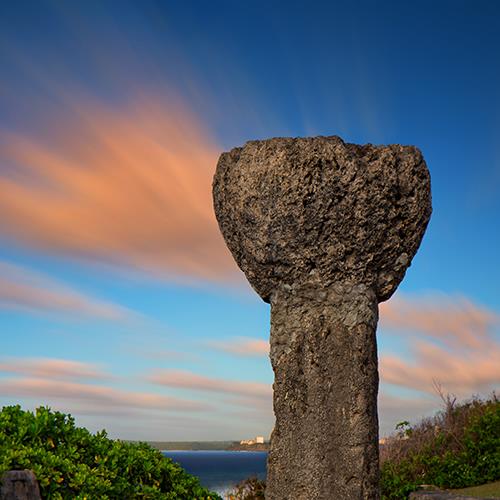
Latte Stone Park: This is an 80 ft. tall latte stone that overlooks Asan and Agana Bays. Explore the crumbling remains of the ancient Chamorro people, which sit in the manicured surrounds of Latte Park. Other notable green spaces include Merizo Pier Park, in the south, which has panoramic views across the ocean. It’s also worth venturing to the dark sands of Talofofo Bay Beach Park, which is located at the mouth of the Talofofo River and is renowned for its surf.
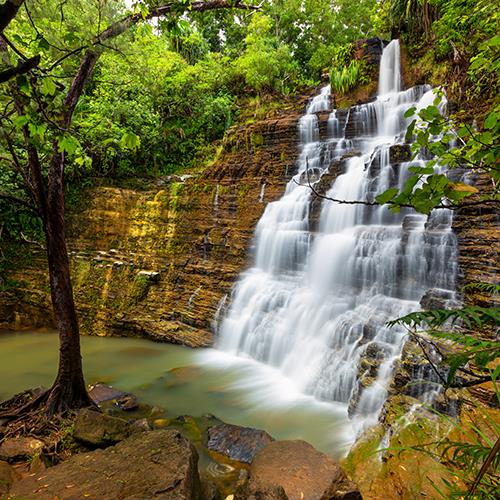
Talofofo Falls: A popular destination for hikes, or as the locals call them, “bonnie stomps.” Explore Guam’s most popular waterfalls through Talofofo Falls Resort Park. A cable car allows stunning views of the 30-foot waterfall. The Resort Park also is home to the Guam Historical Museum, Shoichi Yoki’s Cave, Observation Tower, and Ghost house. A small admission fee is charged to get into Talofofo Falls Park.
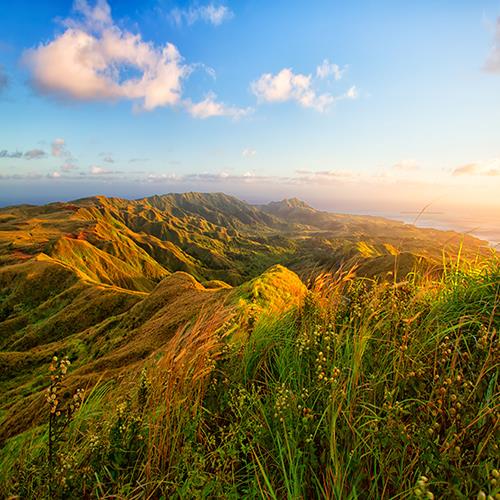
Mount Lamlam: For the best views of the island climb Mount Lamlam, which is the highest point on Guam at 1,334 ft. And here’s a bit of trivia for you to consider on the way up: the distance between the summit and nearby Marina Trench is the greatest elevation change on Earth over such a short distance. Other popular hikes include: Marbo Caves Cliffline or Thousand Steps for a beautiful view, Ague Cove, Sigua Falls, and San Carlos Falls.
Hagatna: Spain ruled Guam for 333 years and Hagatna, the capital, has many colonial buildings in the charming old town. The city is an unlikely foodie hotspot, with many fine restaurants, while the city’s pubs, cocktail bars and clubs cater for hedonists. Culturally, there are a number of attractions nearby including the Guam Museum.
Apra Harbor: From this vantage point, one glimpses the harbor just like the Japanese soldiers did when the Americans invaded the island. A commemorative monument lists those who died during the three-year Japanese occupation. Today the harbor is a busy cruise and cargo ship port.
Namo Falls Botanical Garden: The Namo Fall Botanical Gardens in Agat is a popular spot for some wild swimming. Bathers can paddle in pools beneath two waterfalls, called Guella and Guello (“grandmother” and “grandfather”). Also be sure to take a stroll through the beautiful botanical gardens to discover beautiful orchids, bougainvillea, mango trees and much more.
Chamorro Culture
The unique culture of Guam is something to be explored. The traditions and customs of Guam's proud island heritage thrive, despite invading conquerors, wars and epidemics, and changing governments. Forged from a neolithic foundation and molded by historical events, Guam's living culture has expanded into a vibrant, modern way of life.
Since the 17th century, Catholic churches have been the center of village activities. Even today, every village has its patron saint whose feast day is celebrated with an elaborate fiesta, which the entire island is invited to attend.
Countless Americans, Europeans, Asians, Micronesians, and other visitors have left their imprints on the island's pastimes and tastes, but nowhere is the island's multi-cultural influence more evident than in its food.
Music is an integral aspect of an island lifestyle, and performances using traditional instruments, such as the belembaotuyan, are highlights of cultural presentations. The belembaotuyan, made from a hollow gourd and strung with a taut wire and pressed against ones bare stomach, creates a melodic sound enjoyed by all. The nose flute, once a long forgotten instrument, is now making a comeback here.
The Kantan Chamorro style of singing has been a favorite form of entertainment for generations. Contemporary music is an important element of any social gatherings, ranging from fiestas and fandangos to casual backyard get togethers. Musicians usually sing Chamorro, American, Filipino, or a variety of Asian songs.
Amid all the Americanization, the local government realized it needed to do something to preserve and share its native Chamorro culture. So it helped create a Chamorro market in Hagatna. Now that site is a place of local culture, with barbecue, music, souvenirs, and night markets on Wednesdays and Fridays. As with so much on Guam, the culture has been embellished by many outside influences: The surrounding architecture is Spanish, the barbecue sauce a mix of vinegar from American palates and soy sauce from Japan.
Local Cuisine
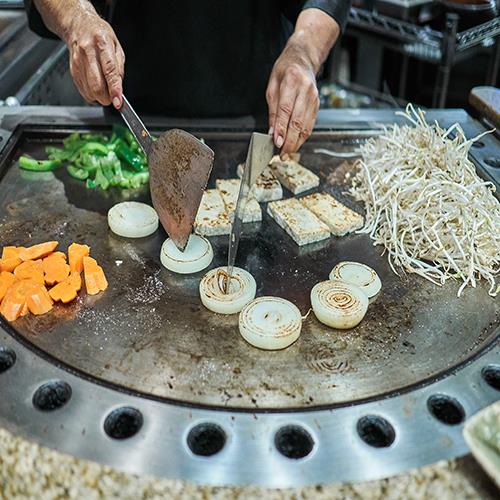
The modern-day cuisine of Guam is a fusion of that of the indigenous tribes of Chamorro with other Pacific Islanders, Asians and Europeans. Spanish colonialism, which came to the Marianas via Mexico and lasted 200+ years, has had an especially strong influence on the cuisine blended with the present American influence.
Don't order your dishes hot, because Guam's idea of heat is much hotter than the typical hot dish. Locals love hot spice, which they call pika. In fact, Guam has ranked first in per-capita consumption of Tabasco sauce, at four ounces per person a year. Many people even eat it with mango fruit, accented with a dip in salt. As in Hawaii, Spam is also popular here - a legacy of the war years when canned meat was delivered by the boatload as a ration.
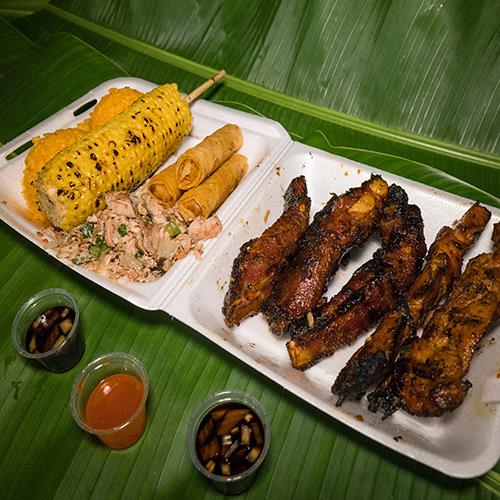
Local delicacies include: red rice, shrimp patties, a Filipino style noodle dish called pancit, barbecued ribs and chicken, and taro leaves cooked in coconut milk. Another mouth-watering treat is kelaguen, usually prepared from chopped broiled chicken, lemon juice, grated coconut, and hot peppers. Fiery finadene sauce, made with soy sauce, lemon juice or vinegar, hot peppers, and onions, is sprinkled over the food for a truly memorable dish. After a hearty meal, Chamorros often enjoy chewing pugua (betel nut), mixed with powdered lime and wrapped in pepper leaf.
Beaches
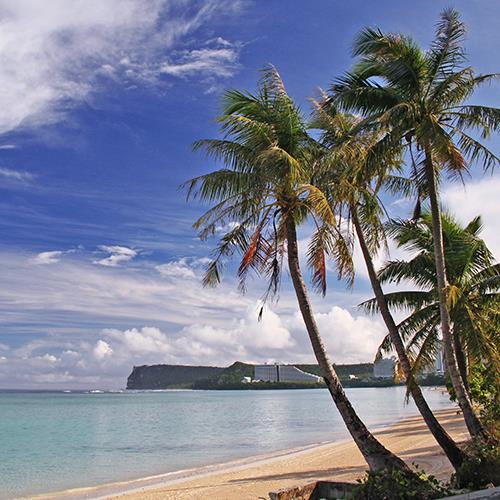
Guam’s world-renowned beaches are famous for the perfect temperature of the waters. It isn’t too hot or too cold. You can comfortably enjoy swimming in the cool waters as you take in the gorgeous view of palm trees and ocean.
In Guam, most beaches are free! Tumon is known for its beautiful beaches along its shores. Many hotels on the beach side provide bungalows for activities like banana boating and kayaking. These water activities provide an excellent opportunity to experience the waters of Guam firsthand. Some other top beaches include: Gun beach, great for scuba diving and snorkeling; Ritidian Beach, a nice secluded beach; Fish Eye and Family Beach, great for snorkeling; Fujita Beach; and Tanguissan Beach.
If you decide to dip in for a swim, the waters are calm enough for relaxation while providing sufficient waves for beach play. Make sure to experience a sunset on the beach as well, it is breathtaking. Shades of orange and pink contrast against the deepening shade of the ocean to create the perfect ambiance for a romantic walk on the beach.
Nightlife and Entertainment
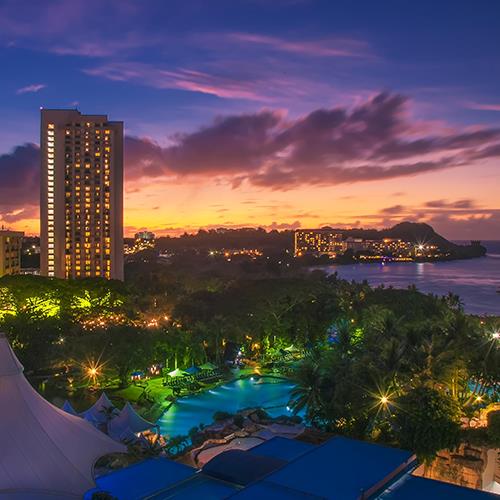
Guam is big on nightlife, suitable for all ages. Family fun could include the Chamorro Village Wednesday Night Market, which offers food and the chance to bring locally made products home. Take a stroll through Tumon and visit one of the many welcoming displays found especially during the holiday season.
If it's bars and clubs you're interested in, Tumon is the place to be, offering live music, lounge singers and DJs as well as a host of places to dance. Check out the local newspapers to find out if any visiting bands will be performing. There are also a few web sites dedicated to keeping people informed for upcoming nightlife and entertainment.