


Destinations
❮Main Menu
EXPERIENCE GUANAJUATO

Overview
In the highlands of central Mexico, Guanajuato is famed for its winding alleyways, colorful façades, and storied colonial heritage. A UNESCO World Heritage Site, it captivates visitors with subterranean road tunnels, ornate plazas, and a lively arts scene. Intimate cafés and historic theaters add to its unique charm. Home to the renowned Cervantino Festival, a performing arts festival that has grown significantly since its roots in the 1970s, simply performing "entremeses" by Miguel de Cervantes in the main plaza, Guanajuato blends centuries-old tradition with a modern university and literary culture.
History and Culture
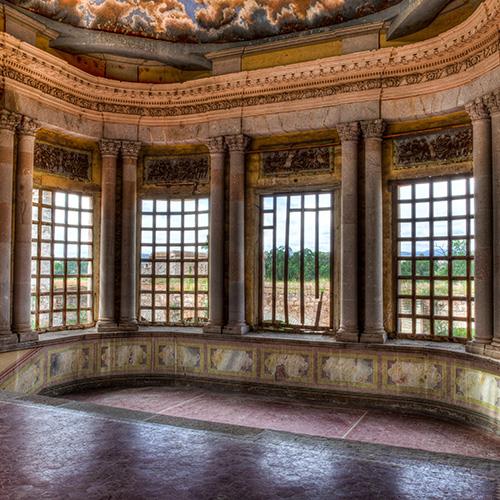
Founded in the mid-16th century after the discovery of rich silver veins, Guanajuato soon became one of New Spain's wealthiest cities. The mining boom led to the construction of Baroque churches and opulent estates, helping the city become a hub for the arts. The University of Guanajuato, established in the 18th century, maintains a strong presence that infuses youthful energy into local life.
The city also holds a prominent place in Mexico's independence story. The Alhóndiga de Granaditas, initially a grain warehouse, saw crucial battles under Miguel Hidalgo and El Pípila. Today, festivals and religious celebrations draw on these deep historical roots, preserving the legacy of centuries past.

Weather
Guanajuato's climate is semi-arid and temperate. Daytime highs usually hover in the mid-70s to low 80s Fahrenheit, with evenings dropping into the 50s during winter months (November to February). The rainy season from June to September brings occasional afternoon showers that invigorate the surrounding hills. Pack comfortable walking shoes and light layers, as steep alleyways and cooler nights can surprise travelers unprepared.
Must-See Sights in Guanajuato
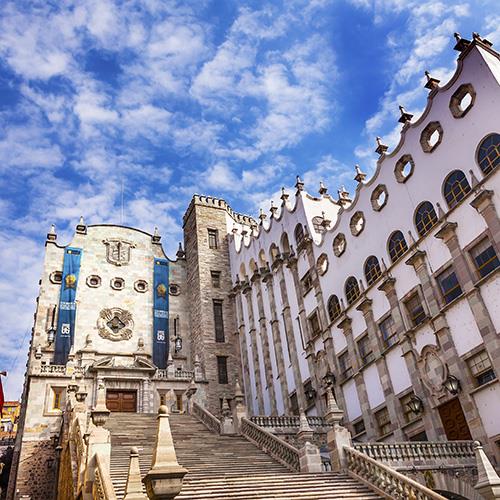
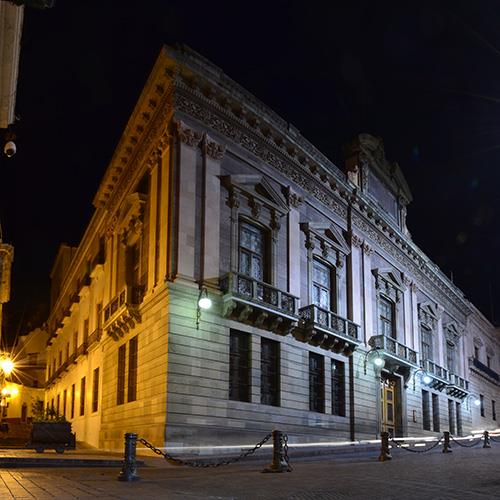
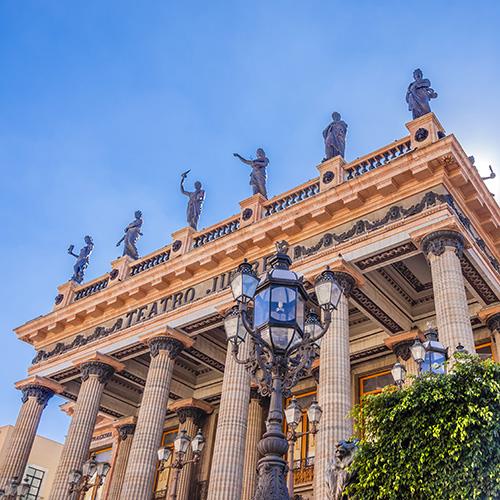
Near the heart of the city, the Teatro Juárez stands close to the Jardín de la Unión, showcasing Neoclassical pillars and a regular lineup of cultural events. Just steps away, the yellow-hued Basílica Colegiata de Nuestra Señora de Guanajuato displays ornate Baroque detail, while the University of Guanajuato is a showstopper with its dramatic white façade and sweeping stone steps.
A short walk leads to the Callejón del Beso, a narrow passage famous for its romantic legend of two lovers separated by a wall. From there, the Alhóndiga de Granaditas (now a museum) reveals the role Guanajuato played in Mexico's independence. Up on the hills, take a funicular to the Monumento al Pípila for panoramic views of the city's patchwork of colors. Another notable attraction is the Museo de las Momias, where visitors encounter naturally preserved bodies that offer a rare glimpse into local burial customs.
Activities
Guanajuato buzzes with artistic energy throughout the year, thanks in large part to the International Cervantino Festival held every fall (mid-to-late October). Street performers, musicians, and theater groups host open-air shows across plazas, and indoor venues feature orchestras and dance troupes. When the festival is not in session, the city still celebrates cultural life, from mariachi serenades in the Jardín de la Unión to smaller exhibits in art galleries.
To explore Guanajuato's culinary side, cooking classes feature recipes like enchiladas mineras and fiambre. History tours peel back layers of the city's mining heritage and heroic independence battles, stopping by landmarks for deeper storytelling. For fresh air, guided hikes extend into the surrounding mountains, rewarding trekkers with dramatic views of the valley below.
Shopping
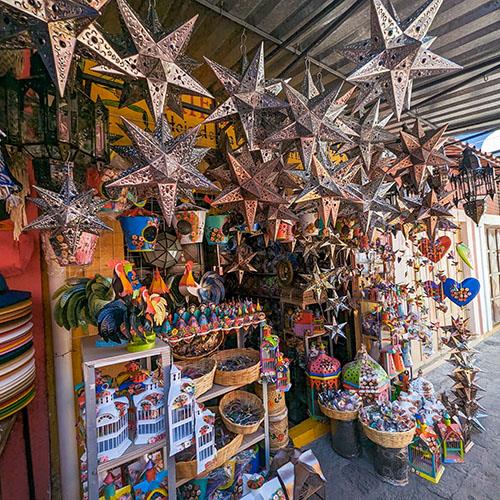
Artistic flair abounds in Guanajuato, and you will see it reflected in galleries and shops around town. Near the center, local stores sell handcrafted ceramics, silver jewelry, and colorful metalwork. In the Mercado Hidalgo (a structure attributed to the design of Alexandre Gustave Eiffel), merchants offer everything from fresh produce and traditional candies to embroidered blouses and talavera-style pottery.
Paying in pesos generally secures the best rates. While many stalls have fixed prices, some vendors welcome polite negotiation for certain hand-crafted items. (You might find that discounts flow more freely if you buy multiple items.) Even browsing is part of the fun, as strolling through the market immerses you in the scents and sounds of daily life.
Nightlife
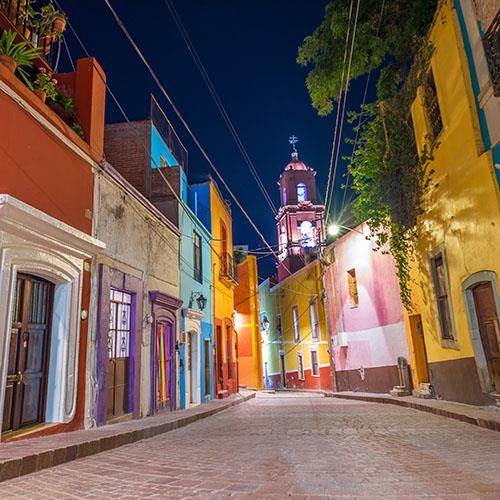
As darkness falls, the Jardín de la Unión becomes a gathering spot for mariachi musicians and estudiantinas (student musicians in traditional attire). Bars and cantinas tucked into colonial facades serve local beers, tequila, and mezcal. Live music ranges from rock to salsa, often wrapping up around midnight or 1 a.m. Guanajuato does not rely on massive clubs; instead, it features intimate lounges near the theater district or casual haunts close to the university. Thanks to the city's youthful crowd, there is usually a cheerful place to share a round of drinks or discover a new genre of music.
Food & Drink
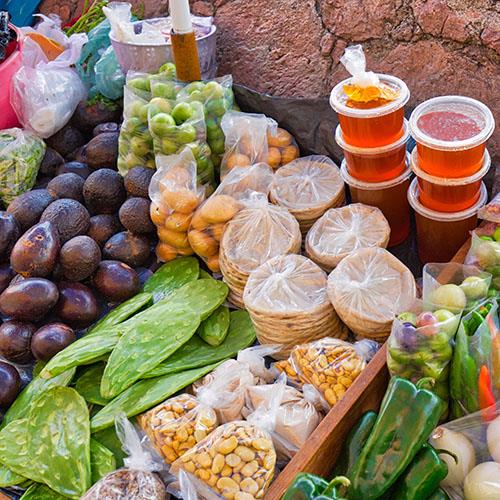
Local cuisine includes both indigenous heritage and Spanish influences. Enchiladas mineras, or "miners' enchiladas," recall the city's roots in silver extraction, filled with cheese and topped with chili sauces and potatoes. Street stalls sell gorditas and roasted corn, while family-run cafés plate comforting stews and soups. Many establishments spotlight fresh, regional ingredients, sourced directly from the agricultural abundance of central Mexico.
Beverage options range from aguas frescas to craft beers from the region. Coffee shops around the university serve local brews, sometimes sweetened with piloncillo or cinnamon. Tequila and mezcal find their way into inventive cocktails, enhanced by fruit or herb infusions.