


Destinations
❮Main Menu
EXPERIENCE IASI
Overview
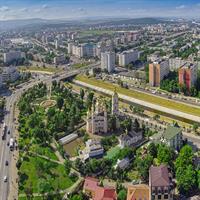
Iasi is the “city of the hundred churches” a charming capital of the historical Moldavia region full of exciting attractions with a glorious and rich past, and a leading center in the country for academic, artistic, and social life. The second-largest city in Romania, and the second-largest university center known as The Cultural Capital of Romania and a symbol in Romanian history, it was officially declared the Historical Capital of Romania in 2018.
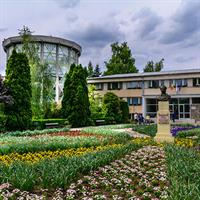
The exuberant city is bursting with beautiful historical buildings and architectural creations with centuries-old churches, monasteries, theatres, and palaces including the Moldavian Metropolitan Cathedral and the Palace of Culture. There are also some expansive verdant spaces including the botanical gardens, Copou Park, and the sprawling surrounding countryside.
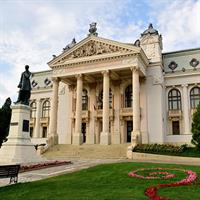
The bustling university town is a cultural delight full of youthful energy with fantastic restaurants, and fun-filled bars that stretch down the main streets and lead visitors to a vibrant nightlife. The city’s cultural, and social life revolves around the Vasile Alecsandri National Theatre which is the oldest in the country, the Moldova State Philharmonic, and the Opera House. There are many fun-filled festivals and cultural events held in Iasi including the latest Romanian pilgrimage which takes place each year in October.
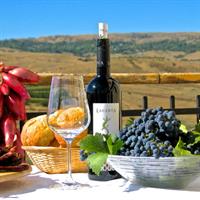
Iasi is located in the northernmost region of Romania and is part of the traditional wine region recognized for its sprawling verdant vineyards and wonderful wines found in the scenic surrounding countryside. Iasi is an area with tradition in wine production since ancient times. Bucium, Gramma, Hermeziu Winery, Bohotin, and Cotnari are some of the most popular vineyards and wineries in the region.
Things to see and do
Wander around Union Square (Piata Unirii) set right in the heart of the city, a central meeting point with a deep historic meaning. The central square was the site where the Romanian people performed the first dance of unity, a symbol of the newly accomplished Union of Wallachia and Modavia in 1859. There is a statue of AI. I. Cuza, the first ruler of the United Romanian Principalities that dominates the square.
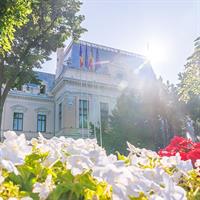
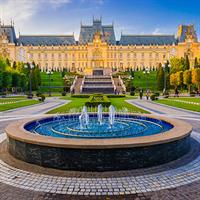
The Palace of Culture is an edifice located in Iasi, Romania. The building served as Administrative and Justice Palace until 1955, when its destination was changed, being assigned to the four museums nowadays united under the name of Moldavia National Museum Complex.
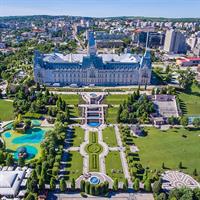
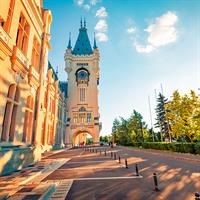
The city’s premier attraction is Iasi’s Palace of Culturebuilt in the early 20th century featuring a flamboyant neo-gothic style standing on the ruins of a medieval royal court mentioned in documents from 1434. The stunning palace boasts 365 rooms and houses the Gheorghe Asachi Library, and four of the city’s museums; The Museum of Art, The Ethnographic Museum, The Moldavian History Museum, and The Museum of Science and Technology. The interior features lavish furnishings, a magnificent main staircase, along with beautifully vibrant and well-manicured lawns and gardens. The museum here holds fascinating treasures like the 70,000-year-old mammoth skull and masterpieces like Caravaggio and Veronese.
The city lies on the Bahlui River (Palat Terrace) valley and is surrounded by sprawling countryside, uplands, and woods dotted with monasteries, parks, and vineyards. Iasi is built on seven hills; Breazu, Bucium, Cetatuia, Copou, Galata, Repedea, and Sorogari with opportunities for hiking, mountain biking, nature watching, scenic drives, and views.
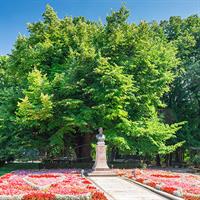
Copou Park was integrated into the city in 1833 by Prince Mihail Sturdza, under the plans of Gheorghe Asachi and Mihail Singurov, it marked one of the first Romanian public parks. The Obelisk of Lions is the oldest monument in Romania found in the heart of the park standing 44 feet tall. The Eminescu’s Linden Tree is a 500-year-old silver lime tree situated in the park, where Mihai Eminescu reportedly wrote some of his best works. The tree is one of Romania’s most important natural monuments and a notable landmark in Iasi.
The city is home to many museums, memorial houses, and art galleries including the Memorial Museum from Romania dating back to 1918, then became the Ion Creanga Memorial House, and today it is the Iasi Romanian Literature Museum which owns fourteen memorial houses. In Copou Park is the Mihai Eminescu Museum dedicated to the great poet’s life and creation. The Theatre Museum opened in 1976 and celebrates 160 years since its first theatrical performance in Romania. The Iasi National Theatre and the Philharmonic-dramatic Conservatoire have all contributed to the Romanian theatre development. The Union Museum features original documents and pieces that belonged to AI. I. Cuza and his family and the Natural History Museum was the first museum of its kind in the country boasting over 300,000 items with the most valuable collection of insects, mollusks, amphibians, reptiles, birds, plants, and minerals.

Shopping
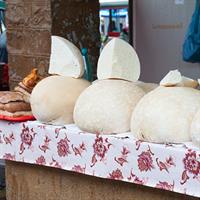
Iasi is filled with different shopping opportunities, there are shopping malls, second-hand stores, souvenir stores, quaint boutiques, and much more. There are many shops selling vintage clothing in Iasi and communist-era memorabilia as well as antique tennis rackets. Hala Centrala, Iulius Mall, and Palas Mall are great for brand-name clothing and local food options. The Palas Mall is a great location for shopping, dining, and just hanging out. There is an abundance of restaurants, and coffee shops at the mall offering lunch and dinner menus. Iulius is a retail mall and offers a decent shopping experience and also offers some great restaurants, bars, and dessert spots in the big food court along with plenty of international fast-food chains.

Food and Nightlife
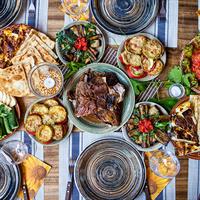
The city of Iasi has something to offer every palate with traditional Romanian restaurants, Italian restaurants, vegetarian and vegan restaurants, and many international options to choose from. La Castel serves up delicious French cuisine, Cuib is a great place to try raw and vegan dishes, Buena Vista is a Romanian/Latin American mix, and Mamma Mia serves delectable Romanian food. Pizza Pazzo offers visitors a nice relaxing atmosphere and delicious Italian cuisine, Phenicia is a Lebanese restaurant, and there are plenty of street food options and fast food places by the main train station and the university area.
Iasi is famed for its vibrant nightlife options, being a major university town filled with many students there are plenty of opportunities to party in town. Iasi has bars, pubs, clubs, coffee shops, discos, and sports bars. There is a large collection of bars found in front of Copou Park where a lot of student housing is located, many of the bars here place popular music, offer great drink specials and themed nights including karaoke.
Curtea Berarilor, Baza, Underground, Taverna, The Gate, and Hand are all student bars found in the city center next to the green “cube” statue. This area is the perfect spot for a pub/bar crawl with back-to-back bars/pubs playing modern music, concerts, dance, and karaoke nights.
Sage is housed in the old “Mihai Eminescu Library” building offering tea sortiments from all over the globe, newspapers, and books are on hand to read, along with a piano and social games for your entertainment.
The London Pub is found in the Astoria Hotel in the heart of the city, a theme pub and favorite hang out for watching the football matches.
Churches
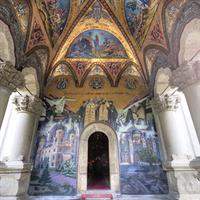
Iasi is the “city of a hundred churches” home to historical monuments, monasteries, and 500-year-old churches listed on the National Register of Historic Monuments with notable churches including the Trei ierarhi Monastery which is on the tentative list of UNESCO World Heritage Site.
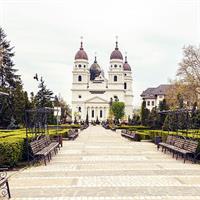
The Metropolitan Cathedral of Iasi is the largest Orthodox church in Romania and the seat of the Romanian Orthodox Archbishop of Iasi and the Metropolitan of Moldavia and Bukovina. The church features a Renaissance style with Baroque elements and Gheorghe Tattarescu paintings and contains the relics of Saint Parascheva. The church dates back to the early 1800s and features Bavarian stained glass windows and the original bells still ring in the northeast spire with an inscription stating it was made from four cannons that the Turkish army captured in the War of 1828-1829.
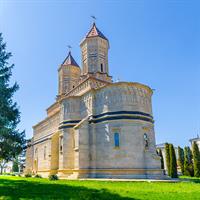
The Church of Three Hierarchs is one of the most beautiful churches in the city covered with an exquisite ornate stone pattern and containing the tombs of its founder as well as that of Prince Alexandru Ioan Cuza who was the first ruler of the Romanian principalities. The church was included in the tentative UNESCO World Heritage Sites.
The spectacular Palace of Culture is the most remarkable building in the city and the premier attraction built in the early 20th century. The Palace served as the main law court in town and is built on the ruins of the medieval royal court mentioned in documents from 1434. Today the 365 room palace houses four excellent museums; The Moldavian History Museum, The Ethnographic Museum, The Museum of Art, and The Museum of Science and Technology.


History and Culture
Iasi is nicknamed the “city of a hundred churches”, “city of great love stories”, “city of new beginnings”, “cultural center of Moldavia”, and “an open-air museum”. Steeped in history and mentioned as early as the 1400’s by the ruler Alexandru cel Bun, every inch of the city evokes a unique event and the city’s long past. One of the oldest cities in the country it was the crossroads of the most important commercial routes that linked Hungary, Poland, Russia, and Constantinople with a deeply rooted history and the main center for culture in Moldavia. The city published the first Roman newspaper and established the first university in the country, and is now home to five universities.
The city boasts an impressive number of Orthodox churches, almost 100 to be exact many found in the Golden Plateau. Princely Saint Nicholas Church is the oldest dating back to the reign of Stephen the Great, St. Paraschiva Metropolitan Cathedral is one of the finest in the city, followed by Trei ierarhi Church with intricate lace stone on the facade.
The city of Iasi was the capital of the principality of Moldavia from 1564-1859, Moldavia then united with Walachia to form the future modern Romanian state. Bucharest became the capital and the aristocracy moved to the city, Iasi continued to be an important cultural center in the country and launched Romanian literature’s most important 19th-century figures.
The city got to be the capital of the country again from 1916-1918 when Bucharest was occupied by the German army. Iasi suffered from considerable destruction during World War II and was the place of the infamous pogrom in 1941 when 13,000 Jewish people died. The Communist rule took over the city and created today’s street patterns and buildings with newly formed neighborhoods providing housing for the working class.
After 1990, and the collapse of the obsolete heavy industry, Iasi is reinventing itself taking advantage of its universities which constitute the second higher education center in the country, its smaller-sized industries, software companies, services, and commerce.
Archeological evidence in Iasi date back to the 6th and 7th centuries with settlements containing rectangular houses with semicircular ovens and many of the vessels found in Iasi date to the 9th and 11th centuries and featured a cross indicating the Chrisitan inhabitants. The city has been a major Christian pilgrimage site since the early modern period when relics of Saint Parascheva were brought to the city in 1641. Each year around the middle of October hundreds of thousands of pilgrims gather in the city to commemorate Saint Parascheva, this gathering is one of the largest in all of Europe and draws people from all over Romania.

Festivals and Events
Iasi is the host of many cultural and political events with great scholars like Grigore Ureche, Miron Costin, and Ion Necule writing some of the famed works in the city. Dimitrie Cantemir was a famous scholar known throughout Europe and linked with the city.
FILIT (International Festival of Literature and Translation) is held annually in Iasi organized through the Iasi Museum of Romanian Literature, held since 2013.
FIE (International Education Festival) also launched in Iasi in 2013 and features a mixture of cultural and educational events.
The International Theatre Festival for Young Audiences is held annually in October by the Luceafarul Theatre.
SFR (Romanian Film Nights) presents films from different periods of Romanian cinema, along with new films, debut files, and short films with actors, directors, and scriptwriters.
Afterhills Music Festival began in 2017 it is the largest music festival in Moldavia.
Rock’n’lasi and Rocanotherworld are both held annually.
Hangariada is an aeronautics and arts festival held each year in May.