


Destinations
❮Main Menu
Experience Kep
Overview
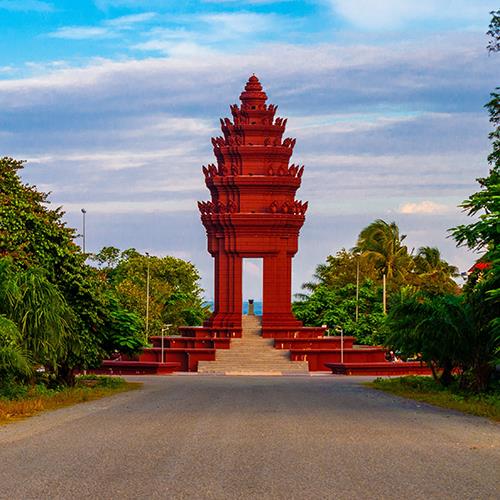
Tucked along Cambodia’s southern coast, Kep is a small seaside town with a fascinating past. Once a favored retreat of the French elite, traces of colonial history still linger in the crumbling villas and seaside ruins. While it remains under the radar for many travelers, Kep is a true hidden gem brimming with charm and authenticity.
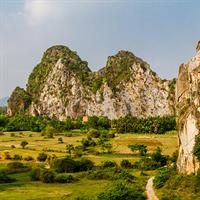
Despite its quiet reputation, Kep offers a surprising number of things to do. Hop over to nearby Rabbit Island for a rustic beach day, hike through the serene trails of Kep National Park, or venture to nearby Kampot to explore the mysterious ruins of Bokor Palace. You can also tour the region’s famous pepper plantations or discover tucked-away caves in the countryside.
What truly sets Kep apart is its laid-back vibe and warm, welcoming locals. It’s the kind of place where you can slow down, enjoy freshly caught crab cooked in rich Kampot pepper sauce, and watch the sun melt into the sea. If you're seeking an off-the-beaten-path escape filled with flavor, nature, and genuine connection, Kep should be high on your list.
Things To See & Do
Visit the crab market in Kep.
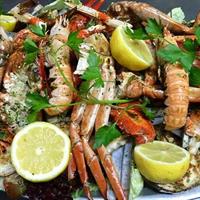
Kep is famous for its fresh crabs, and for this reason, one of the must-visit places in Kep is the crab market, where you can haggle your way to fresh crabs, which are caught in cages just off the coast. The market is generally very busy and full of Cambodians cooking, selling fish, and haggling over crab. You’ll find rows and rows of stalls selling seafood, condiments, side dishes, drinks, and snacks. Explore these aisles and negotiate prices for what you want to buy. Do not take the first offer!
Enjoy a day relaxing at Kep Beach. This is where the local Cambodians from Kep and the Cambodians on vacation hang out. It’s always full of people, and tourists now and then. All along the beachfront are market stalls offering food, drink, hammocks, and picnic areas. There are plenty of beachside shops, restaurants, and cafes lining the beach as well. This is also where the majority of the hotels and resorts are. The eastern end of the beach has the famous Kep ’White Lady’ statue, which stares out to the sea. The story behind the statue is that a loyal wife of a local fisherman refused to eat or sleep until her husband came back from the sea… The story does not have a happy ending; the husband never returned.
Hike in Kep National Park. Start your morning with a peaceful hike in Kep National Park; early risers are rewarded with the magical experience of watching the jungle come to life. As you make your way along the trails, keep an eye out for playful monkeys, tropical birds, and vibrant flora tucked beneath the canopy. One of the highlights is the Lookout Tower, where you’ll be treated to sweeping views of the jungle, Kep Town, and the coastline beyond. To make the most of your hike, head out early to beat the heat, wear mosquito repellent, and don’t forget to pack plenty of water.
Watch a beautiful sunset over the ocean. You’ll get the best views from the crab market or at the Sunset Rock in the National Park (The latter requires some jungle trekking though!)
Visit Rabbit Island off the coast. Head to Rabbit Island, also known as Koh Tonsay, just off the coast in Kep. The island is tiny, so small that you can walk the circumference of the island in about 2 hours.
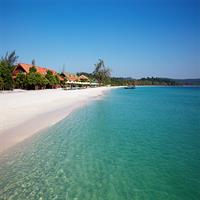
The island is like stepping into a slow-paced sanctuary with long stretches of white sand beaches, calm water, and a jungle backdrop. There is no Wi-Fi, and electricity only runs for a few hours each evening via generators. Beachside shacks are serving up fresh crab, fish, and grilled squid caught nearby. This is an ideal spot to “unplug” and enjoy the beauty. You can even stay the night at one of the few hotels on the island and catch the sunset, and enjoy a beach barbecue, just be prepared for limited amenities.
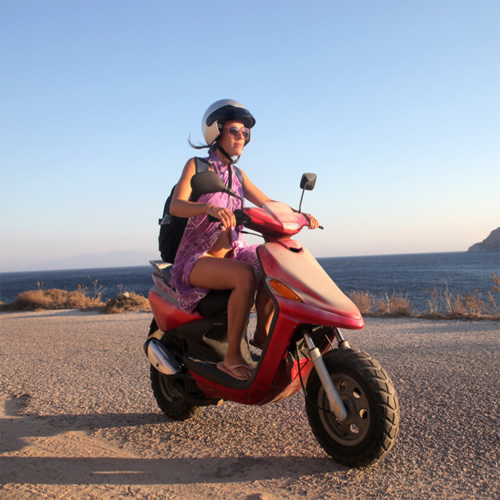
Take a scooter trip to Kampot. Kampot is only about 12 miles away from Kep, so you can easily go there on a day trip. There are plenty of things to do in Kampot, such as visiting a Pepper farm or going into Bokor National Park to see the abandoned colonial hill station. Kampot is much bigger than Kep, which means you can find a lot of great food options here if you get tired of crabs.
A scooter ride can be dusty and sandy. If you’re not comfortable on a scooter, then you can also join a tour around Kampot, which offers stops at salt fields, a cave temple, a secret lake, and a paper farm. Just be aware that the tours start in Kampot (not Kep).
Shopping
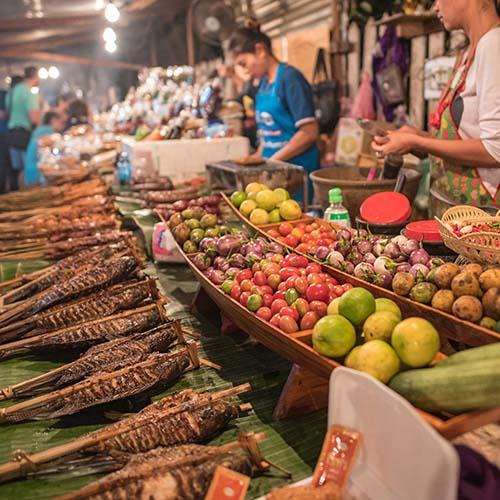
Shopping in Kep is about fresh flavors, handmade treasures, and local items. At the heart of Kep’s shopping is the colorful Kep Crab Market, located by the waterfront. Vendors here offer the town’s famous blue swimmer crab, seafood, Kampot pepper sauces, and occasional crafts. It’s more about the atmosphere than souvenir-focused, but it’s a great spot to eat some authentic local seafood and people-watch.
In town, you’ll find small local shops selling everyday essentials, smaller specialty stores, and the occasional gift shop. This is where you’ll find Kampot pepper packs (authentic and locally grown), handmade jewelry or trinkets, and some basic textiles.

Dining
Kep is known for its famous crab. After that, you’ll find Khmer traditional foods, with a focus on ultr-fresh seafood. At the heart of it all is the region’s most famous dish, Kampot pepper crab. This signature specialty features blue swimmer crab stir-fried with garlic, palm sugar, fish sauce, and green Kampot peppercorns. It’s an aromatic and flavorful dish that Kep has become known for.
The bustling seaside hub, Kep Crab Market, is a great place to go to enjoy the crab and seafood of the area. Vendors prepare everything from grilled squid and prawns to whole crab. It’s casual and authentic. Several crab shacks near the market, such as Holy Crab, Kimly Seafood, Magic Crab, and So Kheang, are local favorites known for generous portions, great views, and fresh-from-the-sea flavors. For a more elevated dining experience, head to the Sailing Club at Knai Bang Chatt, one of Kep’s most scenic spots for a sunset meal.