


Destinations
❮Main Menu
EXPERIENCE LAKE ATITLAN

Overview
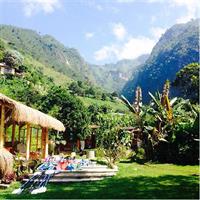
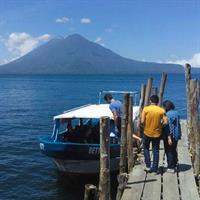
Lake Atitlán, or Lago de Atitlán in Spanish, is widely regarded as the crown jewel of Guatemala’s tourism industry - and it’s easy to see why. This stunning deep-blue crater lake was formed over 85,000 years ago by a massive volcanic eruption. Rising dramatically along its southern shores are three majestic volcanoes, which dominate the lake's breathtaking panorama and are ever-present in its scenery.
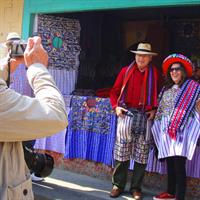
Encircling the lake are dozens of small Maya villages, each brimming with culture, creativity, and traditions that add to the region’s unique charm. Located in Guatemala’s Western Highlands, Lake Atitlán sits at an altitude of 5,125 feet, giving it a pleasant, temperate climate often referred to as the "land of eternal spring." Spanning 5 miles north to south and 11 miles east to west, it is also the deepest lake in Central America, with depths exceeding 984 feet.
Lake Atitlán attracts eco-tourists and adventurers alike, offering opportunities to marvel at its stunning landscapes, explore vibrant villages, and engage with the rich cultural heritage of the local communities. As a designated UNESCO Biosphere Reserve, the lake holds a special place in Guatemala’s natural and cultural legacy.
Towns and Villages
Around the lake, there are 11 towns and villages of various sizes and accessibility. Each place has its unique character and appeals to specific demographics. Among the most popular towns are San Marcos (known for its new-age retreats), San Pedro (the backpacker central), and San Juan (the artisan town). But no matter which town you pick, you will probably visit Panajachel, the gateway to Lake Atitlán.
Commonly called “Pana,” Panajachel is conveniently located just off National Highway 1, which happened to be part of the Pan-American Highway. Not only is this where tourist shuttles drop people off, but Pana also has the best connectivity among all the lakeside towns.
The 11 towns of Lake Atitlan that are accessible right from the lake:
- Panajachel: the bustling tourist hub (popular and the gateway to Lake Atitlan)
- Santa Cruz: secluded village
- San Juan la Laguna: the prettiest town on the lake (popular town)
- San Pedro la Laguna: the backpacker hub (popular town)
- Santiago Atitlan: the biggest local town
- San Lucas Toliman: the forgotten town
- San Antonio Palopo: the pottery town
- Santa Catarina Palopo: the blue town (popular town)
- Tzununa: the permaculture hub
- San Marcos la Laguna: the spiritual hippy haven (popular town)

Things to See & Do
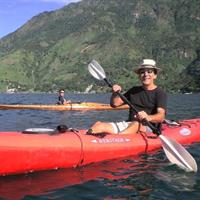
Go Kayaking or Stand-up Paddleboarding on the lake. Lake Atitlan is the perfect place to get out on the water where you’ll be rewarded with fabulous views of the three volcanoes and also see further ones near Antigua.
Take Yoga Classes. You’ll find yoga studios and retreat centers offering classes all around the lake. But the village of San Marcos is the place for practicing yoga. People come to this village for all things earthy, such as yoga, vegetarian food, fitness classes, meditation, massages, astrology, and more.
Hike to Indian Nose viewpoint. This short hike to “Indian Nose” (aka La Nariz) viewpoint offers one of the best views of Lake Atitlan, and is well worth the 30-minute steep climb. From the top, you will have an incredible view of the lake, the surrounding volcanoes and the villages below.
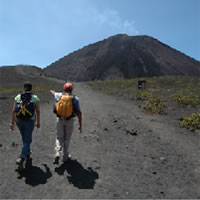
Hike Volcan Pedro. If you’re an adventurous hiker and you’ve got a decent fitness level, you can hike to the summit of Volcan Pedro! It’s a bit strenuous and takes anywhere from 3-5 hours to climb, depending on your fitness level. However, if you do attempt this hike then you’ll be greeted with spectacular views of Lake Atitlan and the surroudning village. Sunrise is a popular time to go to avoid the clouds. Later than that, the clouds might obstruct the view.
Go Cliff Jumping in San Marcos. You can go cliff jumping at Cerro Tzankunjil Nature Reserve in San Marcos if you enjoy more extreme adventure. There is a trail that leads to the platform. The jump is around 45 ft high!!!
Explore Cerro Tzankujil Nature Reserve. One of the most beautiful places at Lake Atitlan has to be this nature reserve. The reserve boasts two miradors, offering uninterrupted views of the volcanic lake and its stunning surroundings. This is a top choice for visitors to go to enjoy a day of relaxation in a natural setting. If you’re yearning for a break from village life, this reserve is the perfect spot to spend the day in nature.
Go shopping for handicrafts at Chichicastenango (Chichi) Market. Often called “Chichi”, this market is very popular with foreigners. This is the largest handicraft market in Central America, and is well worth a visit. Here you’ll find items like pottery, hand-woven textiles, traditional clothing and more. Thursdays and Sundays are the main market days.
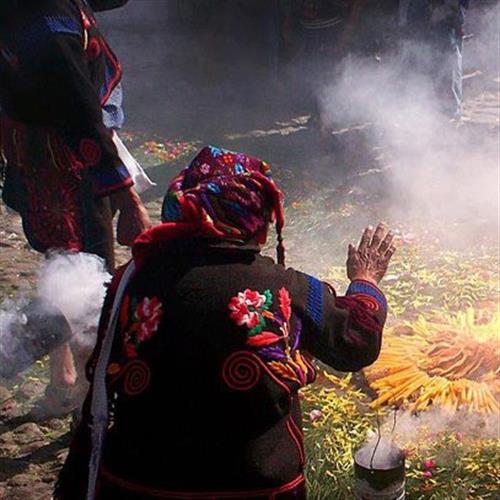
Experience local life at Solola Market. For a much more authentic market market, check out the Solola Market whre the locals go to buy fresh produce, fried fish and shrimp from the lake, and other household items. You’ll see villagers wearing traditional clothing, and this is a particularly good opportunity to see the local men wearing their traditional dress.
Participate in a cacao ceremony. There are different types of cacao ceremonies. One type is more relaxed “dance” type ceremony where participants drink chocolate, dance and mingle, and perhaps go through a few guided exercises together. The other types are more spiritual with more meditation and reflection. It is an interesting ceremony to experience and learn more about the local culture.
Hang out in quaint coffee shops. Guatemala is known for its coffee and there are plenty of cute coffee shops to try out the local brews.
Scuba dive in Lake Atitlan. Although there’s not a lot of marine life to see, you’ll be able to see sunken buildings, volcanic rock walls, swim-throughs, an volcanic hot mud. The dive shop on the lake is located in Santa Cruz.
Explore the towns and villages. Lake Atitlan isn't merely a single destination but rather a collection of quaint villages and towns. The lake is surrounded by 11 indigenous towns and villages that pepper the crater's cliffs and hide in majestic fjord like valleys. The atmosphere, energy, expat presence, Maya clothing pattern and even language vary, all offering a unique experience. Each town is just a day trip away from each other and it’s easy to hop from town to town. They are all so full of culture and tradition, it’s an amazing place to learn about the indigenous villages and their history.