


Destinations
❮Main Menu
EXPERIENCE LEON
Overview
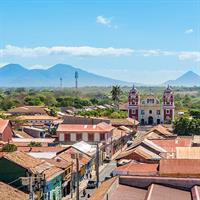
León is a city steeped in Nicaraguan history, celebrated for its vibrant colonial heritage and cultural richness. Situated in the northwestern part of the country, its location near volcanoes and the Pacific Ocean enhances its appeal. León is renowned for its stunning architecture, particularly the UNESCO-listed León Cathedral, the largest in Central America, offering breathtaking rooftop views. The city seamlessly blends culture and nightlife with thrilling natural adventures, such as volcano boarding on the nearby Cerro Negro. With its bustling markets, mouthwatering street food, and warm, friendly locals, León provides an authentic and unforgettable glimpse into Nicaragua's history and modern charm.
Things to See and Do
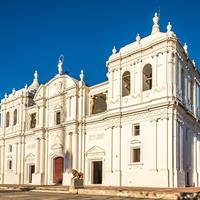
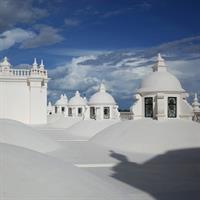
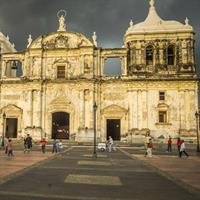
Visit the Rooftop of León Cathedral. León is home to the largest cathedral in Central America, also known as Basilica Cathedral, which is the main landmark in the central plaza, it’s massive, pristine white, eclectic church is hard to miss. It is one of three UNESCO-recognized cultural landmarks in Nicaragua that took nearly seven decades to complete. Visiting the Basilica ranks among the absolute best things to do in León, Nicaragua. You can climb to the cathedral's roof for incredible panoramic views of the city. There are also crypts in the basement where you can find tombs of prominent Nicaraguans.
Be sure to explore some of the other many churches in the city. Known as one of the prettiest, Iglesia La Recolección, is a striking golden yellow color, which has not faded despite its aged facade. Iglesia de San Juan Bautista de Subtiava, was built in the 1530s and reconstructed in 1720, making it the oldest church in the city. It plays an important role during the ‘Feast of San Jerónimo’ when processions journey between it and the Cathedral. Iglesia de San Francisco is another one of the city’s older churches that holds two beautiful altarpieces that are worth checking out. The attached convent now serves as a converted hotel.
Wander the streets of León. The city is very compact and has beautiful churches; like Iglesia de la Recolección and Iglesia El Calvario, as well as museums to visit. The streets offer so much for the outsider to admire, marvel, and embrace.
You’ll notice the stree art is prevalent in León. As the (unofficial) base of the Sandinista movement, the street art became an integral part of the political expression in the city. As you walk around the city, you will see art depicting the repression experienced by the Nicaraguans in the 1950s, the unrest after the assassination of the president in 1956, and the tributes to the heroes of the Nicaraguan Revolution. We recommend to do your strolls in the morning to avoid the hottest time of the day walking in the sun.
Take a free walking tour of León. This is a great way to understand the rich history, the famous poet Rubén Dario, learn about the political street arts, taste the foods in the market, and so much more.
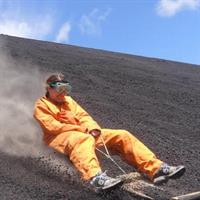
Go Volcano Boarding. Sandboarding is a huge draw when visiting León. This is because León is the closest city to Cerro Negro Volcano. Ther are plenty of volcano boarding tours departing from León. This activity involves hiking up Cerro Negro, the youngest volcano in Central America and one of the most active. Once you reach the top, you’ll be rewarded with beautiful views of León, the surrounding farmlands, and the Cordillera Los Maribios mountain range. To get back down, you will ride a wooden board down the smoother, steeper slopes of the volcano.
Visit the Museum of the Revolution. Located at the corner of Parque Cathedral, this museum offers a great history lesson of the city. Nicaragua has had a tumultuous few decades due to the Nicaraguan Revolution where the Sandinistas first led an opposition against the Somoza dictatorship (1979 - 1990) and then subsequently waged war with US-back Contras (1981 - 1990). León has always played a central role in Nicaragua’s left-wing political movements and maintains strong ties with the Sandinista movement. The Museum offers an overview of the Nicaraguan revolutionaries who stood up against the Somoza dictatorship.
Shop at Mercado Central. This is a great way to learn about the local produce and delicacies. Enjoy looking at the exotic fruits and vegetables, drink a local drink, eat local dishes, search for souvenirs, and take in local daily life.
Visit Museo Rubén Dario. Rubén Dario was an influential poet, journalist, and diplomat. He is considered to be the father of Modernismo, a Spanish language literary and cultural movement that swept both Latin America and Europe during the 19th century and had lasting influence into the 20th. He was also Nicaraguan. The museum was Dario’s childhood home and offers a glimpse of what life was like for wealthy Nicaraguans in the 1800s.
Explore the Museo de Arte Fundación Ortiz-Gurdián. This is highly considered one of the finest museum of contemporary art museums in all of Central America. It has an extensive collection of art primarily from Central and South America – featuring works from Diego Rivera, Rufino Tamayo, Fernando Botero, Roberto Matta and more. The art museum is housed in six colonial buildings that have been lovingly restored.
Relax at the pool or beach. During the hottest part of the day, just relaxing at the pool at your hotel or take the bus to the beach Las Penitas.