


Destinations
❮Main Menu
Experience Manilla
Overview
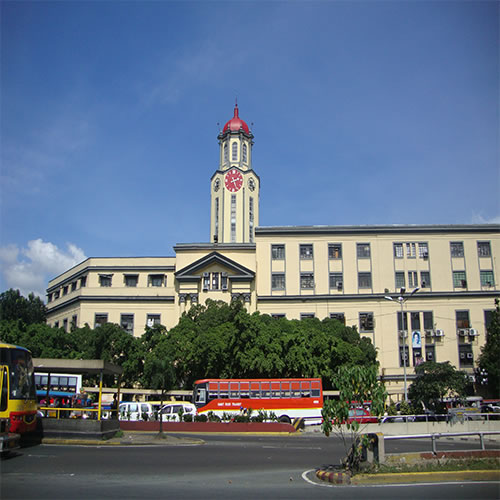
The megacity of Manila is the energetic capital city of the Philippines. A crowded bayside city on the island of Luzon encompasses six cities and 12 towns. It features a mixture of historic Spanish colonial architecture, with its walled Intramuros old city and Fort Santiago, as well as its modern-day soaring skyscrapers skyline. The biggest island and one of the largest cities in the Philippines is brimming with outstanding sightseeing opportunities, fascinating museums, edgy galleries, artisan markets, vibrant markets, and historic churches. A culturally rich city filled with dizzyingly tall buildings, it is a major cultural heritage attraction in the Philippines. Explore gigantic malls, see the hidden architectural gems of the city, or enjoy the exciting nightlife scene. Manila has a lot to offer.

Things to see and do
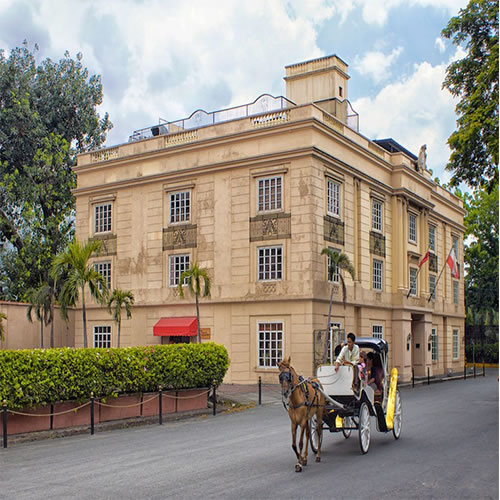
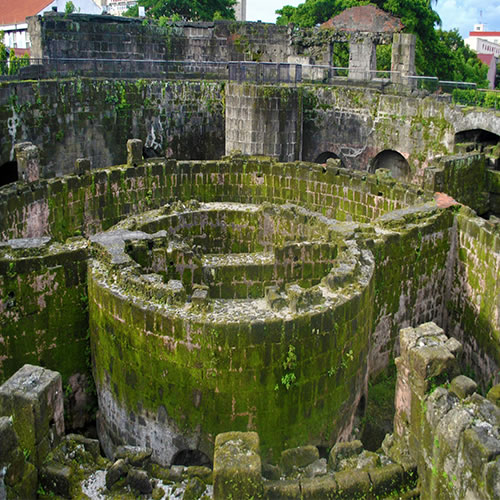
Take an exploratory `kalesa` horse-drawn carriage ride around the ancient walled city of Intramuros and immerse yourself in the ancient heart of colonial Spanish Manila. In the heart of the ancient city lie attractions such as the National Historic Landmark of Fort Santiago and the UNESCO World Heritage site of the San Agustin Church. The ancient walls and fortifications found within Intramuros date back to the 16th century and are filled with Spanish colonial era influences.
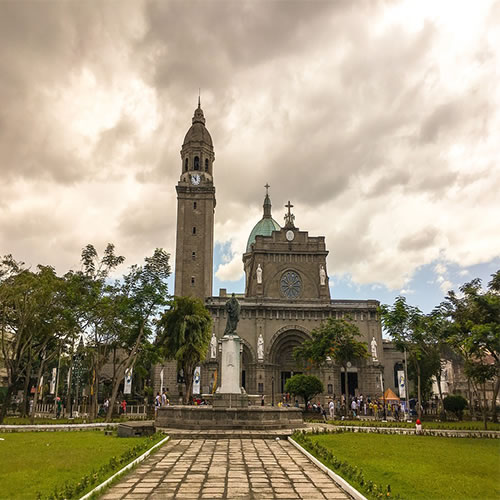
Continue your explorations of the 165 acres of Intramuros, visit the Spanish Churches, historical buildings, forts, and museums. Visit Manila Metropolitan Cathedral-Basilica, founded in 1571, featuring a stunning façade decorated with spectacularly stained glass windows and Roman travertine stone. Step inside this grand masterpiece and see the stunning vaulted ceilings, marble floors, and intricate carvings.
Visit Casa Manila, also set in the heart of Intramuros, a working museum set in a beautiful Spanish colonial mansion surrounded by a courtyard and fountains. The interior boasts richly decorated rooms filled with ancient artifacts and antique furnishings. Stop by the café on site for a refreshment and a snack.
Check out the oldest Chinatown in the world, `Binondo`. The neighborhood dates back to 1594 with authentic ancient streets filled with Filipino-Chinese restaurants, bustling street markets, shops, and historical buildings such as the Binondo Church and Buddhist temples. Immerse yourself in the culture of this area and dine on delicious dim-sum.
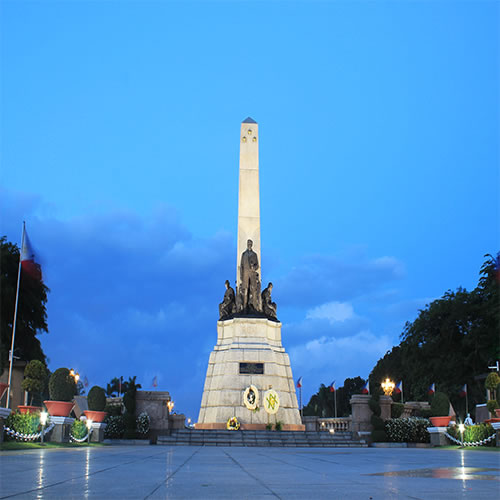
Take a walk around the historical Rizal Park. Situated in the heart of Manila, the park is the site where the country`s national hero, Jose Rizal, was executed and where independence was officially declared in 1946.
Visit one of the city`s most famous landmarks, found in the park, the Rizal Monument, a 100-foot-tall bronze statue of Rizal with a plaque that reads `To the memory of Jose Rizal, patriot and martyr, executed on Bagumbayan Field December Thirtieth, 1896. The monument is dedicated by the people of the Philippines. Wander around the vast area of the park and see the manmade lake that replicates the Philippines archipelago, the Japanese gardens, and the planetarium.
Check out the National Museum in Manila, filled with historical artworks by famous Filipino artists such as Juan Luna, Fernando Zobel, and Felix Hidalgo. The galleries contain the spectacular Spoliarium, an oil canvas painting by Juan Luna that won gold at the Exposición Nacional de Bellas Artes in 1884 in Madrid. Another section of the museum is dedicated to the shipwreck of the San Diego, a Spanish galleon that sank off the coast in 1600.
Visit Makati, the capital of Metro Manila, and the city`s central business district, filled with arts and entertainment on every street. Visit the fantastic Ayala Museum situated on the central thoroughfare of Ayala Avenue. The museum covers the history and culture of the Philippines. The Gold of the Ancestors exhibit is definitely worth a visit, displaying precious gold pieces that date back to the Spanish era. The Filipino Heritage Library can also be found on-site. Visit the café and bistro located on the ground floor, complete with a Zen garden.
Take a stroll through the Ayala Triangle Gardens, decorated with beautiful verdant trees, blossoming flowers, and walkways amongst scenic surroundings. Enjoy dinner either around the park in the Triangle area, where a few restaurants are located, or head back to Ayala Ave, where there is a wide array of dining options to choose from.
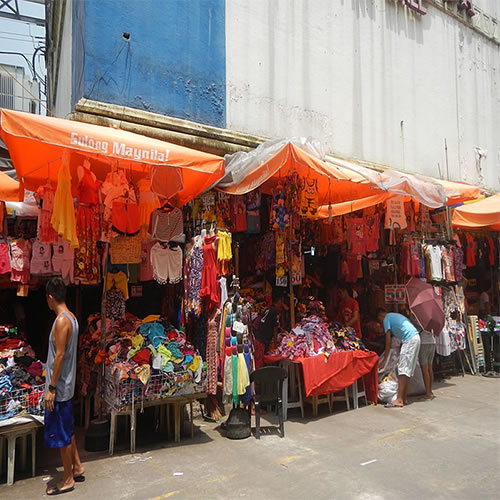
Visit one of the city`s bustling street markets. The Quiapo Market has infinite shopping options with street stalls that sell almost everything. Grab some delicious fruit or `Champorado`, a chocolate-flavored rice porridge for breakfast, and haggle on some souvenirs. On Fridays, the market is buzzing with a carnival-like feel, with fortune tellers, saint candles, incense, and tarot card readings.
Shopping
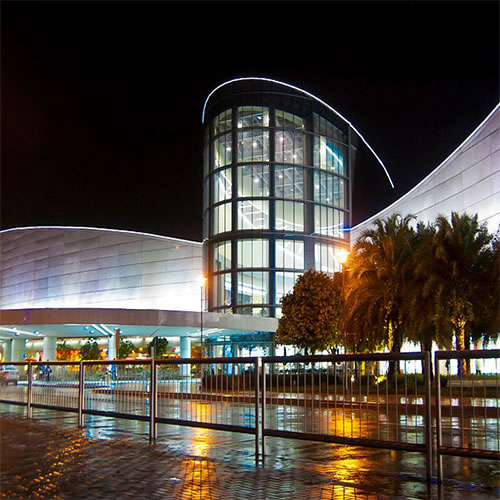
Many excellent shopping opportunities can be found in different areas around Manila, including shopping malls, markets, bazaars, boutiques, stalls, and more. The capital city is home to some of the largest shopping malls in Asia, and shopaholics can find a mall on every block in Metro Manila. The Mall of Asia is located in Manila, the third largest shopping mall in the entire world, brimming with retail, restaurants, entertainment, the largest indoor skating rink, and a giant Ferris wheel. Robinsons Place Manila is the largest shopping mall in the city, located in the Ermita district, offering a wide collection of international and local retail shops as well as dining and entertainment options. Harrison Plaza is one of the oldest shopping malls in the country. Other malls include SM City Manila, SM City San Lazaro, and Lucky Chinatown Mall.
Shopping is a must in Manila, and shopping at a ‘tiangge’ or market stall is a unique experience. There are daily markets held at Divisoria, Quiapo, and Baclaran that sell everyday items like fresh produce, handicrafts, souvenirs, and more. These colorful marketplaces have street vendors set up at stalls selling their goods, and bargaining is a big thing when shopping here. Flea markets are scattered around the city, catering to handicrafts, clothes, antiques, and curio souvenirs. These flea markets offer almost everything: gadgets, clothes, bags, shoes, food, furniture, antiques, jewelry, and even books, which are all often sold at cheaper prices.
Dining
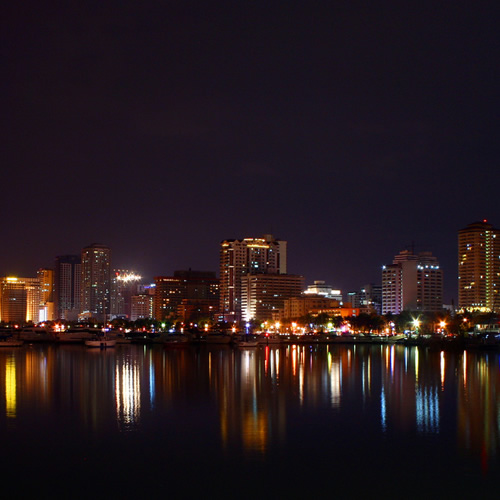
Dining in Manila is an unforgettable experience with so many varieties of cuisine to choose from, including Filipino, Asian, Malay, Chinese, Japanese, European, and Spanish dishes. There are some excellent restaurants scattered throughout the capital city as well as street food vendors, markets selling food, shopping mall food courts, and different dining districts known for different cuisine, such as ‘Binondo,’ the oldest Chinatown in the world. The cosmopolitan city has something to offer every palette, and food is a large part of the Filipino culture. Finding dining establishments in the city is easy with a cluster of restaurants found in Makati, which is said to be the city’s culinary queen.
The amount and variety of ‘Pamatid Gutom’ or street food available in Manila is enormous with some truly unique delicacies to sample including balut (boiled duck embryo), fish ball, kwek-kwek (deep boiled eggs in batter), isaw (grilled chicken intestines), and banana cue. Foodies should be sure to try the roast pork, which is some of the best in the world, as well as BBQ pork skewers, and crispy pork rinds. Seafood is in abundance in the city, and the Dampa Seafood extravaganza is a unique experience! Head to the Dampa Market to purchase your fresh catch of the day and then take it to one of the restaurants located next door, and they will cook it up in a dish to your liking.
Nightlife
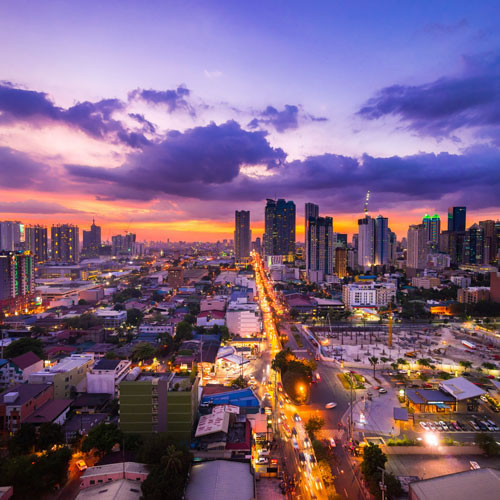
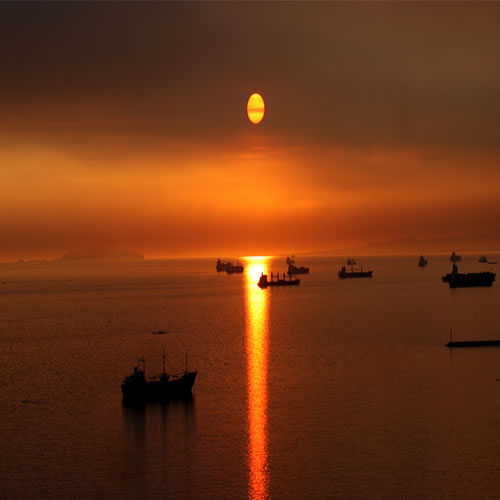
Manila has a magical nightlife found throughout the city’s many flashy districts of Sampaloc, Santa Mesa, Quiapo, Makati, Malate, and Ermita. The nightlife scene in the crazy capital city is made up of amazing music, videoke and karaoke bars, wine bars, pubs, vibrant clubs, beer horses, and beer gardens. Bonifacio High Street is a pedestrian-friendly strip filled with various restaurants and bars, a busy and popular place to bar-hop in the evenings. The Baywalk area stretches from Malate to Ermita along the waterfront, offering stunning views over Manila Bay during the evening. It is also the perfect place to capture a sunset and enjoy some waterfront dining, drinks, and dancing. Remedios Circle in the Malate district is a well-known area that is home to a lot of Western-style pubs and other establishments. The older Ermita neighborhood of Bohemian Malate has several different nightlife offerings, such as live music, bars, and comedy clubs. The karaoke and videoke bar craze in the country is most commonly found in many of the districts.