


Destinations
❮Main Menu
EXPERIENCE MEXICO CITY
Overview
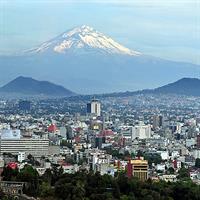
From its incredible food to its rich culture and history, Mexico City (CDMX) offers an abundance of experiences. As the most populous city in the world and the capital of Mexico, it stands as a political and economic powerhouse. The city's history stretches back to the Aztec Empire, and today it serves as a melting pot of cultures from across Mexico. On the same street, you can find sophisticated buildings coexisting with archaeological remains and tamale vendors. Tradition and modernity are just a few steps apart. Once the capital of the Aztecs, the ancient Tenochtitlan has transformed into a magical, powerful, and vibrant city that overflows its boundaries and, as its inhabitants say, “never ends.” The laid-back lifestyle and cafe culture will draw you in, while the exceptional food and nightlife will keep you coming back for more.
Things to Do
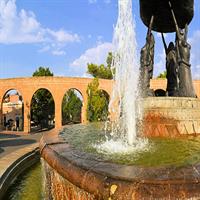
Take a stroll through Alameda, an ancient park with fountains and branches. Here you will arrive at one of the most beautiful buildings in the country, Palacio de Bellas Artes, declared a UNESCO World Heritage Site . This venue, made of white marble, serves as a forum and exhibition center. The Palacio de Bellas Artes is home to of murals by Siqueiros, Rivera, and Tamayo. Other buildings in this area include the Postal Palace; the Casa de los Azulejos, now a Sanborns department store with an original mural by Diego Rivera; and the Torre Latinoamericana, which was once the city’s tallest building and has an observation deck. These last two places offer several traditional Mexican cuisine venues.
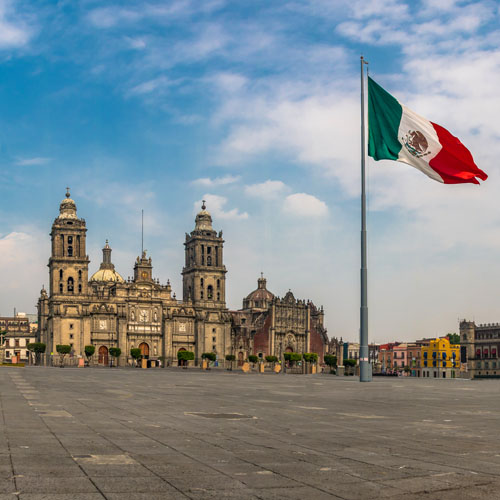
Wander the pedestrian Madero Street, where you’ll find shops and restaurants, as well as interesting buildings. At the end of the walkway, you’ll see the Zocalo, this is the main square and was the heart of the Aztec city of Tenochtitlan. It is also the second-largest square in the world. At the back of the square is Palacio Nacional, which houses the executive power and the Ministry of Finance and is also open to visit fantastic murals by Diego Rivera and the original bell used for the Grito de Dolores.
Admire the imposing Metropolitan Cathedral, constructed in neoclassical, baroque, and churrigueresque styles. Just next to the cathedral is the ruins of the Templo Mayor of the ancient city of Tenochtilan, the capital of the Aztec empire, now known as the Templo Mayor archaeological zone. There is also a museum here to learn about these excavations and see the remains of what the temples were.
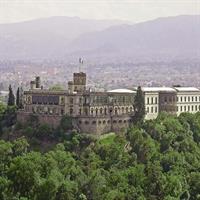
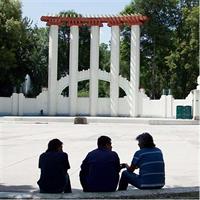
Stroll through Chapultepec Park, the heart of Mexico City and gathering palace for many Mexican families. You can explore the park by bicycle, available for rent around the park. Some interesting spots include the monuments of the Ninos Heroes, the Baths of Moctezuma, the “El Sargento” Ahuehuete tree, and an archaeological site with stone reliefs, as well as several sculptures, fountains, and ideal spaces to rest. From here you can climb to the top of the hill of the same name, where the must-see Chapultepec Castle stands. Over the yeas, it has been a palace, a military base, and most recently, a museum, among many other things. Today, it houses the Museo Nacional de Historia, or the National History Museum. The views of the city from the castle are stunning.
The monumental National Museum of Anthropology houses the finest treasures of pre-Hispanic Mexico, such as the Sun Stone (Aztec calendar), the Tizoc Stone and the Coatlicue statue, all gathered in one of the world’s most important museum venues. Visiting this museum offers a great insight into Mixico’s history.
Paseo de la Reforma is a famous avenue that runs through various parts of the city, including the capital’s three most vibrant neighborhoods: Chapultepec, Zona Roma, and Juarez. This is also where some of the city’s most famous monuments, such as the Angel of Independence column and the Diana the Huntress Fountain. Along the street are shops, malls, restaurants, and museums. To appreciate all of this in a short time, we recommend taking a hop-on-hop-off bus, which passes through all the top attractions.
Xochimilco, a designated World Heritage Site, preserves the ancient canals and chinampas (floating gardens) from the pre-Hispanic era. Situated in the southeastern part of Mexico City, Zochimilco is famous for its colorful, painted trajineras and flat-bottomed boats that can be rented for leisurely trips along the canals. While floating through the canal, you’ll encounter vendors in their own trajineras offering food, drinks, and souvenirs.
Go exploring in one (or all) of the three most popular neighborhoods: La Condesa, La Roma, or Polanco, each offer a different vibe and experience. La Condes offers several restaurants and bars, bookstores, boutiques, tea houses, cafes and more. Colonia Roma, known for its art nouveau style and French flair, as well as the beautiful houses, parks and plazas, offers a cultural center, gourmet and avant-garde restaurants, and interesting museum-houses. Polanco is a cosmopolitan area great for fine dining, entertainment, and luxury shopping, situated in the west of the capital. This neighborhood is also home to grand mansions and embassies. Finally, along Paseo de la Reforma, is the neighborhood of Zona Rosa, known for its colorful atmosphere and as a favorite spot for the LGBTQ+ community. There are many mansions and art deco temples here to explore.
To get the best view of Mexico City and the valley it sits on, you can go to the top of Torre Latinoamericana, Mexico City’s first skyscraper.

Shopping
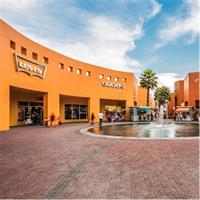
Trade markets are an intrinsic part of the country’s culture. International brands and big-box stores from the U.S. have popped up all over Mexico City, but authentic local markets remain strong. Mexican arts, crafts, food products, clothing, and jewelry are easy to find. You’ll find a plethora of antique stores, artisan shops, and weekend bazaars throughout the city. Add these to the modern shopping centers and luxurious boutiques, and you have a little bit of everything to find whatever you want.
Mercado de Artesanias La Ciudadela is a market in Mexico City for those who love handicrafts, antiques, folk arts, and other artisan products. It’s a great place to shop for souvenirs and unique handmade goods. It’s also a fantastic site for mingling with the locals and learning about Mexican culture. Avenida Presidente Masaryk is one of the most luxurious streets in Mexico City where you can find boutiques from international brands and local designers lining the street. Centro Santa Fe is a multilevel complex with a variety of stores offering everything from clothing to jewelry to toys and furniture. Mercado de San Juan is a traditional market for gourmets and foodies with aisles of colorful fruits and vegetables, quality meat, and fresh seafood. You’ll also come across many exotic foods such as armadillos, tarantulas, and scorpions, to name a few. Reforma 222 is a modern 4-floor shopping mall and home to many familiar brands, such as Zara, Aldo, Samsung, and Adidas. Lastly, the La Lagunilla neighborhood offers a shopping district that's filled with traditional weekend tianguis. Here you can shop and get a feel of local life. There are several stores in the area that sell various goods, such as clothing accessories, toys, books, and furniture.
You’ll find that markets play a huge role in the culture of Mexico City. The markets date back centuries and have since become a crucial sector in the local scene. They’re spaces in which locals sell food, traditional clothing, and souvenirs of the city’s attractions. From wild mushrooms to kefir limes and ice cream, there's a wide variety of flavors that you can find in these spaces. Be sure to check out the markets while visiting Mexico City.

Nightlife
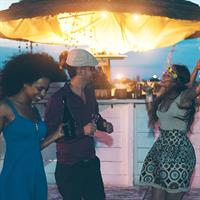
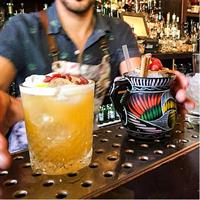
Mexico City, the second most populous city in North America, boasts a vibrant nightlife with some of the best bars and clubs in the country. From salsa to reggaeton, house to techno, the city offers a wide variety of music to suit every taste.
The city is divided into numerous districts and neighborhoods, each offering a unique nightlife experience, whether mingling with locals or fellow travelers. The most popular nightlife spots are Roma, Condesa, and Polanco, where you'll find the best of what Mexico City has to offer.
Polanco is known for its upscale nightlife, featuring sophisticated bars and lounges where you can expect to spend a bit more on cocktails. Popular clubs like Republica and Janis attract an upper-class clientele.
Roma and Condesa, within a 20-minute walk of each other, are the epicenters of the city's bar and nightclub scene. These areas are heavily gentrified and frequented mostly by foreigners. You'll find a range of establishments here, from casual, laid-back bars to more upscale venues.
Centro Historico, the old town of Mexico City, is home to historic clubs and bars such as Pata Negra, Terraza Rooftop Bar, Donceles 88, and Cultural Roots. These venues often play reggaeton music and offer a fun and eclectic nightlife experience.
Cuisine
Mexico City is a culinary paradise, home to some of the world’s best restaurants and a diverse, vibrant food scene catering to all tastes. Street food is a popular and incredible experience, with vendors offering a variety of delicious options wherever you go.
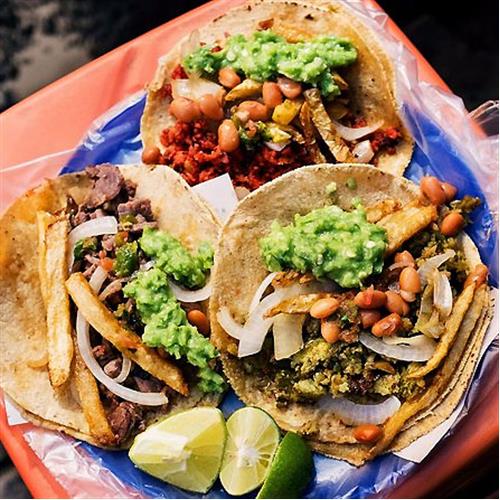
The city’s markets, such as Mercado de la Merced and Mercado Roma, provide a sensory overload of fresh produce, spices, and prepared foods. The street food scene in Mexico City is legendary, with tacos being the highlight. You'll find a variety of tacos along with other antojitos (little cravings) like tamales, tlacoyos, quesadillas, and elotes (grilled corn).
Modern Mexican cuisine is thriving in the city, with contemporary restaurants blending traditional flavors with modern techniques, often earning spots among the best in the world.
Traditional cuisine features Mexican dishes like mole (a rich, complex sauce), chiles en nogada (stuffed chiles in walnut sauce), and pozole (a hearty hominy soup). International cuisine is also well-represented, with options ranging from sushi and BBQ to Italian and French fare.
The city is dotted with cafes and bakeries offering delicious Mexican pastries like conchas and pan de muerto, along with artisanal coffee. Mexico City’s food scene is a rich tapestry of flavors and traditions, providing an unforgettable culinary experience for all.