


Destinations
❮Main Menu
EXPERIENCE MORELIA

Overview
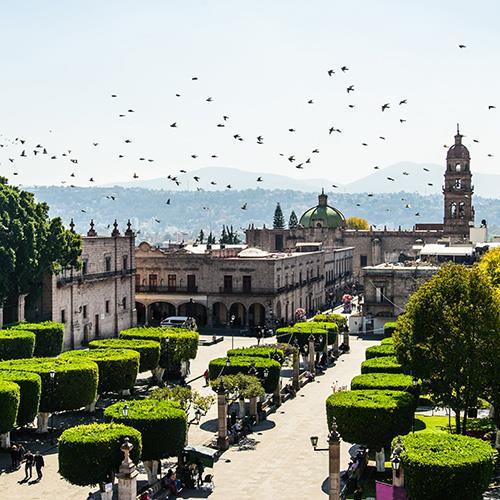
The capital of Michoacán, Morelia rests in Mexico's central highlands, recognized for its colonial architecture and pink quarry stone buildings. Designated a UNESCO World Heritage Site, the city charms visitors with cobblestone streets, a grand 18th-century aqueduct, and stately plazas framed by centuries-old archways. While preserving its Spanish colonial roots, Morelia also offers a modern, university-driven atmosphere, reflected in its cultural festivals and thriving arts scene.

History and Culture
Originally founded as the City of Mechuacan in 1541, then renamed Valladolid, Morelia took its current name in 1828 to honor Jose Maria Morelos, a hero of Mexico's War of Independence. The city became a major center of learning and faith during colonial times, a legacy seen in its many Baroque churches, seminaries, and monasteries. Along with Spanish influences, indigenous Purepecha traditions endure in the region, often showcased in dance performances and craft markets.
Today, Morelia continues to host prominent cultural events such as the Morelia International Film Festival, held every October. Visitors also encounter lively musical traditions, including the state's signature sones, which echo across plazas and bring people together to celebrate Michoacán's diverse heritage.

Weather
Morelia experiences moderate temperatures most of the year, typically hovering in the mid-70s to low 80s Fahrenheit during the day. Winter months (November to February) can bring cooler evenings in the 50s, so packing a light jacket is recommended. The rainy season from June to September can see occasional afternoon showers. Comfortable walking shoes are a must, as many streets are cobbled and lined with historical structures worth exploring on foot. Invest in non-slip shoes if traveling in the rainy season.
Must-See Sights in Morelia
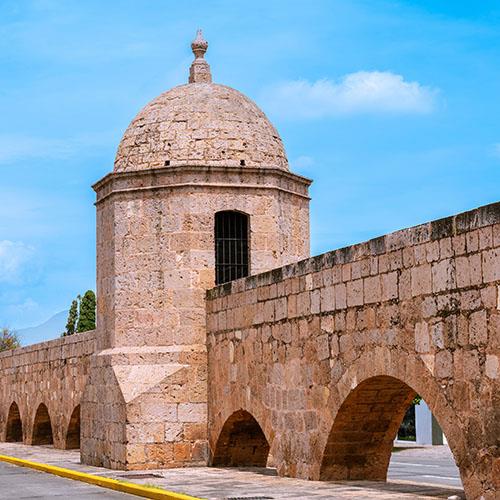
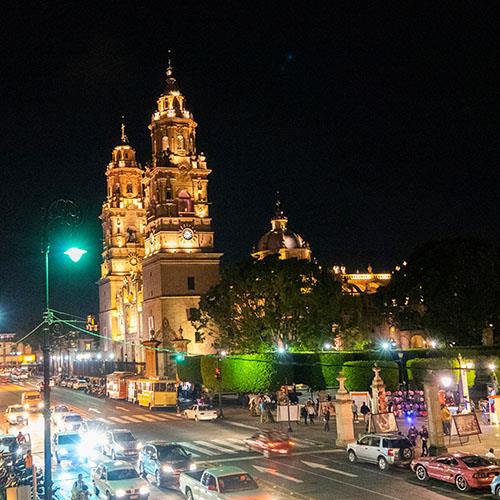
Morelia's monumental Cathedral, built over a span of more than 80 years, dominates the city center with its dual pink stone towers and ornate interior. Around the nearby Plaza de Armas, stately colonial arches and manicured gardens create a tranquil setting for leisurely strolls. Not far away, the Aqueduct of Morelia stretches for miles with over 200 arches (an engineering feat completed in the 18th century to supply water to the city). Close by stands the Santuario de Guadalupe, whose brightly painted interior and gold accents showcase a fusion of indigenous and Spanish artistic styles.
On the southwestern side of the historic center, the Clavijero Palace impresses with its austere façade and spacious courtyard, once part of a Jesuit college. A short walk leads you to the Casa de los Dulces, where visitors can watch traditional sweets being made (fruit ates and other confections) while learning about the region's famed candy-making heritage. Another local treasure is the Museo de Arte Colonial, housed in a 17th-century building that contains religious sculptures and paintings from various stages of Mexico's colonial era.
Activities
Cultural enthusiasts find a constant flow of art exhibits, musical recitals, and theater performances, many taking place in re-purposed colonial structures. The Morelia International Film Festival (mid-October) draws filmmakers and moviegoers from across the globe. If you enjoy the outdoors, day trips to nearby towns such as Pátzcuaro are popular, offering mountain vistas and a glimpse of Purepecha traditions. Some tours also arrange excursions to see the monarch butterflies (typically from late November to March) in the highland sanctuaries northeast of Morelia.
For a hands-on taste of the local cuisine, cooking classes explore Michoacán's gastronomic heritage. You can learn to prepare corundas (tamales wrapped in long triangle shapes) or carnitas (succulent braised pork), often served with fresh salsa and homemade tortillas. Strolling through Morelia's plazas in the evening, amid musicians, balloon vendors, and families out for a leisurely walk, gives a sense of the city's relaxed pace.
Shopping
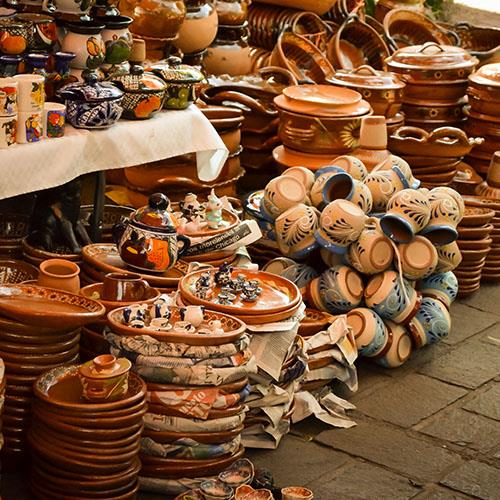
Shopkeepers in Morelia take pride in the region's craft traditions. Along the arcades near the Cathedral, you will find artisan stalls selling embroidered textiles, woven baskets, and copperware from Santa Clara del Cobre. Sweet shops abound as well, given Morelia's reputation for candies: fruit paste candies, or ates, in particular are considered a staple gift for visitors. The Mercado de Dulces y Artesanías, located a few blocks from the main square, is a one-stop hub where you can pick up souvenirs, try free samples of confections, and watch demonstrations of candy-making techniques. When bargaining for handcrafted goods, a friendly tone can help you secure a fair price (though many shops have fixed rates). Paying in pesos is typically the easiest and most cost-effective choice, as some vendors may offer less favorable exchanges for dollars.
Nightlife
By night, Morelia has a mix of casual cantinas, music lounges, and dance venues that cater to different tastes. Some bars close around midnight, while a few clubs stay open until 2 or 3 a.m. In the heart of the historic center, Los Famosos serves up local beer and mezcal cocktails in a laid-back setting. For live music, head to El Anís, a venue that features acoustic sets, salsa nights, and occasional rock bands. Up near the aqueduct, Luna 500 serves as a rooftop lounge offering panoramic views of the city, staying open until about 2 a.m. on weekends. Morelia's youthful vibe ensures you will find exciting nightlife hotspots where you can enjoy Michoacán's famed hospitality, especially near university areas where bars often host karaoke or DJ events.

Food & Drink
Michoacán's cuisine has gained international recognition, and Morelia stands at the center of this culinary heritage. Local specialties include corundas and uchepos (fresh corn tamales), as well as carnitas and churipo (a hearty beef soup). Street stalls serve up gorditas stuffed with beans or cheese, while more formal restaurants highlight dishes made with local produce from the surrounding valleys. Sampling the state's signature salsa de chile perón (an intensely flavorful chili native to the region) is also a treat for spice enthusiasts.
Beverages range from traditional atoles (corn-based hot drinks) to artisanal mezcal produced in Michoacán's highlands. Coffee shops emphasize regional beans, often roasted on-site for maximum freshness. Meanwhile, craft beer has found a growing presence in Morelia, with a few breweries experimenting with local ingredients like guava or honey. Among the many sweet indulgences, look for ate de membrillo or ate de guayaba, both time-honored examples of Morelia's proud candy-making art.