


Destinations
❮Main Menu
EXPERIENCE ORAN

Overview
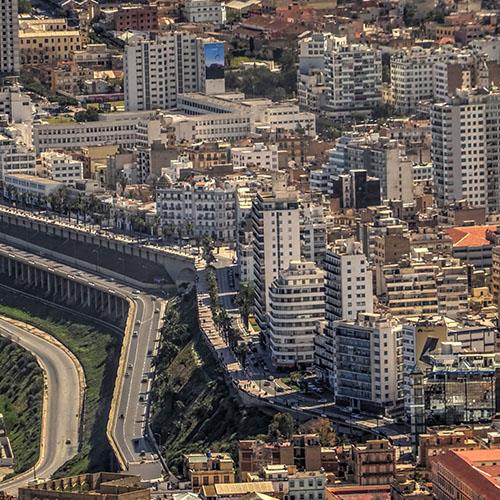
Algeria's second-largest city, Oran, stretches along the Mediterranean in a series of hills and plateaus, each offering a different perspective of (and on) the water. Walk through the streets of Oran and you'll quickly understand why Algerians call it "El Bahia" (The Radiant). The city center buzzes with the kind of energy you'd expect from a major port, while the historic quarter of Sidi El Houari feels almost suspended in time, its narrow streets still following patterns laid down by Andalucian merchants in the 10th century.
Raï music was born in Oran's cafés and bars, evolving from traditional shepherds' songs into a genre that would eventually influence everything from Paris's club scene to modern Arab pop. The same spirit of innovation runs through the city's food, architecture, and daily life. You'll find yourself moving between centuries as you explore: perhaps starting your morning in a French colonial café, spending afternoon in an Ottoman-era mosque, and ending your evening at a contemporary restaurant where the catch of the day is served with a subtle blend of Mediterranean and North African spices.
History and Culture
Oran's story is written in its architecture. The Spanish occupation of the 16th century left behind the commanding Santa Cruz Fort, which still watches over the Gulf of Oran from Mount Murdjadjo. The Ottomans followed, building hammams and mosques that gave the city its first truly urban character. But it was the French colonial period, beginning in 1831, that shaped much of what visitors see today: the wide boulevards, the wrought-iron balconies, and the distinctive mix of Neo-Classical and Moorish revival styles that mark buildings like the Opera House.
The city played a crucial role in Algeria's fight for independence, and in many ways, modern Oran embodies the country's post-colonial identity. This is particularly evident in Raï music, which emerged from the city's working-class neighborhoods in the 1920s and gained international recognition by the 1980s. Artists like Khaled and Cheb Mami started in small Oran clubs before becoming global stars, their music capturing both the traditions and tensions of contemporary Algerian life.

Weather
Oran's weather follows a reliable Mediterranean pattern. Summer temperatures typically range from the mid-80s to mid-90s Fahrenheit, with July and August being the hottest months. The city's position on the coast helps, as there's usually a breeze coming off the water, and temperatures drop pleasantly in the evening. Winters are mild, with daytime highs in the mid-50s to low 60s. Rain showers pass through occasionally from November to February, but they rarely last long. Spring and fall offer the most comfortable conditions for exploring the city on foot, with temperatures hovering in the 60s and 70s. The light during these seasons is particularly beautiful, especially in the hour before sunset when the limestone buildings take on a warm, golden color.

Must-See Sights in Oran
Historic City Center
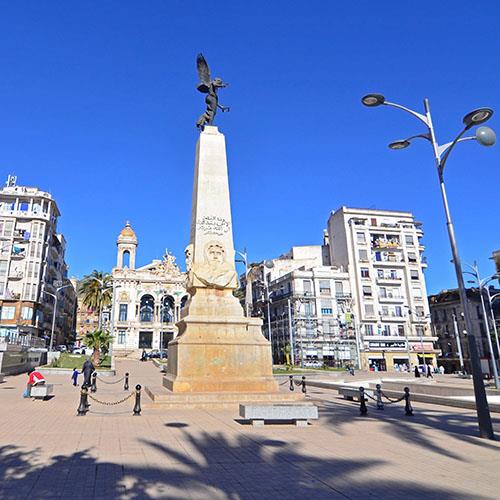
Place du 1er Novembre serves as Oran's main square, where the city's French colonial past is most evident but its present is very much alive. The Opera House dominates one end; even if there's no performance scheduled, step inside to see its recently restored interior. The surrounding streets offer some of the best examples of Oran's distinctive architecture, where French Baroque details merge with Islamic geometric patterns.
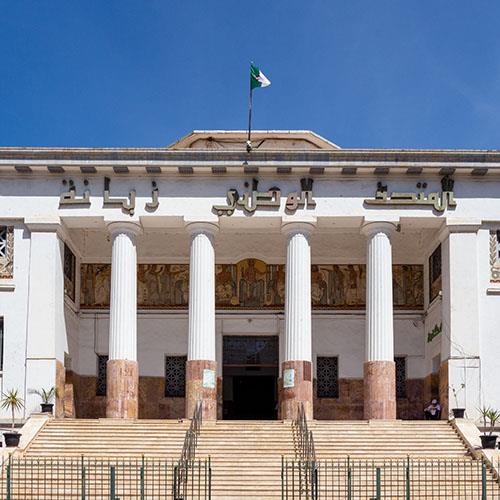
The Great Mosque sits just off the main square, its minaret rising above the surrounding buildings since Ottoman times. Unlike many historic mosques that feel more like museums, this one remains central to daily life in Oran. Just around the corner, the Ahmed Zabana National Museum houses an impressive collection that traces Algeria's history from Roman times through independence. The archaeological section is particularly strong, and the building itself, a 19th-century palace, is worth studying.
Santa Cruz Fort and Chapelle de Santa Cruz
High above the city, Santa Cruz Fort offers the kind of sweeping views that explain why the Spanish chose this spot in the 1500s. The fort has weathered centuries of sieges and storms, and walking its ramparts gives you a clear sense of how Oran's geography shaped its history. The adjacent Chapelle de Santa Cruz is smaller but equally compelling: a pristine white chapel that seems to float above the city.
Getting here takes some planning. The road up Mount Murdjadjo is steep and winding. Most visitors take a taxi (have your hotel arrange one, as the driver may need to wait while you explore), or join one of the morning walking groups that make the climb before the heat sets in. The best light for photography is late afternoon, when the sun illuminates the city below.
Sidi El Houari
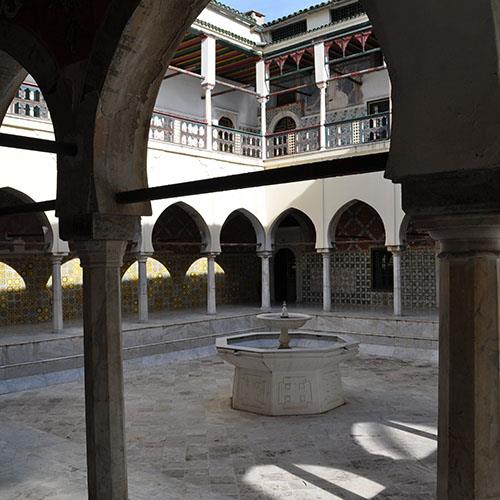
If the city center shows Oran's French influence, Sidi El Houari is a perfect stroll if you want to learn about Oran's Andalucian and Ottoman influences. This is Oran's original neighborhood, where narrow streets wind past houses with distinctive green and blue doors, and courtyard walls still bear carved stones from the Ottoman period. The Palais du Bey offers the clearest window into this era, with its rooms showcasing the refined lifestyle of Ottoman governors, complete with intricate tilework that influenced design across North Africa.
The neighborhood is also home to several traditional hammams. While some are still active bathhouses, others have been converted into cultural centers or restaurants. The Spanish-era fortifications weave through the area, sometimes appearing unexpectedly at the end of an alley or incorporated into later buildings.
Seafront Corniche
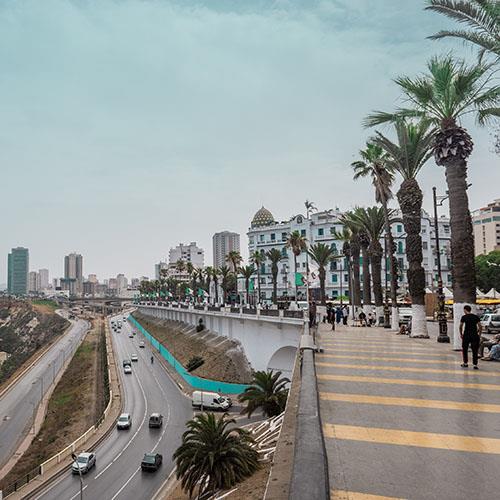
Oran's relationship with the Mediterranean is best experienced along the Corniche, where the city meets the sea in a series of promenades and overlooks. The main walkway stretches for several miles, linking small beaches and fishing ports. Morning brings joggers and elderly couples taking their constitutional walks; sunset draws families and younger crowds to the cafés and ice cream stands.
For swimming, head to Ain El-Turck Beach or Les Andalouses, both a short drive from the city center. The water here stays comfortable well into October. The beaches are busiest on Friday afternoons, when many locals take their weekend break. Early mornings tend to be quietest, and you'll often see fishermen bringing in their morning catch.
Activities
Mount Murdjadjo's network of trails offers everything from casual nature walks to challenging hikes with views stretching to the Atlas Mountains on clear days. Local hiking groups meet at dawn during summer months (your hotel can connect you with a guide or group). Along the coast, the coves west of Les Andalouses attract snorkelers and divers, with several shops offering equipment and guided trips. September and October bring the best underwater visibility, along with chances to spot grouper, octopus, and Mediterranean wrasse. Kayaking tours explore the rocky coastline's hidden beaches, while the botanical gardens near the university provide shaded paths perfect for afternoon walks.
The Museum of Modern Art (MAMO) showcases contemporary Algerian artists through rotating exhibitions, while the restored French colonial library welcomes visitors interested in both architecture and historical collections. Families will find the Science Museum's hands-on exhibits and planetarium shows engaging, with most displays including English descriptions. The Traditional Arts Center runs workshops in local crafts, from ceramic painting to weaving, suitable for all ages.
Music is a prominent player in any vacation to Oran. Several historic Raï recording studios still operate in the city center and occasionally offer tours, while the Opera House hosts everything from classical performances to contemporary Algerian music. During migration seasons, birdwatchers gather at the salt lakes just outside the city, where flamingos provide a natural spectacle against the city backdrop.
Shopping
For traditional souvenirs and crafts, Oran's Souk El Khemis, the Thursday market, offers a wide variety of products suitable for any type of souvenir, whether it's for you or for someone else. The souk spreads through several blocks where vendors arrange everything from hand-forged copper pots to locally woven textiles. The spice merchants create tiny mountains of saffron, cumin, and ras el hanout, while olive vendors offer samples of oils pressed from groves in the nearby Atlas Mountains. In the medina, artisan workshops still produce traditional leather goods and metalwork, and you'll often find craftspeople working on commissioned pieces. Note: Haggling is not just expected, it is to be assumed, and it's up to you to gauge the price you want to pay and move to a middle ground agreed upon by the vendor. Fixed-price shops (including mall stores and most boutiques) will be clearly marked as such.
For contemporary shopping, the boulevards around Place du 1er Novembre feature boutiques selling modern Algerian fashion and design. Es Sénia Mall offers familiar international brands, but the more interesting finds are in the small galleries and shops tucked into the side streets, where local designers blend traditional patterns with contemporary styles. The antique shops near the port sometimes yield interesting colonial-era prints and photographs of old Oran.
Nightlife
Oran's evening culture centers around music and conversation. Traditional cafés fill with the sounds of domino games and heated discussions over mint tea, while contemporary lounges along the Corniche offer sunset views with their cocktails. La Voûte, housed in a converted colonial-era vault, hosts live music several nights a week, and here you might catch anything from traditional Andalucian melodies to modern Raï fusion.
The nightlife scene picks up around 10 p.m., particularly in the streets around Place du 1er Novembre. Crystal Lounge attracts a sophisticated crowd with its Mediterranean views and creative cocktails, while smaller music venues showcase emerging local talent. During summer, several beach clubs west of the city combine swimming, sunset dining, and evening entertainment.
Food & Drink
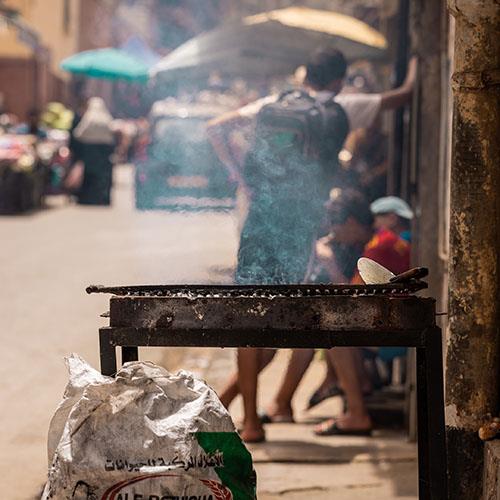
Mornings in Oran for locals often start with fresh sfenj (Algerian doughnuts) from street vendors and coffee in cafés dating back to French times. For lunch, local offices empty into restaurants serving chorba (hearty lamb and herb soup) and karantita, Oran's distinctive chickpea flatbread seasoned with cumin and harissa.
The fish market near the port signals what you'll find on dinner menus: grouper, sea bass, and red mullet arrive daily and often go straight to restaurant kitchens. Look for tagine el bahr, Oran's take on seafood stew, flavored with preserved lemons and local herbs. The bourek here deserves special mention: unlike other North African versions, Oran's bourek often combines seafood with traditional meat fillings, wrapped in delicate malsouka pastry.
Traditional restaurants around Sidi El Houari serve mechoui (slow-roasted lamb) and couscous topped with tender vegetables and chickpeas. Save room for dessert, as local patisseries produce both French-inspired gâteaux and traditional sweets like makroud, semolina cookies filled with dates and scented with orange blossom water.
While Algeria produces some excellent wines, particularly from the Mascara region near Oran, they're not always easy to find. Most restaurants serve fresh mint tea, local mineral water, and Hamoud, Algeria's beloved lemon soda. For coffee, try the local preference for "nous nous," which is half espresso, half hot milk, served in glass cups in any café.