EXPERIENCE PRISTINA

Overview

Kosovo’s capital city of Pristina is nestled in the heart of the Balkans, filled with history and culture and some fascinating attractions. The city is not an obvious tourist destination, but visiting Pristina makes for an interesting and essential experience. Pristina is the entry point to the Balkans and a great place to start your European trip with fewer crowds and a cheaper option from other more popular Balkan countries.

Pristina was part of the Dardanian kingdom, the heritage of the classical era was represented by the settlement of Ulpiana, which was considered as one of the most influential Roman cities in the Balkan Peninsula. The city is now the capital, economic, financial, political, and trade center of Kosovo, due to its central location. Pristina is the seat of power for the Government of Kosovo and the residence of the President, Prime Minister of Kosovo, and the Parliament of Kosovo.

Pristina was first recorded in 1342 as a village, it became a popular mining and trading center due to its strategic position near the rich mining town of Novo Brdo. While under Serbian rule during the 14th century, the first mosque was built in Pristina.

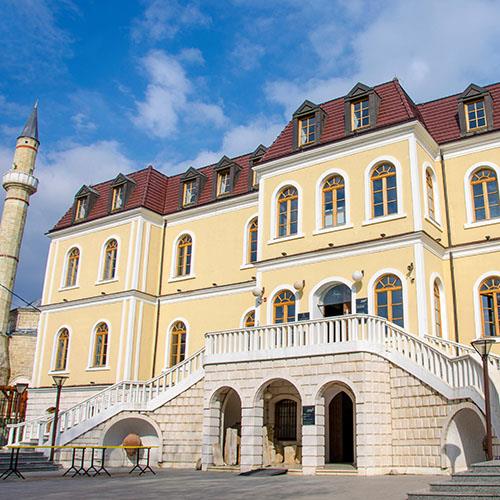
Pristina is an up-and-coming city still in transition, the beautifully renovated main boulevard is lined with cute shops, quaint cafes, restaurants, museums, and galleries situated close to the heart of the city. The city is fast changing and it is an attractive place to visit with mismatched architectural styles. Visit the Old Ottoman part of the city, which is filled with Ottoman-era architecture and old communist buildings, along with new infrastructure like the brand new steel and glass building being built. Pristina is a great base for exploring more of the Balkan countries and attractions.

The buzzing city is full of life that permeates the atmosphere, there is a kaleidoscope of sights, sounds, and smells. Pristina is home to many monuments, churches, mosques, and other historical and cultural landmarks including an abundance of museums, galleries, and theatres. The city also offers a great selection of restaurants, bars, and nightclubs as well as being home to a variety of shops and markets.
Things to see and do

The bustling capital city of Pristina is set in the heart of Kosovo, a city filled with great culture and historical significance, known for its vibrant energy and lively atmosphere. There are a wide variety of attractions for visitors to explore including traditional markets, and modern tourist hotspots, the city has something for everyone.
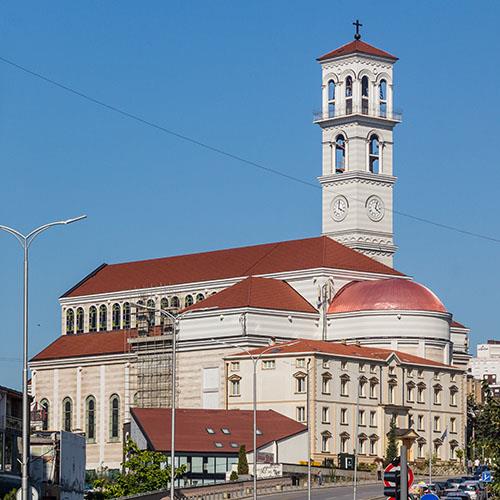
Brutalist architecture can be found throughout the Balkan countries and Pristina offers nothing short of some amazing buildings that draw your attention. Brutalist architecture is not the only type of architecture in the city, there are newer buildings like the Cathedral of Saint Mother Teresa, the biggest roman catholic church in the Balkans. There are some wonderful views over the city from the church.

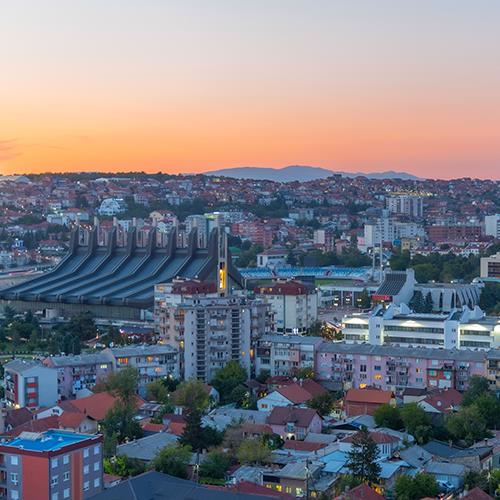
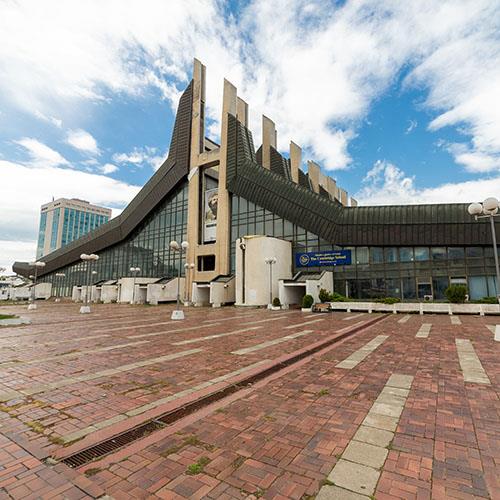
One of the most iconic landmarks in the city is the National Library of Kosovo is famous for being ugly! This strange brutalist architecture of this library on the University of Pristina campus demands to be seen. The concrete block design is surrounded by a metal mesh net and then topped with 73 small bubble domes completed in 1986, it also boasts an equally unusual interior.

The National Gallery of Kosovo situated right behind the National Library of Kosovo was established in 1979, it is the highest institution of visual arts in Kosovo. The gallery displays various exhibitions of local and international artists. Due to the infamous regime and difficult circumstances in Kosovo, local artists sought other alternatives to promote their art. During the Kosovo War, many ateliers were set on fire and many artworks were destroyed. The National Gallery organized 297 collective and individual exhibitions from 1979 to 1998, since 1999 when the gallery was reestablished and assigned its location in the current building, 350 exhibitions have been organized both locally and internationally.

The striking new Roman Catholic Cathedral of St. Mother Teresa sits across from the library, it was constructed in 2017, a modern cathedral with a relatively traditional architectural design. Mother Teresa was born in North Macedonia, she is actually Albanian and extremely important to the people of Kosovo. The cathedral was inaugurated in 2010 on the 100th anniversary of her birth. Step inside to see the vivid stained glass window that lights up the pristine white hall. Climb the cathedral’s bell tower adjoining the cathedral for the best vantage point in the city.

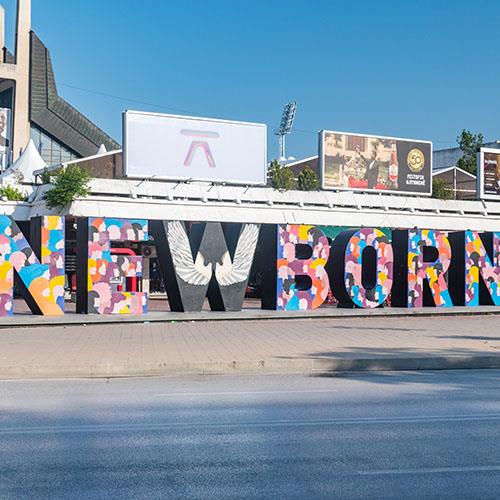
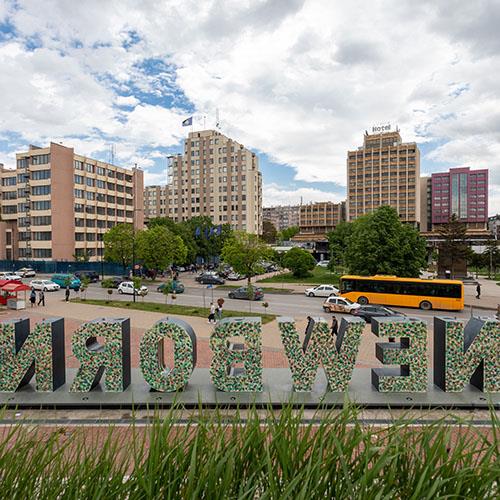
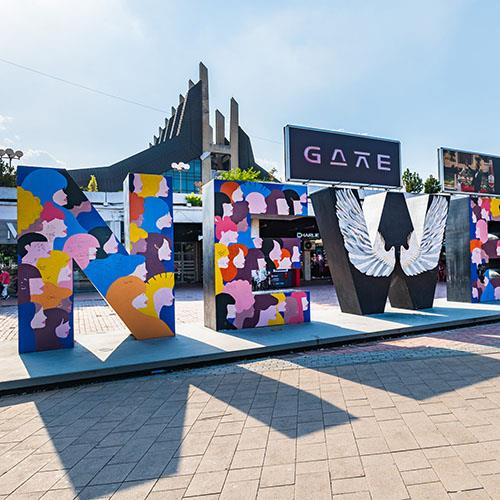
The NEWBORN monument is another one of the main attractions in the city. Kosovo is the youngest country in Europe and declared its independence on February 17th, 2008. The importance of this monument is in its symbolism and evolving artistic themes. The Palace of Youth and Sports is the backdrop to the monument, a typography sculpture tied to the country's independence. First, it was painted only yellow, but eventually, it was covered in flags of the countries that recognized Kosovo’s independence. Every year on the 17th of February the monument changes its look.

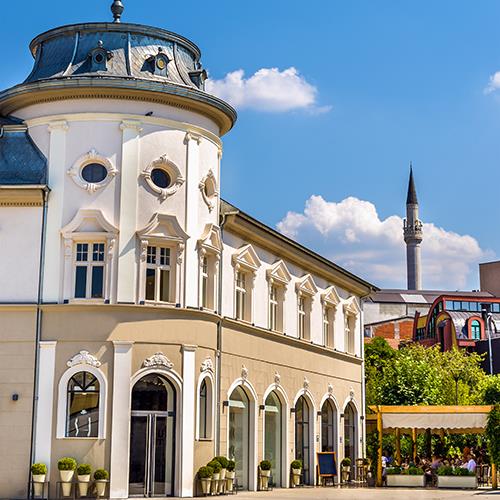
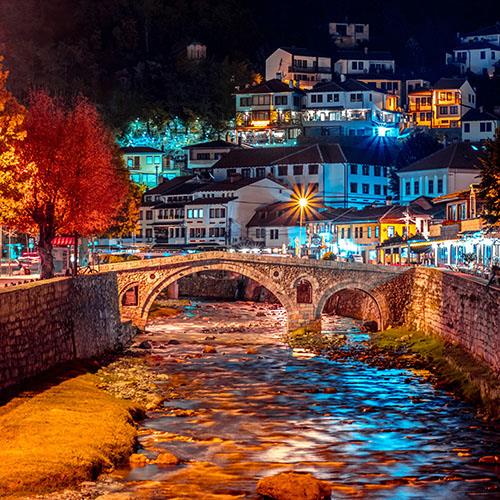
There are quite a few mosques located in the small Old Town portion of Pristina, most notably the Carshi Mosque, the Jashar Pasha Mosque, and the Imperial Mosque. Carshi Mosque is the oldest in the city dating back to 1389. The Jashar Pasha Mosque has been restored and features a beautiful wooden exterior for its prayer room. The Imperial Mosque was built by Sultan Mehmed II in 1461, it is a protected cultural monument.

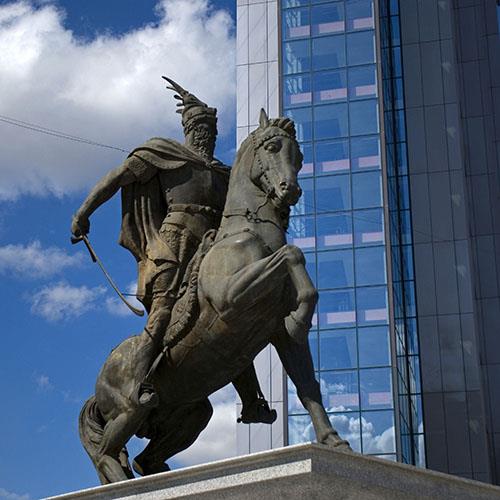
Visit the Bill Clinton Statue in Pristina, the former president of the USA was beloved by Kosovo, due to his integral role in supporting the country in the 1998-99 Kosovo war that lead to Kosovo’s declaration of independence. President Clinton came and spoke at the statue’s unveiling in 2009. The statue stands 11 feet tall. The Hilary Clinton stores can be found down the block from the Bill Clinton statue, the stores sell gowns fit for inauguration and pantsuits in colors for each day of the week.

Shopping

Shopping in Pristina is a unique experience, the winding streets are filled with markets (market day is Tuesday), and the alleys around the city in what used to be the Pristina Bazaar, stalls set up selling fruit, vegetables, and dairy vendors. The Pristina Bazaar was known throughout the Balkan region as a trading hub in the 16th century. It featured over 300 shops during its prime. The Grand Bazaar is a large market located in the heart of the city, a great place to find those hidden treasures.
Pristina has shopping opportunities for everyone, whether you are looking for unique souvenirs, traditional clothing, modern fashion, textiles, jewelry, and more. The city is home to a number of malls including the largest Pristina City Mall with multiple levels, and endless options for shopping, dining, and entertainment.

The Prishtina Mall is a new super-regional retail complex located about 6 miles away from the city center, it's one of the largest shopping complexes in Southeast Europe. The mall features a CineStar, the largest movie theatre chain in Southeast Europe. HyperActive is a gaming and sports area located in the mall featuring augmented reality bowling, axe throwing, a laser tag arena, escape rooms, a sports bar, and virtual reality and AR darts. There are multiple restaurants, and an expansive food court as well as a dining terrace. The mall is home to 230 prestigious local and international retail brands including Mr. Bricolage, Sizeer Kosova, DIESEL, and H&M among a few.

Pristina is home to many unique shops, covered market stalls, bookstalls, and handicraft stores selling authentic souvenirs. Delvina is an antique shop located on Bill Clinton Boulevard where you can pick up old textiles, traditional costumes, jugs, and more. Traditional silver filigree jewelry is still made in Pristina, a light and very beautiful souvenir to take home. They are sold at shops on UCK Street, and Krenare Rugovica’s shop on Garibaldi Street. Other popular souvenirs to purchase in Pristina include wood carvings, leather goods, embroidery, traditional Albanian pieces of clothing, woven rugs, and musical instruments.

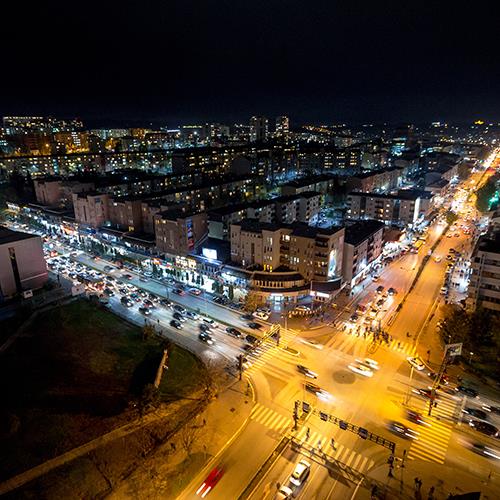
Mother Teresa Boulevard is the main pedestrian street in Pristina and the most popular street in the city for shopping, dining, accommodations, and nightlife. This is the place to people watch and is bustling with people day and night, it is the beating heart of Pristina, where people flow through in a never-ending parade.

Entertainment

Albanian music is very rich in genres, and development. The rich folklore of Kosovo is apparent in the music throughout the country. Some of the international artists of Albanian were born and raised in the city including Rita Ora, Dua Lipa, and Era Isterfi. Music can be enjoyed all over the city, in the streets, cafes, bars, and restaurants.
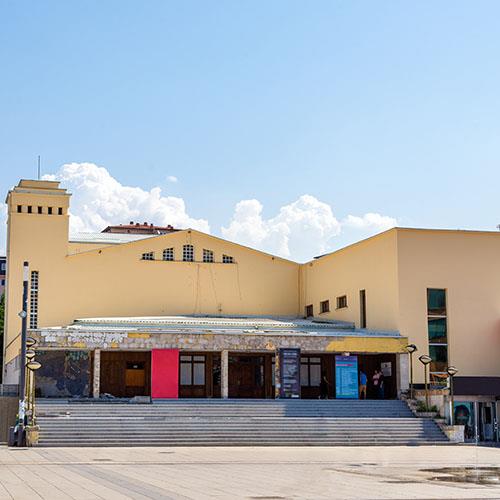
Pristina is the host of three active theatres including the National Theater, Oda and Dodana Theatre set in the heart of the city. There are live performances offered at these locations weekly. The National Theatre is also in the heart of downtown, near the main government building, it was founded in 1946. It is the highest-ranked theatre institution in the country, its also the only public theatre in the country. The theatre has produced over 400 premieres that have been watched by over 3 million spectators.

The Pristina International Film Festival screens prominent international cinema productions in the Balkan region, and it draws attention to the Kosovar film industry. Created in 2008 after Kosovo declared its independence.

The Chopin Piano Fest Pristina was established for the first time on the occasion of the 200th birthday anniversary of Frederic Chopin in 2010 by the Kosovo Chopin Association. This festival is becoming a traditional piano festival held in spring every year and has offered both world-famous pianists like Peter Donohoe, and Janina Fialkowska.

The DAM Festival in Pristina is one of the most prominent cultural events that take place in the capital city. An annual music festival where music lovers gather to witness talented national and international musicians from all over the world. The festival was founded by musician Dardan Selimaj, the festival works on enriching the Kosovar cultural scene with the collision of traditional and contemporary.

Dining

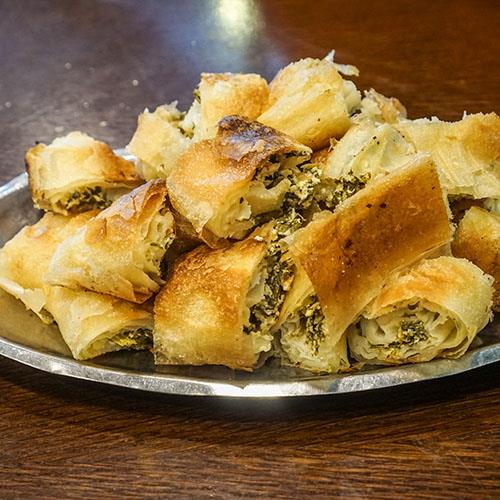
Pristina offers visitors some incredible dining options, there are some really cool and modern places to check out in the city. There are some very unique restaurants in the city such as the Soma Bookstation which is a bookstore, cafe, and restaurant all in one. Locals are always happy to share their culture and traditions with visitors, and this is apparent in the traditional dishes served in restaurants around the city. There are many ethnic groups in Kosovo serving up different traditional dishes in the city’s thriving culinary scene. Albanian cuisine is the most influential in Pristina, the food here is also a reflection of the Balkan region, from stuffed paprikas, to resenik, and burek, the city’s food will tantalize your taste buds.
Cafe culture is huge in Pristina, the coffee here is some of the best, and the prices are hard to beat. The city is brimming with quaint cafes on every corner, some are random places, some offer outdoor seating, and some are stylish and trendy. The coffee culture here is deeply rooted in the city’s history and culture, a staple of the local cuisine, and a great way to connect with family and friends. Coffee is the local's way of socializing and catching up.

Pristina boasts some of the coolest vibes when it comes to dining options. The city streets are packed with quaint cafes, some are random places with a few tables, and others are stylish and trendy. Walk up and down Bulevardi Nene Tereza the main pedestrian street brimming with cafes. Coffee in Pristina is hands down some of the best, it's pure heaven for coffee lovers. Restaurants in Pristina sever up delicious Balkan dishes, lamb is a popular item on the menu, often served in a kebab, and pleskavica, minced beef stuffed with cheese, and trout are the most popular fish on the menu. Liburnia is a great place for a proper meal, featuring a beautiful interior decorated with colorful flowers and plants. Baba Ghanoush serves up delicious Middle Eastern cuisine. Cheese is a staple on most menus, try the soft cheeses of Kosovo’s Dragesh Valley, and try the local yogurt too served Turkish style. Vegetarians won’t be disappointed in the city as they can try a range of stuffed, baked, or grilled peppers with various spiciness. Home-made grape raki is Kosovo’s local firewater, frequently drank as an aperitif. The country also produces its own wine, reds of varying quality.

The city offers a wide variety of restaurants with something for everyone’s taste buds. Pinocchio is located in the Dragodan/Arberia neighborhood serving up excellent food in a warm, and welcoming atmosphere with panoramic views of Pristina below. Chalet Denis is located up Dragodan Hill, a charming Swiss chalet-style restaurant serving the best banana splits and views in Pristina. Il Passatore is an authentic Italian restaurant, run by a real Italian mama, and her family serving up delicious mouthwatering dishes. The Lounge is a smart, upmarket bar and restaurant with a mixture of international and local cuisines. Tiffany Pizza features some of the best pizza in the city, the spinach pizza is a must! Margarita Pizza is also very good offering a wide menu including fresh summer salads. Pellumbi is the place to try authentic Albanian dishes and Pishat which serves up delicious local dishes.

Sports

The capital city is the center of sports in Kosovo. Football is the most popular sport in Pristina represented by FC Prishtina, and play their games in the Fadil Vokrri Stadium. The stadium has a capacity of 13,500 and is located in the city center, Pristina FC plays in the Football Superleague of Kosovo, the country’s top tier. Basketball is another popular sport and is represented by KB Prishtina, it is the most successful basketball club in Kosovo. RTV is another team from Pristina in the Superleague. Streetball is a traditionally organized sport and cultural event held at Germia Park since 2000. Che Bar team has been crowned the champion of the national championship in 2013. Handball is also very popular.
Nightlife

There are a number of nightclubs in the city such as the elegant Duplex playing live music with great DJs mixing pop and rap music. The club has a dress code, so dress well, it is a great place to eat and drink in Pristina. Rooftop 13 occupies the top floor of the Grand Hotel where guests can enjoy panoramic views of the city below. It is one of the liveliest clubs in the city and contains four outdoor Rooftop Gardens, each offering a different view of the city. The Zone Club is one of the most famous in the city hosting many internationally renowned DJs and artists. They are open year-round, between two different locations, the winter location is set in the heart of the city on multiple levels, and the summer location is located in an abandoned warehouse in the industrial area just outside the city. Both locations offer endless dancing evenings until dawn with notable crowds.

The main streets in the heart of the city are the best place to find happening nightlife. The streets of downtown Pristina are lined by bars, restaurants, cafes, and clubs open daily. In the evening times, the main options are found around the maze of streets that run perpendicular to the main pedestrian boulevard, Mother Teresa Boulevard. Raki Street is one of the most popular streets for the younger crowd in Pristina, with a few small taverns lining both sides of the streets. During the evening time, the streets are packed with young people hanging out, drinking, and people-watching. The street is famed for its variety of cheap local raki, and delicious low-cost meals. Rexhep Luci is a popular street lined with cafes and bars.