


Destinations
❮Main Menu
EXPERIENCE SAN CRISTÓBAL DE LAS CASAS
Overview
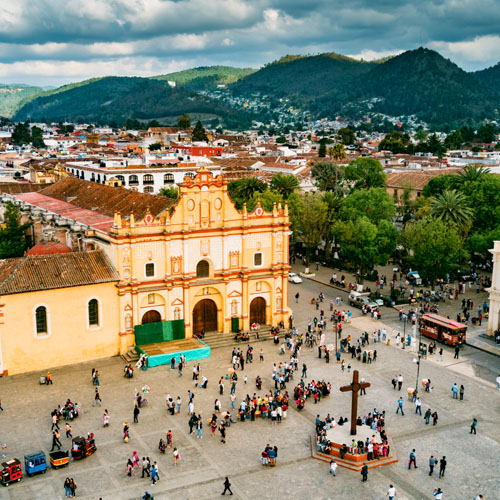
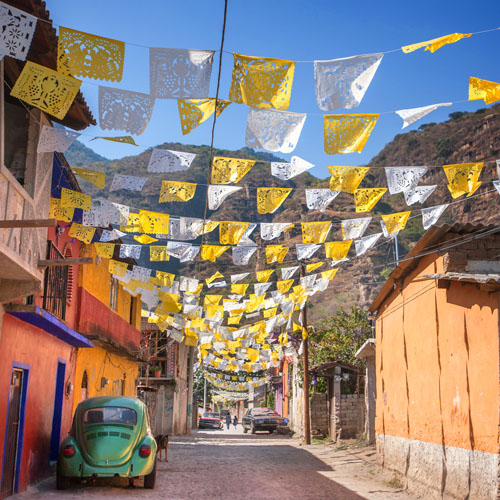
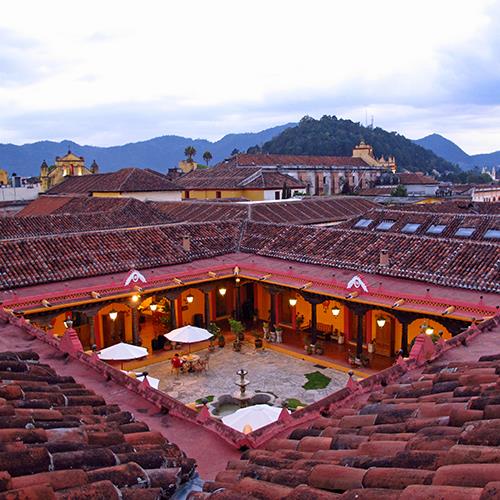
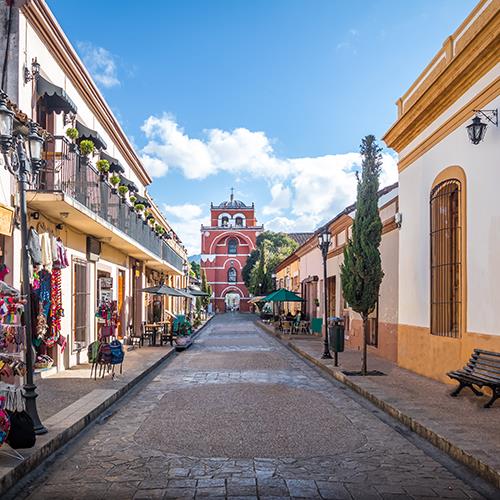
High in the mountains of Chiapas, San Cristóbal de las Casas sits in a narrow valley surrounded by pine-covered hills and cool highland air. Long considered one of Mexico's cultural capitals, it is a city where colonial architecture, indigenous traditions, and modern artistic expression coexist in colorful harmony. Narrow cobbled streets, pastel façades, and red-tiled roofs give San Cristóbal its postcard beauty, while street markets, textile shops, and smoky tamale vendors ground it in daily life.
Despite its modest size, San Cristóbal feels layered and cosmopolitan. Visitors are drawn by its walkable layout, vibrant arts scene, and access to surrounding Tzotzil and Tzeltal communities. Cafés fill with poets and painters. Courtyards hide design boutiques and cooperatives. And in the evenings, the city hums softly with music, mezcal, and conversations under wool blankets.
History and Culture
The region surrounding San Cristóbal has been home to Maya peoples for centuries, particularly the Tzotzil and Tzeltal communities who continue to shape the city's cultural identity. Spanish settlers founded the city in 1528 as a colonial outpost, naming it Ciudad Real. Its strategic location made it an administrative hub for the highlands, and its prominence as a religious center brought elaborate churches and convents, many of which remain key landmarks today.
Unlike many other colonial cities, San Cristóbal never became industrialized or heavily modernized. Instead, it retained its scale and its identity as a meeting point between worlds. Over time, it became known as a center for indigenous advocacy, alternative education, and grassroots politics. The 1994 Zapatista uprising, rooted in Chiapas's rural poverty and political neglect, brought global attention to the region and gave the city a new reputation as a place of resistance and dialogue.
San Cristóbal remains proudly pluralistic. Indigenous markets stand beside European-style cafés. Spanish colonial churches overlook Maya weaving collectives. Museums highlight everything from amber and textile arts to regional resistance movements. The city's cultural rhythm is slow but deeply felt, shaped by artisans, activists, expats, and students alike.

Weather
San Cristóbal enjoys a cool, highland climate year-round thanks to its elevation of more than 7,000 feet. Daytime temperatures typically stay in the upper 60s to mid-70s Fahrenheit during the dry season, from November through April. Nights can be chilly, often dropping into the 40s or even upper 30s in the heart of winter. Mornings may feel brisk, but the midday sun quickly warms the air, especially in sheltered courtyards or along sunny pedestrian streets.
The rainy season begins in May and continues through October, bringing afternoon showers and occasional evening downpours. While rain can fall steadily in the summer months, it rarely disrupts travel plans entirely. The payoff is a lush, green landscape and mist-draped hills that frame the city in moody beauty. Travelers should pack layers year-round, including a warm sweater or jacket for evenings and a light raincoat or umbrella for summer visits. Sturdy walking shoes are essential, given the city's uneven cobblestones and frequent elevation changes.
Must-See Sights in San Cristóbal de las Casas
San Cristóbal's central landmarks are tightly clustered and made for slow wandering. The city's main square, the Plaza 31 de Marzo, is framed by the Cathedral of San Cristóbal, whose mustard-colored facade and asymmetrical towers mark one of the most recognizable backdrops in southern Mexico. Step inside to find a surprisingly understated interior, then circle around to the Andador Eclesiástico, a pedestrian walkway that connects the square to side streets lined with cafés, galleries, and artisanal shops. A few blocks away, the Iglesia de Santo Domingo de Guzmán commands attention with its elaborate Baroque facade carved from pink stone. Out front, the surrounding plaza fills daily with indigenous vendors selling handwoven textiles, amber jewelry, and herbal remedies. The adjacent Ex-Convento de Santo Domingo houses a museum with exhibits on regional textiles and traditional dress, giving cultural context to the crafts found in the markets outside.
Near the northern rise of town, the Templo del Cerrillo stands quietly among cobbled streets and flower-draped walls. This modest red-domed church is one of the oldest in San Cristóbal and anchors a peaceful neighborhood known for its artistic energy. Nearby, Casa Na Bolom serves as both a museum and cultural center, once home to Danish archaeologist Frans Blom and Swiss photographer Gertrude Duby. Their work documenting Chiapas's Lacandon communities is preserved in the home's exhibits and library.
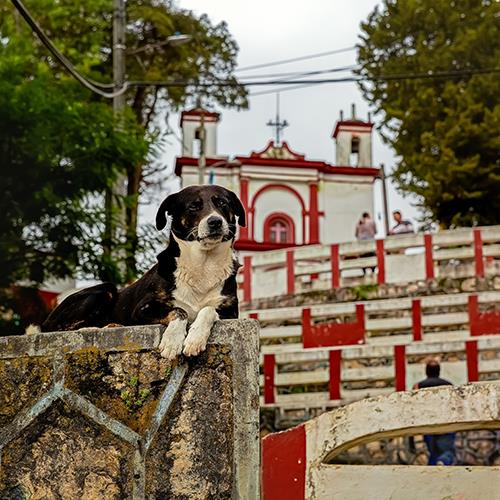
Follow the pedestrian-friendly Real de Guadalupe corridor to the east and you'll arrive at the Templo de Guadalupe, perched on a hill and reached by a scenic staircase. The church's white-and-yellow facade and elevated position offer panoramic views of the city below. Along the way, street art, cafés, and boutiques offer plenty of reasons to pause and explore.
To the west of the city center, the Iglesia de la Merced and its surrounding neighborhood offer a quieter slice of local life. The church sits beside one of the city's oldest cemeteries and is near Centro de Textiles del Mundo Maya, an excellent stop for those wanting to understand the deep artistic legacy of the region's weaving communities. In the south, the Templo de Santa Lucía anchors a neighborhood known for its creative mix of tradition and modernity. The small plaza here often hosts food festivals, artisan fairs, and cultural events. The nearby streets are filled with workshops, bakeries, and low-key cafés that give this area its understated charm.
On the edge of town, two popular viewpoints bookend the city: the Mirador de la Escuela SolMaya near the Templo de Guadalupe, and the Mirador de la Merced, each offering views of the valley and surrounding pine forests. For those seeking more curated history, the Museo del Ámbar, housed in a former convent, displays Chiapas's prized fossil resin in various forms, from raw chunks to intricate carvings and jewelry.
Beyond San Cristóbal proper, many visitors take day trips to nearby indigenous villages such as San Juan Chamula and Zinacantán, where traditional dress, language, and rituals remain a daily part of life. In Chamula, the town church is particularly famous for its syncretic mix of Catholic and indigenous rituals, including pine-needle-covered floors, candles, and chicken sacrifices. Zinacantán, meanwhile, is known for its floral textiles and cooperative weaving centers. For nature lovers, a trip to El Arcotete Ecotourism Park, about 20 minutes from town, offers hiking, zip-lining, and limestone cave exploration. Another popular option is Cañón del Sumidero, a dramatic canyon outside Tuxtla Gutiérrez, where boat tours glide through towering cliffs rich with wildlife. Though farther afield, both make for rewarding half-day or full-day adventures.
Activities
San Cristóbal is a city for the culturally curious. Walking tours of the historic center, either guided or self-led, are among the best ways to absorb the city's layered architecture, religious landmarks, and street-level creativity. Several independent collectives offer guided routes focused on indigenous history, political activism, and Chiapas's evolving artisan movements.
The city's many cultural centers and museums regularly host temporary exhibits, film screenings, and lectures on local topics. Casa Na Bolom offers a calendar of educational programs, while newer spaces like Kinoki blend film, food, and independent events. Workshops in textile weaving, amber polishing, and chocolate making are offered through local cooperatives, allowing visitors to learn directly from artisans. For a slower pace, yoga and wellness classes are widely available, often held in rooftop studios or leafy courtyards.
Nature is never far from the city. Nearby hiking trails wind through pine forests and rolling hills, offering views of the valley and its patchwork of red rooftops. Guided day trips to the countryside or to indigenous villages give travelers a deeper sense of the regional landscape, both physical and cultural.
Shopping
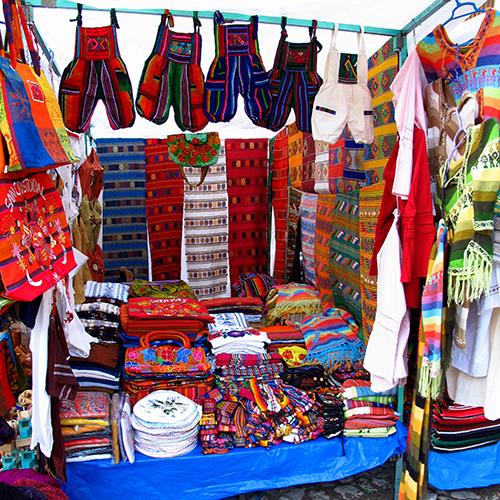
San Cristóbal is one of Mexico's finest destinations for artisan shopping, particularly for textiles, amber, and handmade goods rooted in Chiapanecan traditions. The Andador Real de Guadalupe and the areas surrounding Santo Domingo Church are home to both open-air markets and curated boutiques. Vendors here sell everything from hand-loomed huipiles and rebozos to leatherwork, embroidered bags, and ceramics. Many of these items are produced by Tzotzil and Tzeltal communities from nearby villages and sold through cooperatives that ensure fair trade practices.
Amber from Chiapas is especially prized, and visitors will find raw pieces, polished stones, and jewelry throughout the city. Reputable shops, including the Museo del Ámbar gift store, provide certification and background on this fossilized resin. Natural cosmetics, herbal teas, and locally-roasted coffee are also widely available and make excellent souvenirs. Prices in established stores are usually fixed, but polite bargaining is common at open-air stalls, especially if you're purchasing multiple items. Transactions in pesos are preferred.
Nightlife
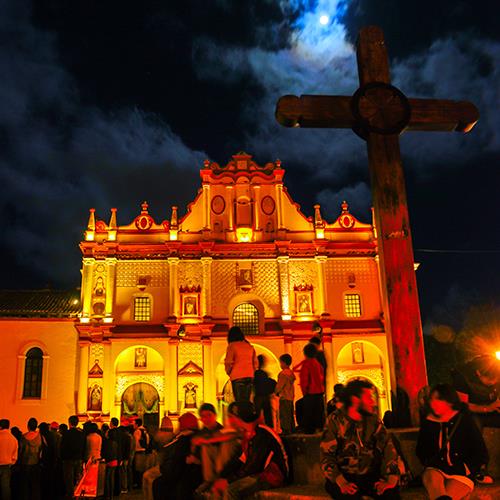
San Cristóbal's nightlife is mellow, social, and often driven by live music and community events. Evenings begin with strolls along the pedestrian corridors, where street musicians perform folk ballads, marimba tunes, or soft jazz. Mezcalerías and wine bars fill up after dark, offering a relaxed setting for conversation and quiet reflection. Rooftop terraces and courtyard bars in neighborhoods like Guadalupe and El Cerrillo host small concerts and acoustic sets, especially on weekends.
Those seeking more structured entertainment can find theaters and cultural centers showcasing independent films, spoken word, or dance performances. Places like Kinoki and El Puente cater to a mix of locals and travelers looking for something more than a DJ set. While there are a handful of bars open late, the city does not have a major club scene: most venues wind down by midnight or 1 a.m.

Food & Drink
San Cristóbal's culinary scene is rooted in Chiapanecan tradition but elevated by a steady stream of creativity and outside influence. Local dishes like tamales de bola, sopa de pan (a savory bread soup), and tascalate (a cold drink made with corn, chocolate, and cinnamon) are staples in family-run comedores and market stalls. Hearty breakfasts with coffee grown in the nearby highlands are a city ritual, often accompanied by warm pan dulce or handmade tortillas.
Restaurants in the historic center and along Real de Guadalupe showcase regional ingredients in both traditional and modern forms. You'll find international kitchens alongside indigenous eateries, with options for vegetarians, slow food lovers, and those seeking organic or locally-sourced meals. Chocolate shops and cafés double as cultural spaces, serving drinks made from ground cacao in the traditional style of the region.
For drinks, Chiapas produces excellent coffee and a growing range of craft beers and spirits. Mezcal and pox, a traditional Maya corn-based spirit, are both widely available and often served with salt and citrus or as part of tasting flights. Rooftop bars and cozy cantinas offer a space to linger, sip, and digest the city at your own rhythm.