


Destinations
❮Main Menu
Experience Subotica
Overview
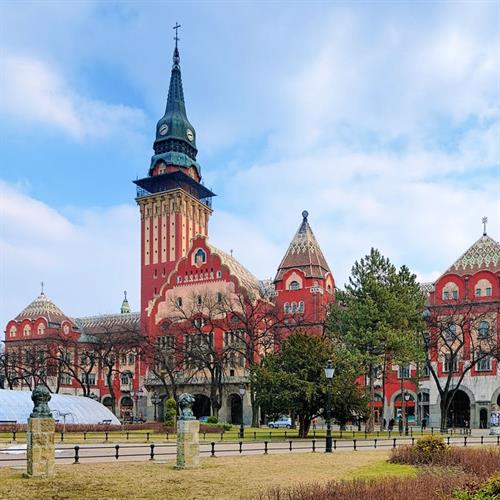
Nestled in the northernmost corner of Serbia, just a few miles from the Hungarian border, Subotica is a charming hidden gem that often surprises visitors with its distinct character. It feels worlds apart from the rest of the country, offering an enchanting blend of cultures and architectural styles. As the second largest city in the province of Vojvodina, after the capital Novi Sad, Subotica captivates with its picturesque streets lined with pastel-colored buildings and intricate Art Nouveau facades. It's the kind of place where you can wander at a leisurely pace, soaking in the authentic European atmosphere without the crowds or high prices of more tourist-heavy destinations.
Things to See and Do
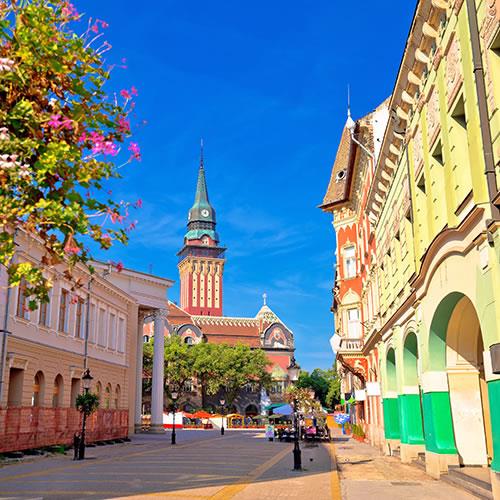
Stroll through Korzo Street. This is the main pedestrian street of Subotica. Fun fact: the word ‘korzo’ means a meeting place, usually consisting of a couple of blocks, where people would get together and walk. The street is just under 1,000 feet from start (Trg Sloboda) to finish (Park Ferenca Rajhla), the street isn’t very long but has several beautiful pastel-colored buildings. In fact, one of the most famous ‘residents’ of this street is the Former Golden Lamb Hotel, which offers a great angle for taking photos.
If you prefer something quieter, you should check Radijala, the longest pedestrian street in the city. It’s surrounded by trees, grass, and flowers, and there are a lot of benches if you would like to relax after a long walk.
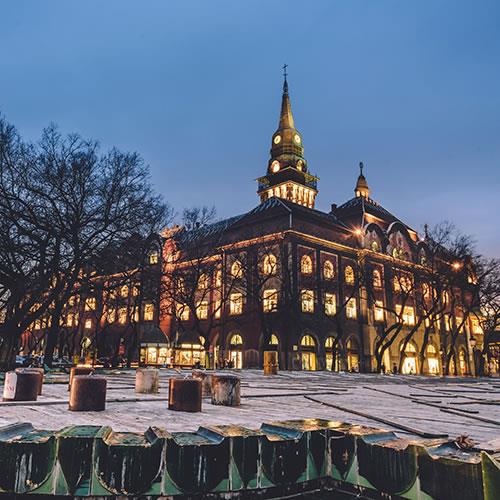
Discover the Subotica City Hall. This is the most eye-catching building in the city, which is also the centerpiece around which you will find several lanes strewn with cafes and restaurants. The building was built in 1912 in the Hungarian Art Nouveau style. While you can appreciate its beauty from the outside, you can admire the stained glass windows better and get views over the city from the top of the tower on a guided tour.
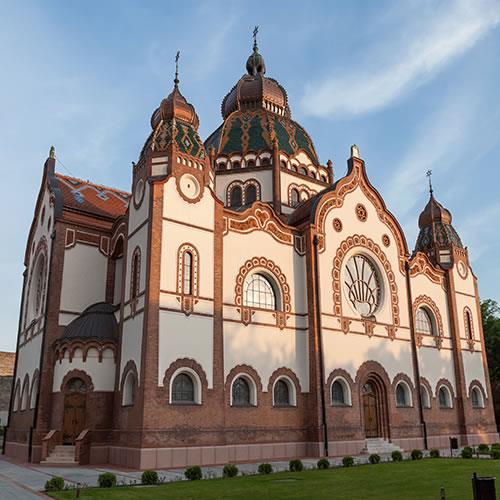
Within a 5-minute walk, you will come across another aesthetically delightful building, the Subotica Synagogue. This is another Art Nouveau building and the second largest synagogue in all of Europe, it was also voted as one of the most beautiful synagogues in Europe. It is the only surviving Hungarian Jewish place of worship in the world and explains the history of Jews in Subotica, which is important to understand. Take a tour inside, the interiors are as awe-inspiring as the exterior facade of the building. If you’re interested in knowing more about its history, then you have the option of taking a guided tour.
Admire the National Theatre. This classical style building was reconstructed based on the original 1850s, or venture inside to see a performance. This theatre is unique in Serbia as it features acts in Serbian and Hungarian.
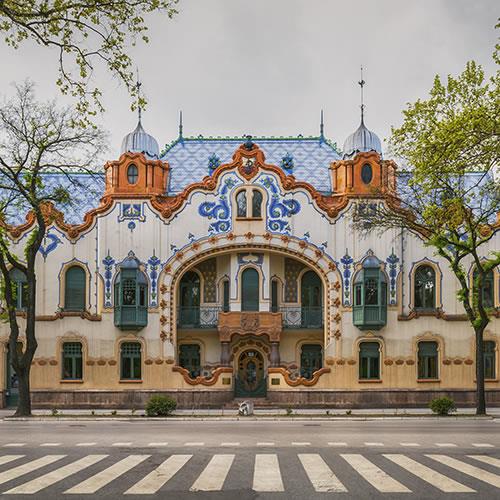
Visit Raichle Palace. The history of this incredible building goes back more than one hundred years, when it was built in 1904 as a family palace for Ferenc Raichle, a famous Serbian-Hungarian architect. Sadly, only four years after moving in, Ferenc went bankrupt and had to sell the property, and it now houses the Suboitica Gallery of Modern Art.
Enjoy the cafe culture. One of the best things to do is grab a cup of coffee in the main square and soak up the atmosphere and watch the world go by. Many of the cafés are housed in beautiful Art Nouveau buildings, adding a touch of elegance to your coffee break. The city’s architecture creates a unique backdrop that makes even a simple espresso feel like a cultural experience.
As you explore Subotica, you'll come across a variety of fascinating landmarks and attractions. Be sure to visit the City Library, City Museum, Blue Fountain, Dudova Šuma Forest, and the impressive St. Theresa of Avila Cathedral, each offering a glimpse into the city's rich history and vibrant culture.
Just a short drive or bus ride (every 30 minutes) from the city center, you’ll find Palic Lake, a popular weekend destination located less than 6 miles away. This picturesque lake stretches over 10.5 miles, surrounded by scenic promenades, charming villas, and a range of hotels and restaurants. It’s the perfect spot for a relaxing nature walk, a lakeside meal, or a family outing, with a well-kept zoo nearby for younger visitors.

Shopping
Shopping in Subotica reflects the city’s unique mix of Serbian and Hungarian cultures. One of the most vibrant spots is Buvljak, a sprawling outdoor flea market located a few miles west of the city center. Known for its bargain prices, it attracts both locals and visitors from nearby Hungary, offering everything from clothing and electronics to fresh produce and household items. It’s a bustling, lively place that provides a true taste of everyday life in northern Serbia. For a more local shopping experience, head to Mlecna Pijaca (Milk Market) in the heart of Subotica, where you can pick up fresh, locally grown produce, dairy products, and handmade goods, perfect for those looking to sample authentic Serbian flavors and support local farmers.
The pedestrian-only Korzo Street in the center of Subotica. It is lined with several small boutiques, jewelry shops, and fashion stores, making it ideal for a leisurely shopping stroll. While Subotica is more known for its traditional markets, you’ll also find a few smaller shopping malls offering international brands, electronics, and cosmetics if you’re after something more familiar.
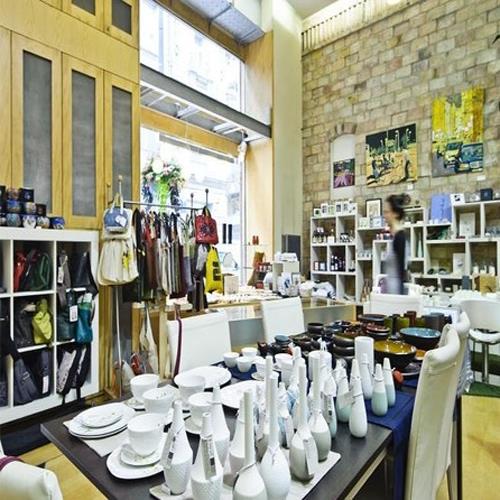
Some popular items to shope for in Subotica include handmade pottery and ceramics inspired by Hungarian designs, known for their intricate floral patterns and vibrant colors. Locally produced honey and rakija (a traditional Serbian fruit brandy) make excellent edible souvenirs, while paprika and other spices reflect the region’s culinary influences. You’ll also find beautifully crafted embroidery and traditional textiles, like hand-stitched tablecloths and linens, as well as Art Nouveau-inspired home decor, a nod to the city’s stunning architectural heritage.

Cuisine
Subotica's food culture is a rich blend of Hungarian, Serbian, and Central European influences, reflecting its diverse history and geographic location near the Hungarian border. Traditional dishes often feature hearty, meat-centric flavors, with paprika, garlic, and slow-cooked stews playing a central role. Goulash (gulaš) is a staple, often prepared with tender beef, onions, and a rich, paprika-infused sauce. Another local favorite is pljeskavica, a large, seasoned grilled meat patty, similar to a burger but typically served with fresh onions, ajvar (a roasted red pepper spread), and kajmak (a creamy dairy spread).
For something sweet, Subotica offers chimney cakes, known locally as kürtoskalács, which are crispy, spiral pastries coated in sugar and cinnamon or other toppings like chocolate or crushed nuts. The city's bakeries also serve various strudels and pastries influenced by Austro-Hungarian traditions.
The food in Subotica is influenced by its agricultural surroundings. Subotica offers fresh, locally sourced ingredients, including fresh vegetables, fruits, and dairy. Wine and brandy (rakija) are also popular, with the region producing some excellent fruit-based spirits.