


Destinations
❮Main Menu
Experience Suceava
Overview
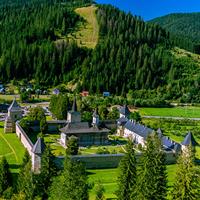
Suceava is a principal city located in northeastern Romania in the historical region of Bukovina. The city is loaded with history and was the throne of the Medieval Principality of Moldavia until 1565. Suceava is a great base for visitors who wish to explore the famous painted monasteries of Bukovina, as well as historical Churches of Moldavia, and the unconquerable Fortress of Suceava.
Suceava was the capital of the lands of Stephen the Great, an important figure in Romanian history. The city covers two types of geographical areas; the verdant hills and the sprawling meadows of the beautiful Suceava River valley. There is an abundance of historical, cultural, and natural attractions surrounding the city, there is so much to see and do.
Things to see and do
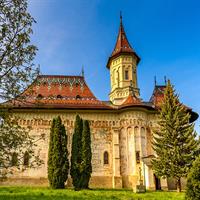
Saint George’s Church is a UNESCO World Heritage site in the city of Suceava. Built between 1514-1522 it served as the Metropolitan Church of Modavia and houses the relics of Saint John the New and today the seat of the Archbishop of Suceava and Radauti. The church exterior features magnificent frescoes that illustrate scenes from the Old and New Testaments including Hymn of the Dead, the Tree of Jesse, and the legend of the Prodigal Son.
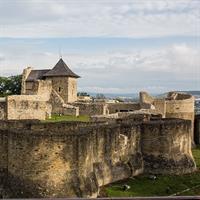
The Suceava Fortress is one of the city’s main attractions built in the 14th century by Prince Peter I and improved by Stephen the Great, the fortress was never conquered by its attackers. The fortress is well worth a visit and has been well restored, there are guided tours available and various interactive exhibits. The fortress sits high on a plateau and features damaged walls, and visible remains of the princes’ apartments, storage rooms, a chapel, and the great hall for the Princely council.
The city has a plethora of great museums including the Museum of Bukovina, the Bucovina History Museum, The Bucovina Village Museum, and the Bucovina Ethnographic Museum all are well worth a visit featuring fascinating information and exhibits on the region’s history and more.
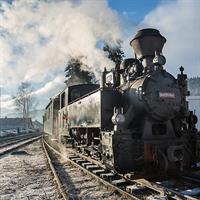
The Hutulca narrow gauge railway runs for just over 6 miles through spectacular stunning scenery between the villages of Moldovita and Argel, it makes for the perfect day trip. Travelers can soak up an authentic experience of the rural life in the region onboard comfortable wagons pulled by the historic steam train along the Moldovita river. The scenic journey takes three hours (roundtrip) to reach Argel, passing through beautiful landscapes with houses nestled along the river and then greeted by people in national costumes where a traditional meal is served with mulled wine.
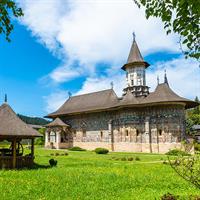
A major attraction in the Bucovina region is the famous painted monasteries featuring Middle Age artwork and spellbinding Byzantine architecture. This group of Romanian cultural treasures is scattered throughout Suceava County known as the “Land of Monasteries” with 22 churches and monasteries in total, 8 of them are listed on the UNESCO World Heritage Site; Arbore, Humor, Moldovita, Patrauti, Probota, Suceava, Voronet, and Sucevita.
The Dragomirna Monastery was built at the beginning of the 17th century located about 9 miles from the city of Suceava with a warlike aspect. The monastery is surrounded by beautiful oak forests and sweeping hills with buttresses and high, plain defensive walls, some of the tallest fortifications in the region. There are frescoes on the inside in the nave and chancel as well as a museum featuring splendid Medieval liturgical treasures.
Travel outside of Suceave to the cultural city of Falticeni situate on the border of Bukovina and Moldova. Vatra Dornei is a quaint and charming mountain town whose glory days date back to the Austro-Hungarian rule. Winter sports are the primary focus in this town along with some fantastic hiking opportunities. Radauti features a number of monasteries including three of the 8 listed as UNESCO World Heritage sites.
Food and Nightlife
There are many dining options in Suceava especially around the bustling city center, there are traditional restaurants, international fare, and fast food options.
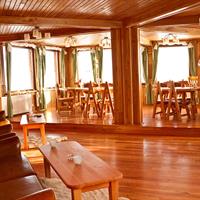
Typical food in Romanian is made with meat, usually, pork with menus made up of several different types of pork dishes. Romanians enjoy comfort food, and Suceava is a great city for dining options with plenty of diversity and dozens of traditional Romanian restaurants. Many of these local restaurants are located in authentic historic buildings, some playing folk music or featuring folk dancing shows and serving up some of the countries finest cuisine. There are also plenty of international restaurants in the city whether you fancy Italian, Chinese, Indian, Turkish, French, Japanese, or Greek food they can all be found in Bucharest.
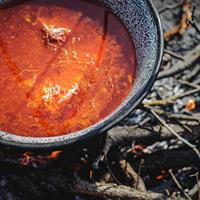
A few popular dishes in the city include sarmale, cabbage stuffed with spiced minced pork or beef. Mamaliga is a cornmeal porridge similar to polenta served with many main courses topped with sour cream and cheese. Mici (“small ones”) is made of combinations of ground meat and spices grilled on the barbecue, normally served with mustard and fresh bread. Ciroba de burta (Tripe soup) is a popular first course in Romania made with boiled beef tripe, vegetables, and served with sour cream, vinegar, and a garlic paste.
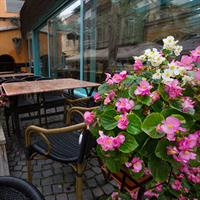
There is plenty to do in the city of Suceava at nighttime, wandering around the bustling city center will connect you with many restaurants, pubs, bars, and clubs. There are some great locations to sit outside and enjoy the warm summer nights in the city with great views and a fun atmosphere. Shopping centers are open at night offering lots of entertainment options including the theatre and cinema, and some art exhibitions.


History and Culture
The city of Suceava was the third capital city of the Principality of Moldavia during the late Middle ages from 1388-1564. The city is situated in the historical region of Bukovina and the seat of Suceava County in northeastern Romania. From 1775-1918 the city was controlled by the Habsburg Monarchy, which was initially part of its Kingdom of Galicia and Lodomera, Suceava was an important strategically located commercial border town with the then Romanian Old Kingdom.
After World War I along with the rest of Bukovina, the city became part of the then newly enlarged Kingdom of Romania, after the end of World War II the city slowly underwent a process of communist urbanization that increased the popularity of the city tenfold. The city was heavily industrialized and a significant series of historical buildings in the old heart of the city was demolished.
The city of Suceava and the surrounding regions are home to several medieval sites linked to the history of the former Principality of Moldavia. The Suceave Fortress, or Suceava Citadel a medieval fortress is one of the most significant sites on the eastern edge of the city. It was built during the reign of Petru of Moldavia from 1375-1391 and was expanded during the reign of Alexander I of Moldavia and Stephen the Great. The castle was part of the fortification system built in Moldavia during the 14th century, it was strong enough to hold off an attack by Ottoman sultan Mehmed II in 1476.
Suceava was founded on a terrace above the Suceava Valley and River during the 14th century and was the capital from 1388-1564 when it moved to Iasi. There was a thriving Jewish community in the city during the 16th century, and being a part of the Habsburg Empire gave its inhabitants great privileges and status. After 1848 the cultural life was mainly German and Jewish inhabitants who took active parts in the commercial and community life of Suceava. During the Holocaust, many of the cities inhabitants were deported to Transnistria. Today there is a small active Jewish community in the city with a Jewish center and a Synagogue used on high holy days.
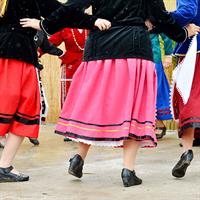
The city has organized festivals, proms, celebrations and more with music, dance, and costumes for many centuries. There are many of these Romanian traditions still held today with different villages hosting events that take place throughout the year. Many of the major holidays and festivals in the city take place during the winter holiday season.