


Experience Targu Neamt
Overview
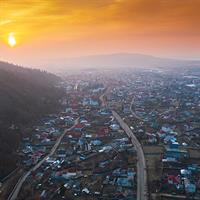
The Romanian town of Targu Neamt is located in Western Moldavia, nestled on the river Neamt and at the foothills of the stunning Carpathian Mountains. The town was mentioned as early as 1685, it was founded by Stephen the Great in 1497. The town has long been a local market center and a major focus of Moldavian culture.
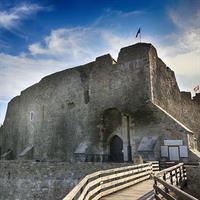
The ruins of the impressive Fortress of Neamt stands on the banks of the Neamt River dating back to the 14th century. Built on a plateau overlooking the surrounding region it is one of the best-preserved fortresses in the region. The fortress features thick stone walls with bastions made after the guilds of craftsmen, it is accessed by a beautiful wooden bridge, there is a museum inside presenting a reconstruction of spaces populated by typical characters from the medieval period.
Targu Neamt is a good base for visitors who wish to explore the numerous monasteries and the nearby mountains. Targu Neamt’s name means “German market” and the town is blessed with numerous attractions such as century-old monasteries, fascinating museums, fortresses, strongholds, and stunning scenic natural parks for hiking and wildlife viewing. Ocolasul Mare Peak is the highest mountain in the region soaring to 6,256 feet.

Things to see and do
The ancient Neamt Fortress is the main attraction in town, dating back to the 14th century by Voivode Petru I located on the bank of the Neamt river on a plateau overlooking the surrounding region.
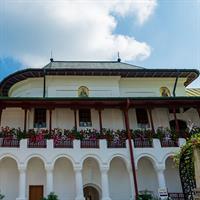
There are many monasteries in the region to visit including Neamt Monastery, Secu, Agapia, Varatec Monastery, Sihastria, and Sihla Skete. As well as Ceahlau, Durau, and Valea Bistritei.
Ion Creanga Memorial House is located in Humulesti, just across the Ozana river. This is the house where a famous Romanian writer was born and spent his childhood. There are stories from Ion Creanga’s masterpiece Amintiri din Copilarie “Memories of my childhood” revolving around the area.
The Monumental Eroilor or Heroe’s Monument is an obelisk commemorating the Romanian soldiers from World War I, it can be found on Dealul Plesu near the Pometea suburb offering great views of the town and the surrounding mountains.
Vanatori-Neamt Natural Park is nestled in the charming Carpathian Mountains and home to a herd of wisent, the European bison.
There are a ton of fascinating museums in the city including the Museum of Agapia Monastery founded in 1927 displaying religious objects, paintings, fabrics, and wooden sculptures such as paintings from painter Nicolae Grigorescu. Other noteworthy museums include The History and Ethnography Museum, The Natural Science Museum, The Art Museum, and The History Museum.
There are some stunning natural parks in the region including Ceahlau Natural Park featuring seven well-marked hiking routes. Some of the routes connect from Fantanele Chalet to the Duruitoarea Waterfall and other attractions in the region include the Toaca Peak, Dochia Chalet, and Mount Panaghia.
Cozla Mountain is located in Pietra Neamt allowing visitors access to the peak where spectacular panoramic views can be enjoyed over Piatra Neamt, and Ceahlau Mountian.
Cheile Bicazului and Hasmasu Park is a spectacular tourist area in Romania with 18 hiking routes through the park offering access to attractions such as Lacul Rosu or Red Lake, Bicajel Gorge, Lapos Gorge, Barnadu Village, and the Bicajel Valley.

History and Culture
Targu Neamt was originally a market town with an important role in Moldavian culture. The town was first mentioned in a late 14th-century document. Jewish settlement in the town dates from the second half of the 17th century and some of the oldest tombstones in the Jewish cemetery date to 1677.
The name 'neamt' is a generic name of Slavic origin for the German people in the Romanian language, which led to speculation of German foundation according to which Saxon colonists crossed the Carpathians from Bistrita and built a commercial township. Historians say that Targu Neamt was probably a German settlement from the 13th century when the Teutonic Order made incursions from Transylvanian against the Cumani people that were living in Moldavia. Today historians disagree with this and state there are long-lasting influences of the communist-nationalist historiography, which refused to accept the town was anything else than a Romanian founded settlement.