


Destinations
❮Main Menu
EXPERIENCE THE NATIONAL PARKS OF THE CANARY ISLANDS

Overview
The Canary Islands are renowned for their unique landscapes, shaped by volcanic activity and centuries of natural evolution. This Spanish archipelago off the northwest coast of Africa is home to four extraordinary national parks, each offering its own stunning views, rich biodiversity, and geological wonders. From dramatic volcanic craters to lush, laurel-filled forests, the Canary Islands' national parks invite visitors to explore some of the most diverse natural environments in Europe. Whether you're trekking the Martian-like terrain of Timanfaya or marveling at the towering peak of Mount Teide, these parks provide unforgettable experiences for nature lovers and adventurers alike.
The four national parks: Timanfaya, Caldera de Taburiente, Garajonay, and Teide, are spread across different islands, showcasing the remarkable variety of ecosystems found in the Canary Islands. Visiting these parks offers a deeper understanding of the islands' geological past, vibrant plant and animal life, and their role in the preservation of global biodiversity.


Geological History and the Beautiful Biodiversity Found in the Canary Islands' National Parks
The Canary Islands are a result of volcanic activity that began millions of years ago, which continues to shape their landscapes today. The islands are home to a staggering variety of endemic species, thanks to their isolation and diverse microclimates. This has led to the creation of habitats ranging from subtropical forests to barren volcanic plains, where unique flora and fauna thrive.
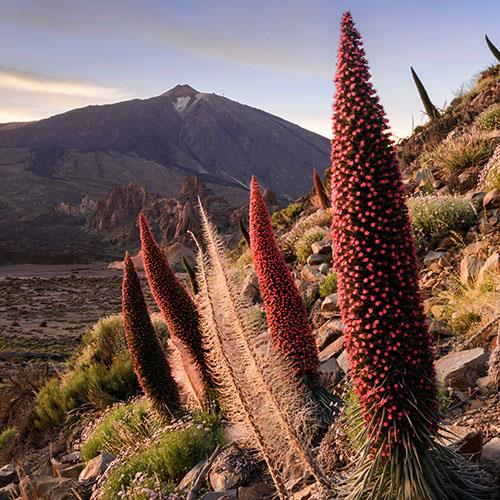
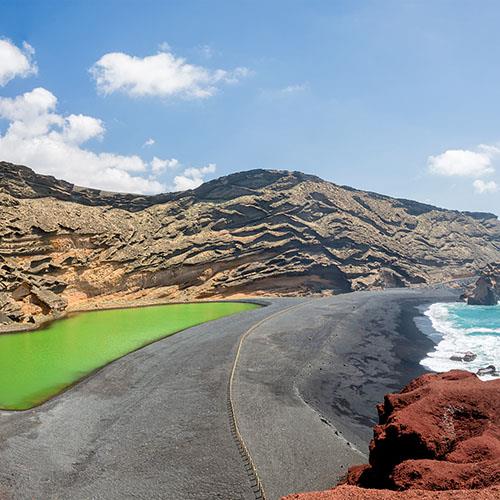
Timanfaya National Park on Lanzarote is perhaps the most visually striking, with its vast expanse of lava fields, craters, and dormant volcanoes resembling an alien landscape. Caldera de Taburiente National Park, located on La Palma, is a geological wonder: a massive crater formed by erosion and volcanic activity, now a lush green haven for pine forests and endemic wildlife. Garajonay National Park on La Gomera offers a stark contrast, with its dense, misty laurel forests, remnants of ancient subtropical vegetation that once covered much of Southern Europe. Teide National Park, located on Tenerife, features the iconic Mount Teide, Spain's highest peak and one of the world's most impressive stratovolcanoes. Its barren terrain, lunar landscapes, and unique rock formations make it a haven for geologists and astronomers alike.
Across these parks, you'll encounter rare plants like the Canary Island pine, dragon tree, and endemic species of flowers, as well as wildlife including lizards, birds, and invertebrates unique to the islands. The parks' ecosystems are also critical to global biodiversity conservation, preserving species and habitats that are found nowhere else on earth.
How the Four National Parks Became National Parks
The unique beauty and ecological importance of these landscapes led to their designation as national parks in the 20th century, safeguarding them from the pressures of development and human activity.
Caldera de Taburiente and Teide National Parks were the first to be designated, in 1954, in the former case to preserve the magnificent crater and its rich ecosystems, and in the latter case due to the cultural importance of Mount Teide, itself recognized as a UNESCO World Heritage Site in 2007 due to its global scientific and cultural value.
Timanfaya National Park was designated in 1974 to protect its dramatic volcanic scenery, formed from eruptions in the 18th century. Finally, Garajonay National Park was established in 1981 to conserve the island's laurel forests, which are now, like Mount Teide, also a UNESCO World Heritage Site due to their particular prehistoric significance. Each park offers insight into the way people have interacted with and been influenced by these landscapes for centuries.

History and Culture of the Canary Islands
The Canary Islands boast a rich cultural history that blends Spanish, African, and indigenous Guanche influences. The Guanches, the original inhabitants of the islands, lived in harmony with the volcanic terrain, developing unique ways to farm, fish, and build in these challenging environments. Vestiges of their culture can still be found in the caves, stone structures, and artifacts scattered throughout the islands, particularly on La Palma and Tenerife, home to the original national parks in the Canary Islands system: Caldera de Taburiente and Teide, respectively.
With the arrival of Spanish settlers in the 15th century, the islands became an important stop on the transatlantic trade routes. Today, this mix of influences is evident in the islands' architecture, festivals, and culinary traditions. Each island has its own distinctive cultural identity, which is reflected in the way they've shaped their national parks. Visitors can explore ancient farming terraces, traditional villages, and historical routes through the parks that tell the story of the Canary Islands' long relationship with their natural environment.
Weather
The Canary Islands enjoy a subtropical climate, with mild temperatures year-round, making the national parks accessible in every season. Average daytime temperatures range from 60 to 75 degrees Fahrenheit in the winter and around 75 to 85 degrees in the summer, though weather conditions can vary significantly depending on the altitude and location.
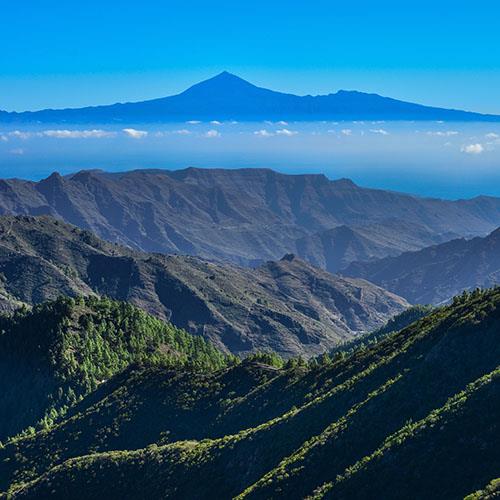
Timanfaya National Park tends to be hot and dry, with little shade due to its volcanic terrain, especially during the summer months. Caldera de Taburiente and Garajonay National Parks have more temperate and occasionally humid conditions, particularly in the forests of Garajonay where mist and fog are common. Teide National Park, due to its elevation, experiences cooler temperatures, particularly in the winter when snow can cap the peak of Mount Teide.


Must-See Sights within the National Parks
-Timanfaya National Park: The Fire Mountains (Montañas del Fuego) are the park's most famous attraction, where volcanic activity still simmers below the surface. The park's geothermal demonstrations and a guided coach tour through the lava fields are must-sees.
-Caldera de Taburiente National Park: The Roque de los Muchachos viewpoint offers stunning views of the caldera and is a renowned spot for stargazing due to La Palma's clear skies. Hiking into the caldera reveals hidden waterfalls and scenic rivers.
-Garajonay National Park: The misty Bosque del Cedro (Cedars Forest) is a highlight, showcasing the island's ancient laurel forests. Walking the network of trails immerses you in this unique environment.
-Teide National Park: The volcanic landscape around Mount Teide, including the otherworldly Roques de García rock formations, is breathtaking. For those up for an adventure, the cable car ride to the summit is an unforgettable experience, offering panoramic views over Tenerife and the surrounding islands.

Activities
Each park offers a variety of activities tailored to different interests and fitness levels. All four national parks offer spectacular hiking opportunities, from leisurely walks to more challenging treks. The trails in Garajonay and Caldera de Taburiente take visitors through verdant forests and past bubbling streams, while Timanfaya's routes explore volcanic craters and lava fields.
The Canary Islands are one of the world's top locations for stargazing. Both Caldera de Taburiente and Teide National Park offer observatories and organized stargazing tours, allowing visitors to view constellations in some of the clearest skies in Europe. Also be sure to keep your eyes peeled for endemic species, including lizards, birds like the Canary Islands chiffchaff, and unique plant species across the parks.
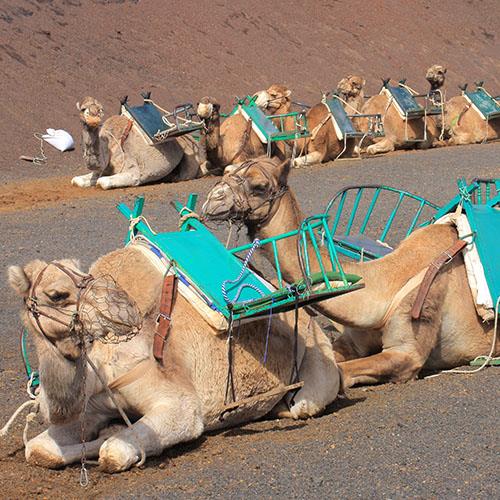
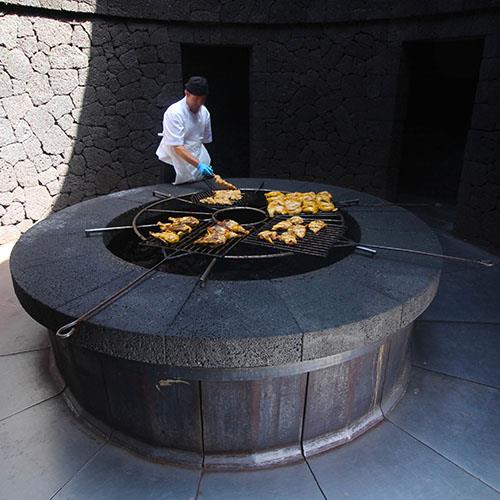
Timanfaya offers guided tours where visitors can learn about the park's geothermal features, with some tours even allowing visitors to cook food over volcanic heat!
Food & Drink
Most of the national parks in the Canary Islands do not have extensive dining options within their boundaries, so visitors should plan to eat either before or after their trips to the parks, or to bring food with you (but to be mindful about when and where you eat and to dispose of waste properly and accordingly). However, there are some exceptions to this 'you're on your own' rule:
Timanfaya National Park offers a unique dining experience at the El Diablo Restaurant, where food is cooked using geothermal heat from the still-active volcanic earth. Small cafes or kiosks can be found near the entrances of Teide and Caldera de Taburiente, offering light snacks, coffee, and refreshments, but it's advisable to pack your own meals or snacks, particularly for longer hikes.
After your park visit, you can indulge in local Canarian cuisine, which features dishes like papas arrugadas (wrinkled potatoes) with mojo sauce, fresh seafood, and hearty stews such as potaje de berros (watercress soup). Many of the nearby towns and villages also offer excellent options to enjoy traditional meals with local produce.