


Destinations
❮Main Menu
EXPERIENCE THE RIVIERA MAYA
Overview
The Riviera Maya, stretching along Mexico's eastern Yucatán Peninsula, is a dream destination offering crystal-clear waters, soft white sands, lush jungles, and ancient Mayan ruins. Known for its blend of natural beauty and cultural heritage, this coastal paradise is anchored by world-class resorts, eco-tourism opportunities, and many chances to experience local culture.
Spanning from Caracol and Puerto Morelos in the north to Tulum in the south, the Riviera Maya invites visitors to snorkel in the world's second-largest barrier reef, swim in cenotes (natural sinkholes), explore historic ruins, and indulge in Mexico's finest cuisine. It's a place where luxury and adventure coexist, catering to families, couples, and solo travelers alike.
History and Culture
The Riviera Maya's history is deeply tied to the ancient Mayan civilization. Sites like Tulum and Coba showcase the region's importance as a center of trade and spirituality. After the decline of the Mayans, the region saw centuries of quiet until it was rediscovered by Spanish explorers. By the 1970s and 1980s, development began transforming it into a tourist hotspot.
Today, the Riviera Maya preserves its Mayan heritage through archaeological sites, cultural festivals, and traditional crafts. At the same time, it embraces modernity, with eco-parks, luxury resorts, and vibrant cities offering a wide array of contemporary experiences. Visitors will find this juxtaposition of ancient and modern woven into every part of life here, from the architecture to the food. Here you can eat traditional Mayan meals on a colonial Spanish patio, or visit sacred ruins in the morning and then have a drink at a coffee shop on a tourist shopping street in the afternoon.
Weather
The Riviera Maya's climate is tropical, with warm weather year-round and distinct wet and dry seasons. Average temperatures are typically around 90 degrees Fahrenheit during the day with lows in the 70s, with little variation except for perhaps more breezy conditions along the coast. The dry season (November to April) is the most popular time to visit, featuring clear skies and pleasant conditions. The wet season (May to October) brings higher humidity and occasional rainstorms, though mornings often remain sunny. Evenings, particularly in the cooler months where lows might actually drop into the 60s, can be breezy, so packing a light jacket is advisable.
It is typical for a first-time visitor to the Riviera Maya to be scared about the 60 or 70% rain chances, only to find the rain passed through the area overnight, or started raining for five or ten minutes only to be sunny the rest of the day. With that said, hurricane season peaks from August to October, so visitors during this time should monitor forecasts. Costs are lower at resorts during this time, largely due to this weather unpredictability.


Must-See Sights in the Riviera Maya
Caracol and Puerto Morelos
The northern portion of the Riviera Maya begins at the small fishing village of Puerto Morelos and its nearby Caracol Beach. Caracol is a quieter area perfect for travelers seeking natural beauty without the crowds. Known for pristine sands and calm waters, it's a great spot for relaxation.
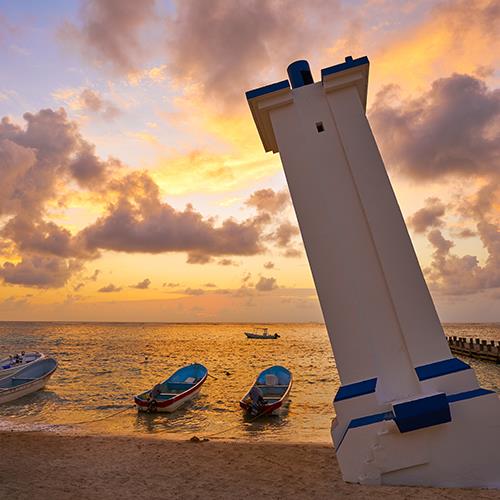
Puerto Morelos is a tourist favorite for its authentic charm. The Leaning Lighthouse (El Faro Inclinado) is an iconic landmark, tilted due to a hurricane in the 1960s. Nearby, the Mesoamerican Reef offers world-class snorkeling and diving opportunities. The Jardín Botánico Dr. Alfredo Barrera Marín, one of Mexico's largest botanical gardens, showcases the region's biodiversity with native plants, walking trails, and a suspension bridge.
Playa Paraiso and Punta Maroma
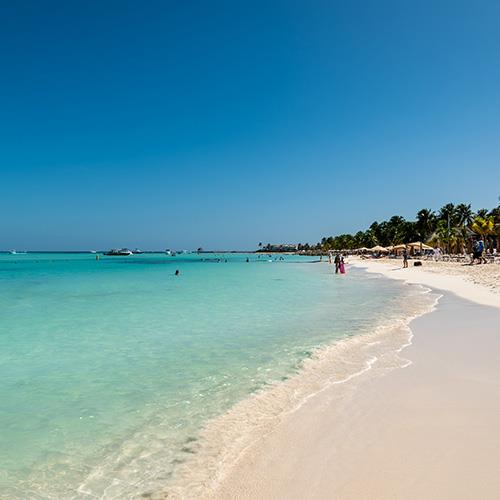
Playa Paraíso's claim to fame is stretch of dazzling white sand framed by turquoise waters. While much of this beach is accessed through resorts, public portions offer unbeatable relaxation and views. Then there's Punta Maroma, a spot known for shallow waters and soft sands, making it ideal for snorkeling and kayaking. Several eco-tour operators here provide excursions focused on sustainability.
Blue Bay Grand Esmeralda and El Marlyn Azul
While primarily resort areas, Blue Bay Grand Esmeralda and El Marlyn Azul offer access to nearby cenotes and jungle tours. The surrounding areas include Tres Ríos Nature Park, an eco-park where visitors can kayak along mangroves, snorkel in cenotes, or hike jungle trails.
Playa del Carmen and environs
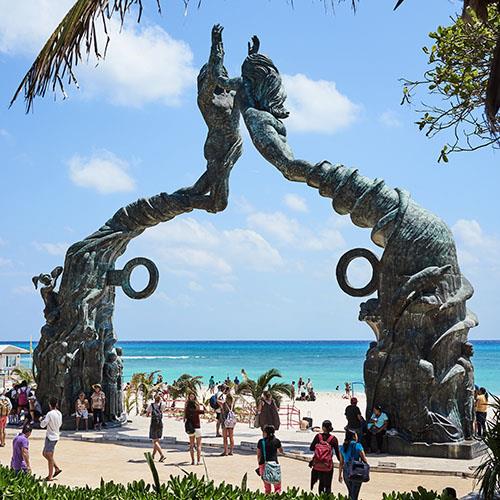
Playa del Carmen's vibrant pedestrian-only street 5th Avenue (Quinta Avenida) is the heart of shopping, dining, and nightlife. Lined with boutiques, artisanal markets, and international brands, it's a must-see for its buzzing atmosphere and cultural mix. Don't miss Parque los Fundadores, a family-friendly spot with live Mayan performances under the famous archway sculpture depicting two figures reaching toward each other. If you want to take a quick trip to Cozumel from Playa del Carmen, the ferry operators are located near the pier, and it's easy to fit both places into one day of fun.
South of Playa del Carmen, Playacar consists largely of a gated community featuring luxury homes, golf courses, and quiet beaches. The Xaman-Ha Aviary is a hidden gem within Playacar, home to exotic birds like flamingos, toucans, and parrots.
San Miguel de Cozumel and the rest of Cozumel Island
The island's main town, San Miguel de Cozumel, is home to shops, restaurants, and the San Gervasio Ruins, an ancient Mayan site dedicated to Ixchel, the goddess of fertility. Punta Sur Eco Beach Park is a highlight for visitors because of its lighthouse, ecological reserve, and opportunities to spot crocodiles, flamingos, and sea turtles. Chankanaab Beach Adventure Park offers a mix of snorkeling, sea lion shows, and lush botanical gardens.
Xcaret, Paamul, and Puerto Aventuras
Xcaret is a must-visit eco-park blending cultural performances, underground rivers, and marine life encounters. The Xcaret México Espectacular evening show, featuring music and dances from across Mexico, is a standout attraction. Paamul is known for its tranquil beaches and calm waters, and is a favorite for snorkeling and travelers seeking a low-key retreat.
Puerto Aventuras is a small planned community that features a marina, a golf course, and attractions like the Dolphin Discovery Center, where visitors can swim with dolphins and manatees. The old town of Puerto Aventuras gives a slice-of-life feel for this part of Mexico, as many locals who live here work in the hospitality field, perhaps even at the resort you're booked at.
Akumal and Ciudad Chemuyil
Akumal Bay is famous for its clear waters and the chance to snorkel with sea turtles in their natural habitat. Yal-Ku Lagoon, near Akumal, is a perfect place for snorkeling in a mix of fresh and saltwater, surrounded by tropical fish and mangroves. Ciudad Chemuyil, also located near Akumal, offers small-town vibes and access to several lesser-known cenotes.
Tulum
North of Tulum's city center, you'll find eco-chic beach resorts and the picturesque Ven a la Luz sculpture, a massive woven structure symbolizing humanity's connection to nature. In Tulum's pueblo (the city center), there's bustling markets, trendy shops, and authentic Yucatecan eateries. The Tulum Artisan Market is perfect for handcrafted souvenirs, while Batey Mojito & Guarapo Bar serves fresh sugarcane mojitos. South of the pueblo, the Tulum Ruins, perched on a cliff overlooking the Caribbean, are one of the most iconic sights in Mexico. A short drive south leads to the Sian Ka'an Biosphere Reserve, a UNESCO World Heritage Site known for mangroves, lagoons, and rich wildlife, including jaguars, dolphins, and sea turtles.
Activities
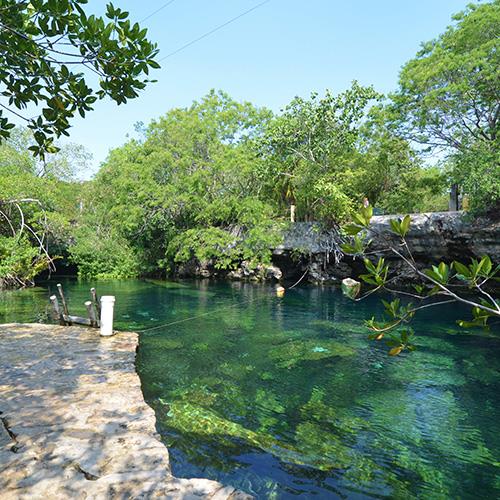
The Riviera Maya has so many different opportunities to experience fun activities, whether you're a family or a couple or just traveling by yourself. For history lovers, exploring ancient Mayan ruins like Tulum and Coba is a must. Adventure-seekers can snorkel, scuba dive, or explore the region's many cenotes, such as Gran Cenote and Dos Ojos. Eco-parks like Xplor and Xel-Há provide zipline adventures and water-based activities.
There are also opportunities to observe and even interact with local wildlife and sea life, though these are decreasing in number with each year as the Mexican government cracks down on mistreatment of birds, dolphins, and other creatures in such facilities. The experiences that remain are committed to not just protecting the fauna within their parks but also contribute to larger wildlife and preservation initiatives in Mexico and abroad.
For those who want a more relaxed experience, a spa day at one of the Riviera Maya's many luxury resorts is just the ticket, featuring competitive pricing compared to what you would pay for similar services in the United States. These resorts also typically offer cooking classes to provide opportunities to learn about traditional Mexican cuisine. Evening entertainment ranges from cultural performances at eco-parks to nightlife in Playa del Carmen.

Shopping
Expect to find a mix of traditional crafts and modern retail on the Riviera Maya. This is best exemplified by Playa del Carmen's 5th Avenue (Quinta Avenida), which is the go-to place for souvenirs, boutique shops, and international brands. Note that some of the shopkeepers and workers in this area might be particularly persistent in getting you to shop at their stores. If you are not interested, say "no, thank you" and keep walking down the street. Hesitancy only convinces the employees that you might be persuaded. These persistent employees are not particularly harmful or ill-intentioned; they just might simply have higher prices than shops offering similar items farther down the street.
The above advice would also apply to touristed areas such as the markets in Tulum's pueblo, where you can find beautiful textiles, pottery, and jewelry, with a fair bit of competition in variety and price. For unique finds, visit artisan shops in Puerto Morelos or Cozumel's markets, where you can purchase locally-made chocolate, tequila, and hammocks. Haggling is common in markets but not at all in boutiques and malls. If a smaller shop or market vendor says their prices are fixed, respect it. Try to pay in Mexican pesos as paying in dollars may be convenient but will result in a disadvantageous exchange rate, meaning you will pay more for that particular item with your dollars.
Nightlife
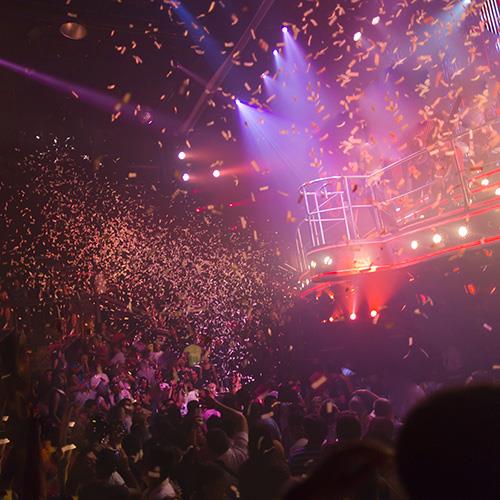
The Riviera Maya's nightlife varies from town to town. Playa del Carmen leads the way with its lively clubs and beach bars, while Tulum is known for its bohemian vibes and open-air parties. Both cities boast venues that keep the party going until the early hours of the morning, though Playa del Carmen has more of these venues than Tulum. For a quieter evening, enjoy a romantic dinner in Puerto Aventuras or sip cocktails at a beachfront bar in Akumal. Wild partying can definitely be accommodated in Playa del Carmen, but most everywhere else, nightlife here leans more toward relaxed sophistication.

Food & Drink
The Riviera Maya's culinary scene is diverse, mixing traditional Mexican favorites with Mayan cooking traditions, and since it's such a popular tourist area, of course international cuisine is here as well. But surely the reason you're here is to have some delicious Mexican foods and drinks, right?
Traditional Yucatecan dishes like cochinita pibil and sopa de lima are must-tries. Street food staples such as tacos al pastor and fresh ceviche offer quick and delicious bites. High-end dining options abound in resort areas and in larger cities like Playa del Carmen and Tulum, with chefs incorporating local ingredients into innovative menus. Pair your meals with local beverages like agua de chaya (a refreshing drink made from chaya leaves) or a chilled glass of mezcal. For a sweet treat, indulge in marquesitas, a crispy crepe-like dessert filled with cheese and Nutella.