


Destinations
❮Main Menu
EXPERIENCE THE RIVIERA NAYARIT

Overview
Stretching nearly 200 miles from Nuevo Nayarit to the mangrove estuary at San Blas, the Riviera Nayarit delivers golden beaches, jungle-covered bluffs, and fishing villages that grew into laid-back surf towns.
Sunseekers unwind in all-inclusive resorts near Punta Mita, wave riders flock to bohemian Sayulita, and food-lovers linger over ceviche in colorful Bucerías. Further inland, coffee fincas dot hidden valleys and Huichol trails cut through the Sierra. Offshore, the Marietas Islands shimmer emerald against deep-blue Bahía de Banderas, where whales breach in season and catamarans catch the wind. Across this rich coast, luxury yachts, silent turtle releases, mezcal sunsets, and mariachi echoes coexist in a rhythm that feels both timeless and distinctly local: equal parts tranquil retreat and cultural immersion.

History and Culture
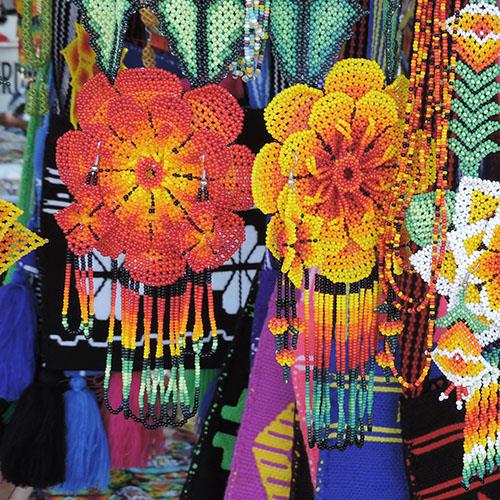
Long before Spanish galleons charted the Pacific, the coastal Cora and Huichol peoples thrived here, trading obsidian, salt, and sea shells along jungle trails and estuary paths. Their sacred motifs (peyote blooms, jaguar spirits, and corn goddesses) still appear in brightly beaded art sold in market plazas from San Blas to Sayulita. In the 1700s, Spain fortified San Blas to guard its Manila galleon route, building a stone customs house and the Fuerte de la Contaduría, now a scenic ruin above the port that whispers of colonial power.
In the 20th century, roads and runways brought tourism to Nuevo Nayarit and Punta Mita; meanwhile, local communities continued shrimping, net-fishing, and organizing coastal co-ops. Huichol pilgrims still walk barefoot for days to visit sacred landmarks like Cerro del Quemado, offering cornmeal and feathers to the gods. These rituals remain woven into the region's daily rhythm, even as boutique hotels and surf hostels rise beside them.

Weather
Daytime highs remain in the 80s Fahrenheit throughout most of the year, creating a steady tropical climate that's ideal for beach vacations. The dry season (December through May) offers crisp air, golden light, and wide blue skies, with evenings dipping to around 65 degrees. It's the best time for outdoor dining and whale watching. June through October turns humid and verdant, with brief mid-afternoon downpours that cool the air and carpet the hills in dense green. These summer rains also coax blooming bugambilia (bougainvillea) and fill jungle streams. Late August through early October carries the highest risk for hurricanes; however, major storms are rare and usually veer west. Pack breathable layers, a light jacket for breezy winter nights, and a compact umbrella or poncho for afternoon strolls in the rainy months.


Must-See Sights on the Riviera Nayarit
Nuevo Nayarit and Flamingos
Mangrove canals snake behind Nayarit Beach, forming a brackish estuary rich with herons, iguanas, and roseate spoonbills. Sunset catamarans cast off from the marina, offering calm-glide views of the coast, while a crocodile sanctuary nearby leads small-group boardwalk tours through tropical wetlands.
Bucerías
Cobblestone lanes radiate from the Iglesia de Nuestra Señora de la Paz, where local families gather after mass and tamale vendors work the plaza. A nightly beachfront fish market brings fresh snapper and mahi straight from port, while Wednesday art walks fill Lázaro Cárdenas with Huichol beadwork, oil paintings, and carved masks from the Sierra.
La Cruz de Huanacaxtle
Known for its 400-slip marina, La Cruz mixes boating life with slow-town charm. On Sundays, farmers and artisans take over the harbor promenade, offering organic mangoes, handwoven baskets, and fresh tamales. Families spread blankets along Playa Destiladeras, a wide and beginner-friendly surf break with golden sand and gentle rollers.
Punta Mita and Marietas Islands
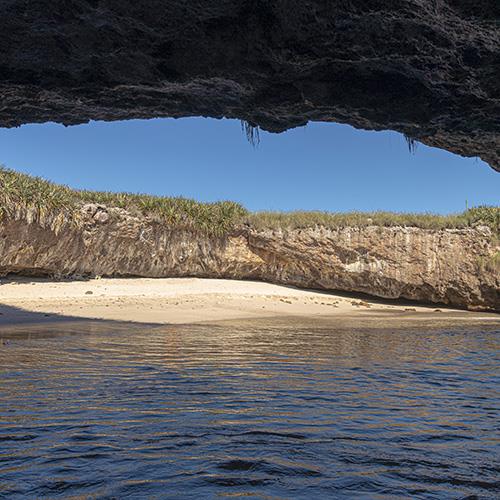
Resorts fringe two Jack Nicklaus golf courses where iguanas sun themselves near manicured fairways. From the beach, small boats (200–300 MXP, approx. $11–$16 USD) head to Islas Marietas National Park, where volcanic outcrops hide coral gardens and the postcard-famous Hidden Beach. Blue-footed boobies nest along the cliffside, and snorkelers float in sheltered coves below.
Sayulita and San Pancho
Sayulita pulses with colorful murals, surfboard shapers, and dawn yoga on the main beach. Kids sell handmade bracelets while food carts dish elotes and empanadas. Just north, San Pancho moves at a slower pace with sunset turtle releases, live music at the community center, and open-mic poetry nights under paper lanterns.
Lo de Marcos to San Blas
As Highway 200 curves northward, it reveals secret palm coves, roadside tamale stands, and panoramic views near El Monteón. Coffee fincas near Jalcocotán offer tastings beneath shade trees. The bird-rich wetlands of La Tovara invite guided boat tours through mangrove tunnels (250 MXP, ~$13), where kingfishers and crocodiles share the waterway. The 1770s fortress above San Blas, still standing watch, provides a panoramic reward for those who climb the hill.

Activities
From December to March, catamarans follow breaching humpbacks off Punta Mita, often accompanied by pods of dolphins. Summer snorkelers head to Las Caletas reefs, where parrotfish, moray eels, and sea fans drift among volcanic rock. Horseback rides wind through mango orchards and past flowering hibiscus near Higuera Blanca; mountain-bike trails crisscross the Sierra de Vallejo Biosphere, passing wild agave and shaded jungle groves. In Bucerías, cooking classes teach the flip-and-smoke zarandeado technique, using metal grills and coastal wood. In Sayulita, Huichol art workshops introduce guests to symbolic yarn painting, with every color and spiral steeped in spiritual meaning. Beginners paddle out at Sayulita's mellow beach break, while seasoned surfers track dry-season point waves at La Lancha and the reefy lefts of San Pancho.
Shopping
Sayulita's Friday market bursts with Galería Tanana beadwork, eco-dyed cotton garments, and herbal salves from local farms. Bucerías hosts a nightly Art Walk that weaves through courtyards and studio patios, spotlighting painters, potters, and silversmiths. Sunday stalls at Marina La Cruz stock single-origin coffee from Nayarit highlands, cacao truffles, recycled-glass jewelry, and handmade soaps. In Punta Mita Village, shop for hand-tooled leather huaraches, embroidered linen caftans, and sleek silver pieces by Taxco artisans: ideal souvenirs that blend function with craft.
Nightlife
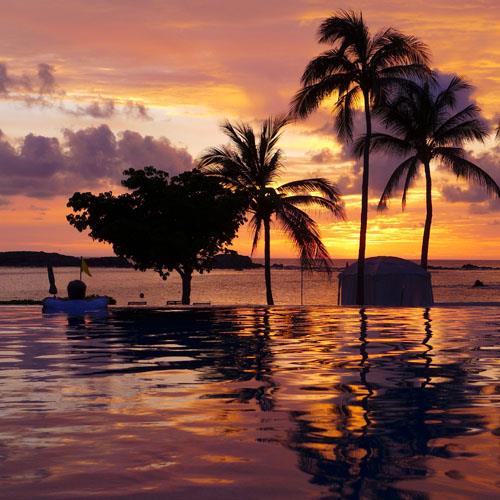
Evenings begin with sangria at Sayulita Public House on Sayulita's plaza, then drift into live salsa at Voodoo Monkey in Bucerías or catch rooftop sets at Punta Mita's Four Seasons Resort, where mezcal cocktails glint beneath hanging lanterns and soft jazz floats in the breeze. Nuevo Nayarit's marina lounges mix craft beer with mezcal negronis; DJs spin mellow house tracks on Fridays and Saturdays. Beach bonfires spark near Playa Carricitos, drawing backpackers, locals, and acoustic musicians into casual circles under the stars. Weeknights wind down around midnight; weekends stretch past 2 a.m., especially during high season (November-May) or festival weeks.
Food & Drink
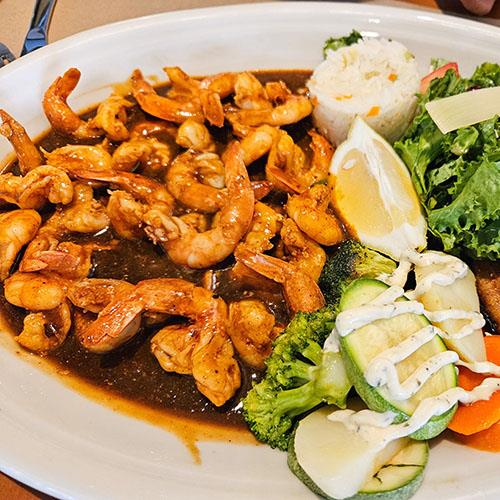
Menus across the coast revolve around aguachile (shrimp steeped in lime, serrano, and cilantro) and smoky pescado zarandeado grilled over mangrove embers until charred and juicy. Inland kitchens simmer birria de chivo, a goat stew spiced with clove and cumin, ladled with broth and served beside warm tortillas and fresh lime. Many seaside eateries still roast corn on beach coals and pour cinnamon-laced café de olla from clay pots. Small distilleries near San Blas bottle earthy raicilla, a rustic cousin of mezcal, best sipped with salted jicama and orange slices. In Sayulita, beach vendors churn coconut-tinged nieve de garrafa: a slow-frozen sherbet served in scoops from wooden barrels packed with rock salt and ice.