


Destinations
❮Main Menu
Experience Tulcea
Overview
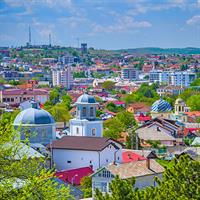
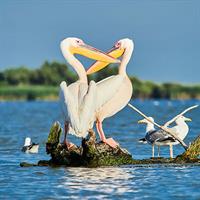
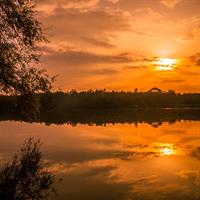
The city of Tulcea is a large port city on the Danube Delta river, the main gateway to accessing the region. Laid out on seven hills like Rome, it has been an important harbor since ancient times and is a great base for exploring the magnificent river on day trips by boat. The ancient city was founded in the 7th century BC by the Dacians, known as Aegyssus, and conquered by the Romans who rebuilt it. The Danube River is the second largest river in Europe, emptying into the Black Sea, the Danube Delta is one of the largest wetlands on earth and home to over 330 species of birds and other wildlife with stunning scenery. A boat trip along the river is one of the main activities to enjoy in Tulcea. Wandering along the riverside promenade is a pleasant experience, the city features an eclectic architectural mix along the ancient cobblestone streets.
Tulcea is an important inland port, accessible both from the Black Sea and the main Danube channels. The city is a busy fishing and tourism center and the main entry point to access the region. An amazing destination to explore the UNESCO World Heritage Site of the Danube Delta, a great attraction for nature lovers who can see an astonishing variety of fish, birds, and plants.
Things to see and do
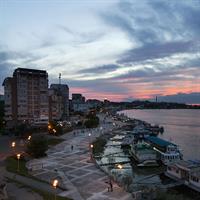
Wandering through the ancient cobblestoned streets of Tulcea visitors can discover some charming buildings where restaurants, cafes, and shops are located. There are many great attractions to uncover in the city including museums, churches, and the mighty river. Walking along the Saint George Branch of the Danube is a relaxing and scenic way to explore the city and the famous river, it is one of the busiest areas in the city. Walking along the river at night is especially charming when things are all lit up by sparkling lights.
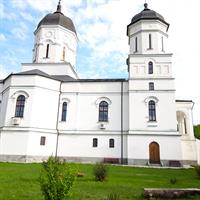
St. Nicholas’s Church dates back to 1865, located in the heart of the city made from stone and brick standing 98 feet tall featuring Byzantine-style architecture and three towers. The church boasts Renaissance-style paintings by professor D. Marinescu.
Visit the fascinating Danube Delta History Museum which provides visitors with a good introduction to the region’s flora and fauna as well as the traditional way of life of the Danube Delta fishermen. The museum basts a live fish collection comprised of local prey and domestic species from lakes, rivers, and seas in the region as well as exotic species from Latin America, South America, and central Africa.
The Art Museum in Tulcea houses over 7,000 glass and wooden icons along with an interesting collection of vanguard paintings and sculptures from some of the country’s most prominent artists.
The History and Archeology Museum presents a history of the northern Dobrogea region. There are some 90,000 archaeological objects on display dating from ancient times to medieval ages. There are old documents and numismatic pieces on display organized into special collections including ceramics, bronzes, sculptural, epigraphic, jewels, and paleo-Christian objects.
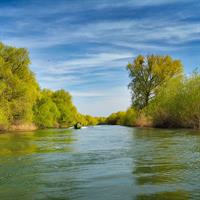
Explore the famous Danube River and Danube Delta region by boat, the wetlands here are famous and amongst the largest in the world. Tulcea is located at the tip of three incoming river channels and the place to start your explorations. There are daily tours, and ferries that depart around 1:30. The Danube Delta consists of intricate waterways and lakes that are divided into three main estuaries, it is the second-largest river on the continents and has deposited its waters into the Black Sea for the past 16,000 years. Visitors can expect to see floating reed islands, verdant forests, sweeping pastures, and sand dunes that cover over 3,000 square miles and home to a vast array of wildlife.
Tulcea’s Monument of Independence is an obelisk with a statue of an eagle on one side and the statue of a soldier on the other side. It was erected to commemorate the War of Independence which made Dobruja part of Romania, the construction began in 1879 in the presence of Prince Carol I of Romania. The monument is one of the main attractions in the city and sits on the same hills the ruins of Aegyssus and the history museum.
Food and Nightlife
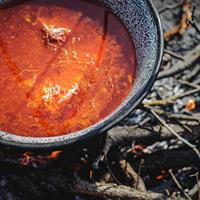
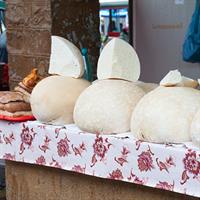
The city of Tulcea is an important fishing port with over 45 different types of freshwater fish found in the Danube Delta. Visitors can enjoy plenty of tasty fish dishes including pike, catfish, mackerel, and carp as well as local seafood. Ivan Pescar’s is one of the best seafood restaurants in the city, owned by Ivan Patzaichin the Romanian canoeing champion, the restaurant has great views of the river. There are some traditional fish soups, and other fish recipes on the menu that are worth trying or something a little different like pasta served with black sea snails. The Pike Roe is served in a salty spread and is simply delicious.
In the heart of the city is Restaurant Central specializing in Romanian and International cuisine. The restaurant incorporates a bakery and a cakes shop with fresh, natural ingredients used to produce all the food
Venezia is a great tiny Italian restaurant in the city serving up delicious classic dishes including pasta, pizzas, and a wide variety of desserts. There are traditional restaurants in the city severing Romanian cuisine, try the local traditional fish soup.
There are many great pubs, bars, and restaurants to enjoy an evening at in Tulcea with many locations found along the famous river. There are opportunities to enjoy live music, drinks, and dancing.

History and Culture
The city of Tulcea was founded in the 7th century B.C. under the name of Aegyssus. It was mentioned in documents of Procopius and Diordorus of Sicily in the 3rd century B.C. The Romans conquered the town after fights from 12-15 A.D. and rebuilt it after their plans, techniques, and architectural visions. The town was abandoned in the first part of the 7th century due to Barbarian invasions, inhabitation was restored in the second half of the 10th century. The Byzantines built a fortress that was destroyed in 1064, the Ottomans ruled around 1420 for the next four centuries and gave the city its modern name. The city was eventually awarded to Romania in 1878.
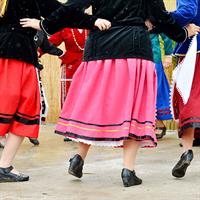
There are a few festivals and events held in the city including the International Folk Music and Dance Festival in August. Fisherman’s Day in September, and St. Andrew’s Day the Patron of Tulcea in November.