


Experience Vientiane
Overview
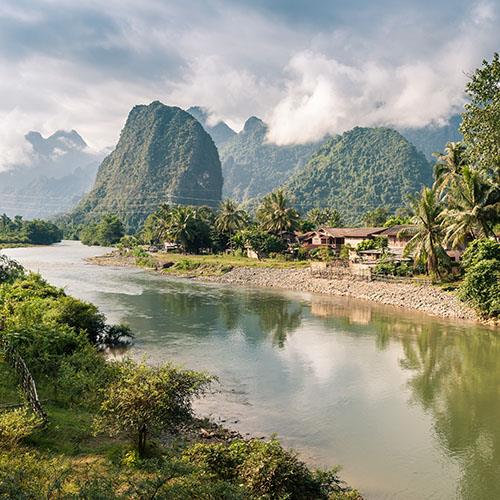
The largest capital city of Laos is Vientiane, nestled on the banks of the Mekong River at the Thai border. The city is steeped in legend and history and is home to the massive gilded stupa, Pha That Luang, a national symbol of the country. The charming capital retains its French colonial architecture alongside authentic Buddhist temples and landmarks that stretch along the riverbanks. Tree-lined streets are decorated with cute cafes, vibrant riverside markets, traditional silk shops, street food stalls, and noodle shops. A good base for day trips to the popular Buddha Park, which is home to over 200 giant Buddha statues. Vientiane is the perfect place to enjoy dinner and sunset views over the mighty Mekong River.
Things to see and do
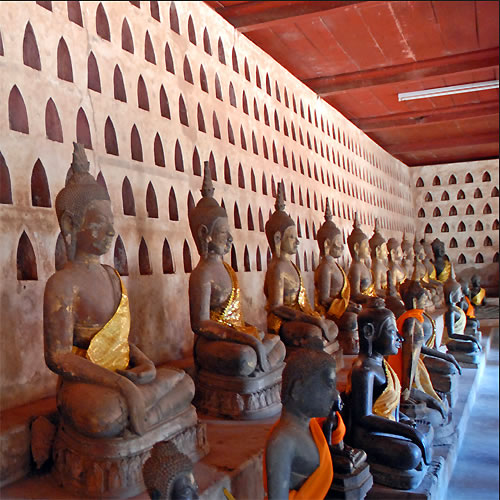
Visit Wat Sisaket, the oldest and most historically significant remaining temple in the city. This intriguing ancient temple is located in the heart of the old city and was built in 1818 by King Anouvong. Inside the main hall of the temple, the courtyard walls house over 6,800 bronze Buddha statues. The temple features a Siamese Buddhist architectural style with a five-tiered tiled roof and a spacious hall. It is said to house a piece of the Buddha’s breastbone. During the Bun Pha Wet festival, thousands of Laotian citizens and tourists gather here to offer prayers.
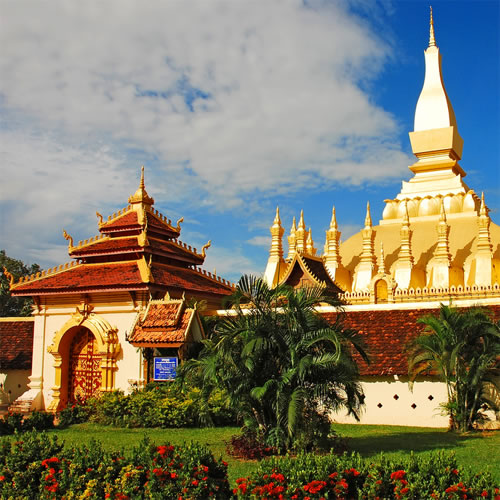
See Pha That Luang or The Great Stupa, which measures 148 feet tall and is covered in gold. It is nestled in the heart of the city, a national symbol of Laos and one of the most important Buddhist monuments in Southeast Asia. It was also designated as a UNESCO World Heritage Site in 1995.
Check out Simuang Temple, a popular site of worship in the city, one that offers a fascinating insight into how old animist beliefs have blended seamlessly with Theravada Buddhism. It is said to bring ‘good luck’ or ‘lucky’ powers and attracts crowds of local Buddhists. It is also thought that if you pray for something here and simultaneously make a promise, your wish will be granted, provided you return and fulfill your promise.
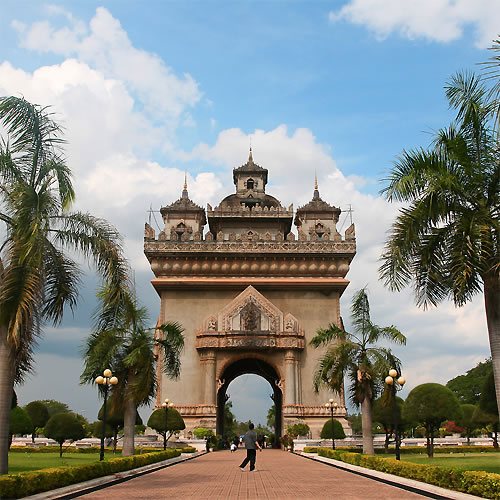
See the Patuxai Monument, also known as the Victory Gate of Vientiane. A memorial war monument and prominent landmark in the city, situated on Lanexand Avenue, that resembles the Arc de Triomphe. Built-in 1957 to honor the memory of the Lao soldiers who died during WWII and the War of Independence in 1949. The arc’s traditional Laotian design incorporates typical Lao elements and motifs such as “Kinnaly”, a mythical bird-woman. There are five floors, one of which visitors can admire the cityscape.
The Hor Lak Muang city pillar shrine was constructed in 2012. It is a cultural landmark and religious site that reflects the heart of Lao identity and stands as a significant symbol of spiritual heritage in the capital city. A sandalwood pillar inside the shrine is believed to house guardian spirits that act as protectors of the city. Locals leave offerings at the shrine and ask for good fortune and good health.
Check out the Lao National Museum, established in 1980 as the Lao Revolutionary Exhibition Hall in the former French Governor’s Residence. The building was constructed in 1925 and features French colonial-style architecture. It was the building where Laos gained its independence from France on October 12th, 1945. There are five exhibition rooms filled with artifacts of the country’s prehistoric, wartime, political, and ethnic identity.
Visit the famous Buddha Park filled with over 200 religious statues, including the massive 131 feet tall reclining Buddha statue in the middle of a pond. The entrance is designed to look like a demon’s mouth with staircases from heaven and hell that you can climb, leading to bird’s eye views of the entire park. The park was built in 1958 by a monk who studied both Buddhism and Hinduism, and is a great place to learn about the culture and religion of Laos.
Shopping
The capital city of Vientiane is a shopper's haven, blending modern boutiques, sleek malls, and vibrant local markets where visitors can pick up unique treasures and experience the local lifestyle. A shopping journey through Vientiane can make for a fun-filled day with many locations to check out and plenty of different items to shop for, with traditional Lao souvenirs, stylish clothing, silk, colorful textiles, handicrafts, and jewelry. There are some excellent shopping destinations dotted along Setthathirath Road that appeal to all tastes and budgets.
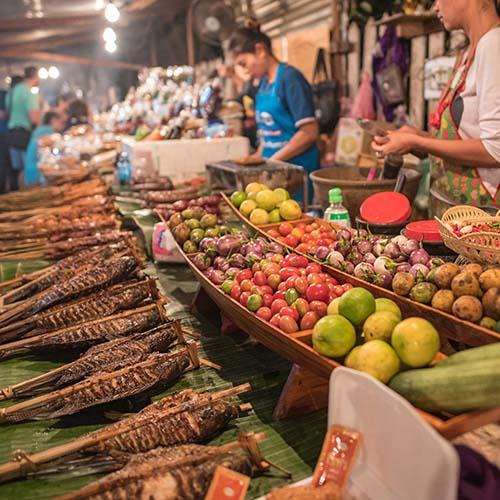
The Vientiane Center is probably the most well-known mall in the city, offering a variety of local and international stores. There are multiple markets scattered throughout Vientiane, which offer a unique, exciting shopping experience. The Don Chan Market is located on Don Chan Island , which sells various types of goods such as food, clothing, souvenirs, and mementos. The markets are filled with plenty of excellent options to try local cuisine and experience Lao culture. The Vientiane Night Market is one of the most popular markets to visit in the capital, a great place to shop and grab a bite to eat. Sample delicious, authentic street food while browsing the stalls as well as enjoying live music and entertainment. The Talat Sao Market is now a modern mall. It used to specialize in jewelry and antiques, but it still features a few merchants and stalls that sell wooden carvings outside, and the modern air-conditioned stores are found inside, as well as a supermarket and a cinema. There are colorful market stalls set up along the beautiful Mekong River.
Dining
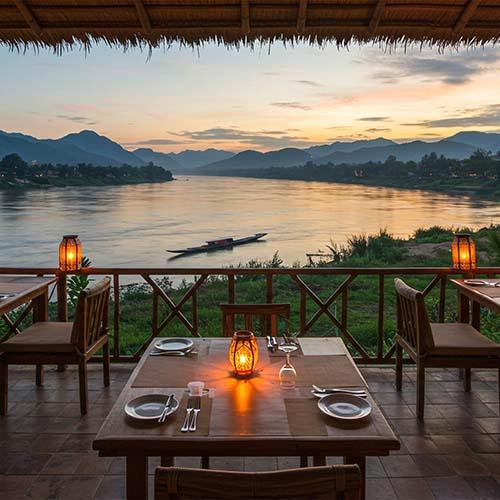
The capital cosmopolitan city of Vientiane features a great restaurant scene and cafe culture. Food lovers can enjoy excellent authentic Lao cuisine as well as French-influenced cuisine. The menus throughout the city offer many mouth-watering options from classic Lao dishes, international dishes, Thai food, Western food, fresh French pastries (some say better croissants than Paris!), fresh fish, and seafood. Street food is popular in Vientiane, especially in the bustling markets with different carts and stalls selling all kinds of delicious dishes, snacks, and delicacies to try. The Ban Anou Night Market is one of the best places to try street snacks in the city, including pho made with hand-pulled noodles, lettuce-wrapped snacks with peanut-filled (miang), grilled and skewered meats, grilled sticky rice, and local beverages made from coconut and chai teas. There are many restaurants downtown and along the river, which boast some nice views, especially as the sun is setting. The cuisine in the capital city is diverse, with many dishes featuring distinctive flavors. Visitors can take a traditional cooking class and learn how to make some traditional dishes.
Lao dishes are made with a mixture of spicy, savory, and sweet flavors with a strong emphasis on fresh ingredients and unique regional specialties. Staple ingredients may include lemongrass, kaffir lime leaves, mint, fish sauce, tamarind, and chili peppers to name a few. Some classic Lao dishes include Laap (minced meat salad), Khao Piak Sen (rice noodle soup), Khao Niaw (sticky rice), Mok Pa (steamed fish), Sai Oua (Lao sausages), Luang Prabang salad with a zesty dressing, Jaew a dipping sauce, and more adventurous options like rat stock based Khao Soi Soup, which is a local specialty. A few popular dishes to be sure to try include Khao Niaw (sticky rice), often served with grilled meats, fish, salads, or omelets.
Nightlife
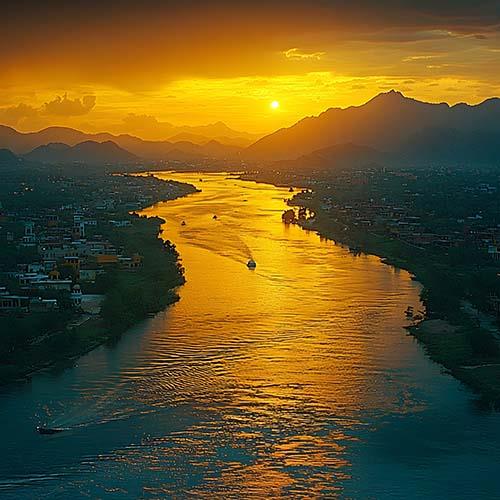
The nightlife in Vientiane can be characterized by a few bars and clubs, pubs, and sports bars, some found along the riverbanks, many dotted along the streets of downtown. It's a pretty low-key nightlife scene with some relaxing bamboo thatched beer gardens and riverfront restaurants that boast some of the best views. There are some excellent establishments to sit back and enjoy a drink with music, live bands, and karaoke, many of which can be found along Setthathirath Road. The capital city features modern, trendy, and eclectic choices for popular places to enjoy a range of international beers, cocktails, and food. The capital city is known for Beerlao, a local brewery producing a range of beers. The Mekong Riverfront features a number of restaurants and bars, many boasting outdoor seating overlooking the river, providing a relaxing evening setting, especially when the sun is setting. The riverbank is also the location of many of the busy markets, including the vibrant night markets that feature food and entertainment. The Samsenthai Promenade is a popular nightlife destination in the city, known for its lively atmosphere and lined with countless bars, pubs, and clubs. Nestled right in the heart of the city, the bustling promenade offers live music, dancing, restaurants, and street food with a vibrant, energetic atmosphere.