


A Sampling of Food Cities in Germany
Berlin
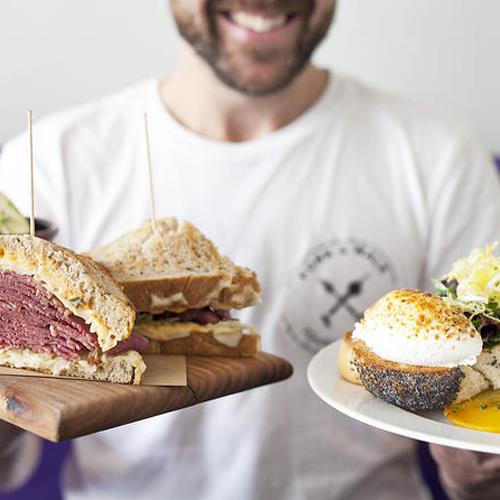
Berlin's food scene has grown to global recognition over the years with a variety of cuisines that have evolved in the city in the last decade. The city is constantly on the go, and the food scene reflects that. There are sausage vendors in the public squares, döner kebabs on every corner, and the chance to eat well anytime of the day. And it isn't all meat and pretzels, in fact, Berlin serves up some incredible international cuisine as well. You'll also find restaurants serving up excellent dishes that deliver on taste and authenticity. They are a bit different than the stereotypical Bavarian versions of German food people usually picture. Whether you eat a modernized interpretation at a Michelin star restaurants or in a traditional Berlin setting, there is plenty of diversity that the city has to offer.
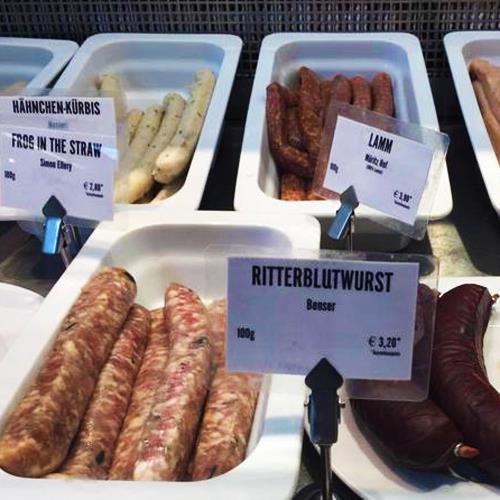
Must Savor Specialties: Döner kebab, the street food you can find just about everywhere; Königsberger Klopse, named after the Prussian capital of Königsberg (now Kaliningrad), is an East German version of meatballs; Currywurst, a truly unmissable dish in Berlin, it is Bratwurst sliced and served atop French fries, doused in curry ketchup topped with a sprinkle of curry powder; Eisbein, pickled ham hock typically paired with sauerkraut and pureed peas, and, of course, potatoes; Blutwurst (blood sausage) has an unappetizing reputation, but it is a definition and delicious Berlin food; Berliner Pfannkuchen, deep-fried and coated in sugar, this doughnut is typically filled with sweet jam; and of course Bratwurst, the most popular sausage throughout Germany, but it is definitely a foodie "must do" from a street vendor in Berlin!
Nuremberg
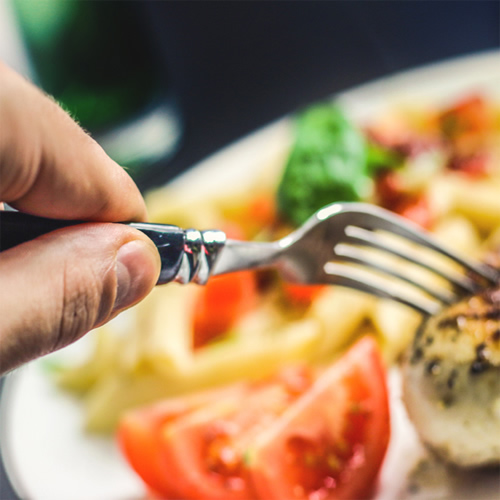
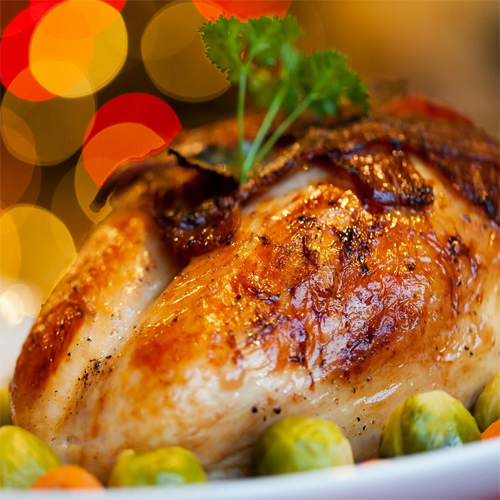
With many places to eat outside and enjoy watching the world go by, there are plenty of places to enjoy great food in Nuremberg, and you don't have to search far to find amazing, local traditional food. The city is the perfect place to try some of the regional specialties that Bavaria and Franconia are known for. On the must-try list are substantial and hearty meals revolving around meat and carbs, as well as plenty of sugary treats.
Must Savor Specialties: Fränkisches Schäufele, this is a Franconia favorite that you'll find on menus across the region and describes the local take on a roast shoulder of pork; Ochsenmaulsalat, this is a meaty salad dish that has been around since the 19th century; Nürnberger Rostbratwürste, this sausage is not only popular in the region, but has also found its way to BBQs and food stalls all across Germany; Fränkischer Karpfen, a season fish dish often coated in flour, oil and beer batter, then fried until done; Nürnberger Lebkuchen (gingerbread) recipe of wheat flour, ginger, cinnamon, cloves and nuts which has been traced to the 13th century; Fränkischer Spargelsalat, a Franconian recipe for asparagus salad that involves white asparagus which is peeled and boiled; and Knieküchla, a traditional pastry from the region based on a yeast dough, usually with added raisins.

Cologne
Germany's fourth largest city, Cologne is a must visit for any foodie traveler. The city is spread out over both sides of the Rhine River and provides a vibrant cultural scene, and more importantly a mouthwatering food scene. From Kölsch beer, to delicious mouth-watering dishes, the food scene is fun to discover.
Must Savor Specialties: Himmel un Ääd (Heaven and Earth), named for the two main ingredients, apples (from the sky) and potatoes (from the ground), this dish resembles mashed potatoes but has a distinct apple flavor and sweetness; Mettbrötchen - Mett on a bun, mett being raw pork sausage meat; Schnitzel, usually pork, veal or chicken, flattened, battered and fried to form a crispy, golden outer crust; Schweinshaxe (Crispy Pork Knuckle); and Leberwurst, known to us non-Germans as liver worst, this is a quick and affordable meaty snack that comes with sliced onion and a bun.

Dresden
On the bank of the lovely Elbe River, Dresden, the state capital of Saxon, is known for its breathtaking beauty and charm, along with delicious Saxon cuisine. The city offers delicious hearty meat-based dishes and delightful sweet treat. Dresden makes for a favorite destination for those looking to experience Germany's best cuisine.
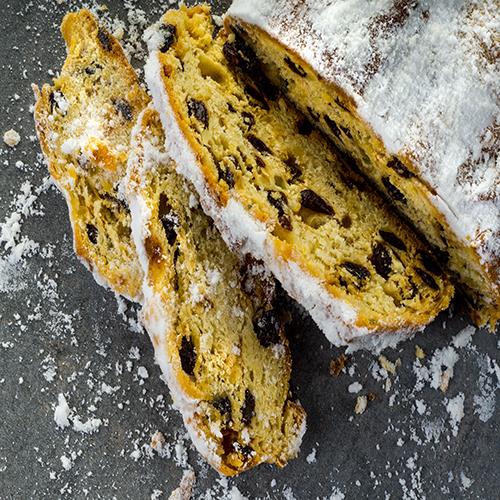
Must Savor Specialties: Dresdner Christstollen, this is the city's take on fruitcake - it's delicious; Fettbemme is Saxon's most popular open-face sandwich creation, it is a slice of dark rye bread on which is typically spread pork or beef lard, topped with sliced gherkins and sprinkled with salt; You'll find Eierschecke on a menu of most cafes throughout Dresden, it is a sheet cake layered with lots of yummy goodness that comes in many variations; Potato soup, or Sächsische Kartoffelsuppe, is a popular snack or started all across Germany, however in this area, it is often served with prunes or dice bacon with chunked up and browned sausages; The city's sauerbraten recipe is either leg or beef soaked in stock for days, then briefly fried in clarified butter and then put in the oven, typically served with red cabbage and bread dumplings; Another soup, the Holunderbeerensuppe, is a special culinary creation that uses thickened elderberry juice that is refined with lemon and a bunch of spices and then served with a dash of cream and croutons; and Quarkkeulchen can be served both sweet and savory, and both types are based on a dough of curd cheese, boiled potatoes and raisins.

Munich
Munich is the capital of Bavaria, the largest state by area and second largest by population, and it is the third largest city in Germany. Bavarians have their own culture, cuisine, and even their own language. (Bavarians German is a cluster of dialects different enough to be classified as an individual language. It’s spoken in Bavaria and some of Austria, Italy, and Switzerland.) And like the language, Bavarian cuisine is eaten throughout Bavaria and in parts of Austria and Switzerland. Many Bavarian dishes are what many would consider to be typical German food, with some exceptions.
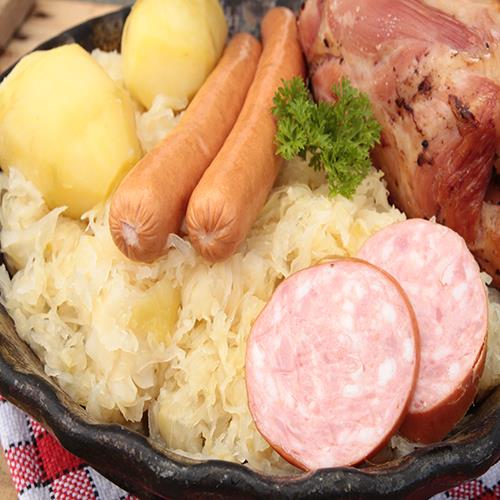
Must Savor Specialties: White sausage, or weisswurst, is a Bavarian sausage made with veal and pork usually flavored with parsley, lemon, onions, ginger, and cardamom; Schnitzel is one of the most popular Bavarian foods and throughout Germany, typically it is breaded and fried veal or pork served with spätzel, potato and cucumber salad, or fries; Spätzel is technically a soft egg noodle but tastes like a mix between a noodle and a dumpling and usually served as a side dish with meat topped with gravy or sauces; Breze, the German pretzel, varies by region in Germany, but Munich claims to have invented the bread-like side dish that comes in all shapes and sizes, and where you’ll find them sold literally everywhere; and Schweinebraten, a pork seasoned with caraway, coriander, and garlic, roasted until the edges are nice and crispy, it is served in a dark beer sauce with a Knödel or Spätzel.
Hamburg
The harbor city of Hamburg offers some unique dishes that range from simple to sophisticated. Due to its centuries-old history as a major port town, the cuisine in Hamburg is very diversified and flavorful. Until the 20th century the cuisine of the city was predominantly characterized by the extensive choice of different kinds of fish from the river Elbe and the nearby Baltic Sea. Today, some of the most popular and most valued German celebrity chefs reside in Hamburg. The city is also home to many internationally recognized gourmet restaurants from which many were repeatedly awarded with a Michelin star.
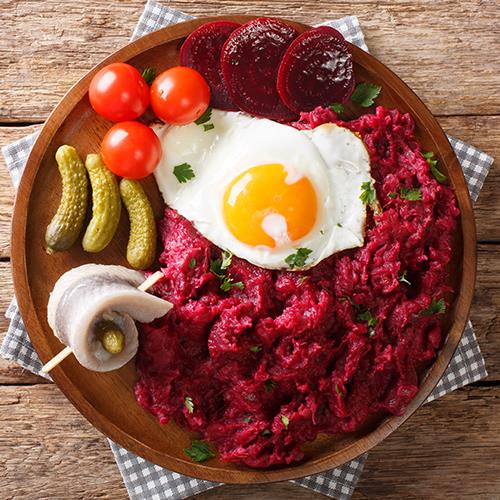
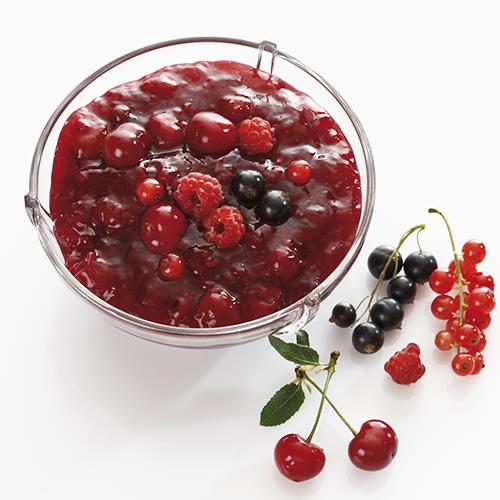
Must Savor Specialties: Franzbrötchen (French rolls, allegedly influenced by Napoleon's troops); Currywurst (Celebrated in Uwe Timm's novel 'The Invention of Curried Sausage'); Labskaus (Seafarers’ stew of various ingredients tinted a bright pink from beetroot); and Rote Grütze (Mixed berries and cherry dessert served with custard).

Bremen
Built along the banks of the Weser River, the North German city of Bremen is a beautiful city, with a lovely town square and many iconic statues scattered around the city. It is bordered only by the German state of Lower Saxony and it’s harbor is the country’s second largest in terms of foreign trade. Bremen’s closeness to the ocean and its role as a major harbor city has greatly influenced cooking in the region. This is evident in the many recipes using exotic ingredients important from distant countries. Bremen has also been dubbed the ‘food capital’ of Northern Germany by the Michelin guide, where fine dining establishments cross paths with laid-back haunts. There are many restaurants here, and there is something from every taste and every budget.
Bremen is known for its exceptional coffee which it obtains from its worldwide trade partners. It is also well known for its beer, being that it is home to Becks Brewery, it is also home to one of Germany’s largest coffee producers, Jacobs Kafee. There are many restaurants here, and there is something for every taste and every budget.
Must Savor Specialties: Curry dishes, such as Curryhuhn (Curried Chicken); Matje Herring and Rollmops (Fish Rollups); Flounder, eel, halibut, herring, cod, shrimp; Cabbage, rutabaga, and potatoes; Beef and pork; Coffee - the major coffee companies are in Bremen: Jacobs, Eduscho, and Melitta; Labskaus - Seaman's Hash, a mixture of potatoes, corned beef and beets served with a fried egg, herring, pickles, and beets; and Rote Gru¨tze Germany's national dessert!