


Destinations
❮Main Menu
A SHORT HISTORY OF IRISH CUISINE


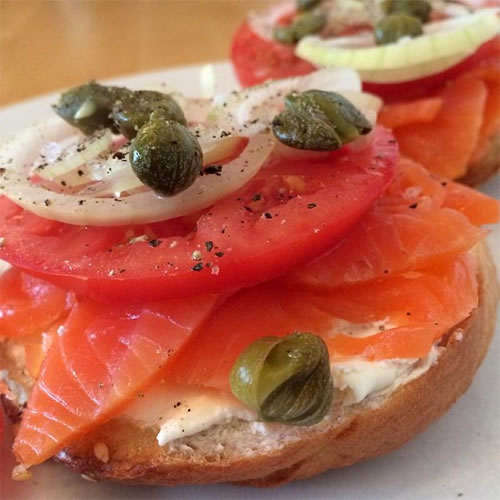
In Medieval Ireland, certain foods were limited by class, so the lowest-class portions of society were limited to oats and not allowed to have baked breads. Choice cuts of meat were luxuries, and they would continue to be so until the late 19th century. Before the Tudors arrived in Ireland, there were thriving dairy and beer industries, and the most popular crop grown was wheat, although it was difficult to grow wheat on Irish soil.
The Tudor conquest of Ireland brought a number of culinary game-changers. The first was the introduction of the potato to Irish soil. Unlike wheat, potatoes thrived in Irish soil, and quickly became the crop of the poor (which most people were in Ireland in the 16th century). Rich in nutrients and vitamins, the potato helped to lengthen the life expectancy of the Irish from just 28 years in 1600 to 38 in 1840. Due to the food security the potato provided, people started having families earlier and more children: the population rose from one million in 1600 to nearly nine million by 1840. The second game-changer was the introduction of tea, a popular drink of the British. Ireland took to the caffeinated drink even more than their colonizers, and today the Irish drink more tea than any other country in Europe (at least six cups a day on average). Irish breakfast tea is different from English breakfast tea in that the tea leaves in Irish breakfast are primarily Assam tea, whereas English breakfast tea features Assam tea leaves but more notes of Ceylon tea.
Ireland took a long time to recover from the potato famine of the 1840s, in which a quarter of the population either emigrated or died from hunger. More people moved into cities, although the diet twenty years after the famine still consisted of potatoes, porridge, turnips, eggs, and fish and meat as they could be afforded. Ireland transitioned from a primarily rural society to a more urbanized and consumerist one, and by the early 1900s, even the smallest towns had a corner shop that sold prepackaged goods, in addition to the already-existing bakeries and butcher shops. The typical Irish diet didn't change much even with the introduction of processed foods in the early 20th century, as most people could only afford to buy things like biscuits (cookies) and sugar for their tea. Bread, potatoes, and porridge continued to be staples in the Irish diet, with lunch being the largest meal of the day, and would comprise a meat, a vegetable, and potatoes (spuds). The Irish breakfast was still a luxury for the upper classes, due to its size and varied ingredients.
The second half of the 20th century saw people move to ovens as the main vessel for cooking dishes and not a hearth, and refrigerators finally became a common sight in Irish homes by the 1960s. Certain ingredients and foodstuffs that we may take for granted weren't popularly consumed in Ireland until much later: rice and pasta didn't become part of the common diet until the 1970s, and olive oil entered wide use in cooking by the early 1990s. On the up side, the Irish food scene has never been more cosmopolitan, and now foreign restaurants can be seen all over the country and worldwide foodstuffs can be found at corner shops and supermarkets everywhere.
Ireland's restaurant scene was virtually nonexistent before the 1960s. Restaurants as a concept we know today were largely confined to Dublin and other tourist centers and had uninspiring menus that were either primarily fried or boiled. In the late 1970s, international chains such as McDonald's, KFC, and Burger King arrived, and restaurants serving ethnic cuisine arrived shortly afterward. By the 1980s, it became more and more common for Irish people to dine out, especially as more and more people could afford to do so. In the 1990s, the farm-to-table movement championed Irish cuisine cooked in ways commonly seen on the Continent, ranging from salmon cooked in olive oil to grass-fed beef and local asparagus. Within the span of about 40 years, Ireland not only created a thriving restaurant industry, it has become a rising star in foodie circles, with 20 Michelin-starred restaurants located all over the country.
Must-Savor Specialties: Fresh Irish breads, Irish breakfast tea, potatoes, Irish biscuits, smoked and pan-fried salmon, farm-to-table cooking (fresh Irish beef and seafood)
A SAMPLING OF FOOD CITIES AND REGIONS IN IRELAND


Dublin
Dublin has the most advanced restaurant scene in the Republic of Ireland, which is no surprise considering Dublin was the only major city in the country to have a sizable selection of restaurants before the 1970s. Dublin boasts three Michelin-starred restaurants: Variety Jones (78 Thomas Street), where dishes are cooked over an open fire; Greenhouse (Dawson Street, near St Stephen's Green), an intimate date-night spot serving innovative modern cuisine; and Patrick Guilbaud (21 Upper Merrion Street), where modern French cuisine is served inside a converted Georgian farmhouse.
The Temple Bar area, on the southern side of the River Liffey and to the west of Trinity College Dublin, is renowned for its restaurants and cafés. It's also a great place to eat and enjoy traditional Irish folk music. Try these dependable favorites that serve the best of Irish cuisine: Cleaver East (2 Essex Street East); The Shack (24 Essex Street East); Gallaghers Boxty House (20-21 Temple Bar); and The Old Mill Restaurant (14 Temple Bar Square).
Dublin is well-known for a variety of foodstuffs and drinks. For those who like alcoholic drinks, the legendary brands Baileys Irish cream liqueur, Guinness beer, and Sheridan's coffee liqueur all originate from Dublin. As far as food is concerned, dishes such as Dublin coddle stew (with potatoes, onions, sausages, and back bacon), Gur cake (two layers of shortcrust pastry encasing a filling of spiced fruits, cake crumbs, and a binder of superfine sugar), and spice bag (an Asian-inspired takeaway dish with shredded chicken, spices, and salt and chili fries) are popular, delicious, and native to Dublin. Dublin Bay is a popular shrimp-harvesting area, and Dublin Bay shrimp (called "prawns" in Ireland) are served up as langoustine bisque and langoustine salad in various seafood restaurants.
Many popular Irish dishes can be best sampled while in Dublin. Dublin boasts the best restaurants in the country for the following dishes:
-Irish breakfast: An Irish breakfast is similar, but different from, the English breakfast. An Irish breakfast typically includes back bacon, pork sausage, fried eggs, white pudding and black pudding, and tomatoes, and usually also incorporates baked beans and brown soda bread (very popular in Ireland). You can enjoy perhaps the best Irish breakfast in the world at Hatch and Sons (15 St Stephen's Green).
-Breakfast roll: A popular "grab-and-go" breakfast item, elements of an Irish breakfast are served warm inside a French roll cut lengthwise. Typically served with either tomato sauce or brown sauce. Try a breakfast roll at Declan & Donal's Deli (34 Bolton Street), open until 3 p.m. on weekdays and 2 p.m. on Saturdays.
-Scones: Biscuits very similar to the British recipe. When they incorporate dried currants or raisins, they are called fruit scones. Keoghs Cafe (1-2 Trinity Street) and Queen of Tarts (Cow's Lane, Dame Street) are renowned for their scones.
-Afternoon tea: The custom of afternoon tea as it is known in Britain is alive and well in Ireland, unsurprising considering the Irish drink more tea than even the British. Victoria sponge cake, cookies, scones, and cucumber sandwiches are served with black tea, usually from India or Africa. Popular places to experience Irish afternoon tea include the aforementioned Queen of Tarts as well as many high-end hotels in the city, such as The Shelbourne, Autograph Collection (27 St Stephen's Green) and The Westin Dublin (College Green, Westmoreland Street).
-Seafood chowder: The Irish recipe calls for a cream base, shrimp and salmon, potatoes, and onions. Fish Shack Café (13 Parliament Street, Temple Bar) and The Old Storehouse Bar and Restaurant (3 Crown Alley) have received rave reviews for their seafood chowder.
-Boxty: A pancake made from mashed raw potato and flour, sometimes wrapped around meat and served with brown sauce. Gallaghers Boxty House (20-21 Temple Bar) is hands-down the best place to try this uniquely Irish dish.
-Beef and Guinness pie: A delicious and hearty pie baked in a crispy pastry crust, with the beef and vegetables cooked in fat and reduced Guinness stout.
-Beef and Guinness stew: A more seasoned version on the "beef and Guinness" theme, Guinness draught is used in the cooking process of the beef, as are various herbs such as rosemary, thyme, and bay leaves. The stew is served on top of champ potatoes and usually the plate also includes a vegetable. Beef and Guinness dishes can be tried at many places around town, such as The Hairy Lemon (Stephen Street Lower) and The Brazen Head (20 Lower Bridge Street).
Must-Savor Specialties: Baileys Irish cream liqueur, Guinness beer (stout or draught), Sheridan's coffee liqueur, Dublin coddle stew, Gur cake, spice bag, langoustine bisque, langoustine salad, Irish breakfast, brown soda bread, breakfast roll, scones (and fruit scones), afternoon tea, Irish seafood chowder, boxty, beef and Guinness pie, beef and Guinness stew
South East Ireland
South East Ireland is the driest and sunniest region of Ireland, and this means crops such as potatoes and strawberries can grow better here than any other region of the country. Wexford in particular is noteworthy for their potatoes and strawberries, and even if you don't get a chance to stop in Wexford, traveling salespeople from the Wexford farms routinely build spots along roadsides in other parts of the country to sell them. The south east is also the epicenter of Ireland's dairy industry, producing such delicious cheeses as Doolin cheese, Triskel cheese, Knockdrinna Farmhouse cheese, Carrigbyrne cheese, and Croghan cheese.
The epicenters of dining in the south east are the three main regional centers of Kilkenny, Waterford, and Wexford, as well as Dungarvan, southwest of Waterford. All four have budding food scenes, with Wexford and Dungarvan in particular having received accolades for their seafood and restaurants that offer modern takes on Irish ingredients. Tannery Restaurant (10 Quay Street) and Merry's Gastro Pub (Lower Main Street) are two places you shouldn't miss while in Dungarvan. Modern Irish cuisine can also be enjoyed in the regional capitals, like Kilkenny lamb braised and slow-cooked at Zuni (26 Patrick Street) and pork belly glazed with Milleeven Irish honey at Anocht (The Castle Yard, The Parade) in Kilkenny; fresh fish at McLeary's (122 Parade Quay) and delicious Waterford Blaa bread at John Hickey & Son (59 Barrack Street) in Waterford; and bacon and cabbage at Cistín Eile (80 South Main Street) and all kinds of seafood, such as turbot, sole, scallops, and oysters, at La Côte (Custom House Quay) in Wexford.
Must-Savor Specialties: Potatoes and strawberries from Wexford, Doolin cheese, Triskel cheese, Knockdrinna Farmhouse cheese, Carrigbyrne cheese, Croghan cheese, Kilkenny lamb, Milleeven Irish honey, Waterford Blaa bread, bacon and cabbage, seafood from Wexford (turbot, sole, scallops, oysters, etc.)


County Cork
County Cork is considered "the food capital of Ireland" for three reasons: it is a very agricultural area, supplying restaurants with the best farm-to-table ingredients, ranging from beef and lamb to vegetables; the "slow food movement" which revolutionized Ireland's culinary scene was born here; and it is the only region of the country that was able to compete with Dublin in terms of Michelin stars. Four restaurants in County Cork have Michelin stars: Japanese restaurant Ichigo Ichie (5 Fenns Quay) in Cork; modern Irish restaurant Chestnut (Staball Hill) in Ballydehob; dede (Customs House) in Baltimore, with a distinct Turkish flair on local dishes; and Bastion (Market Street and Main Street) in Kinsale, where you must try the Skeaghanore duck breast in plum sauce.
County Cork's food scene can be divided into two spheres: Cork City, the second-largest city in the Republic of Ireland; and "West Cork", the southwest coast of the country running from Kinsale in the east to Baltimore in the west, and including noteworthy culinary towns as Clonakilty, Rosscarbery, and Ballydehob.
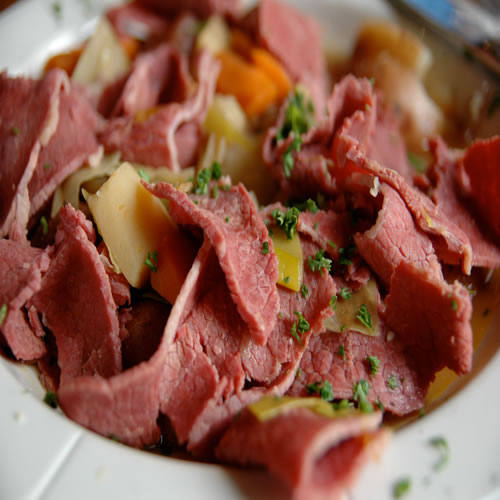
To get to the heart of the food scene in Cork City, head to the English Market in the center of town. It is very highly-regarded and is considered by some food critics to be the best covered market in the British Isles. Over 130 tenants serve local delicacies and artisan foods six days a week at the English Market. Here you can try such Cork specialties as smoked salmon from the River Lee, hot buttered eggs (aged farmhouse eggs that are preserved by rubbing butter on the shells), tripe served with drisheens (a gelatin-like black pudding made with blood, milk, and breadcrumbs), crubeens (pig's feet), skirts and kidneys (meat from the ribs cooked as a stew with potatoes and vegetables), spiced beef, and Gubbeen cheese. Crawford Gallery Café (inside Crawford Art Gallery), opened by the late Irish celebrity chef Myrtle Allen, is known for traditional dishes such as deviled kidneys and hake and chips. The Oliver Plunkett (116 Oliver Plunkett Street) is a great place to eat pub grub while enjoying traditional Irish music.
Four towns along the western Cork coast are worth seeing for the budding food scenes they've developed. Start your trip in Kinsale and drive west to the towns of Clonakilty, Rosscarbery, and Ballydehob. Kinsale is best-known for its annual gourmet food festival (October) and for the All-Ireland Chowder Cook-Off (April), as well as being the perceived "seafood capital" of the country. Have some fish and chips from one of the vendors along the harbor; foodies say the best fish and chips in Ireland can be had here. As far as fancy restaurant experiences go, you can't go wrong with the aforementioned Michelin-starred Bastion or Finns' Table (6 Main Street) for Irish cuisine. Crackpots (3 Cork Street) and Man Friday (Scilly) are good options for Irish food in a more casual setting and lower price range.
Clonakilty, with an advantageous position not just near the water but also near farms, has enjoyed a very large food scene relative to its size. Nearly two dozen restaurants are located in Clonakilty (pop. 4,500). The "slow food" concept is king here, and seafood from the wild Atlantic waters is served alongside pork, beef, milk, and cheese from the farms north of town. The most popular restaurants in Clonakilty are Mountain House Steak and Seafood (Mountain Common, Ardfield), The Whale's Tail (The Waterfront), and Scannells Bar (5 Connolly Street). The town of Rosscarbery is home to about a half-dozen restaurants clustered around South Square, with CRAFT West Cork (at the Celtic Ross Hotel) serving up what they call "West Cork street food" with local ingredients. Hands-down the best food-centric town in West Cork is Ballydehob (pop. 274), home to over a dozen restaurants and cafés. The aforementioned Michelin-starred Chestnut and Budds Restaurant (Main Street) are far and away the leaders of the pack in terms of Irish cuisine in Ballydehob.
Must-Savor Specialties: Skeaghanore duck, smoked salmon from the River Lee, hot buttered eggs, tripe and drisheens, crubeens, skirts and kidneys, spiced beef, Gubbeen cheese, deviled kidneys, hake and chips in Cork, fish and chips in Kinsale, locally-sourced meals in West Cork


County Kerry
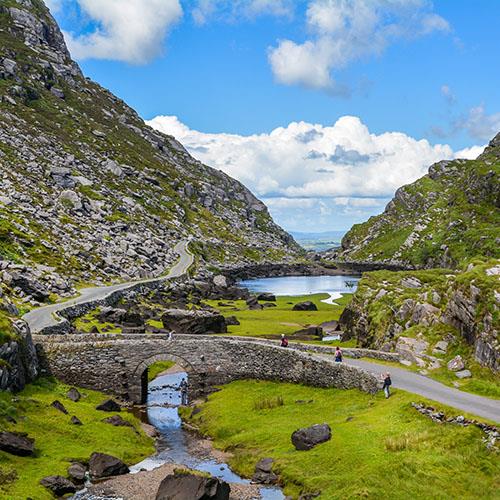
Your food tour of County Kerry should definitely include (but hopefully shouldn't be limited to) the following places: the charming town of Kenmare; from there you can start the 111-mile Ring of Kerry, taking you through to towns like Waterville, Cahersiveen, and Killorglin, which have some of the best restaurants you'll find along your drive; Killarney, where you will end your Ring of Kerry excursion; and Dingle, the charming town and peninsula to the north-northwest of the Ring of Kerry. County Kerry is not home to any Michelin-starred restaurants, but there is fine dining to be had here, ranging from restaurants boasting intimate and traditional settings to high-class eateries with table linens.
Modern Irish dining can be enjoyed in Kenmare at a variety of restaurants, including Mulcahys (Main Street), where the locally-baked brioche is to die for; No. 35 (35 Main Street), where County Kerry-raised pork features into Irish dishes that are beautifully plated; and Boathouse Bistro (Dromquinna) where you can enjoy the most delicious local seafood. These are just a sampling of the four dozen restaurants in Kenmare, notable considering the vacation spot only has 2,300 permanent residents. Many of these restaurants are clustered around the Viking Triangle (Main Street, Henry Street, and Shelbourne Street). If you are looking for locally-sourced ingredients to take home as souvenirs, head to the Kenmare Farmers Market in The Square each Wednesday between 10 a.m. and 4 p.m. You can purchase such products as South Kerry Natural Irish Honey; apple cakes and apple tarts; and local cheeses such as Béal Organic Cheese, the first organic cheddar cheese in Ireland. (On a side note, despite its name, the popular Kerrygold cheese we know well in the U.S. is actually made from a dairy in County Cork.)
The Ring of Kerry drive will take you through many towns and villages, but we're focusing on three that will give you the best culinary experience. The first of the towns you should make a point to stop in is Waterville, about a 70-minute drive from Kenmare on the Ring road. Waterville is wedged between a large bay and a lake and is home to a handful of cozy restaurants offering mouth-watering dishes, such as Dooley's Seafood and Steak House which not only serves locally caught seafood like monkfish, mussels, oysters, lobster, and black sole, but also serves the delectable Kerry lamb, served in a delicious Irish stew (served with potatoes, onions, and parsley).
Twenty minutes up the road from Waterville, there is the town of Cahersiveen, which boasts a string of about a dozen restaurants and cafés along the ring road. The one we recommend trying is Quinlan and Cooke, referred to by local as just QC's, which can vouch for the freshness of its seafood because the Quinlan family catches it themselves! Wild Atlantic Way crab and the locally-smoked salmon are crowd favorites. About forty minutes from Cahersiveen, you will drive through the town of Killorglin. Hands-down the favorite restaurant in town is Sol y Sombra, located inside the old Church of Ireland, which is described as "tapas fusion" and brings Spanish spices and cooking techniques to Irish ingredients such as garlic chili shrimp and beef cheek sourced locally in Killorglin.
Finally, twenty-five minutes after you leave Killorglin, you will reach the bustling city of Killarney, known for such dishes as Killarney-style boxty (with meat and lamb as a filling in the potato pancake) and Killarney toffee. Towns along the Ring of Kerry may do the dining scene more justice, but Killarney offers a decent number of restaurants for its size. Delicious Irish fare can be found at Caragh Restaurant (106 New Street) which serves a great cottage pie (the Irish name of Shepherd's pie); The Laurels (Main Street), for their delicious pub grub; and Murphy's Bar and Restaurant (18 College Street) which serves popular dishes such as Irish-sourced fried chicken and seafood chowder.
An hour away from Killarney, Dingle, on the peninsula of the same name, is well-known for its seafood, even on the coast of Ireland where most towns are known for their seafood. Dingle Bay is where a number of delicious fish and other marine life are caught for consumption in the town's many restaurants, such as fish we don't have in the United States like gurnard and the john dory. Dingle Bay is also renowned for its scallops, mussels, and shrimp (called prawns in Ireland). Another popular delicacy is crab toes, which sounds just as you'd expect, the legs of the crabs are served on a plate and the meat is eaten from above the pincers. The Global Village Restaurant (Main Street) serves all of those delicacies and more. Land to Sea Restaurant (Main Street) takes locally-sourced ingredients to the next level, offering everything from Glenbeigh oysters to pickled cockles (shellfish), ravioli made from Dingle Bay lobster, and locally-sourced Dingle honey (one of the most popular regions in the country for beekeeping).
Must-Savor Specialties: County Kerry pork, Kerry lamb, Irish stew, South Kerry Natural Irish Honey, apple cakes, apple tarts, Béal Organic Cheese, Wild Atlantic Way seafood (monkfish, mussels, lobster, black sole, etc.) in Waterville, crab and salmon in Cahersiveen, beef cheek in Killorglin, Killarney-style boxty, Killarney toffee, cottage pie, Dingle Bay seafood (scallops, mussels, shrimp, lobster), oysters from Glenbeigh, crab toes, pickled cockles, Dingle honey, Kerrygold cheese (not from County Kerry but still delicious!)


Western Ireland
While the west coast of Ireland (also referred to as the Wild Atlantic Way) has a smaller and newer food scene compared to County Kerry or County Cork, the area of western Ireland brings more critically-acclaimed fine dining than County Kerry: for example, four restaurants are Michelin-starred in this region, two in Galway City and one each in Adare, County Limerick, and Lisdoonvarna, County Clare. Galway, Adare, and Lisdoonvarna are foodie towns that you need to visit while you're in western Ireland, and you should also explore Limerick, the largest city, and the town of Westport in County Mayo while you're in this part of the country because their food scenes are wonderful as well.
Limerick traditionally has been well-known as a place to enjoy great bacon and ham, as the pork industry was a big employer in the city for generations. Once referred to as "Pigtown", that industrial pride is seen each October during the Pigtown Food Series where people can try snacks and dishes from the factories in and around Limerick. Limerick ham is cooked with brown sugar and juniper berries, in order to give off a great taste and aroma. The Milk Market (Market House, Mungret Street) is a great place to stop to stock up on local products like fruit, vegetables, chocolates, and cheese. Cornstore (19 Thomas Street) and Hook and Ladder (multiple locations, the city center branch is located at 7 Sarsfield Street) are wonderful places to stop by if you want to try a variety of dishes using only the freshest ingredients. The French Table (1 Steamboat Quay) is the undisputed fine dining champion of Limerick, serving modern French fare for lunch and dinner.
It's the village of Adare, about 25 minutes southwest of Limerick, that steals the show. With just 1,129 people, the small village of Adare is not only known for having 17 different restaurants, it boasts a Michelin star. That lucky restaurant is The Oak Room at Adare Manor, which is renowned not just for its beautiful oak-paneled dining room for dinner service, but also for a luxurious afternoon tea hosted in the cheery gallery. Adare is nicknamed "the gourmet capital of the Irish Midwest", and there are many exquisite options, many of which are located in the village's many hotels and manor houses.
Drive up the jaw-droppingly beautiful western coast and stop in at three cities and towns along the way. First you'll drive to Lisdoonvarna in County Clare, then you'll take a 70-minute drive up to the city of Galway, and finally another 80-minute drive from Galway to Westport in County Mayo. Lisdoonvarna is already a popular vacation spot, as it is the gateway to The Burren and the associated national park. Lisdoonvarna is home to the only Michelin-starred restaurant that is an Irish pub, the Wild Honey Inn (Kincora Road), that serves up Irish favorites such as steak raised from Irish Hereford cows and a cheese plate that includes local County Clare cheeses such as Inagh Farmhouse hard goat cheese. Roadside Tavern (also on Kincora Road, just up the road from the Wild Honey Inn) is also well-regarded for its locally-sourced Irish favorites, like smoked salmon and a list of impressive local beers (such as Burren Gold).
Galway has a delightful food scene, boasting two Michelin-starred restaurants and a vibrant pub and street food scene. Galway rivals Dublin for its street food, ranging from biangbiang noodles from the large Shaanxi Chinese community (from stalls on Quay Street) to Irish spins on Mexican-style burritos at Vocho (19 Forster Street). Michelin-starred Aniar (53 Dominic Street Lower) puts together a tasting menu featuring ingredients, in their words, "that draw on the terroir of the west coast of Ireland", including dillisk (Irish seaweed), sheep's yogurt, and sea buckthorns (sour wild red-orange berries). The other Michelin-starred restaurant in Galway, Loam (Geata Na Cathrach, Fairgreen Road), serves up local delicacies such as Connemara lamb and a cheese plate that includes local Killeen's cow's milk cheese. Galway is also home to a number of Irish dishes that are now enjoyed across the country, like colcannon (potatoes mashed with cabbage and kale and served with cream) and Conger bread (made from sourdough), the latter served up at Jimmy Griffin's Bakery (Wildwinds, Forramoyle West). Saving the best for last, Galway is world-renowned for the quality of its oysters, and a popular pastime is to enjoy a stout lager with a plate of raw oysters. The best oysters in town can be found at Oscars Seafood Bistro (Clan House, 22 Dominick Street Upper).
Finally, your western Ireland food journey would take you up the coast to Westport in County Mayo, a charming and happy town on the River Carrowbeg. The town's reputation for great food has only grown in recent years, with it being proclaimed "a new gourmet food capital" of Ireland's west by food critics and journalists. An Port Mor (Main Street) takes pride in their locally sourced ingredients such as beef and pork products from Kelly's in nearby Newport and oysters and clams from a company located right in Westport, with the catch coming in from Clew Bay.
Must-Savor Specialties: Limerick ham and bacon, local Limerick products at The Milk Market, afternoon tea in Adare, steak from Irish Hereford cattle (in Lisdoonvarna) and Dexter cattle (in Westport), County Clare smoked salmon, dillisk (Irish seaweed), Inagh Farmhouse hard goat cheese, Burren Gold stout, biangbiang noodles in Galway, colcannon, Conger bread, Galway oysters, Clew Bay oysters and clams

North West Ireland
Two cities in the north west of Ireland that are well-known for their food scenes are the county towns of Sligo and Donegal. Eala Bhan (5 Rockwood Parade, Abbeyquarter North) offers great seafood options locally sourced from Mullaghmore, north of Sligo Town, ranging from hake and chips to crawfish to mackerel (in season). You might have noticed venison pop up many times on menus in western Ireland, and Coopershill House (in Riverstown) is an old country house that serves fresh venison from its adjoining farm. Knox (32 O'Connell Street) gets rave reviews for its dishes, ranging from traditional Irish to Asian to hamburgers, and offers quite a few vegetarian options, a rarity in Ireland.
Donegal sits due west of Northern Ireland, and this region of the country calls itself "the Food Coast" in an attempt to stand out from the crowd, but you will find that everything you eat here will be absolutely divine. First, let's start with Donegal Bay seafood, like its mussels, or Burtonport crab or smoked haddock from Killybegs. You can enjoy all this, plus more local foodstuffs like Donegal lamb, at restaurants like Quay West on Quay Street. Olde Castle Bar and Seafood Restaurant (Castle Street, Milltown) serves additional Donegal delights like Killybegs cod and Donegal Bay oysters. If you really want to experience all of the local meat, produce, and other products County Donegal is famous for, you can either use Donegal as a base to explore the county or you can arrive in August for A Taste of Donegal, a weekend event that brings together over 130 restaurants and the vendors from which they supply their own thriving businesses.
Must-Savor Specialties: Seafood from Mullaghmore such as hake, crawfish, and mackerel, venison in County Sligo, Donegal Bay oysters and mussels, Killybegs cod and haddock, Burtonport crab, Donegal lamb

Northern Ireland
Northern Irish cuisine is a mix of British and Irish cuisines. For example, most of the ingredients in an English breakfast make it into the famed "Ulster fry", but the addition of fried soda bread and potato griddle cakes called potato farls make it truly Ulster, setting it apart not just from the English breakfast but also the Irish variety, which typically does not feature potato farls. This is eaten not just for breakfast but for any meal, and the most popular restaurants that serve up the Ulster fry are Brights Restaurant (23-25 High Street) and Maggie May's Belfast Cafe (2 Malone Road) in Belfast. The Ulster fry is served either with a coffee spiked with Irish whisky or with Irish breakfast tea.
Other popular and uniquely Northern Irish snacks include Yellowman, a crunchy honeycomb treat; vegetable roll, which despite its name does include minced beef as well as leeks, onions, and tomatoes; pasties, which are minced meat, onions and potatoes, pressed into a burger patty, fried and served with chips/steak fries; and Fifteens, so named because the cake takes 15 marshmallows, cherries, and malted digestive biscuits each to make. 387 Ormeau Road, whose name is its address, is renowned for its Fifteens cake. John Long's Fish & Chips (39 Athol Street) serves Belfast's best fish and chips and also its best pasties. You don't have to go to Lough Neagh to enjoy its special eel delicacy; you can enjoy eel tempura among many other dishes at Bistro Este (221 Upper Newtownards Road, Ballyhackamore).
Must-Savor Specialties: Ulster fry, fried soda bread, potato farls, Irish whisky (Bushmills etc.), Irish breakfast tea, Yellowman honeycomb confectionery, vegetable roll, pasties, Fifteens cake, Lough Neagh eel