


Destinations
❮Main Menu
Experience Seoul
Overview
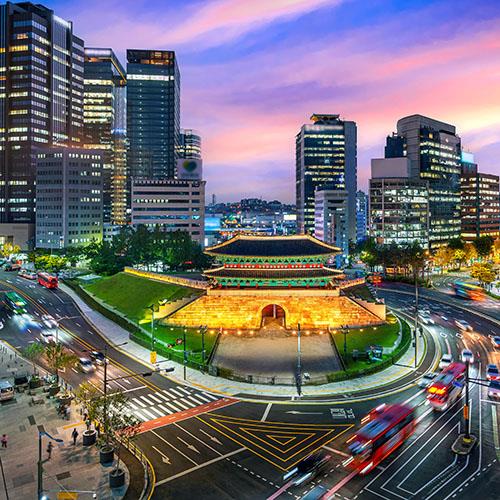
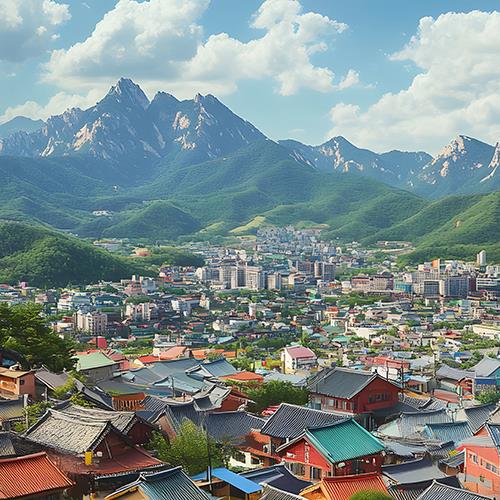
Seoul, the colorful capital of South Korea, is located in the northern part of the South Korean peninsula. Although South Korea is modest in size, Seoul itself is home to over 10 million people, making it one of the most populous and energetic cities in Asia. Nestled among mountains, this vibrant metropolis offers a rich blend of history, culture, and modernity.
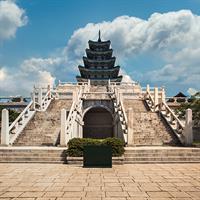
Famous for its culture, cuisine, art, and nightlife, Seoul truly has something for everyone. Visitors can wander through centuries-old palaces like Gyeongbokgung, stroll along the historic Seoul City Wall, or explore the traditional hanok homes in Bukchon Village. For a more immersive cultural experience, markets like Namdaemun and Insadong offer a glimpse into daily life with handcrafted goods, souvenirs, and local delicacies.
Food lovers will be in heaven sampling iconic dishes such as kimchi, bibimbap, and Seoul’s famous fried chicken from bustling street vendors. As the sun sets, the city transforms into a nightlife haven, filled with lively bars, trendy clubs, and late-night eats that keep the energy going well into the early morning hours.
Things to see and do
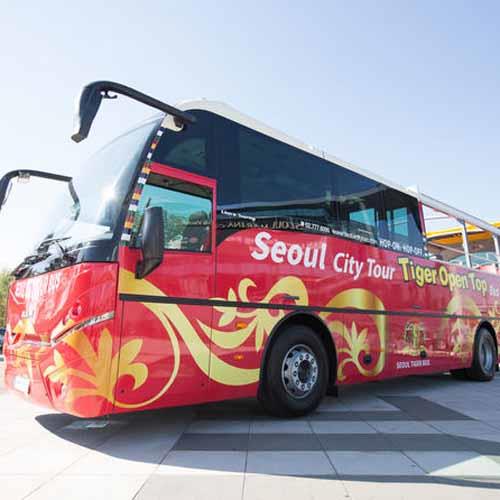
Get Acquainted with the city by taking a hop-on-hop-off tour. A double-decker bus will transport you around the city to some of the most popular tourist attractions such as Changgyeonggung Palace, Deoksungung Palace, The War Memorial of Korea, Myeongdong, Hanok Village, and N Seoul Tower.
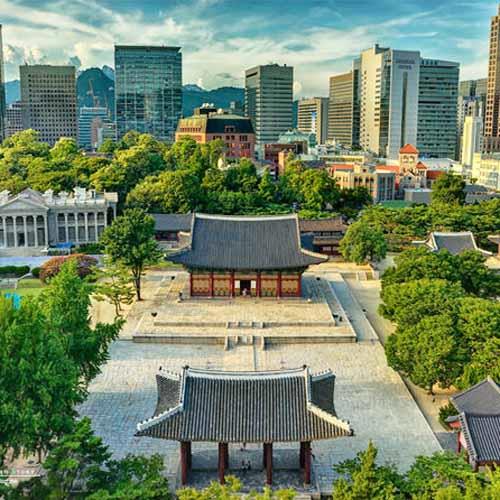
Visit the Five Grand Palaces in the city, Deoksungung Palace, which sits in the heart of Seoul. A famously elegant palace that has been a royal residence since 1611. Check out the medieval architecture and wander through the western-style gardens that surround the palace. The changing of the guard ceremony can be viewed here at 11:00 am, 2:00 pm, and 3:30 pm daily.
Head over to the neighborhood of Insadong to enjoy the eateries and shopping. This area covers 31.4 acres with a maze of alleyways that connect you to antique shops, galleries, quaint cafes, and restaurants. It’s one of the best places to enjoy traditional Korean cuisine served at the many street food stalls. Other buildings in this area worth visiting include the Jogyesa Buddhist temple, Jongno Tower, and Unheyoen Palace.
Make your way down to the Han River in downtown Seoul, where the Banpo Bridge connects Seocho to Yongsan. Cross the river and stroll around Banpo Hangang Park, which sits on the southern edge of the river. Here, you can enjoy magnificent panoramic views of Seoul. You can also rent bicycles and take a ride around the park, down alongside the river, where you can stop at lookout points situated at the southernmost end of the Dongjak Bridge.
In the evening, the Banpo Bridge is transformed into a dazzling illuminated fountain, the Moonlight Rainbow Fountain. It is the longest bridge fountain in the world with over 380 water jets and more than 10,000 colorful lights that jet off the bridge, accompanied by music, which can be viewed every 20 minutes (April - Oct) daily beginning at 7:30 pm.
Visit the 63 SQUARE skyscraper, situated on Yeouido Island overlooking the Han River. Take the glass elevators up to the observation decks and enjoy some of the most breathtaking views over the city. There are a few restaurants in the building, one being the Buffet Pravillion, which is the largest buffet-style restaurant in the nation. This is a great place to dine in the evenings as you overlooking the twinkling lights of the city at night. There is shopping on the lower floors of the building.
Explore the War Memorial of Korea. This fantastic museum features six indoor exhibition rooms with over 33,000 artifacts, an outdoor exhibit showcases military planes, helicopters, tanks, and missiles. The Honor Guard Ceremony is held here daily, and tours are available at 10 am and 2 pm.
Close by is the National Museum of Korea, which is the largest museum in Asia and one of the most visited museums in the world. On display here are cultural and historical artifacts spread throughout different exhibitions, which are housed in a 3-story building along with gardens, parks, pagodas, and waterfalls in the grounds that surround the museum.
Wander the Namdaemun Market, the oldest and largest traditional market in Korea. Sprawling 16 acres with over 10,000 street stalls and stores that fill the pedestrian streets. This is a great place to grab a meal at Restaurant Alley, which is known as one of the 10 greatest street food area’s in Asia. Try some traditional kalguksu noodles, bibimbap (rice, meat, and vegetables,) or sujebi (dough and shellfish soup).
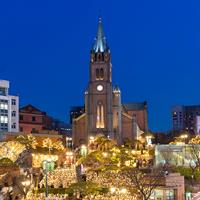
Pay a visit to the Myeongdong Cathedral, an elegant Gothic-style cathedral with a bell tower that stands at 147ft tall. Check out the interior floor plan, which features a Latin cross design, vaulted ceilings, and stained glass windows.
Take a hike up the Nansan Mountain; this symbolic mountain is surrounded by Namsan Park. You can hike to the top of this 860-foot-tall mountain or glide up on the Namsan cable car. At the top, there are plenty of attractions to enjoy, including the Maritime Aquarium, Namsan Library, as well as hundreds of temples, shrines, and pagodas nestled in the mountain and the park. Take a scenic walk in this green oasis with spectacular panoramic views of the bustling city below.
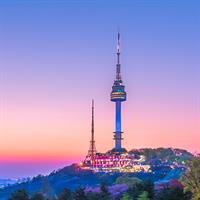
Visit the symbolic N Seoul Tower, also located on top of Namsan Mountain. Head up the 774ft tower to one of the four observation decks, this is a great place to watch the sun set with stunning 360-degree views and the Reeds of Light and Shower of Light shows in the evening. Head to the 2nd floor of the N Plaza on the Roof Terrace, where you can find Locks of Love, where people come to hang locks on the fence, as it is said to symbolize eternal love. There are many restaurants in the tower to enjoy international and traditional Korean-style cuisine.
Discover Bukhansan National Park, located at the northern edge of Seoul and home to Bukhan Mountain, the city’s tallest peak. The park boasts four majestic summits - Baegundae, Insubong, Mangyeongdae, and Bukhan - and spans 50 square miles, stretching from Seoul into Gyeonggi-do Province. Hike scenic trails through lush forests teeming with wildlife, where clear rivers and streams flow through serene valleys. Along the way, find peaceful Buddhist temples and hidden shrines nestled within the greenery. It’s the perfect place to escape the city and reconnect with nature in one of Seoul’s most beautiful outdoor spaces.
Stop at The Bukchon Hanok Village. This is a traditional Korean village that features quaint ‘hanok’ (wooden houses) on ancient narrow streets that date back to the Joseon Dynasty. This picturesque village takes you back in time, with a deep cultural history that dates back over 600 years.
Explore the Gyeongbokgung Palace, it was the first royal palace of the Joseon Dynasty and is the largest and grandest of the Five Grand Palaces in Seoul. This palace is one of the most visited sites in the city and a historical landmark with spacious walled grounds that are filled with beautiful gardens decorated with pavilions.
Shopping
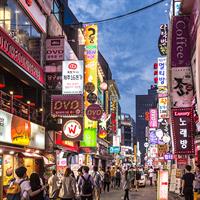
The shopping in Seoul offers a mix of modern trends, luxury, and traditional. Fashion districts such as Myeongdong, Gangnam, and Hongdae cater to every style and budget. Myeondong is a lively hotspot for beauty products and trendy clothes of Korea, while Gangnam offers more upscale boutiques and sleek malls like COEX. Hongdae is known for is youthful, artsy vibe with indie fashion and vintage shops.
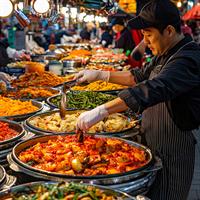
The Markets of Seoul offer a more traditional experience. Namdaemun Market is Korea’s largest and oldest market. Gwangjang Market is where you’ll find textiles, hanbok (traditional clothing), and authentic Korean street food.
Seoul also features world-class shopping malls such as Lotte World Tower & Mall, home to luxury brands and panoramic city views, and Dongdaemun Design Plaza (DDP), a late-night fashion haven ideal for bargain hunting. For unique, cultural finds, explore Insadong, where traditional Korean crafts, pottery, and antiques line the streets. You’ll also find hidden gems in underground shopping centers at subway hubs like Express Bus Terminal and Gangnam Station, offering affordable fashion and accessories. Whether you're after designer labels, indie trends, skincare, or souvenirs, Seoul offers a vibrant and unforgettable shopping experience.

Dining
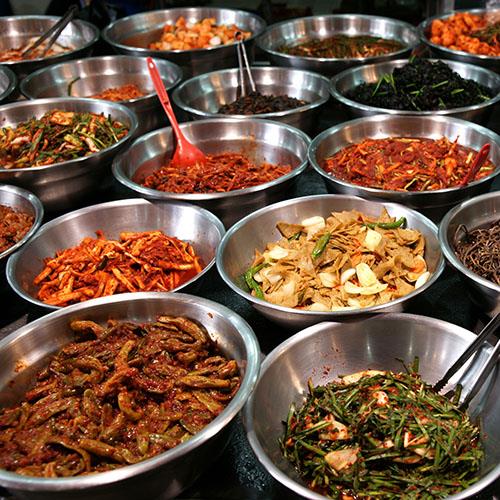
Food and dining in Seoul are an essential part of the city’s culture. The city offers a delicious mix of traditional Korean cuisine, modern fusion dishes, and international flavors. Street food is a must-try! Neighborhoods like Myeongdong and Gwangjang Market are packed with vendors selling local favorites such as tteokbokki (spicy rice cakes), hotteok (sweet pancakes), kimbap, and Korean fried chicken.
Restaurants in Seoul offer everything from mom-and-pop eateries to sleek, upscale restaurants with refined interpretations of Korean classics. Korean BBQ is a highlight here, beef or pork right at your table, typically accompanied with a side dish. Traditional Korean restaurants feature seasonal ingredients and specialties. Cafes and dessert spots are also a large part of the food scene in Seoul; these range from small coffee houses to themed cafes serving bingsu (shaved ice) and artisanal pastries. You can also find international cuisine that includes everything from Italian to Japanese options.
Nightlife
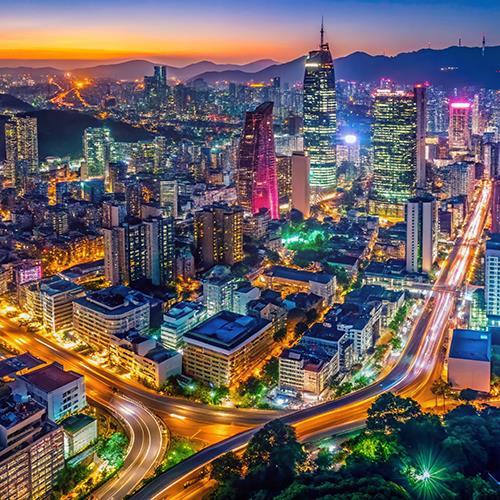
Seoul’s nightlife offers something for everyone with lively nightclubs, cozy bars, or late-night strolls with snacks and city lights. The bars and clubs are located in the nightlife district of Gangnam, Itaewon, and Hongdae. Gangnam is famous for its glitzy nightlife, filled with massive skyscrapers and thousands of colorful billboard signs. It’s upscale and trendy, with exclusive clubs and rooftop lounges. The Itaewon area is mostly international, known for its diverse bar scene, LGBTQ+ clubs, and expat-friendly vibes. Hongdae offers a more youthful vibe with quirky cafes, live music bars, and dance clubs.
Seoul has a strong soju and beer culture. Locals love ”sooljip” (drinking houses and “pojangmacha” (street food tents). Popular drinking spots often include noraebang (karaoke rooms, craft beer bars, and makgeolli (rice wine) pubs.
Seoul is considered a city that never really sleeps. You’ll find many after-hours eateries serving up local favorites, 24-hour cafes, and dessert spots open into the wee hours.