


Destinations
❮Main Menu
Top Portuguese Wine Regions

Porto
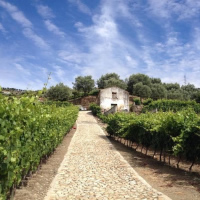
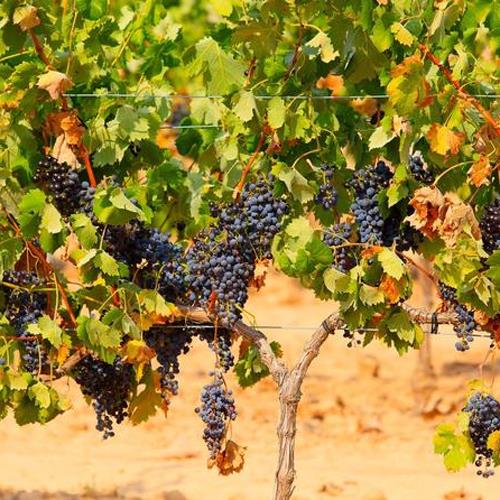
The Douro wine region stretches along the Douro River banks from Portugal’s border with Spain to a small town named Mesao Frio. The valley region is bordered by a long mountain range with steep slopes of schist and granite and grapevines that sink deeper than 50 feet to find nourishment. Port is the most famous and copied wine of Portugal which grows in the Douro Valley, the entire region here is a UNESCO World Heritage Site with wines that have been worked by hand since the time of Jesus. Douro Valley is the oldest wine region in the world, globally recognized as an iconic region of wine production and home to Port Wine.
This enchanting valley is a mystical place to visit, the geographical features here create the perfect climate for producing unique wines including full-bodied reds and crisp light-bodied whites. The dramatic scenery of the region is a paradise for grape lovers, Porto is an unmissable stop packed with amazing things to see and do. The wild untamed valley is filled with wine terraces that creep up the slopes. Porto sits on the river filled with authentic character and classic Portuguese culture with fantastic restaurants and wine cellars to explore. There are full-day wine tours of the Douro Valley with tastings including the iconic Port Wine, there are also some fun river cruises in the region, where you can enjoy the scenic surroundings and sample different wines.
The Douro Valley features a hot, continental climate where popular DOPs are produced, the ones produced here in Douro and Porto are the most noted overall. The Duomo River and the sunbaked landscapes here nourish the grapevines and olive trees in this region. There are stunning wine estates scattered throughout the region with family-owned vineyards such as Quinta de Santa Eufemia, just an hour’s drive from Porto, the estate is known for its warm hospitality, and stomping grapes by foot - the traditional way! Quinta do Pego is a stunning hilltop estate that offers hotel accommodations and serves award-winning Port Wine, there is a swimming pool on-site with incredible views.
There are many popular wines to try in the Douro Valley region including the sweet port wines, specifically LBV Port, Tawny Port, and Vintage Port wines. These wines are made from blending “port grapes” that include Touriga Franca, Touriga Nacional, Tinta Roriz, Tinta Barroca, and Tinto Cao to name a few. There are also white and pink ports such as Rose Port which makes for a great summer cocktail when mixed with tonic. Douro Branco is a light-bodied white wine that is crisp, minerally white wines that have minimal fruity flavors, a subtle flinty note, salinity, and high acidity. These can be a little harder to find in the region but some of the popular ones to look for include white Port varieties of Rabigato, Viosinho, Gouveio, and Folgazao. Full-bodied red blends such as Tinto Trasmontano can be found over the mountains from the Douro in the small Tras-os-Montes wine-producing region.
Sintra
Nestled in the Sintra Mountains on the west coast of Portugal just west of Lisbon, The Colares wine region is one of the oldest producing areas in the world. It is the oldest demarcated wine region in Portugal after the Douro, wine was first produced here by the Romans with vines planted in the dunes that creep up the coast. The terrain in this region is challenging, the wines here are very popular, however, the process involved in planting and training vines in such an alien environment has lead to a drop in production over the years with nearly 2,500 acres of vineyards available in the 1940s to only 50 acres today.
Colares is the smallest still-wine producing region in the country, the wines produced here are of excellent quality and are quite distinctive in flavor. The red wines of the region are acidic and tannic and are aged for years before being released to see. Many new vines are being planted to revitalize the industry and support the high demand from tourism. The region boasts a very special microclimate with a mysterious fog that allows the growth of rich and exuberant flora. The wines here are produced from native grape varieties such as Ramisco (Tinta), and Malvasia de Colars (Branca).
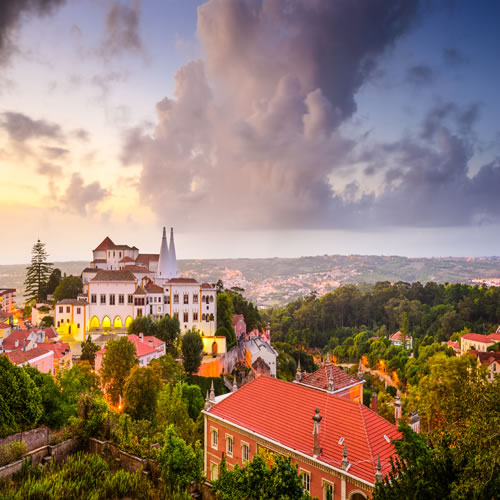
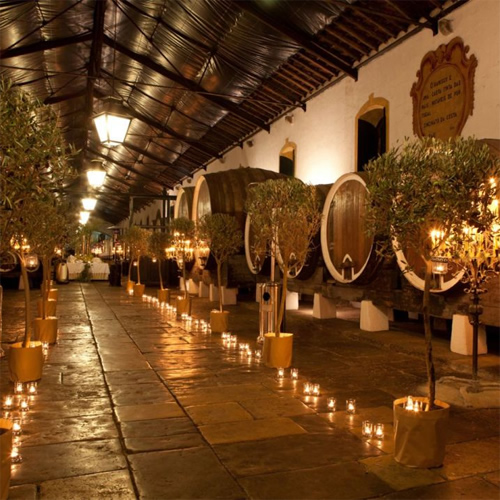
Sintra is a historic town with plenty of things to see and do including Pacio de Pena, a sort of fairy tale castle nestled on the peaks of the Sintra Mountains. The wines here creep up along the sands and are trained low to avoid the biting wind blowing from the Atlantic. The wine region is spread over a narrow stretch of land west of the Sintra area, where the royal families of Portugal would visit to escape the hot Lisbon summers. Much of the vineyards here were lost in the 1960s and 70s to suburban expansion. There are many fantastic wine tours of Sintra where visitors can visit the grand castles in town, explore the Cascais Mountains and great outdoors, as well as visit the great wine cellars of Adega Regional de Colares.
The historic district of Colares produces some of the most distinctive still wines in all of the country, with magnificent reds made from ramisco grape that is high in acidity and have a powerful tannic. These wines are aged for years in cellars before they are released, the current vintage here on the market is from 2007. Ramisco is the main local variety here along with other rare grapes and wines that benefit from the warm, salty air and sandy soils. Colares is a unique and fascinating destination that should be part of every wine tour in Portugal. Sample some of the finest wines in all of Europe, in one of the oldest denominated wine regions in the world.

Braga
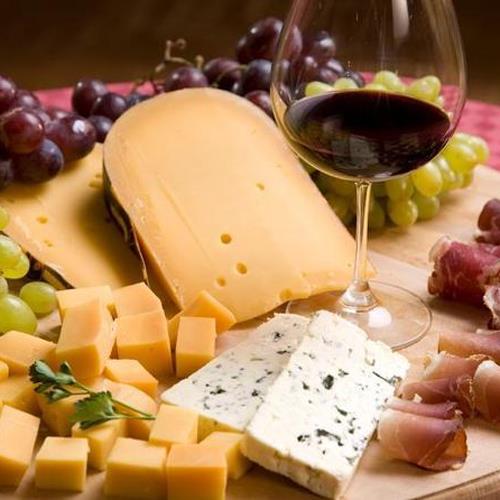
Braga is Portugal’s third-largest city, an elegant city in the far north, northeast of Porto known for its religious heritage and festivals, particularly Semana Santa (Holy Week). Braga is part of Minho’s six sub-zones which also include Moncao, Lima, Penafiel, Basto, and Amarante; this entire region is referred to as “Costa Verde” or the green coast with the lush, verdant countryside. These cities are some of the most charming and feature a deep history, Minho is the northernmost wine region in the country, known for one style above all others, “Vinho Verde” the crisp, light white wine with a hint of fizz. Vinho Verde literally translates to “green wine” or “young wine” and can be sampled along Miho’s Green wine trail where there are plenty of gorgeous wine estates like Quinta da Aveleda which is known for its romantic setting complete with ruin-filled gardens and vineyards, or Quinta de Soalheiro with its award-winning Alvarinho wines.
Minho is home to around 60,000 hectares of vineyards, many dedicated to Vinho Verde the country’s largest DOC. The key grape varieties found in white Minho wines include the natives like Alvarinho, Avesso, Loureiro, Pederna, and Trajadura. The red varieties including Alvarelhao, Azal Tinto, Espadeiro, and Caino Tinto. The land in Minho is so prolific for agriculture based on its close proximity to the Atlantic ocean, it features lush landscapes and rain-bearing winds that blow in from the ocean and enable the vineyards to produce much higher yields. The wine region in Minho is named after the River Minho, which rises in the hills of neighboring Galicia and forms the border between Spain and Portugal. The famous Douro River bisects the southern portion.
The climate in Minho is cool and rainy, and the land here is almost entirely on an elevated granite plateau that is transversed by rivers. Vinho Verde was first demarcated as a wine region in 1908 and later became a DOC in 1984. The coastal influences in Minho heavily influence the cuisine in the region, with nearly everything in the ocean being offered on menus, fresh fish, seafood, and a plethora of agricultural goods from the verdant countryside, all of these pair perfectly with the local wine.


Evora
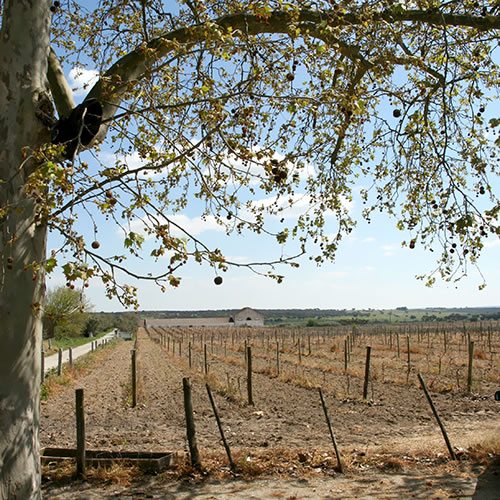
The Portuguese wine region of Evora is centered around the charming town of Evora in the Alentejo region. The region became one of eight subregions of the Alentejo DOC in 2003 and in some places still named Alentejo-Evora. The region is known for its full-bodied red wines that boast a creamy texture and the principal grames in Evora include Aragonez, Arinto, Periquita, Rabo de Ovelha, Roupeiro, Tamarez, Tinta Caida, and Trincadeira.
The Alentejo region was elected as the best wine region to visit in the world by USA TODAY. The region covers a vast area, one of the largest in Portugal, offering delicious food and world-class wines along with extraordinary wineries to visit. The Herdades and Quintas wineries are part of the region’s culture and identity, both are a must-visit when visiting the Alentejo region. Enjoy an amazing wine experience by visiting the Tasting Room in Evora, located near the cathedral, where you can begin your Alentejo Wine Route adventure that leads you through the serene roads of the region to discover multiple vineyards to learn about wine and sample tastings.
The Wine Museum of Redondo (Museu do Vinho de Redondo) is a great location to learn the secrets of Enotourism in Alentejo. The Vine and Wine Festival is held annually in Borba, another well-known town with a deep wine tradition. Alentejo is home to some of the best wines, dominating the top 10 of whites and reds in Portugal, repeatedly winning awards for the best national wines. The Alentejo wine region is the leading region in the Portuguese wine market with over 40% of the market share in volume and value.
To visit some of the best and most inviting wineries in the Alentejo wine region and taste some of the best wines along with the most amazing views then your wine experience should include Adega Cartuxa located in Evora in the heart of Alentejo. There are guided tours of the wine cellar, food and wine tastings, and beautiful grounds with rich architecture and history that can be seen in the Cartuxa Monastery which sites right next to the winery dating back to the 16th century. The Cartuxa Cellar - Quinta Valbom is now one of the stage centers of the wines produced by the Eugénio de Almeida Foundation.
The excellent, renowned mature wines from Alentejo are among the richest in the land, even connoisseurs say that these are probably the best wines in the world. Sip on delicious whites, roses, and reds that are round, full, and soft with a strong aroma. The region white wines DOC is distinguished for being slightly acidity with a tropical fruity aroma, Red Alentejo wines are full-bodied, rich in tannins with aromas of wild and red fruit. Wines in the Alentejo region can be enjoyed all day long and all over, restaurants know how to pair wines with delicious meals, Wine Bars are a great place to sip and relax in the middle of the day, and hotels offer some great wine specimens as well.
Lisboa
The wine regions of northern Portugal are some of the most varied and dynamic regions in the country, a strip that stretches from Lisbon and heads north along the coast. There are many wines here that come from various regions in Lisboa (Alenquer, Bucelas, Colares, Arruda) that are selling internationally and are very affordable, great for the everyday wine drinker. Lisbon is home to some fantastic wine estates, many found just outside the popular capital city in the Lisbon region that covers a large area. Lisbon’s wine estates produce award-winning wines and provide wine lovers with a unique experience, with unprecedented views along the scenic Atlantic Ocean Coast on the drive there.
The Vinhos Verdes verdant wine region is nestled in Northern Portugal where Vinho Verde, the wine loved by the Portuguese is produced. The region is one of the oldest and largest wine regions in the entire world, Vinho Verde is a wind loved throughout the country and is the second most-consumed wine in Portugal between Alentejo and Douro wines. Vinho Verde’s are said to have come up in the 19th century, it has existed for many years and adopted this name due to its freshness and the greenness of Minho’s landscapes. These wines are called “green” due to the use of young grapes used in their production, and a complex combination of other factors such as the climate, local viticulture techniques, the height of the vineyards, and the watering all affecting the ripeness of the grapes.
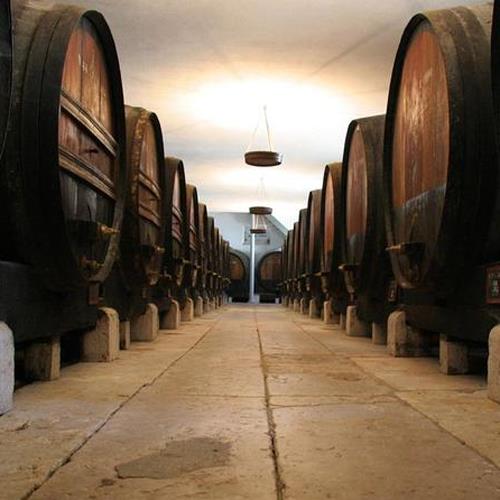
The Great Lisbon area comprises nine wine-producing regions, each one is different from the next. Quinta do Gradil has a long and strong tradition of wines that have been around for centuries, this is one of the oldest estates in the Lisbon region dating back to 16th century. The estate is just 31 miles from the city and boasts a spectacular location nestled between the sea and the mountains. There are several exciting experiences to enjoy here for the wine lovers, explore the verdant vineyards, visit the mill, the aqueduct, and the chapel, dine on delicious cuisine at their restaurant and sip on some of the best wines in Portugal.
Some of the most popular wines produced in the Greater Lisbon region are Alenquer high tannin red wines, Bucelas are light-bodied, citrus white wines, Arruda full-bodied reds including international grape varieties, Colares a rare find, full-bodied white wine, Obidos and Louriha is a light-bodied aromatic white, and Torres Vedras are simple refreshing low alcohol whites.

Madeira
Madeira is the largest of a three-island archipelago west of North Africa known as “The Pearl of the Atlantic”. These Portuguese Islands were discovered in the 15th century and Prince Henry the Navigator order the planting of Malvasia grapes from Greece, the region is said to be the root of the Portuguese wine industry. Madeira is a place of vineyard cultivation, and Madeira wine is the best example, showing unusual qualities and features like longevity, and was considered by most European courts as very elegant wine. The production of Madeira’s white, red, and rose wines gained international recognition in 1990 and led to the creation of the Designation of Origin of Madeira.
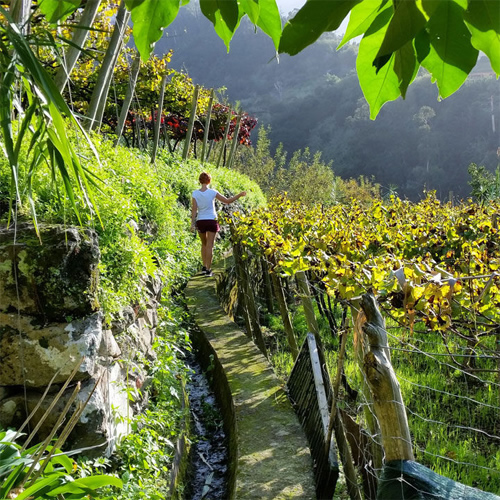
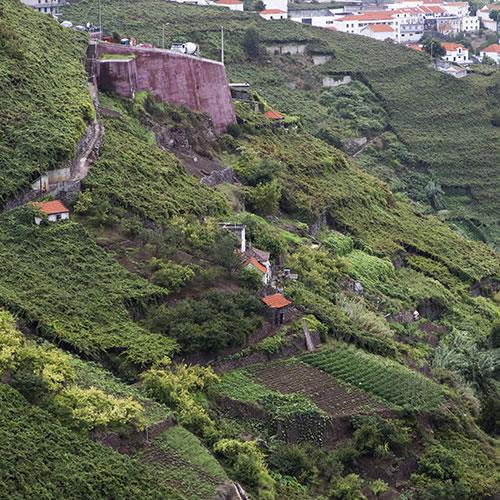
Madeira gives its name to one of the world’s great fortified wines, and both the wine and the island hold unique places in the history of winemaking. All of the fortified wine that comes from the island is now produced under the Madeira DOC, with table wines sold under the VR (Vinho Regional) title Terras Madeirenses. The microclimates in the region vary with some drier areas and other more humid areas, Madeira boasts mild temperatures and ocean winds. The relief on the island is very irregular, so vineyards here must be terraced in “poios” to grow along the mountainous slopes and deep valleys. The soils are volcanic and very fertile.
Some of Madeira’s noble white wine varieties include Sercial, Verdelho, Boal, and Malvasia, they are vinified to provide a different degree of sweetness, and are marketed mainly by dry, medium-dry, medium-sweet and sweet. Tinta Negra is a red variety and one of the most widely planted varieties on the island which is easily adaptable, and able to fit the four styles of sweetness. The vineyards of Madeira cover a large portion of the landscapes of the region, it is the first palace that produced white, red, and rose Portuguese wines which gained international recognition.
High-quality Madeira wine is aged in large barrels then placed on trestles that are stored away for anywhere from 20 years to a century, in rooms heated by the sun. Deliberate oxidation is pivotal to various wine styles around the world, the practice has been very strongly associated with Madiera and became known as “maderization”.

Algarve
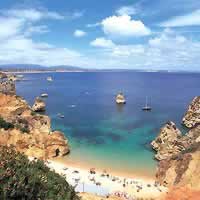
The stunning Algarve region overlooks the beautiful waters of the Atlantic Ocean boasting some of the best and most beautiful wineries in the world. The region is considered to be a tourist paradise in Portugal home to some of the world’s best beaches and top-notch golf courses. The Algarve region is also filled with rolling verdant hills and stunning vistas where an abundance of celebrated wineries are located. The Algarve region covers around 124 miles of coastline boasting golden sandy beaches, and sparkling waters with a Mediterranean climate with influences from the mountains of Espinhaco de Cao, Caldeirao, and Monchique the almost continuous mountain range that runs through the region from the Spanish border to the Atlantic coast. The mountains in the south protect the region from cold north winds and ensure a dry climate.
The Algarve was demarcated in 1980 and started to revitalize its wine sector in recent years, the region began by replanting varieties of grapes, modernizing wineries, and new methods of producing wine are continuously being practiced. Soaking up the sunshine, sights, and great wines of the Algarve is a great place to visit for a weekend destination. There are four distinct DOCs in the area (areas of protected designation of origin); Lagos, Portimao, Lagoa, and Tavira where over 2,000 vineyards and 30 producers are found.
The climate in the Algarve provides favorable conditions for growing grapevines, that produce high yields of fruit as well as dynamic flavors. The wines of the Algarve are predominantly red although three is a small quantity of fresh-styled white wines made here like Arinto and Siria. Classic Portuguese varieties such as Castelao, Negra Mole, and Touriga Nacional, as well as Syrah, are predominantly made here. Both the region’s red and white wines are characterized by very ripe fruit with velvety warm falvors with high alcohol content.
There are a number of producers that have recently popped up in the region that are bringing a host of new wines to the area. Monte da Castalaja is best known for its organic wines, their first grapes were harvested in 2004. Quinta Dos Santo is a winery and brewery located in the western Algarve that produced its first vintages in 2019 including a red, white, and rose. Quinta Dos Vales is one of the most popular wineries in teh region, that won the “Best Wine of the Algarve” seven out of the last 11 years. In addition to their vineyards, they also feature an open-air art gallery showcasing over 100 pieces. Quinta da Vinha produces Cabrita Wines a family-owned brand, they are one of the earlier wine producers in the region, they crafted their first bottles of traditional Algarve grapes in 1977. And they later cultivated new varieties of grapes that include Touriga, Nacional, Trincadeira, Aragonez, and Castelo. In 2007 they launched their own rose and new red wine.