


Destinations
❮Main Menu
UNESCO WORLD HERITAGE SITES IN CENTRAL AMERICA

Belize: Belize Barrier Reef Reserve System - Off the mainland from Belize City
The coastal area of Belize is an amazing natural system that is come to the largest barrier reef in the northern hemisphere, offshore atolls, several hundred sand cays, mangrove forests, coastal lagoons and estuaries. The system’s seven sites illustrate the evolutionary history of reef progression and are a crucial habitat for threatened species.
The reef extends from the border with Mexico to the north, to near the Guatemalan border to the south. The Belize submarine shelf and its barrier reef represent the world's second largest reef system (second only in size to the Great Barrier Reef in Australia) and the largest reef complex in the Atlantic-Caribbean area. Outside the barrier, there are three large atolls: Turneffe Islands, Lighthouse Reef and Glover’s Reef. The reef can be seen from the shore of Belize and is accessible by boat, about an hour away by water taxi from Belize City to either Caye Caulker or San Pedro.
.

Costa Rica: Area de Conservación Guanacaste - Guanacaste Beaches (Liberia)
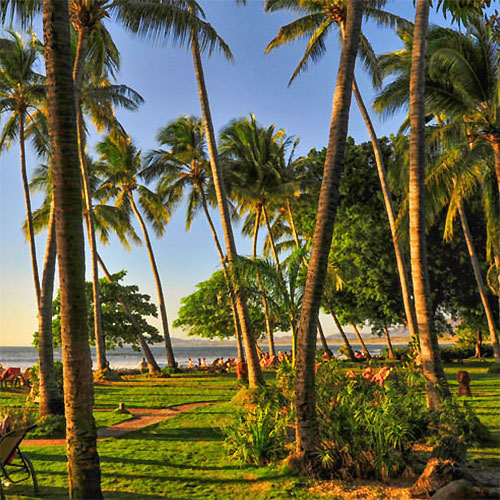
The Guanacaste Conservation Area comprises four national parks in the Northwest of Costa Rica. These parks are most notable for their rich natural habitats, as well as to recognize the conservation efforts to preserve the biological diversity that include endangered or rare animal or plant species that inhabit the area. There are also other, smaller protected areas as well which are included in the World Heritage Site. It is located in north-western Costa Rica and stretches 65 miles from the Pacific, across the Pacific coastal lowlands, over three tall volcanoes and down into the Atlantic coastal lowlands. The area includes the Guanacaste Cordillera and surrounding coastal and flatlands.
Rincon de la Vieja is the most popular volcano, which has three craters and one lagoon. There are over 30 rivers and 15 streams that originate in the vicinity of the volcano and flow into the Tempisque, a river of immeasurable importance for irrigation of agricultural land in the Guanacaste Province. The marine area is made up of various nearshore islands and islets (mostly uninhabited), open ocean marine zones, beaches, rocky coasts, and about 12 miles of sea turtle nesting beaches and a huge diversity of wetland ecosystems. The wetland forests are among the cleanest in Central America and worldwide.
Located 340 miles off the Pacific coast of Costa Rica, Cocos Island National Park is the only island in the tropical eastern Pacific with a tropical rainforest. It was declared a UNESCO site in 1997 due to its remarkable natural beauty and biological richness. Its position as the first point of contact with the northern equatorial counter-current, and the myriad interactions between the island and the surrounding marine ecosystem, make the area perfect for studying the biological processes. The underwater world of the national park is world famous for divers where they can view large pelagic species such as sharks, rays, tuna, and dolphins.
Costa Rica: Cocos Island National Park
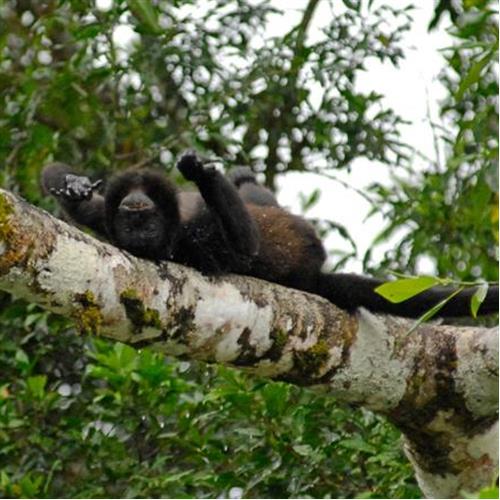
Located 340 miles off the Pacific coast of Costa Rica, Cocos Island National Park is the only island in the tropical eastern Pacific with a tropical rainforest. It was declared a UNESCO site in 1997 due to its remarkable natural beauty and biological richness. Its position as the first point of contact with the northern equatorial counter-current, and the myriad interactions between the island and the surrounding marine ecosystem, make the area perfect for studying the biological processes. The underwater world of the national park is world famous for divers where they can view large pelagic species such as sharks, rays, tuna, and dolphins.
Costa Rica: Precolumbian Chiefdom Settlements with Stone Spheres of the Diquís
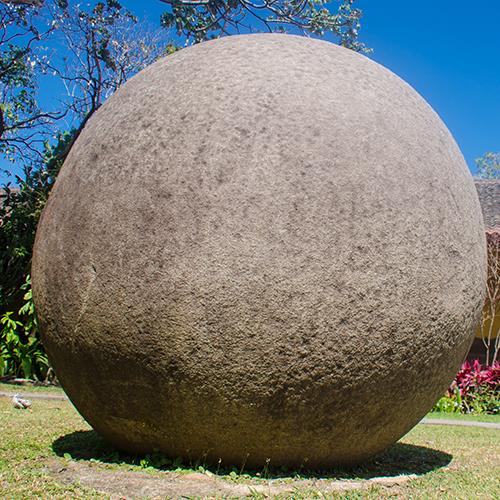
The Precolombian chiefdom settlements with stone spheres of the Diquis include four archaeological sites located in the Diquis Delta in southern Costa Rica. These mysterious stone balls are unique examples of the complex social, economic, and political systems of the period AD 500-1500, during which a hierarchical society developed in southern Costa Rica. The area contains artificial mounds, paved areas, and burial sites, and most significantly, a collection of stone spheres, whose meaning, use and production remain largely unknown. The stones are rare and distinctive for their perfection, number, size and density, and placement in original locations.
The Diqui sites had been abandoned following the Spanish Conquest, and were covered by thick layers of sediments and vegetation. They were rediscovered, and often damaged in the process, in the 1930s as the United Fruit company was clearing the jungle for banana plantations.
Guatemala: Antigua Guatemala
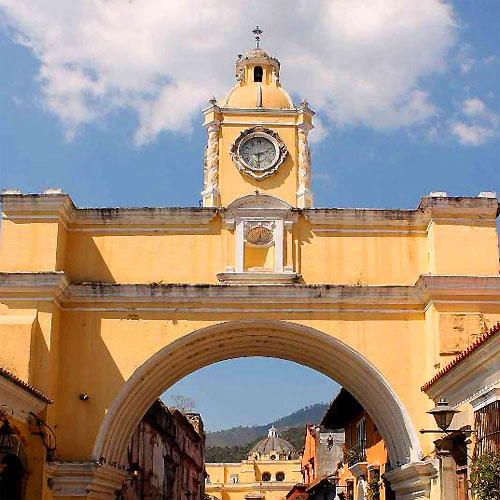
The former capital of Guatemala (antigua means ‘old’ in Spanish), Antigua was founded in the 16th century. Built 1,500 meters above sea level, it was largely destroyed by an earthquake in 1773 and later abandoned because the area was earthquake-prone. However, there are many monuments that are still preserved as ruins today.
The city is highlighted as a cultural gem in South America for its rare beauty, lively culture, and historical significance. All of these features of Antigua, Guatemala have earned it a name on the UNESCO list (1979), as well as make it a popular tourist destination.
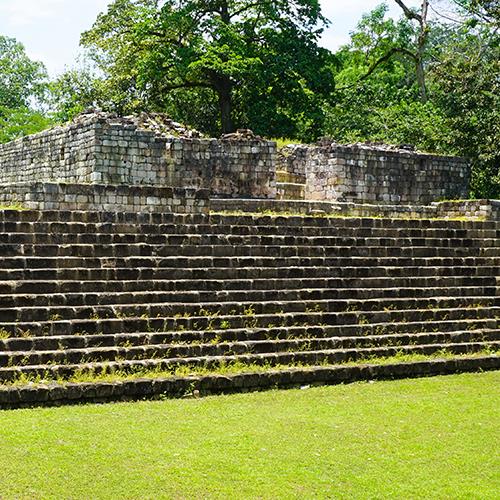
Guatemala: Archaeological Park and Ruins of Quirigua
The Archaeological Park and Ruins of Quirigua was inscribed as a UNESCO World Heritage Site in 1981. The site belongs to the Mayan civilization and dates back to the late Pre-classic to Early Post-classic period. Inhabited since the 2nd century AD, Quirigua had become, during the reign of Cauac Sky (723-84), the capital of an autonomous and prosperous state. The ruins of Quirigua retain an impressive series of stelae and sculpted calendars, partially deciphered, which constitute an outstanding and unique source of the history of the social, political and economic events of the Mayan civilization. Quirigua is significantly smaller than most sites, such as Tikal, Copan, or Coba. What buildings are left are not that large and it lacks the awe-inspiring pyramids of a Chichen Itza. In saying this, it does have one of the best collections of intact Mayan stele in the world. Not only are the stele in relatively good condition, but they are also the largest stele in the world. In fact, they are the largest pre-Columbia stone sculptures in the Americas.

Guatemala: Tikal National Park
Situated in the heart of the jungle, Tikal National Park is one of the major sites of Mayan civilization and one of the most significant heritage sites in the world, inhabited from the 6th century BC to the 10th century AD. Here you will find well preserved temples and palaces, and public squares accessed by means of ramps. Not only is it one of the most important Mayan sites in the world, but it is an important biosphere reserve as well. Rivers, lakes, swamps, and flooding savannas are important for biodiversity and for migratory birds. The reserve is the largest area of tropical rainforest in Guatemala and Central America, with a huge range of unspoiled natural habitats. This unspoiled natural habitat is home to more than 300 species of commercially useful trees, such as cedar, mahogany, ramon, Araceae, chicle, pepper, and others.
In the heart of this jungle, surrounded by lush vegetation, lies one of the major sites of the Mayan civilization. The ruined city reflects the cultural evolution of Mayan society from hunter-gathering to farming, with an intricate religious, artistic and scientific culture which finally collapsed in the late 9th century. At its height, AD 700-800, the city supported a population of 90,000 Mayan Indians. There are over 3,000 separate buildings dating from 600 BC to AD 900, including temples, residences, religious monuments decorated with hieroglyphic inscriptions and tombs. Excavations have yielded remains of cotton, tobacco, beans, pumpkins, peppers and many fruits of pre-Columbian origin. Large areas are still to be excavated.
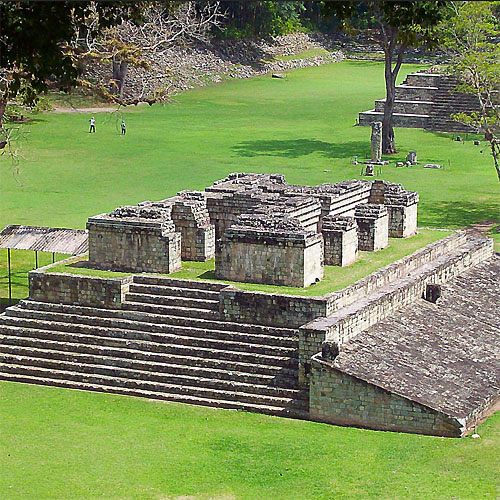
Honduras: Maya Site of Copan
The Maya Site of Copan is considered as one of the most remarkable cities to come out of the Mayan civilization. This is a ruined complex that was built somewhere between 400 and 800 AD. This site has been known since the early 19th century but excavations only began in 1975. The city of Copan is made up of a main complex of ruins with several secondary complexes encompassing it. The main complex is composed of the Acropolis and important plazas. Among the five plazas are the Ceremonial Plaza, with an impressive stadium opening onto a mound of several richly sculpted monoliths and altars.
The research studies have indicated that the Maya Site of Copan was abandoned after it suffered from instability in 800 AD. The constant droughts caused destruction to the vital crops in the area, therefore the residents abandoned the city. To this day, there is little known about the rulers of the old city of Copan. Excavations are still ongoing at the site in an effort to further investigate the mystery behind this lost city.

Honduras: Río Plátano Biosphere Reserve
Located on the watershed of the Rio Platano in the region of La Mosquitia, The Rio Platano Biosphere Reserve encompasses both mountainous and lowland tropical rainforest. It is full of diverse wildlife and varied plant life, along with endangered animals like the Giant Anteater, Ocelot, and Jaguar. Miskito and Paya Indians still live in the forests. They are responsible for stone inscriptions and petroglyphs.
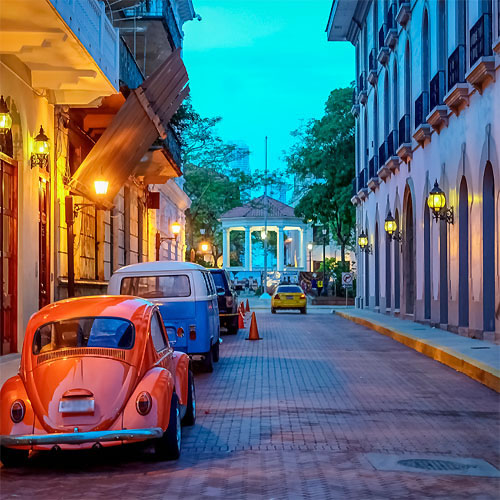
Panama: Archaeological Site of Panamá Viejo and Historic District of Panamá
Founded in 1519, Panama City is the oldest European settlement on the Pacific coast of the Americas. The city was hit many hard times – slave rebellion, fire, and an earthquake, before being destroyed in a pirate attack in the 17th century. The original site was laid out on a rectilinear grid and makes the transference from Europe of the idea of a planned town. The city, after being abandoned in the 17th century, was replaced by a ‘new town’ (the ‘Historic District’), which has also preserved its original street plan, its architecture and an unusual mixture of Spanish, French and early American styles.
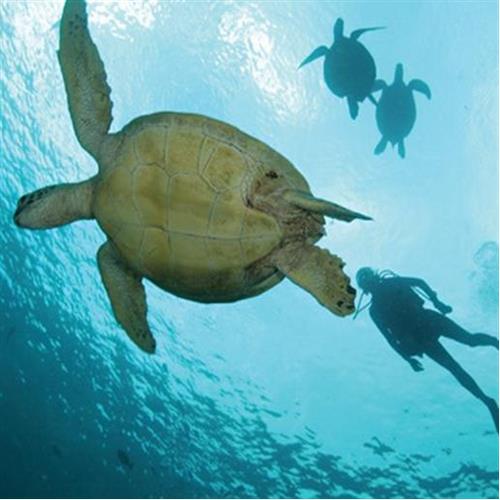
Panama: Coiba National Park and its Special Zone of Marine Protection
Coiba National Park, off the southwest coast of Panama, protects Coiba Island, 38 smaller islands and the surrounding marine areas within the Gulf of Chiriqui. Sheltered from the cold winds and effects of El Niño, Coiba’s Pacific tropical moist forest maintains exceptionally high levels of endemism of mammals (one of the last relics of tropical moist forest in the region), birds and plants due to the ongoing evolution of new species. The marine zone is home to 760 species of fish, 33 shark species, and 20 cetacean species.
Panama: Darien National Park
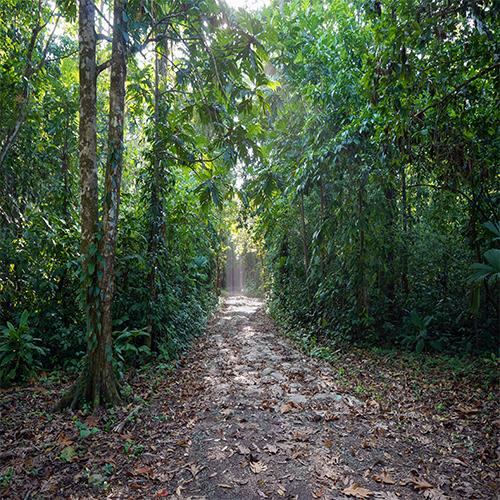
Darien National Park is one of the most species-rich highland and lowland rainforests in the world. Forming a bridge between the two continents of the New World, the park contains sandy beaches, rocky coasts, mangroves, swamps, and lowlands and upland tropical forests. Because of the remarkable biodiversity, and with two Indian tribes living in the Park, it is culturally rich.
Panama: Fortifications on the Caribbean Side of Panama - Portobelo-San Lorenzo
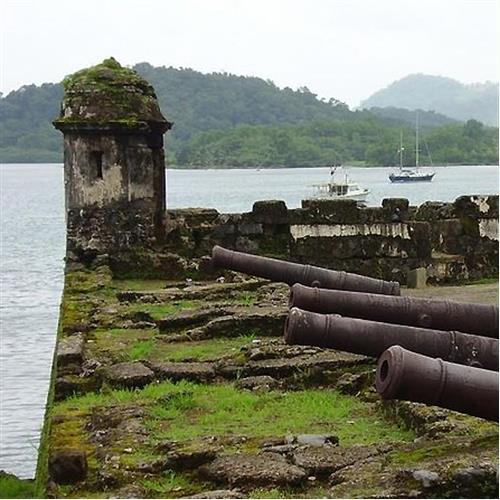
The Fortifications on the Caribbean Side of Panama form part of the defence system built by the Spanish Crown to protect transatlantic trade. They are a remarkable example of 17th and 18th century military architecture. The forts, castles, barracks, and batteries of Portobelo created a defensive line around the bay and protected the harbor; the works at San Lorenzo guarded the mouth of the Chagres River.
Panama: Talamanca Range-La Amistad Reserves / La Amistad National Park
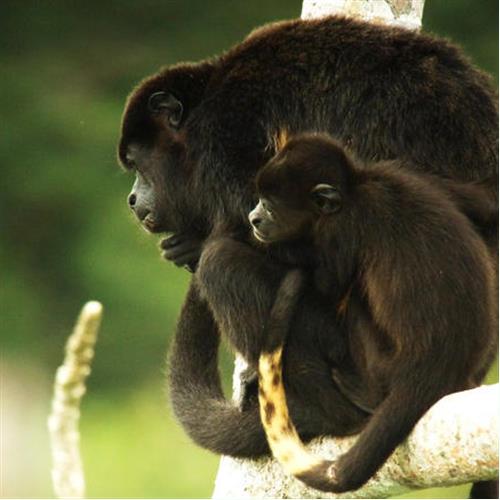
The park is situated in the foothills and mountains of Cordillera de Talamanca between the Las Vueltas, Cartago, and Echandi mountain ranges on the Costa Rican border. The Cordillera de Talamanca is the tallest and widest non-volcanic mountain range in Central America. It was formed by the folding of the Earth’s crust and uplifting activity that created the land between the Pacific and the Caribbean.
Tropical rainforests have covered the area since the last glaciations, about 25,000 years ago. The park is home to a lowland tropical rainforest and cloud forest, as well as four communities not found elsewhere in Central America: subalpine paramo forests, pure oak stands, lakes of glacial origin, and high-altitude bogs. The park also includes five altitudinal zones found in the tropics. Most of the main crest lies in the mountain rainforest, characterized by an oak forest. The Talamanca Mountains contain the largest tracts of virgin forest in Costa Rica. The paramo, located on Mount Kamuk, contains the richest and most varied vegetation in the entire Talmanca Range and is the only one in Costa Rica that shows no signs of human intrusion.
ADDITIONAL UNESCO WORLD HERITAGE SITES IN CENTRAL AMERICA
El Salvador: Joya de Cerén
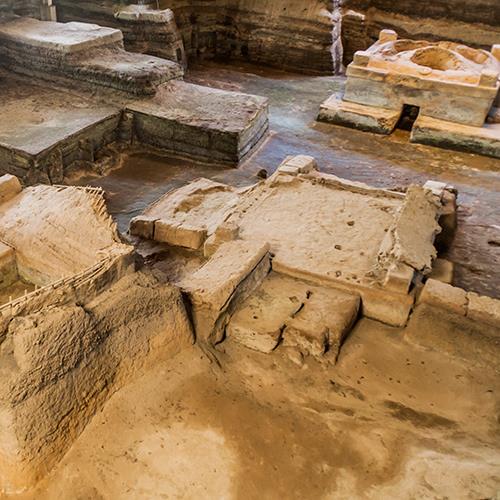
Joya de Cerén, an archaeological site and recognized as a UNESCO World Heritage Site, is located in El Salvador. It is highly regarded for the completeness of the evidence that it provides of everyday life in a Mesoamerican farming community of the 6th century AD. It is a pre-Hispanic farming community that, like Pompee and Herculaneum in Italy, was buried under a volcanic eruption about 590 AD. Although a warning earthquake apparently gave residents time to flee, the volcanic layer of ash remarkably preserved their personal belongings, from garden tools and bean-filled pots to sleeping mats and religious items, essentially freezing the agricultural village in time. For this reason, the site is perfect for researchers to study since it is set in the same way it was during the time when the village was still inhabited. Visiting the Joya de Cerén is an excellent way to gain insight into the daily lives of the Central American peoples who worked the land at that time.

Nicaragua: Leon Cathedral
Built between 1747 and 1814 to the design of Guatemalan architect Diego Jose de Porres Esquivel, the church expresses the transition from Baroque to Neoclassical architecture with Greek and Roman influences. It is the largest Cathedral in Central America and, since 1531, one of the oldest dioceses in the Americas. The interior offers an abundance of natural light, and the vault of the Sanctuary features rich ornamentation. Inside, discover the works of art including a wooden Flemish altarpiece, and paintings of the 14 stations of the Way of the Cross by Nicaraguan artists Antonio Sarria.
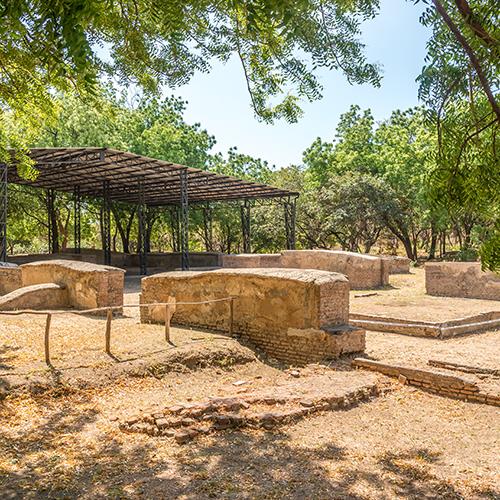
Nicaragua: Ruins of León Viejo
Leon Viejo is one of the oldest Spanish colonial settlements in the Americas. The ruins of this former provincial capital were re-discovered in 1967. They have become a remarkable source of information about life in the early stages of the Spanish colonial period. It has been uniquely preserved because it did not develop further. The town was abandoned after an earthquake in 1610. Notable buildings of the ruins include a Cathedral, a Convent, the Royal Foundry, and several private houses.