


A Sampling of Food Cities in Vietnam
Ho Chi Minh
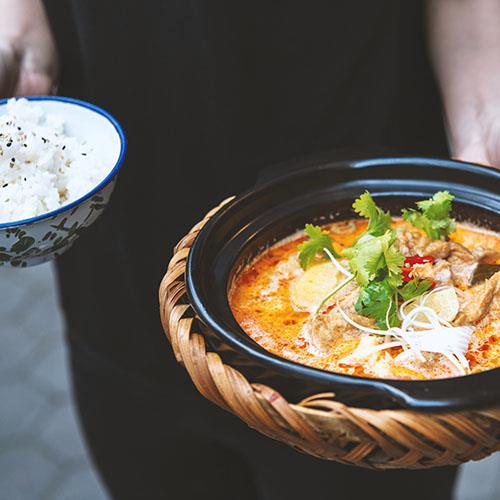
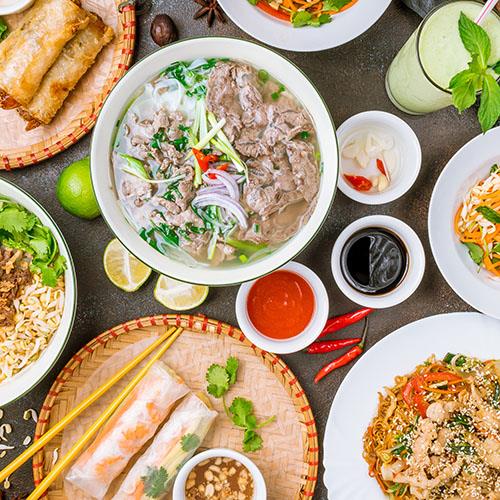
Dining in the exciting and exotic city of Ho Chi Minh or “Saigon” is one of the top things to do. The sprawling city is well known for its culinary diversity with some delicious local food and some of the best street food in the country. Dishes in Ho Chi Minh are delicious, savory, nutritious, hearty delights with some of the main staples being rice, noodles, seafood, pork, and beef along with a variety of fresh herbs and spices. Cooks in the city use a wide array of cooking methods making meals full of robust flavorful dishes with unique interpretations, Vietnamese pho is a popular menu item made with delicious fresh ingredients.
There are plenty of dining options in the city with busy shopping mall food courts, fine dining restaurants, luxury hotels, vibrant street markets, street food carts, and roadside eateries where authentic Vietnamese cuisine can be sampled. Typical Vietnamese cuisine tastes sweet, salty, sour, and hot with the use of nuoc mam a fermented fish sauce, cane sugar, kalamansi citrus juice, tamarind, and chili peppers.
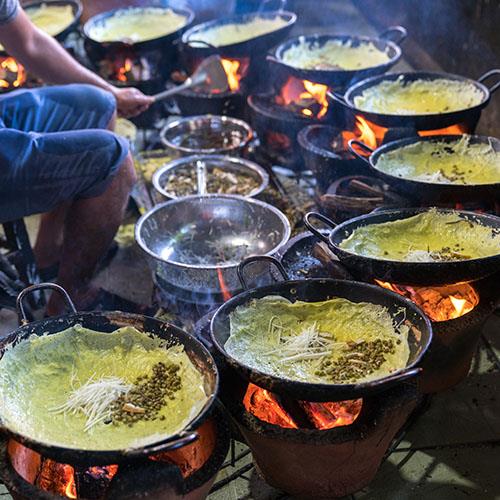
Must Savor Specialties: Pho (flat rice noodles with slivers of beef, or boiled chicken in hearty beef stock), Banh mi (pate and margarine spread on soft, chewy baguettes and loaded with pickled vegetables, cilantro, pork belly, pork floss, and cucumber), Com Tam Suon Nuong op la (a fried egg with caramelized grilled pork chop, on a heap of broken rice and covered with nuoc cham, a mix of chili, fish sauce, and sugar with a drizzle of green onion oil, then topped with shredded pickled carrots and daikon, slices of cucumber, and tomatoes, crushed fried pork rinds, and shallots), bun bo hue (flash boiled vegetables, with tender beef shanks in a red broth), Cha lua (sausage with ham paste similar texture to tofu), Banh xeo (Vietnamese pancakes with shrimp, pork, bean sprouts, and egg, fried and wrapped in rice paper with greens then dunked in Nuoc Cham), banh beo (water fern cake, small round discs of rice flour topped with cruncy pork rinds, and toasted shrimp powder with fish sauce), Banh da xuc hen (large rice paper crisp with hints of sesame and coconut, with a pile of tiny clams fried in lemongrass, rau ram (Vietnamese coriander), chili, onion, and garlic).
Hanoi
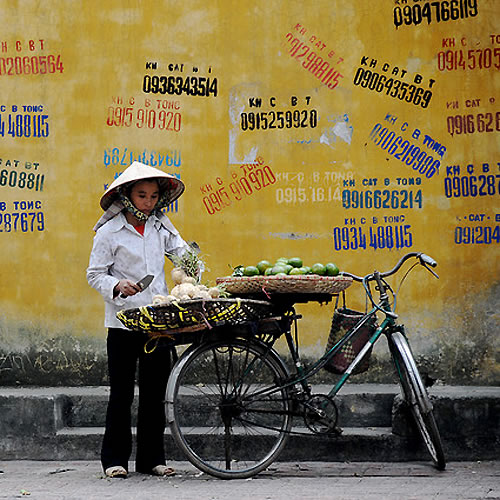
The ancient city of Hanoi is the political and culinary capital of the country, the ancient streets of Hanoi’s Old Quarter are brimming with dining options, and bustling street markets that are found down the charming narrow alleyways. Foodies can try iconic dishes like Vietnamese Pho, and Bun Cha which both originated in Northern Vietnam, Hanoi’s dishes are on the sweeter side and utilize ingredients from the freshwaters. Seafood and fish are bountiful here with options like prawns, squids, shrimps, crabs, clams, and mussels found throughout the city. Bun Cha is a specialty in Hanoi found at food stalls and street kitchens across the city, barbecued pork served on a bed of cold rice noodles with assorted foliage and a broth. Typical Vietnamese dishes are usually served with platters of fresh verdant greens and spices and the quintessential Nuoc Cham dipping sauce. Vietnamese cuisine combines five fundamental tastes and also incorporates French cuisine due to the country’s French colonization.
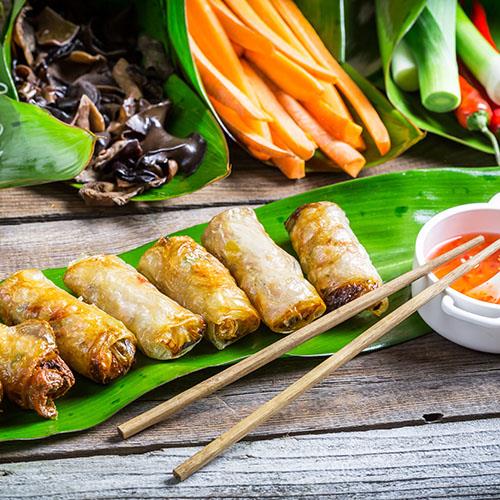
Must Savor Specialties:Pho (simple staple made with salty broth, fresh rice noodles, chicken or beef, and herbs), Cha Ca (white fish sauteed in butter with dill, spring onions and served with rice noodles and a scattering of peanuts), Mi Quang (bowl of meat noodles with flavorful oils, fresh springs of leaves, shrimp, peanuts, mint, and quail eggs), Nuoc Cham (dipping sauce), Mie xal luon (stir-fried glass noodles in an eel based broth with crunchy eels, bean sprouts, egg, cucumber slices, fried shallots, and purple perilla), Bun thang Ba Duc (vermicelli rice with chicken, egg, and pork in a clear flavorful broth made with over 20 ingredients), banh goi (finely chopped glass noodles, wood ear mushrooms, minced pork, steamed quail eggs and seasoning with rice flour pastry, deep-fried and served with sweet and sour dipping sauce), Xoi Xeo (sweet sticky rice topped with green mung bean paste, soy sauce, and dried shallots, with add ins like pate, boiled chicken, pork belly or preserved eggs) Xoi Xeo desert (dried coconut shavings, roasted sesame seeds, and crystallized sugar), Chim Quay (A whole pigeon served with various spices barbecued until crispy).

Halong Bay
The delectable cuisine of the north, which is heavily influenced by China, features stir fry dishes, noodle-based soups, and dishes with the famous irresistible Halong Bay sea snails. Halong Bay is home to around 20 different kinds of edible sea snails which have a significant contribution to gastronomy here. Ha Long is also famous for squid-sausages, a delicious and fragrant fusion of hashed squid mixed with mysterious spices, molded into round pieces, and fried in boiling oil. Popular food items include a diverse range of shrimp, from luxurious lobsters to other common shrimp they can be enjoyed steamed with a salt dipping sauce and found on most menus in the city. Hoanh Bo is a well-known liquor and Ngan - Arca Wine is a special drink made from a mixture of typically Vietnamese rice wine and Ngan (species of Veneridae) blood. Visiting the vibrant bustling markets is a great experience to enjoy in Halong Bay, Bai Chay market, and Cao Xanh is two of the most popular spots to browse and dine on the best quality sea snails and more street food.
Must Savor Specialties:Cha Muc (squid cakes with Halong Bay squid, prepared by grinding up the squid meat by hand then frying until golden brown), Sam or Horseshoe Crab (used in many different dishes using the crab as the main ingredient), Fresh prawns, shrimp, oysters and lobster from Halong Bay, Goi Cuon (translucent springs rolls packed with greens, coriander, and minced pork or shrimp served with a rich peanut sauce), Ngan (hard shell clams, can be grilled, steamed, or added to stir fry), Sa Sung (sea worm), Ngan wine (Ngan blood and rice wine), Banh Gat Gu (Vietnamese cake made from steamed rice flour, after grinding the cake is steamed into a thick layer of bread and rolled without filling, then sliced).
Hoi An
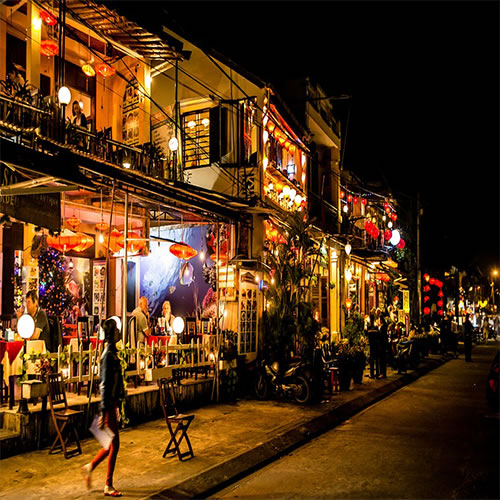
The vibrant city of Lanterns, Hoi An is a UNESCO World Heritage Site and tops the list for delectable cuisine. The city’s charming layout with its flowing canals and yellow-hued buildings with picturesque architecture and other sights is a joy to visit. The city is a mandatory stop for food lovers with fantastic street food options, fine dining, and authentic traditional Vietnamese food such as authentic Cao Lau, a mouthwatering bowl full of rice flour noodles, bean sprouts, and pork rind croutons made from the water found in the city’s 1,000-year-old Ba Le well. Hoi An is a coastal trading port, the cuisine here has a heavy influence from Japan and China with the smell of fresh herbs, pungent fish sauce, and sweet and salty flavors. Snack on Hoi An Pizza at the bustling Central Market, the city’s has its version of the famous Fried Wontons, crispy wontons topped with shrimp and a pineapple-laden, salsa-like tomato roulade, add a plate of White Rose Dumplings to complete this classic meal. Mango Mango is a great restaurant nestled along the riverside, where Chef Tran Duc dishes up elevated Vietnamese cuisine like the mouth-watering Peekin’ Duckling, a must-try when visiting Hoi An.
Must Savor Specialties: Cao Lau (made with water from the city’s Ba Le well and including ingredients like crispy Char Siu pork or shrimp, rice noodles, local herbs, fresh greens, and bean sprouts), Banh Mi (baguettes filled with a range of ingredients including meat and vegetables), Mi Quang (noodle dish made from thick square rice noodles, meat or seafood, broth and greens with extras like quail eggs and peanuts), White Rose Dumplings (delicate steamed dumplings made from rice flour, filled with a savory shrimp filling and a mixture of fish sauce, chili, and sugar with crispy shallots), Banh Xeo (sizzling cakes flavored with turmeric and filled with shrimp, pork, and bean sprouts, dipped in a savory pork-liver sauce), Vietnamese coffee (dark roasted robusta beans with condensed milk).
Hue
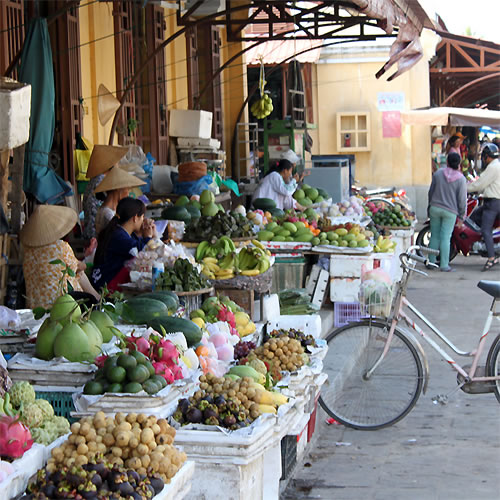
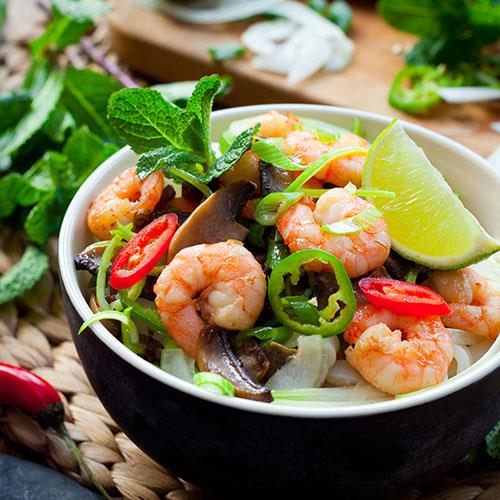
The spectacular sophisticated city of Hue, in the heart of Vietnam, is regarded by many for offering some of the best food in the entire country. The city was the capital of Vietnam during the Nguyen Dynasty, Royal Hue cuisine or Imperial cuisine was an elevated art form and cultural trademark during this time, food is beautifully presented harmonizing balance, flavors, textures, and colors. Today food lovers will find plenty of local authentic restaurants, high-end resorts offering fine dining, roadside stalls, and markets selling delicious local cuisine filled with sweet and spicy flavors with plenty of fresh herbs and spices. There are over 30 types of sweet soups (che) dished up throughout the city of Hue, the main ingredients include coconut milk, pomegranate, taro, and sweet corn. The culinary traditions of Hue demand that food be presented aesthetically blending vibrant colors and decorations to create gastronomic works of art. Hue is a major Buddhist city and vegetarian food is popular and found at locations throughout the city.
Must Savor Specialties: Bun bo hue (Hue beef noodle soup, sweet, sour, spicy with boiled bones and shank, annatto seeds, lemongrass, ginger, fermented shrimp paste, chili oil, and sugar with toppings such as beer or pork, beansprouts, lime wedges, cilantro, diced green onions, banana blossoms, mint, and basil), Nem Lui (marinated meat grilled with a side of rice paper, lettuce, cucumber slices, rice vermicelli, and fresh herbs), Com hen (rice topped with baby basket clams, crispy pork skins, roasted peanuts, shrimp paste, and fresh greens), Banh khoai (savory snacks, open-faced crepe typically filled with pork, shrimp, scallions, and beansprouts sometimes with quail eggs, and starfruit with a side of fresh greens, herbs, and fermented soybean dipping sauce), banh beo (steamed rice cakes with dried shrimp, deep fried pork rind, shallots, rice vinegar, and fresh herbs with a side of nuoc mam dipping sauce), Banh loc goi (made from tapioca starch filled with marinated shrimp, and milled pork, then wrapped in oiled banana leaves and steamed, nuoc mama pha dipping sauce), Bun thit nuong (vermicelli rice noodles, grilled pork, lettuce, cucumbers, beansprouts, pickled daikon, basil, mint, chopped peanuts, and deep fried springs rolls with dipping sauce), Banh it ram (steamed sticky rice dumplings with crispy patty topped with a savory mix of green scallions, shrimp, and pork), Van tron salad (boiled figs, sliced carrots, mushrooms, and onions with shrimp or shredded pork), Che hat sen (local desert containing lotus seeds, green rice flakes), Che (sweet soups), lotus seed sweet soup.