


Sightseeing Tours in Yokohama
We found a total of:
23 activities in Yokohama
What to do in
Yokohama
Tour name contains:
Favorite:
Map of Yokohama:
filter activities by:
Type:
- City Walking Tours
- Classes and Workshops
- Cooking Classes and Demonstrations
- Cultural and Heritage Tours
- Day Trips and Excursions
- Fishing Charters and Tours
- Food and Drinks Tours
- Helicopter, Hot Air Balloon, and Flights
- Museums, Galleries, and Art Expositions
- Night Tours
- Sports, Stadium, and Arena Tours
We found a total of:
23 activities in Yokohama
Filter results:
-

40mins Private Helicopter Tour of Yokohama + Tokyo Night Views
Type: Helicopter, Hot Air Balloon, and Flights
Duration: 90 Minutes
40mins Private Helicopter Tour of Yokohama + Tokyo Night Views
- Type:Helicopter, Hot Air Balloon, and Flights
- Duration:90 Minutes
OVERVIEWEnjoy the stunning night views of Yokohama Minato Mirai and Tokyo Tower from a private helicopter! Take in the sparkling Tokyo nightscape and Minato Mirai from an altitude of 600m. This romantic private helicopter tour is very popular for proposals and dates.INCLUDESAll Fees and TaxesMEETING AND PICKUPMeeting point247-007510 minutes by taxi from JR Ofuna station. 15 minutes by taxi from JR Fujisawa station.Options and Start time40mins Private Helicopter Tour of Yokohama + Tokyo Night Views:06:00 PM, 06:30 PM, 07:00 PM, 07:30 PMEnd pointThis activity ends back at the meeting point.WHAT TO EXPECTYokohama Chinatown (Pass by)You can see this attraction on your crusing.MARK IS Minatomirai (Pass by)You can see this attraction on your crusing.Tokyo Tower (Pass by)You can see this attraction on your crusing.Shinjuku Gyoen National Garden (Pass by)You can see this attraction on your crusing.ADDITIONAL INFOPublic transportation options are available nearbyInfants are required to sit on an adults lapSpecialized infant seats are availableSuitable for all physical fitness levelsA maximum of 3 people per bookingPassengers who have gone diving in the past 24 hours cannot participateIf the tour can't be conducted due to inclement weather, specific problems with the aircraft,other disturbances to flight operations or flight cancellation, you will receive a full refund or change to an alternative dateIf you want to flight in 5 days, please check the weather forecast because your tour will be cancelled due to bad weatherWeight limit: 220kg /flight 120kg/passengerNot wheelchair accessibleThis tour/activity will have a maximum of 15 travelersCANCELLATION POLICYFor a full refund, cancel at least 24 hours before the scheduled departure time.This experience requires good weather. If its canceled due to poor weather, youll be offered a different date or a full refund.(For information purpose only - definite start times will show on voucher, once confirmed) -
Fishing with Mt. Fuji Views and Japanese Home Cooking Experience
Type: Fishing Charters and Tours
Duration: 8 Hours
Fishing with Mt. Fuji Views and Japanese Home Cooking Experience
- Type:Fishing Charters and Tours
- Duration:8 Hours
OVERVIEWEnjoy a simple and fun fishing and cooking experience in Japan. Meet your local guide at Kanazawa-Hakkei Station and walk a few minutes to Arakawaya, a cozy fishing lodge. After a short introduction, board a boat and head to the fishing spot. Try catching Japanese whiting (shirogisu), a popular local fish (other fish may be caught depending on the day). Beginners are welcome, and no experience is needed. On clear days, you might even see Mount Fuji in the distance.
After about 3 hours of fishing, return to the port and prepare your catch. Learn easy steps to clean and cook your fish. The menu changes depending on the day, but it often includes Japanese home-style dishes like sashimi, tempura, or grilled fish. Enjoy the fresh flavors of the fish you caught and cooked yourself.
This tour is a relaxing way to try fishing and cooking while spending time by the sea. Its perfect for individuals, couples, or families looking for a fun and memorable experience in Japan.INCLUDESBoat fishing experience (with an English-speaking guide)Lunch with soft drinks (dishes made from your freshly caught fish)Cooking toolsFish preparation and cooking session (with an English-speaking guide)Full fishing gear: rod, reel, live bait, tackle, life jacket, and a towelEXCLUDESBoat fee: 5,000 JPY~ 7,000 JPY (cash or credit card, to be paid ON THE DAY).Transportation to Kanazawa-Hakkei Station, the meeting point.Motion sickness medicine: Recommended if concerned about seasickness. Please take it beforehand.Rain suit or waterproof clothing (pants and jacket recommended): Prepare for possible rain or splashes that may wet your clothes.Seasonal clothing (see the "Additional Info" section below for details)Drinks and light snacks on the boat (bring enough for your needs while at sea).Tips (optional).MEETING AND PICKUPMeeting pointKanazawa-Hakkei StationA guide with a sign is standing in the plaza outside the station gates on the ground level.Options and Start timeFishing with Mt. Fuji Views and Japanese Home Cooking Experience:06:30 AMEnd pointThis activity ends back at the meeting point.WHAT TO EXPECTBiwajima Shrine (Pass by)Spend the day fishing with a friendly local guide, just like hanging out with a local friend. Hop on a boat, feel the sea breeze, and catch fresh seafood. Then, cook and enjoy your own handmade Japanese meal in this beginner-friendly experience.ADDITIONAL INFOPublic transportation options are available nearbyNot recommended for travelers with spinal injuriesNot recommended for pregnant travelersNot recommended for travelers with poor cardiovascular healthTravelers should have at least a moderate level of physical fitnessPlease refrain from joining the tour if any of the following apply to youPeople with health issues limiting outdoor activity. People uncomfortable handling live bait or fish. People who easily get seasick. Pregnant individuals. Children under 16 years old. People with food allergies or dietary restrictions.Know Before You Go Catch results are not guaranteed as they depend on nature. Fishing time may change or shorten due to weather. Only one type of fish is targeted, and eating or cleaning fish is not allowed on the boat. This is a shared boat, not a private charter, and you will be fishing with other participants. The view of Mt. Fuji depends on weather and location, so it may not always be visible. The boat may rock or be windy; prepare for seasickness or cold. Take seasickness medicine early; late use may not work. Sleep well the night before to avoid seasickness.Life jackets must be worn during fishing, and follow the captain's instructions.We will contact you via WhatsApp the day before to inform you whether the tour will take place. Please make sure to check it.What to BringDrinks and snacks (enough for about 3 hours at sea) Seasickness medicine (take it in advance as directed) Seasonal clothing (see "Clothing" section for details)Clothing No shade on the boatprepare for the sun. A hat or cap with good ventilation Sunglasses Sunscreen 23 towels (for sweat or cooling your neck with water) Cold and windydress warmly and waterproof. Warm layers (thin enough to wear under a life jacket) Waterproof jacket and pants Wind protection (warm hat, mask, earmuffs) Disposable heat packs (for pockets or inside clothes)Important Notes Japanese law requires you to provide your address and emergency contact on the day. Well inform you by the day before if canceled due to weather or sea conditions . No fee applies. Add the guides contact on WhatsApp for smooth communication.Not wheelchair accessibleThis tour/activity will have a maximum of 3 travelersThis tour/activity will have a maximum of 3 travelers in totalCANCELLATION POLICYAll sales are final. No refund is available for cancellations.This experience requires good weather. If its canceled due to poor weather, youll be offered a different date or a full refund.(For information purpose only - definite start times will show on voucher, once confirmed) -
Half-day Cooking Class in Yokohama Local Shopping District
Type: Cooking Classes and Demonstrations
Duration: 210 Minutes
Half-day Cooking Class in Yokohama Local Shopping District
- Type:Cooking Classes and Demonstrations
- Duration:210 Minutes
OVERVIEWExplore Local Life! Join us on a shopping tour through a local Japanese town and experience the unique culture and way of life that define Japan. Our guided tour will take you to local shops, markets, and hidden gems, where you can browse unique souvenirs, and interact with friendly locals.
You'll get a glimpse of daily life in Japan as you walk through the streets lined with traditional Japanese shops, and hear the sounds of local merchants selling their wares.
This is an authentic Japanese Cooking Experience! Our experienced and friendly instructor will guide you through each step of the cooking process, providing tips and tricks to help you recreate the dishes at home.
You'll have the opportunity to make popular Japanese dishes such as roll sushi, deep-fried chicken.
Our cooking class is suitable for all skill levels. We keep class sizes small to ensure personalized attention, so easy to ask questions and interact with the instructor.
We also have a vegetarian menu available.SAMPLE MENUMainMaki sushi(Sushi rolls)Make your own egg rolls, tuna, cucumber and sushi rice wrapped in seaweed.MainKaraage (Japanese Deep-Fried Chicken)Chicken marinated in garlic and soy sauce and served with lemon juice.StarterDashi Maki Tamago(Japanese Omlette with Dashi)enjoy the flavor of dashi broth, soft texture, and the taste of eggs.INCLUDESPrivate transportationAll Fees and TaxesLunchMEETING AND PICKUPMeeting point3-chme-35 YayoichWe will meet in front of the police box located in Odori Park between Isesaki Chojamachi Station and Bandobashi Station on the Yokohama Municipal Subway Blue Line.Options and Start timeHalf-day Cooking Class in Yokohama Local Shopping District:09:30 AM, 10:00 AMEnd pointThis activity ends back at the meeting point.WHAT TO EXPECTWe offer you two types of Japanese cultural experiences.
The first is a shopping experience in a shopping districta at Yokohama.
Nearly 130 specialty stores line the more than 300-meter covered street.
A fishmonger sells fresh fish from all over Japan.
A grocery store selling sweet and tasty vegetables.
A butcher shop selling rare cuts of meat that are not sold in supermarkets.
Even Japanese are excited to visit this place, so if you are a overseas traveler, it will surely be an unforgettable and precious experience.
Second, you can make Japanese food using the ingredients you bought.
The kitchen studio with authentic equipment is clean, bright, and easy to cook in.
Sushi rolls are filled with seafood, egg rolls, and vegetables and rolled with nori seaweed and rice.It would be interesting to make rolls with ingredients you usually eat.
We make karaage(Japanese fried chicken), a favorite side dish of the Japanese, a favorite of overseas.
My English is not perfect, but I will try to guide you in English as much as possible.
I will do my best to accommodate your requests.Duration: 3 hours 30 minutesADDITIONAL INFOWheelchair accessibleInfants and small children can ride in a pram or strollerService animals allowedPublic transportation options are available nearbySpecialized infant seats are availableTransportation options are wheelchair accessibleAll areas and surfaces are wheelchair accessibleNot recommended for travelers with poor cardiovascular healthNot wheelchair accessibleThis tour/activity will have a maximum of 5 travelersCANCELLATION POLICYFor a full refund, cancel at least 24 hours before the scheduled departure time.This experience requires a minimum number of travelers. If its canceled because the minimum isnt met, youll be offered a different date/experience or a full refund.(For information purpose only - definite start times will show on voucher, once confirmed) -
Kamakura Customized Half-Day Tour with Licensed Local Guide
Type: Day Trips and Excursions
Duration: 4 Hours
Kamakura Customized Half-Day Tour with Licensed Local Guide
- Type:Day Trips and Excursions
- Duration:4 Hours
OVERVIEWEnjoy a private half-day trip to Kamakura from Tokyo with a licensed guide and avoid the risk of getting lost or missing the best bits. Choose 23 activities that interest you most for a personalized tour. Possibilities include the Great Buddha, Komachi Shopping Street, Hasedera Temple, and more. Travel is by public transportation and on foot.Choose the top Kamakura attractions that appeal to youBe amazed by the enormous Great Buddha of KamakuraAdmire the views from the highest point of Hasedera TempleMeet your guide at Kamakura Station for an easy startINCLUDESMeet up with guide on foot within designated area of KamakuraLicensed Local English Speaking GuideCustomizable Tour of your choice of 2-3 sites from 'What to expect' listEXCLUDESTransportation fees, Entrance fees, Lunch, and Other personal expensesPrivate transportationYou cannot combine multiple tour groups.Guide Entry fees are only covered for sights listed under What to Expect.MEETING AND PICKUPPickup pointsThe supplier will pick up customers from select hotelsOptions and Start timeKamakura Customized Half-Day Tour with Licensed Local Guide:01:00 PM, 09:00 AM, 09:30 AM, 10:00 AM, 10:30 AM, 11:00 AM, 11:30 AM, 12:00 PM, 12:30 PMPickup details**Yokohama Pick-up is not available. Please book 6hr tour if you would like to start a tour from Yokohoma.** This private tour is a walking day tour. A private vehicle is not included. Public transportation or local taxis maybe used to transfer between sites. Exact transportation costs can be discussed with the guide after a reservation is finalized. Please have Japanese Yen on hand for your transportation costs. If you wish to arrange for a private vehicle, please contact us directly. All Private vehicles must be booked 5 days in advance. Maximum number of passengers: 7.WHAT TO EXPECT1: Tsurugaoka Hachimangu ShrineThe shrine is dedicated to Hachiman, the patron god of the Minamoto family and of the samurai in general. The deified spirits of the ancient Emperor Ojin who has been identified with Hachiman, Hime-gami and Empress Jingu are enshrined at Tsurugaoka Hachimangu Shrine.10 minutes -Admission Ticket Free2: Kotoku-in - Great Buddha of KamakuraThe Great Buddha of Kamakura (, Kamakura Daibutsu) is a bronze statue of Amida Buddha, which stands on the grounds of Kotokuin Temple. With a height of 11.4 meters, it has long been the second tallest bronze Buddha statue in Japan, surpassed only by the statue in Nara's Todaiji Temple and some recent creations.10 minutes -Admission Ticket Not Included3: Hasedera TempleHasedera () is a temple of the Jodo sect, famous for its eleven-headed statue of Kannon, the goddess of mercy. The 9.18 meter tall, gilded wooden statue is regarded as one of the largest wooden sculpture in Japan and can be viewed in the temple's main building, the Kannon-do Hall5 minutes -Admission Ticket Not Included4: Hokoku-ji TempleHokokuji Temple is best known for the beautiful, small bamboo grove found behind the temple's main hall, which lies thick with over 2000 dark green bamboo stalks. A few narrow pathways lead through the bamboo to a tea house where, for a small fee, you can sit and enjoy a cup of matcha tea while enjoying views into the bamboo grove. Also located behind the temple are a series of shallow caves carved into the hillsides, which are believed to hold the ashes of some of the later Ashikaga lords.15 minutes -Admission Ticket Not Included5: Kamakura Hiking TrailsKamakura is surrounded by the ocean in the south and by wooded hills in all other directions. Attractive hiking trails lead through the woods along these hills and connect various atmospheric temples. They are a great way to travel between some of Kamakura's sights. Many of the trails do not take long to complete - typically between 30 to 90 minutes - and allow visitors to enjoy a mix of nature and cultural sights.15 minutes -Admission Ticket Free6: Enoshima IslandOnly a short train ride west of Kamakura, Enoshima () is a pleasantly touristy island just off the coast but connected by bridge with the mainland. The island offers a variety of attractions, including a shrine, park, observation tower and caves. Views of Mount Fuji can be enjoyed on days with good visibility.
Enoshima is divided into a yacht harbor accessible to motorized traffic and a forested hill which can only be explored on foot (and paid escalators) and contains most of the sights. Several shrine buildings, collectively known as Enoshima Shrine, are found around the island and are dedicated to Benten, a popular goddess of good fortune, wealth, music and knowledge. Benten is believed to have created Enoshima before subduing a five headed dragon that had been terrorizing the area.15 minutes -Admission Ticket Free7: Engaku-jingakuji () is one of the leading Zen temples in Eastern Japan and the number two of Kamakura's five great Zen temples. Engakuji was founded by the ruling regent Hojo Tokimune in the year 1282, one year after the second invasion attempt by the Mongols had been reverted. One purpose of the new temple was to pay respect to the fallen Japanese and Mongolian soldiers.
Engakuji is built into the slopes of Kita-Kamakura's forested hills. The first main structure encountered upon entering the temple grounds is the Sanmon main gate, which dates from 1783. Behind it stands the temple's main hall, the Butsuden, which displays a wooden statue of the Shaka Buddha. The Butsuden was rebuilt relatively recently in 1964 after the former building was lost in an earthquake.15 minutes -Admission Ticket Not Included8: Kencho-ji TempleKenchoji (, Kenchji) is the number one of Kamakura's five great Zen temples. The oldest Zen temple in Kamakura, Kenchoji was founded by the ruling regent Hojo Tokiyori in 1253 during the Kencho Era after which it was named. Its first head priest was Rankei Doryu, a Zen priest from China.
Although considerably smaller than during its heydays, Kenchoji still consists of a large number of temple buildings and subtemples, and stretches from the entrance gate at the bottom of the valley far into the forested hills behind. After passing through the Sanmon main gate, visitors will see Kenchoji's temple bell (Bonsho), designated a national treasure, on their right.10 minutes -Admission Ticket Not Included9: Zeniarai Benten ShrineZeniarai Benten Shrine () is a popular shrine in western Kamakura, which people visit to wash their money (zeniarai means "coin washing"). It is said that money washed in the shrine's spring, will double.
Minamoto Yoritomo, the founder of the Kamakura government, ordered the shrine's construction after a god appeared in his dream and recommended him to build the shrine in order to bring peace to the country. Because the dream occurred on the day of the snake, in the month of the snake of the year of the snake, the shrine was later also dedicated to Benten, a Buddhist goddess associated with snakes.15 minutes -Admission Ticket Free10: Meigetsuin (Hydrangea Temple)Meigetsuin Temple () is a temple of the Rinzai Zen Sect founded in 1160 in Kamakura. It is also known as Ajisaidera ("Hydrangea Temple") because hydrangea bloom in abundance on the temple grounds during the rainy season around June. 95% of the hydrangea here are of the Hime Ajisai ("Princess Hydrangea") variety; they are thus named because of their pretty blue colors.
The temple was originally a repose built by a son in memory of his father who had died in the struggle for power between the Taira and Minamoto clans in the late Heian Period. It later became part of a larger temple complex called Zenkoji, which was abolished during anti-Buddhist movements soon after the Meiji Restoration, leaving only Meigetsuin to remain as an individual temple today.15 minutes -Admission Ticket Not Included11: Ankokuronji TempleAnkokuronji () is one of several temples of the Nichiren sect of Japanese Buddhism along the hills in the southeast of Kamakura. Nichiren himself founded Ankokuronji around 1253 when he first came to Kamakura, and he is said to have lived at the temple for several years.
Visitors can walk along a short hiking trail through the wooded hills around the temple buildings. A nice view of the city of Kamakura can be enjoyed underway. Some of the trail's passages are quite steep and should only be explored with good walking shoes and during dry weather.15 minutes -Admission Ticket Not Included12: Jomyo-ji TempleJomyoji Temple (, Jmyji) is a Zen temple in the hills of eastern Kamakura. Ranked fifth among the five great Zen temples of Kamakura, Jomyoji was founded by the influential Ashikaga family and at its peak was made up of seven buildings and several pagodas. Over the centuries, however, many of the structures were destroyed by fire, and only its historic main hall, reception hall, main gate and warehouse remain today. The main hall sits at the end of a garden and houses a statue of Shaka Nyorai, the historical Buddha.
Jomyoji Temple also has a restored teahouse where visitors can sit and enjoy a cup of tea for a small fee while enjoying the view of a nice dry garden. On the hillside behind the main hall is the temple's spacious cemetery, while a path leads up the hill to a small western-style restaurant. The restaurant is operated by the temple and offers good views out over Kamakura from its patio.15 minutes -Admission Ticket Not Included13: Zuisen-ji TempleZuisenji () is a beautiful Zen temple in the far east of Kamakura, in the back of a narrow valley and surrounded by wooded hills. It is a branch temple of the Engakuji Temple.
Zuisenji was founded by Muso Kokushi, a leading Zen master of his time and one of Japan's most famous garden designers. The temple is known for its pure Zen rock garden behind the temple's main hall, designed by Muso himself. The temple furthermore attracts with its many flowers and blooming trees in the other parts of the temple grounds, including a large number of plum trees.10 minutes -Admission Ticket Not Included14: Myohonji TempleMyohonji (, Myhonji) is one of several temples of the Nichiren sect of Japanese Buddhism along the southeastern hills of Kamakura. The temple was founded by Hiki Yoshimoto in 1260, and features a statue of Nichiren to the left of the main hall.
The temple is connected via the Gionyama hiking trail with some other nearby temples and a shrine. It leads through the wooded hills of Kamakura, and should be explored only with good walking shoes and during dry weather, because there are a few steep and rough passages.15 minutes -Admission Ticket Not Included15: Jochiji TempleJochiji (, Jchiji) is the number four of Kamakura's five great Zen temples. It is a branch temple of the Engakuji school of the Rinzai sect of Zen Buddhism. Its head temple, the Engakuji Temple, stands just a few hundred meters away on the opposite side of the railway tracks.
Jochiji was founded in 1283 by members of the ruling Hojo family on the occasion of the premature death of a son. Once a large temple complex with many buildings and subtemples, Jochiji is now small and calm. In its main hall, the Dongeden, the temple's main object of worship, a Buddhist trinity of the Amida Buddha, Shaka Buddha and Miroku Buddha, is displayed.15 minutes -Admission Ticket Not Included16: Tokeiji TempleTokeiji (, Tkeiji) is a small branch temple of the Engakuji school within the Rinzai sect of Zen Buddhism. Its head temple, the Engakuji Temple, stands just a few hundred meters away on the opposite side of the railway tracks.
Tokeiji was founded by the wife of the regent Hojo Tokimune in 1285 after Tokimune had died at a young age. Until the end of the Edo Period, the temple served as a shelter for women who suffered abuse by their husbands and sought a divorce. An official divorce could be attained by staying at the temple for three years.15 minutes -Admission Ticket Not Included17: Jufukuji TempleJufukuji Temple () is the number three of Kamakura's five great Zen temples. It is a branch temple of the Rinzai sect's Kenchoji school.
Jufukuji was established by the order of Minamoto Yoritomo's wife Masako after her husband had passed away. Its founding priest was none other than Eisai, the man responsible for introducing Zen Buddhism into Japan. Besides the often photographed pathway that leads towards the temple, Jufukuji is not open to the public.15 minutes -Admission Ticket Not Included18: Eishoji TempleEisho-ji Temple () is the only surviving nunnery in Kamakura, located near Tsurugaoka Hachimangu. Founded in the early Edo period by a woman connected to the Tokugawa family, its known as a flower temple for its seasonal blooms.
Visitors can enjoy a peaceful bamboo grove and a graceful Amida Buddha statue said to be by the famous sculptor Unkei. The quiet atmosphere makes it a hidden gem worth visiting.15 minutes -Admission Ticket Not IncludedADDITIONAL INFOService animals allowedPublic transportation options are available nearbyInfants and small children can ride in a pram or strollerAll areas and surfaces are wheelchair accessibleTransportation options are wheelchair accessibleWheelchair accessibleSuitable for all physical fitness levelsThis is a walking tour. Pick up is on foot.Not wheelchair accessibleThis tour/activity will have a maximum of 10 travelersCANCELLATION POLICYFor a full refund, cancel at least 24 hours before the scheduled departure time.(For information purpose only - definite start times will show on voucher, once confirmed) -
Kamakura Customized Private Tour in 1 Day, Licensed Guide
Type: Day Trips and Excursions
Duration: 6 Hours
Kamakura Customized Private Tour in 1 Day, Licensed Guide
- Type:Day Trips and Excursions
- Duration:6 Hours
OVERVIEWJust south of Tokyo, lays the beautiful and historical Kamakura.
Kamakuras temples and shrines are home to gardens that are beautiful in any season. You can view the ocean from the highest point of Hasedera temple and write your wish on an oyster shell. The over 11 meters tall Great Buddha is an icon of the area residing in Kotokuin Temple. Stop by the old Komachi shopping street and try some Hatosabure, dove shaped biscuits.
Each tour is customizable and private. Once you place a reservation, your personal guide will be in touch with you to tailor your trip to you. You can view 3 to 4 sights on this trip. If you wish to extend your time to see more, please contact us directly for extensions. Transportation time is included in the 6 hours.
We hope to guide you soon!
This is a walking/public transport tour.INCLUDESMeet up with guide on foot within designated area of Kamakura/YokohamaLicensed Local English Speaking GuideCustomizable Tour of your choice of 3-4 sites from 'What to expect' listEXCLUDESTransportation fees, Entrance fees, Lunch, and Other personal expensesPrivate VehicleYou cannot combine multiple tour groups.Guide Entry fees are only covered for sights listed under What to Expect.MEETING AND PICKUPPickup pointsThe supplier will pick up customers from select hotelsOptions and Start timeKamakura Customized Private Tour in 1 Day, Licensed Guide:09:00 AM, 09:30 AM, 10:00 AM, 10:30 AM, 11:00 AMPickup detailsThis private tour is a walking day tour. A private vehicle is not included. Public transportation or local taxis maybe used to transfer between sites. Exact transportation costs can be discussed with the guide after a reservation is finalized. Please have Japanese Yen on hand for your transportation costs. If you wish to arrange for a private vehicle, please contact us directly. All Private vehicles must be booked 5 days in advance. Maximum number of passengers: 7.WHAT TO EXPECT1: Tsurugaoka Hachimangu ShrineThe shrine is dedicated to Hachiman, the patron god of the Minamoto family and of the samurai in general. The deified spirits of the ancient Emperor Ojin who has been identified with Hachiman, Hime-gami and Empress Jingu are enshrined at Tsurugaoka Hachimangu Shrine.15 minutes -Admission Ticket Free2: Kotoku-in - Great Buddha of KamakuraThe Great Buddha of Kamakura (, Kamakura Daibutsu) is a bronze statue of Amida Buddha, which stands on the grounds of Kotokuin Temple. With a height of 11.4 meters, it has long been the second tallest bronze Buddha statue in Japan, surpassed only by the statue in Nara's Todaiji Temple and some recent creations.15 minutes -Admission Ticket Not Included3: Hasedera TempleHasedera () is a temple of the Jodo sect, famous for its eleven-headed statue of Kannon, the goddess of mercy. The 9.18 meter tall, gilded wooden statue is regarded as one of the largest wooden sculpture in Japan and can be viewed in the temple's main building, the Kannon-do Hall30 minutes -Admission Ticket Not Included4: Hokoku-ji TempleHokokuji Temple is best known for the beautiful, small bamboo grove found behind the temple's main hall, which lies thick with over 2000 dark green bamboo stalks. A few narrow pathways lead through the bamboo to a tea house where, for a small fee, you can sit and enjoy a cup of matcha tea while enjoying views into the bamboo grove. Also located behind the temple are a series of shallow caves carved into the hillsides, which are believed to hold the ashes of some of the later Ashikaga lords.15 minutes -Admission Ticket Not Included5: Enoshima IslandOnly a short train ride west of Kamakura, Enoshima () is a pleasantly touristy island just off the coast but connected by bridge with the mainland. The island offers a variety of attractions, including a shrine, park, observation tower and caves. Views of Mount Fuji can be enjoyed on days with good visibility.
Enoshima is divided into a yacht harbor accessible to motorized traffic and a forested hill which can only be explored on foot (and paid escalators) and contains most of the sights. Several shrine buildings, collectively known as Enoshima Shrine, are found around the island and are dedicated to Benten, a popular goddess of good fortune, wealth, music and knowledge. Benten is believed to have created Enoshima before subduing a five headed dragon that had been terrorizing the area.15 minutes -Admission Ticket Free6: Engaku-jingakuji () is one of the leading Zen temples in Eastern Japan and the number two of Kamakura's five great Zen temples. Engakuji was founded by the ruling regent Hojo Tokimune in the year 1282, one year after the second invasion attempt by the Mongols had been reverted. One purpose of the new temple was to pay respect to the fallen Japanese and Mongolian soldiers.
Engakuji is built into the slopes of Kita-Kamakura's forested hills. The first main structure encountered upon entering the temple grounds is the Sanmon main gate, which dates from 1783. Behind it stands the temple's main hall, the Butsuden, which displays a wooden statue of the Shaka Buddha. The Butsuden was rebuilt relatively recently in 1964 after the former building was lost in an earthquake.30 minutes -Admission Ticket Not Included7: Kencho-ji TempleKenchoji (, Kenchji) is the number one of Kamakura's five great Zen temples. The oldest Zen temple in Kamakura, Kenchoji was founded by the ruling regent Hojo Tokiyori in 1253 during the Kencho Era after which it was named. Its first head priest was Rankei Doryu, a Zen priest from China.
Although considerably smaller than during its heydays, Kenchoji still consists of a large number of temple buildings and subtemples, and stretches from the entrance gate at the bottom of the valley far into the forested hills behind. After passing through the Sanmon main gate, visitors will see Kenchoji's temple bell (Bonsho), designated a national treasure, on their right.30 minutes -Admission Ticket Not Included8: Zeniarai Benten ShrineZeniarai Benten Shrine () is a popular shrine in western Kamakura, which people visit to wash their money (zeniarai means "coin washing"). It is said that money washed in the shrine's spring, will double.
Minamoto Yoritomo, the founder of the Kamakura government, ordered the shrine's construction after a god appeared in his dream and recommended him to build the shrine in order to bring peace to the country. Because the dream occurred on the day of the snake, in the month of the snake of the year of the snake, the shrine was later also dedicated to Benten, a Buddhist goddess associated with snakes.30 minutes -Admission Ticket Free9: Meigetsuin (Hydrangea Temple)Meigetsuin Temple () is a temple of the Rinzai Zen Sect founded in 1160 in Kamakura. It is also known as Ajisaidera ("Hydrangea Temple") because hydrangea bloom in abundance on the temple grounds during the rainy season around June. 95% of the hydrangea here are of the Hime Ajisai ("Princess Hydrangea") variety; they are thus named because of their pretty blue colors.
The temple was originally a repose built by a son in memory of his father who had died in the struggle for power between the Taira and Minamoto clans in the late Heian Period. It later became part of a larger temple complex called Zenkoji, which was abolished during anti-Buddhist movements soon after the Meiji Restoration, leaving only Meigetsuin to remain as an individual temple today.30 minutes -Admission Ticket Not Included10: Ankokuronji TempleAnkokuronji () is one of several temples of the Nichiren sect of Japanese Buddhism along the hills in the southeast of Kamakura. Nichiren himself founded Ankokuronji around 1253 when he first came to Kamakura, and he is said to have lived at the temple for several years.
Visitors can walk along a short hiking trail through the wooded hills around the temple buildings. A nice view of the city of Kamakura can be enjoyed underway. Some of the trail's passages are quite steep and should only be explored with good walking shoes and during dry weather.30 minutes -Admission Ticket Not Included11: Jomyo-ji TempleJomyoji Temple (, Jmyji) is a Zen temple in the hills of eastern Kamakura. Ranked fifth among the five great Zen temples of Kamakura, Jomyoji was founded by the influential Ashikaga family and at its peak was made up of seven buildings and several pagodas. Over the centuries, however, many of the structures were destroyed by fire, and only its historic main hall, reception hall, main gate and warehouse remain today. The main hall sits at the end of a garden and houses a statue of Shaka Nyorai, the historical Buddha.
Jomyoji Temple also has a restored teahouse where visitors can sit and enjoy a cup of tea for a small fee while enjoying the view of a nice dry garden. On the hillside behind the main hall is the temple's spacious cemetery, while a path leads up the hill to a small western-style restaurant. The restaurant is operated by the temple and offers good views out over Kamakura from its patio.15 minutes -Admission Ticket Not Included12: Zuisen-ji TempleZuisenji () is a beautiful Zen temple in the far east of Kamakura, in the back of a narrow valley and surrounded by wooded hills. It is a branch temple of the Engakuji Temple.
Zuisenji was founded by Muso Kokushi, a leading Zen master of his time and one of Japan's most famous garden designers. The temple is known for its pure Zen rock garden behind the temple's main hall, designed by Muso himself. The temple furthermore attracts with its many flowers and blooming trees in the other parts of the temple grounds, including a large number of plum trees.30 minutes -Admission Ticket Not Included13: Myohonji TempleMyohonji (, Myhonji) is one of several temples of the Nichiren sect of Japanese Buddhism along the southeastern hills of Kamakura. The temple was founded by Hiki Yoshimoto in 1260, and features a statue of Nichiren to the left of the main hall.
The temple is connected via the Gionyama hiking trail with some other nearby temples and a shrine. It leads through the wooded hills of Kamakura, and should be explored only with good walking shoes and during dry weather, because there are a few steep and rough passages.15 minutes -Admission Ticket Not Included14: Jochiji TempleJochiji (, Jchiji) is the number four of Kamakura's five great Zen temples. It is a branch temple of the Engakuji school of the Rinzai sect of Zen Buddhism. Its head temple, the Engakuji Temple, stands just a few hundred meters away on the opposite side of the railway tracks.
Jochiji was founded in 1283 by members of the ruling Hojo family on the occasion of the premature death of a son. Once a large temple complex with many buildings and subtemples, Jochiji is now small and calm. In its main hall, the Dongeden, the temple's main object of worship, a Buddhist trinity of the Amida Buddha, Shaka Buddha and Miroku Buddha, is displayed.15 minutes -Admission Ticket Not Included15: Tokeiji TempleTokeiji (, Tkeiji) is a small branch temple of the Engakuji school within the Rinzai sect of Zen Buddhism. Its head temple, the Engakuji Temple, stands just a few hundred meters away on the opposite side of the railway tracks.
Tokeiji was founded by the wife of the regent Hojo Tokimune in 1285 after Tokimune had died at a young age. Until the end of the Edo Period, the temple served as a shelter for women who suffered abuse by their husbands and sought a divorce. An official divorce could be attained by staying at the temple for three years.15 minutes -Admission Ticket Not Included16: Jufukuji TempleJufukuji Temple () is the number three of Kamakura's five great Zen temples. It is a branch temple of the Rinzai sect's Kenchoji school.
Jufukuji was established by the order of Minamoto Yoritomo's wife Masako after her husband had passed away. Its founding priest was none other than Eisai, the man responsible for introducing Zen Buddhism into Japan. Besides the often photographed pathway that leads towards the temple, Jufukuji is not open to the public.15 minutes -Admission Ticket Not Included17: Eishoji TempleEisho-ji Temple () is the only surviving nunnery in Kamakura, located near Tsurugaoka Hachimangu. Founded in the early Edo period by a woman connected to the Tokugawa family, its known as a flower temple for its seasonal blooms.
Visitors can enjoy a peaceful bamboo grove and a graceful Amida Buddha statue said to be by the famous sculptor Unkei. The quiet atmosphere makes it a hidden gem worth visiting.15 minutes -Admission Ticket Not IncludedADDITIONAL INFOService animals allowedPublic transportation options are available nearbyInfants and small children can ride in a pram or strollerAll areas and surfaces are wheelchair accessibleTransportation options are wheelchair accessibleWheelchair accessibleSuitable for all physical fitness levelsThis is a walking tour. Pick up is on foot.Not wheelchair accessibleThis tour/activity will have a maximum of 10 travelersCANCELLATION POLICYFor a full refund, cancel at least 24 hours before the scheduled departure time.(For information purpose only - definite start times will show on voucher, once confirmed) -
Learn Sushi-grade fish with a licensed guide @Yokohama fishmarket
Type: Food and Drinks Tours
Duration: 2 Hours
Learn Sushi-grade fish with a licensed guide @Yokohama fishmarket
- Type:Food and Drinks Tours
- Duration:2 Hours
OVERVIEWDiscover Japan's amazing fish and sushi culture on a special tour of Yokohama Fish Market! Browse colorful Sushi toppings and learn about fresh fish caught by Kanagawa's fishermen. Your guide, who has fished from northernmost to southernmost islands, such as Hokkaido to Kyushu, for over 50 years, knows how fish is caught and kept fresh, and how fish and seafood were preserved before widely spreading freezing technology. Enjoy quizzes and learn cooking tips from your guide. Afterwards, enjoy a delicious fish dish, especially a Sushi plate, if you had time (Food price is not included in this tour).
Become a Sushi master too and surprise your friends at the Sushi restaurant! You learn not only fish name in Japanese, but also how to ask fish name in Japanese! Join me on an unforgettable adventure!INCLUDESPermission for the entrance to the whole sale marketEXCLUDESWe will walk around the fish restaurants, but food is excluded. You may want to taste Sushi at in-market restaurant, however you cover all the expense. Approximate price for Sushi set menu is ¥2,200.Bottled waterSoda/PopGratuitiesMEETING AND PICKUPMeeting pointYokohama StationPlease see me at the NORTH ticket gate of JR East Yokohama train station. There are 4 four ticket gates, such as NORTH, Central North, Central South, and South gates. You will never find me at the Central North gates. There is a kiosk called "Newdays". I will be around that ticket gate or kiosk.Options and Start timeLearn Sushi-grade fish with a licensed guide @Yokohama fishmarket:07:30 AMEnd pointThis activity ends back at the meeting point.WHAT TO EXPECTJoin me for a fun adventure to explore Japanese fish for Sushi! Our tour starts at an authentic lively fish market. Enjoy a variety of fish caught that morning at over 20 local fishing grounds. As we stroll through, you learn fascinating facts about where the fish come from, how they're caught, and how they end up at the market. Plus, I'll quiz you along the way!
You can taste FREE TUNA! & purchase fresh tuna fillets or blocks. Without your knowledgable guide, navigating the market's local Yokohama dialect can be tricky.
The tour wraps up with a walk around the in-market restaurants and shops offering delicious fish dishes and sushi (food not included).
This tour is perfect for:
-Sushi lovers eager to learn more about ingredients
-Anyone who loves fresh seafood
Meet me at the NORTH gate of JR East Yokohama Station. Well return to Yokohama station around 9:00 ~ 9:30, but feel free to stay behind and enjoy a meal at one of the markets restaurants.
Did you know there are NO fisheries in the greater Tokyo area? Do you still prefer the less fresh fish at Tsukiji/Toyosu market in Tokyo? Just 25 minutes from Tokyo to Yokohama Station, enjoy an authentic Yokohama fish market tour.Duration: 2 hoursADDITIONAL INFONot recommended for travelers with spinal injuriesNot recommended for pregnant travelersNot recommended for travelers with poor cardiovascular healthWe need to walk about fifteen minutes to the fish market and walk around that market.You are recommended to avoid high heels. The floor at the fish market is very slippery.Do not recommend people who do not want to see raw fish, eyes, and bones of fish.Not wheelchair accessibleThis tour/activity will have a maximum of 2 travelersThis tour/activity will have a maximum of 2 travelers in totalCANCELLATION POLICYFor a full refund, cancel at least 24 hours before the scheduled departure time.This experience requires good weather. If its canceled due to poor weather, youll be offered a different date or a full refund.(For information purpose only - definite start times will show on voucher, once confirmed) -
Mount Fuji Full-Day Private Tour from Yokohama Customizable
Type: Day Trips and Excursions
Duration: 10 Hours
Mount Fuji Full-Day Private Tour from Yokohama Customizable
- Type:Day Trips and Excursions
- Duration:10 Hours
OVERVIEWFully Licensed, Insured with Green Number Plate(Commercial transport license legally authorized to transport passengers).
We understand that your time inland may be limited. That's why we'll create a tour itinerary that perfectly fits your schedule, ensuring you make the most of every moment.
We can personalize your experience, contact us!
We pick you from Yokohama Port or around (Contact us!) and embark on an unforgettable Mount Fuji Tour, where breathtaking landscapes and cultural treasures await!
This tour promises a perfect blend of adventure, culture, and breathtaking scenery!
If group is larger than 5, please contact us first.INCLUDESPrivate transportationEnglish Speaking DriverAir-conditioned vehicleEXCLUDESOshino Hakkai Museum (300 yen per person)LunchYashi no Sato entrance fee(500yen)MEETING AND PICKUPPickup pointsThe supplier will pick up customers from select hotelsOptions and Start timeMount Fuji:08:00 AMPickup details**Communication: All communications will be handled via WhatsApp. Please ensure you have the app downloaded and active. Your guide will contact you the night before your tour to confirm the final pickup details. *Please add your email address in the "Special Requirements" section.
Duration: The tour has a maximum duration of 10 hours. This timeframe includes pickup, drop-off, lunch time, and all transfers between sites.
Pickup Locations: We pick up guests from Yokohama Port. If your location is not the port, we can pick up from hotels or Airbnb's in the proximity, please consult as additional fees may apply.
Traffic & Delays: Please understand that traffic congestion, road conditions, or accidents may occasionally cause the driver to arrive 1030 minutes late. We appreciate your patience.
***Please carry cash in yen as some of the places you will visit may not receive credit cards or online payment.WHAT TO EXPECT1: Chureito PagodaA sweet spot nestled in Japan's Fujiyoshida, where the iconic pagoda stands tall, flaunting its charm against the breathtaking Mount Fuji. It's like a postcard come to life, blending culture and nature effortlessly.1 hour -Admission Ticket Free2: Oshino HakkaiOshino Hakkai is a World Heritage Site with eight amazingly clear ponds which have beautiful rare Koi fish. It includes Samurai houses and museum with magnificent view of mount Fuji . Here you will be able to try local grown fruits and sweets.1 hour -Admission Ticket Free3: Kitaguchi Hongu Fuji Sengen Jinja ShrineVisitors to Kitaguchi Hongu Fuji Sengen Shrine can experience a serene and sacred atmosphere surrounded by lush greenery. The shrine complex includes various structures such as the main hall, torii gates, and other auxiliary buildings, all contributing to the sacred ambiance.30 minutes -Admission Ticket Free4: Lake KawaguchikoSecond largest Lake of the Fuji Five Lakes. With many lakeside hotels, windsurfing facilities, camp sites, excursion boats and ropeway. With the boat experience you can have amazing view of mount Fuji.1 hour -Admission Ticket Not Included5: Oishi ParkMagnificent view of Mount Fuji with seasonal flowers. Here you can enjoy the most delicious ice cream in the town.1 hour -Admission Ticket Free6: Saiko Iyashi no Sato NembaAlso known as the "Healing Village," is a traditional Japanese village located on the shores of Lake Saiko, one of the Fuji Five Lakes. It was reconstructed to preserve the beauty and culture of the original village that was destroyed by a landslide in 1966.
Visitors can explore the thatched-roof houses, experience traditional crafts, and enjoy the stunning views of Mount Fuji. The village is a popular destination for those seeking a peaceful and authentic Japanese experience.45 minutes -Admission Ticket Not IncludedADDITIONAL INFOPublic transportation options are available nearbySuitable for all physical fitness levelsOshino Hakkai entrance fee (300yen) (Optional)Yashi no Sato entrance fee (500yen)Not wheelchair accessibleThis tour/activity will have a maximum of 15 travelersCANCELLATION POLICYFor a full refund, cancel at least 24 hours before the scheduled departure time.This experience requires good weather. If its canceled due to poor weather, youll be offered a different date or a full refund.(For information purpose only - definite start times will show on voucher, once confirmed) -
Night Walking Tour Yokohama, Walk and Discover with a Local
Type: Night Tours
Duration: 3 Hours
Night Walking Tour Yokohama, Walk and Discover with a Local
- Type:Night Tours
- Duration:3 Hours
OVERVIEWExperience the enchanting sights and sounds of Yokohama on our Nighttime Stroll, where the city comes alive under a blanket of stars.
Discover the hidden gems and vibrant culture of Japan's second-largest city
Explore the city's scenic harbors, Chinatown, retro streets, and local eats
Learn about the city's rich history and fascinating stories from your guide
Experience the enchanting sights and sounds of Yokohama on a nighttime stroll
Marvel at the magnificent exterior of the Yokohama Red Brick Warehouse
Why Choose Dango Tours?
Local expert guides
Unique photo stops
Small group for personalised experience
Cultural insights you wont get elsewhere
Great value with no hidden costs
End the tour full of stories, and maybe a few snacks too
Book your spot today and fall in love with Yokohama, just like we did!INCLUDESPhoto stops at iconic and hidden locations.Curated walking route through historic and cultural spots.Expert local guide with in-depth knowledge of Yokohama.Recommendations for local food, bars, and attractions.Small group size for a more personal experience.EXCLUDESTravel insuranceTransportation to and from the meeting pointFood and drinks purchased during the tourEntrance fees to optional attractions (if visited)MEETING AND PICKUPMeeting point1-chme-5-8 MinamisaiwaiWe meet outside the McDonalds near Yokohama Station. Please wait in front of the entrance, and look for our tour guides holding a Dango Tours flag and wearing our logo. Adress: 1-chme-5-8 Minamisaiwai | South West Exit of the station > McDonald's, Yokohama Station.Options and Start timeNight Walking Tour Yokohama, Walk and Discover with a Local:06:00 PMEnd pointYokohama ChinatownWe end our walk in Japans largest Chinatown. Here, you're free to explore bustling night markets and try authentic Chinese street food, dumplings, buns, and sweets galore. Its the perfect spot to unwind, eat, and reflect on the journey.WHAT TO EXPECTNissan Global Headquarters Gallery (Pass by)We kick things off with a glimpse into Japans engineering pride, featuring some of Nissans most innovative models and automotive design history.Yokohama Museum of Art (Pass by)Take in the impressive exterior and learn about the citys artistic identity with a quick peek at the surrounding cultural area.Yokohama Minato Mirai 21 (Pass by)This futuristic waterfront district blends high-rise architecture with seaside calm. A perfect spot to feel Yokohamas urban soul.1: Landmark TowerJapans second tallest building offers a dramatic backdrop for photos and a story about the citys rapid growth and modern skyline.5 minutes -Admission Ticket Not Included2: Yokohama Cosmo WorldSee the massive Ferris wheel that lights up the night, great for snapshots and an example of Yokohamas playful spirit.5 minutes -Admission Ticket Not Included3: Cup Noodles Museum YokohamaLearn about Japans most iconic instant meal while passing by this quirky, fun museum dedicated to culinary innovation.2 minutes -Admission Ticket Not Included4: Yokohama HammerheadWell take a short break at a charming, lesser-known spot, perfect for a rest, photos, and a surprise story from your guide.15 minutes -Admission Ticket Free5: Yokohama Red Brick WarehouseExplore this iconic Meiji-era warehouse turned cultural hub. From historical trade to modern art events, this is a city icon.10 minutes -Admission Ticket Free6: Osanbashi Yokohama International Passenger TerminalTake in panoramic views of Yokohama Bay. This pier is a favorite for sunsets, couples, and photographers. A moment to slow down.10 minutes -Admission Ticket FreeYamashita Park (Pass by)Well stroll through this peaceful waterfront park with views of ships and sea. It's where locals relax and where Yokohama breathes.Yokohama Chinatown (Pass by)We end our walk in Japans largest Chinatown. Here, you're free to explore bustling night markets and try authentic Chinese street food, dumplings, buns, and sweets galore. Its the perfect spot to unwind, eat, and reflect on the journey.ADDITIONAL INFOInfants and small children can ride in a pram or strollerService animals allowedPublic transportation options are available nearbySuitable for all physical fitness levelsLow fitness levelPeople with mobility impairmentsNot wheelchair accessibleThis tour/activity will have a maximum of 12 travelersThis tour/activity will have a maximum of 12 travelers in totalCANCELLATION POLICYFor a full refund, cancel at least 24 hours before the scheduled departure time.This experience requires good weather. If its canceled due to poor weather, youll be offered a different date or a full refund.(For information purpose only - definite start times will show on voucher, once confirmed) -
Tokyo in 1 Day from Yokohama: Private Tour, Licensed Guide
Type: Day Trips and Excursions
Duration: 8 Hours
Tokyo in 1 Day from Yokohama: Private Tour, Licensed Guide
- Type:Day Trips and Excursions
- Duration:8 Hours
OVERVIEWEnjoy the best of Tokyo without packing up your Yokohama base. This private tour begins in Yokohama with hotel pickup and takes you around the capital on a customized itinerary. Choose 3-4 attractions from temples, shrines, parks, gardens, and vibrant neighborhoods, and let your licensed guide plan your full-day walking tour.Explore Tokyo from your base in Yokohama with hotel pickupPrivate tour exclusively for your party: a personalized experienceCustomize your day in Tokyo to suit your interestsSoak up Tokyo's atmosphere on a walking tourINCLUDESCustomizable Walking Tour of your choice of 3 -4 sites from 'Itinerary listMeet up with guide on foot within designated area of YokohamaLicensed Local English Speaking GuideEXCLUDESTransportation fees, Entrance fees, Lunch, and Other personal expensesPrivate VehicleYou cannot combine multiple tour groups.Guide Entry fees are only covered for sights listed under ItineraryMEETING AND PICKUPPickup pointsThe supplier will pick up customers from select hotelsOptions and Start timeTokyo in 1 Day from Yokohama: Private Tour, Licensed Guide:01:00 PM, 08:00 AM, 08:30 AM, 09:00 AM, 09:30 AM, 10:00 AM, 10:30 AM, 11:00 AM, 11:30 AM, 12:00 PM, 12:30 PMPickup detailsThis private tour is a walking day tour. Travel time between Tokyo and Yokohama is approx. 30 min via train. A private vehicle is not included. Public transportation or local taxis maybe used to transfer between sites. Exact transportation costs can be discussed with the guide after you have decided on your tour route. Please have Japanese Yen on hand for your transportation costs.WHAT TO EXPECT1: YokohamaMeet your guide in Yokohama and head to the world most exciting city Tokyo by train. You can meet your guide at the port in Yokohama as well!30 minutes -Admission Ticket Free2: Imperial Palace**This tour does not include access to the inside of the Imperial Palace**
The Imperial Palace is a popular destination for tours. The large garden area and outer walls of the old palace are open to the public. However, the inner area where the Royal family resides is private.30 minutes -Admission Ticket Free3: Shinjuku Gyoen National GardenThis beautiful and large garden in the center of Tokyo is famous for cherry blossoms.
Adults \500 (Group discount \400)
Seniors (65 and over) \250Valid ID required. Please purchase a ticket at a staffed counter.
Students \250 Valid Student ID required. Please purchase a ticket at a staffed counter.
Children (junior high school students /15 and under) FREE1 hour -Admission Ticket Not IncludedShibuya Crossing (Pass by)Visit one of the busiest crossings in the world and see the hustle and bustle of real Tokyo.4: AsakusaOne of the most famous areas of Tokyo. The temple and shopping street have the feel of old Tokyo1 hour -Admission Ticket Free5: Meiji Jingu ShrineMeiji Shrine (, Meiji Jing) is a shrine dedicated to the deified spirits of Emperor Meiji and his consort, Empress Shoken. Located just beside the JR Yamanote Line's busy Harajuku Station, Meiji Shrine and the adjacent Yoyogi Park make up a large forested area within the densely built-up city. The spacious shrine grounds offer walking paths that are great for a relaxing stroll.
The shrine was completed and dedicated to the Emperor Meiji and the Empress Shoken in 1920, eight years after the passing of the emperor and six years after the passing of the empress. The shrine was destroyed during the Second World War but was rebuilt shortly thereafter.15 minutes -Admission Ticket Free6: AkihabaraAkihabara (), also called Akiba after a former local shrine, is a district in central Tokyo that is famous for its many electronics shops. In more recent years, Akihabara has gained recognition as the center of Japan's otaku (diehard fan) culture, and many shops and establishments devoted to anime and manga are now dispersed among the electronic stores in the district. On Sundays, Chuo Dori, the main street through the district, is closed to car traffic from 13:00 to 18:00 (until 17:00 from October through March).15 minutes -Admission Ticket Free7: Koishikawa Korakuen GardenKoishikawa Korakuen (, Koishikawa Krakuen) is one of Tokyo's oldest and best Japanese gardens. It was built in the early Edo Period (1600-1867) at the Tokyo residence of the Mito branch of the ruling Tokugawa family. Like its namesake in Okayama, the garden was named Korakuen after a poem encouraging a ruler to enjoy pleasure only after achieving happiness for his people. Koishikawa is the district in which the garden is located in.15 minutes -Admission Ticket Not Included8: Hamarikyu GardensHama Rikyu (, Hama Riky), is a large, attractive landscape garden in central Tokyo. Located alongside Tokyo Bay, Hama Rikyu features seawater ponds which change level with the tides, and a teahouse on an island where visitors can rest and enjoy the scenery. The traditionally styled garden stands in stark contrast to the skyscrapers of the adjacent Shiodome district.15 minutes -Admission Ticket Free9: Tsukiji Fish MarketExplore the old fish market in Tokyo!30 minutes -Admission Ticket Free10: Takeshita StreetHarajuku () refers to the area around Tokyo's Harajuku Station, which is between Shinjuku and Shibuya on the Yamanote Line. It is the center of Japan's most extreme teenage cultures and fashion styles, but also offers shopping for adults and some historic sights.
The focal point of Harajuku's teenage culture is Takeshita Dori (Takeshita Street) and its side streets, which are lined by many trendy shops, fashion boutiques, used clothes stores, crepe stands and fast food outlets geared towards the fashion and trend conscious teens.30 minutes -Admission Ticket Free11: Rikugien GardenRikugien () is often considered Tokyo's most beautiful Japanese landscape garden alongside Koishikawa Korakuen. Built around 1700 for the 5th Tokugawa Shogun, Rikugien literally means "six poems garden" and reproduces in miniature 88 scenes from famous poems. The garden is a good example of an Edo Period strolling garden and features a large central pond surrounded by manmade hills and forested areas, all connected by a network of trails.30 minutes -Admission Ticket Not Included12: Yoyogi ParkYoyogi Park (, Yoyogi Ken) is one of Tokyo's largest city parks, featuring wide lawns, ponds and forested areas. It is a great place for jogging, picnicking and other outdoor activities.
Although Yoyogi Park has relatively few cherry trees compared to other sites in Tokyo, it makes for a nice cherry blossom viewing spot in spring. Furthermore, it is known for its ginko tree forest, which turns intensely golden in autumn.30 minutes -Admission Ticket Free13: Senso-ji TempleSensoji (, Sensji, also known as Asakusa Kannon Temple) is a Buddhist temple located in Asakusa. It is one of Tokyo's most colorful and popular temples.
The legend says that in the year 628, two brothers fished a statue of Kannon, the goddess of mercy, out of the Sumida River, and even though they put the statue back into the river, it always returned to them. Consequently, Sensoji was built nearby for the goddess of Kannon. The temple was completed in 645, making it Tokyo's oldest temple.15 minutes -Admission Ticket Free14: Roppongi Hills Shops & RestaurantsRoppongi Hills is one of the best examples of a city within the city. Opened in 2003 in the heart of Tokyo's Roppongi district, the building complex features offices, apartments, shops, restaurants, a hotel, art museum, observation deck and more. The office floors are home to leading companies from the IT and financial sectors, and Roppongi Hills has become a symbol of the Japanese IT industry.
At the center of Roppongi Hills stands the 238 meter Mori Tower, one of the tallest buildings in the city. While most of the building is occupied by office space, the first few floors have restaurants and shops and the top few floors house an observation deck and modern art museum that are open to the public.15 minutes -Admission Ticket Free15: ShibamataShibamata () is a neighborhood on the eastern end of Tokyo, not far from the Edogawa River which is the natural border between Tokyo and Chiba Prefecture. The town retains its old-school charm from yesteryear and is a perfect break away from modern Tokyo. One of the main attractions to see is the Shibamata Taishakuten Temple not far from the station.15 minutes -Admission Ticket Free16: NezuHaving miraculously avoided major damage during world wars and natural disasters, Yanaka and Nezutwo of the neighborhoods that make up shitamachi, Tokyo's old downtownretain their last-century charm. You'll find historical sites such as Yanaka Cemetery and Nezu Shrine tucked away among shitamachi's narrow back alleys, traditional wooden houses, izakaya pubs, atmospheric coffee shops and retro stores selling old-style sweets and snacks. Here you can slip back in time to a slower-paced, more genteel Tokyo.15 minutes -Admission Ticket Free17: Shinjuku Golden GaiGolden Gai is said to have started around 1950 when the black market that had arisen in front of Shinjuku Station moved and, in this new area, a number of eating and drinking establishments set up shop. Although Shinjuku has undergone considerable modernization since then, Golden Gai seems to have remained largely unchanged.
The alley is narrow and cramped with countless signs advertising the various establishments that line the way. Many of the buildings themselves are made of wood, remnants hanging on from the Showa Era. Most measure only around thirteen square meters (one hundred forty-two square feet). It's a dim, boisterous place filled with the aromatic smoke of grilling meats. Yet despite the nearly endless number of slick new restaurants available in Shinjuku, this little alley continues to draw the attention of foreign tourists. Golden Gai is a popular un-touristy tourist spot.15 minutes -Admission Ticket Free18: Odaiba DistrictOdaiba () is a popular shopping and entertainment district on a man made island in Tokyo Bay. It originated as a set of small man made fort islands (daiba literally means "fort"), which were built towards the end of the Edo Period (1603-1868) to protect Tokyo against possible attacks from the sea and specifically in response to the gunboat diplomacy of Commodore Perry.
More than a century later, the small islands were joined into larger islands by massive landfills, and Tokyo began a spectacular development project aimed to turn the islands into a futuristic residential and business district during the extravagant 1980s. But development was critically slowed after the burst of the "bubble economy" in the early 1990s, leaving Odaiba nearly vacant.15 minutes -Admission Ticket Free19: YokohamaHead back to Yokohama with your guide by train.30 minutes -Admission Ticket FreeADDITIONAL INFOService animals allowedPublic transportation options are available nearbyInfants and small children can ride in a pram or strollerTransportation options are wheelchair accessibleWheelchair accessibleSuitable for all physical fitness levelsThis is a walking tour. Meet up and Drop off are on foot and part of the tour time.This is a walking tour. Pick up is on foot.Not wheelchair accessibleThis tour/activity will have a maximum of 10 travelersCANCELLATION POLICYFor a full refund, cancel at least 24 hours before the scheduled departure time.(For information purpose only - definite start times will show on voucher, once confirmed) -
Tokyo JDM Car Meet Experience in Daikoku PA
Type: Cultural and Heritage Tours
Duration: 5 Hours
Tokyo JDM Car Meet Experience in Daikoku PA
- Type:Cultural and Heritage Tours
- Duration:5 Hours
OVERVIEWIf youre a petrolhead visiting Japan, then this is the tour for you. Discover Tokyos JDM car culture as you cruise around the city with a passionate car-enthusiast guide. Along the way, cross the Rainbow Bridge, visit spots only car fans know about, and stop at the famous Daikoku Parking Area to see an incredible range of cars and meet fellow enthusiasts.Perfect shortcut to the best car culture spots in TokyoHassle-free tour with a guide to drive you aroundSmall group size ensures a more personalized experienceStop at a famous car spotthe Daikoku Parking GarageINCLUDESAll Fees and TaxesEnglish guided tour with local car enthusiastsRide in a JDM Sedan, Sports or Luxury Car.EXCLUDESMeals and personal expensesMEETING AND PICKUPMeeting pointTower Records ShibuyaIn front of Tower Records ShibuyaOptions and Start timeComfortable Sedan Plan:05:00 PM, 07:00 PMNissan or Toyota Minivan:05:00 PMPrivate Tour Option:05:00 PM, 07:00 PMSports & Luxury Plan:05:00 PM, 07:00 PMUmihotaru Midnight Cruise:09:30 PMEnd pointThis activity ends back at the meeting point.WHAT TO EXPECT1: Tower Records ShibuyaOur tour begins at Tower Records, a landmark in the heart of Shibuya. Easily accessible by train, its located just steps from Shibuya Station and the world-famous Shibuya Crossing. Meet us at the main entrance, and from there, well embark on an unforgettable night tour through Tokyos scenic expressways and vibrant car culture.10 minutes -Admission Ticket FreeRainbow Bridge (Pass by)As you drive, you'll see Tokyo's iconic skyline twinkling in the distance. The Tokyo Tower and Skytree may also be visible on clear nights, adding to the visual spectacle.2: A-PIT Super AutobacsA massive, automotive-themed complex in Tokyo, offering everything from car accessories and parts to maintenance services and lifestyle goods. It's a hub for car enthusiasts, combining a retail experience with automotive services.40 minutes -Admission Ticket Free3: Daikoku Parking Arealocated in Yokohama, is a famous rest area and hotspot for car enthusiasts. It draws a diverse range of vehicles, including classic JDM models, European exotics, and custom-tuned cars, especially on weekends. Known for its spontaneous gatherings, the area provides a unique urban backdrop, but local police occasionally regulate events to manage crowds. Its a must-visit for those seeking an authentic taste of Japans car culture50 minutes -Admission Ticket Free4: Tokyo TowerStanding at 333 meters, Tokyo Tower is an iconic landmark inspired by the Eiffel Tower. Illuminated at night, it offers stunning panoramic views of the city from its observation decks and serves as a symbol of Tokyos vibrant blend of tradition and modernity.10 minutes -Admission Ticket Not IncludedADDITIONAL INFOInfants and small children can ride in a pram or strollerPublic transportation options are available nearbyInfants are required to sit on an adults lapSuitable for all physical fitness levelsWeather conditions may affect attendance at Daikoku-Futo PA. In case of rain or unforeseen issues, there may be fewer cars than expected, or the meet might not occur. There are also times Police closes the location. If needed, we will visit other locationsComfortable shoes are recommended for exploring the meet areas.This tour provides access to public gatherings and is not affiliated with official events.The remaining difference in hours are spent through travel time between locations. There might be changes on route depending on trafficPlease provide us your phone number for communication. WhatsApp is preferable.Please come on time. We allow 10 minutes grace period before we leave the meeting spot. Late comers will be marked as no-show and will not be eligible for refund.There is a possibility of other guests joining the tour so car may change depending on number of participants. Private Tour option will be available.Route may change depending on the day of the tour however, we will still go to all listed locations per the itinerary.Please bring your passport (or any form of identification).Legal Disclosure: The rate you pay is solely for experience management and tour coordination services. Any transportation provided during this activity is complimentary, incidental to the experience, and not sold or charged as a paid transportation service. No portion of the booking fee is for transport itself, and this experience does not operate as a pick-up or drop-off transportation service.Vehicle & Activity Compliance: All vehicles used are fully compliant with Japanese road traffic and safety regulations with no illegal modifications. This experience does not involve street racing, drifting, reckless driving, or any activities that violate Japanese laws or regulations. The purpose is observation and appreciation of automotive culture within legal limits. Any external activities or vehicles you encounter outside the scope of the experience are not managed, endorsed, or controlled by this service.Not wheelchair accessibleThis tour/activity will have a maximum of 6 travelersThis tour/activity will have a maximum of 6 travelers in totalCANCELLATION POLICYFor a full refund, cancel at least 24 hours before the scheduled departure time.(For information purpose only - definite start times will show on voucher, once confirmed) -
Unlock the Secrets of Ninja : A Private Tour into Samurai Spirit
Type: Sports, Stadium, and Arena Tours
Duration: 2 Hours
Unlock the Secrets of Ninja : A Private Tour into Samurai Spirit
- Type:Sports, Stadium, and Arena Tours
- Duration:2 Hours
OVERVIEWTrain in an authentic dojo
This is the same space where real ninjas practice their craft, far removed from the typical tourist traps.
Learn from a true master
Your instructor is not just a performer but a highly respected ninja master with decades of experience and accolades.
Discover the ninja spirit
Go beyond the surface and explore the deep philosophy and samurai-inspired mindset that shaped the ninja way of life.
Earn your certificate
At the end of your training, youll receive a Level 3 Yin-Yang Shinobi Certificate, a testament to your newfound knowledge.INCLUDESEnglish GuideEXCLUDESPick up from stationMEETING AND PICKUPMeeting pointShikinomori Ninjutsu DojoSigns are posted and parking is available. If you come by private car, you can park your car.Options and Start timeUnlock the Secrets of Ninja : A Private Tour into Samurai Spirit:10:00 AM, 11:00 AMEnd pointThis activity ends back at the meeting point.WHAT TO EXPECTStep into the world of authentic ninjas and samurai with an experience unlike any other. This is not your typical "ninja-for-a-day" activity in a city office building. This is a once-in-a-lifetime opportunity to train in a real ninja dojo, where dedicated practitioners hone their craft under the guidance of a true ninja master.
Led by a highly accomplished ninja masterwinner of multiple national shuriken championships and a recognized authority in traditional ninja artsyou will dive deep into the philosophy, discipline, and spirit of the ninja. This is more than just a physical experience; its a journey into the profound mental and spiritual teachings that have guided ninjas for centuries.
This experience is designed for those who seek more than just entertainmentits for those who crave authenticity, depth, and a connection to Japans rich cultural heritage. Whether youre a business leader, a cultural enthusiast, or simply someone with a passion for the extraordinary, this is your chance to uncover the secrets of the ninja.Duration: 2 hoursADDITIONAL INFONot recommended for travelers with spinal injuriesNot recommended for pregnant travelersNot recommended for travelers with poor cardiovascular healthSuitable for all physical fitness levelsNot wheelchair accessibleThis tour/activity will have a maximum of 6 travelersThis tour/activity will have a maximum of 8 travelers in totalCANCELLATION POLICYFor a full refund, cancel at least 24 hours before the scheduled departure time.This experience requires a minimum number of travelers. If its canceled because the minimum isnt met, youll be offered a different date/experience or a full refund.(For information purpose only - definite start times will show on voucher, once confirmed) -
Yokohama & Kamakura in 1 Day Tour with Licensed Local Guide
Type: Day Trips and Excursions
Duration: 6 Hours
Yokohama & Kamakura in 1 Day Tour with Licensed Local Guide
- Type:Day Trips and Excursions
- Duration:6 Hours
OVERVIEWA perfect pick for time-tight travelers interested in ticking off Kamakura or Yokohama in a day, this customizable tour saves hours of research time. Enjoy the personalized experience of customizing your itinerary and pick where you want to visit from a list of landmarks. Then, instead of having to navigate, a private guide leads the tour and provides fascinating commentary along the way.Save time: Visit the highlights of Yokohama or Kamakura in a dayNo fixed routes: Enjoy the flexibility of a customizable itineraryLearn along the way through insightful guide commentaryFocus on historical, religious, or contemporary attractions to suit youINCLUDESMeet up with guide on foot within designated area of Yokohama/KamakuraCustomizable Tour of your choice of 3-4 sites from 'Itinerary' listLicensed Local English Speaking GuideEXCLUDESTransportation fees, Entrance fees, Lunch, and Other personal expensesPrivate transportationYou cannot combine multiple tour groups.Guide Entry fees are only covered for sights listed under What to Expect.MEETING AND PICKUPPickup pointsThe supplier will pick up customers from select hotelsOptions and Start timeYokohama & Kamakura in 1 Day Tour with Licensed Local Guide:09:00 AM, 09:30 AM, 10:00 AM, 10:30 AM, 11:00 AMPickup detailsThis private tour is a walking day tour. A private vehicle is not included. Public transportation or local taxis maybe used to transfer between sites. Exact transportation costs can be discussed with the guide after a reservation is finalized. Please have Japanese Yen on hand for your transportation costs. If you wish to arrange for a private vehicle, please contact us directly. All Private vehicles must be booked 5 days in advance. Maximum number of passengers: 7.WHAT TO EXPECT1: Tsurugaoka Hachimangu ShrineThe shrine is dedicated to Hachiman, the patron god of the Minamoto family and of the samurai in general. The deified spirits of the ancient Emperor Ojin who has been identified with Hachiman, Hime-gami and Empress Jingu are enshrined at Tsurugaoka Hachimangu Shrine.1 minutes -Admission Ticket Free2: Kotoku-in - Great Buddha of KamakuraThe Great Buddha of Kamakura (, Kamakura Daibutsu) is a bronze statue of Amida Buddha, which stands on the grounds of Kotokuin Temple. With a height of 11.4 meters, it has long been the second tallest bronze Buddha statue in Japan, surpassed only by the statue in Nara's Todaiji Temple and some recent creations.3 minutes -Admission Ticket Not Included3: Hasedera TempleHasedera () is a temple of the Jodo sect, famous for its eleven-headed statue of Kannon, the goddess of mercy. The 9.18 meter tall, gilded wooden statue is regarded as one of the largest wooden sculpture in Japan and can be viewed in the temple's main building, the Kannon-do Hall3 minutes -Admission Ticket Not Included4: Hokoku-ji TempleHokokuji Temple is best known for the beautiful, small bamboo grove found behind the temple's main hall, which lies thick with over 2000 dark green bamboo stalks. A few narrow pathways lead through the bamboo to a tea house where, for a small fee, you can sit and enjoy a cup of matcha tea while enjoying views into the bamboo grove. Also located behind the temple are a series of shallow caves carved into the hillsides, which are believed to hold the ashes of some of the later Ashikaga lords.3 minutes -Admission Ticket Not Included5: Enoshima IslandOnly a short train ride west of Kamakura, Enoshima () is a pleasantly touristy island just off the coast but connected by bridge with the mainland. The island offers a variety of attractions, including a shrine, park, observation tower and caves. Views of Mount Fuji can be enjoyed on days with good visibility.
Enoshima is divided into a yacht harbor accessible to motorized traffic and a forested hill which can only be explored on foot (and paid escalators) and contains most of the sights. Several shrine buildings, collectively known as Enoshima Shrine, are found around the island and are dedicated to Benten, a popular goddess of good fortune, wealth, music and knowledge. Benten is believed to have created Enoshima before subduing a five headed dragon that had been terrorizing the area.3 minutes -Admission Ticket Free6: Engaku-jingakuji () is one of the leading Zen temples in Eastern Japan and the number two of Kamakura's five great Zen temples. Engakuji was founded by the ruling regent Hojo Tokimune in the year 1282, one year after the second invasion attempt by the Mongols had been reverted. One purpose of the new temple was to pay respect to the fallen Japanese and Mongolian soldiers.
Engakuji is built into the slopes of Kita-Kamakura's forested hills. The first main structure encountered upon entering the temple grounds is the Sanmon main gate, which dates from 1783. Behind it stands the temple's main hall, the Butsuden, which displays a wooden statue of the Shaka Buddha. The Butsuden was rebuilt relatively recently in 1964 after the former building was lost in an earthquake.30 minutes -Admission Ticket Not Included7: Kencho-ji TempleKenchoji (, Kenchji) is the number one of Kamakura's five great Zen temples. The oldest Zen temple in Kamakura, Kenchoji was founded by the ruling regent Hojo Tokiyori in 1253 during the Kencho Era after which it was named. Its first head priest was Rankei Doryu, a Zen priest from China.
Although considerably smaller than during its heydays, Kenchoji still consists of a large number of temple buildings and subtemples, and stretches from the entrance gate at the bottom of the valley far into the forested hills behind. After passing through the Sanmon main gate, visitors will see Kenchoji's temple bell (Bonsho), designated a national treasure, on their right.30 minutes -Admission Ticket Not Included8: Zeniarai Benten ShrineZeniarai Benten Shrine () is a popular shrine in western Kamakura, which people visit to wash their money (zeniarai means "coin washing"). It is said that money washed in the shrine's spring, will double.
Minamoto Yoritomo, the founder of the Kamakura government, ordered the shrine's construction after a god appeared in his dream and recommended him to build the shrine in order to bring peace to the country. Because the dream occurred on the day of the snake, in the month of the snake of the year of the snake, the shrine was later also dedicated to Benten, a Buddhist goddess associated with snakes.30 minutes -Admission Ticket Free9: Meigetsuin (Hydrangea Temple)Meigetsuin Temple () is a temple of the Rinzai Zen Sect founded in 1160 in Kamakura. It is also known as Ajisaidera ("Hydrangea Temple") because hydrangea bloom in abundance on the temple grounds during the rainy season around June. 95% of the hydrangea here are of the Hime Ajisai ("Princess Hydrangea") variety; they are thus named because of their pretty blue colors.
The temple was originally a repose built by a son in memory of his father who had died in the struggle for power between the Taira and Minamoto clans in the late Heian Period. It later became part of a larger temple complex called Zenkoji, which was abolished during anti-Buddhist movements soon after the Meiji Restoration, leaving only Meigetsuin to remain as an individual temple today.3 minutes -Admission Ticket Not Included10: Ankokuronji TempleAnkokuronji () is one of several temples of the Nichiren sect of Japanese Buddhism along the hills in the southeast of Kamakura. Nichiren himself founded Ankokuronji around 1253 when he first came to Kamakura, and he is said to have lived at the temple for several years.
Visitors can walk along a short hiking trail through the wooded hills around the temple buildings. A nice view of the city of Kamakura can be enjoyed underway. Some of the trail's passages are quite steep and should only be explored with good walking shoes and during dry weather.3 minutes -Admission Ticket Not Included11: Jomyo-ji TempleJomyoji Temple (, Jmyji) is a Zen temple in the hills of eastern Kamakura. Ranked fifth among the five great Zen temples of Kamakura, Jomyoji was founded by the influential Ashikaga family and at its peak was made up of seven buildings and several pagodas. Over the centuries, however, many of the structures were destroyed by fire, and only its historic main hall, reception hall, main gate and warehouse remain today. The main hall sits at the end of a garden and houses a statue of Shaka Nyorai, the historical Buddha.
Jomyoji Temple also has a restored teahouse where visitors can sit and enjoy a cup of tea for a small fee while enjoying the view of a nice dry garden. On the hillside behind the main hall is the temple's spacious cemetery, while a path leads up the hill to a small western-style restaurant. The restaurant is operated by the temple and offers good views out over Kamakura from its patio.3 minutes -Admission Ticket Not Included12: Zuisen-ji TempleZuisenji () is a beautiful Zen temple in the far east of Kamakura, in the back of a narrow valley and surrounded by wooded hills. It is a branch temple of the Engakuji Temple.
Zuisenji was founded by Muso Kokushi, a leading Zen master of his time and one of Japan's most famous garden designers. The temple is known for its pure Zen rock garden behind the temple's main hall, designed by Muso himself. The temple furthermore attracts with its many flowers and blooming trees in the other parts of the temple grounds, including a large number of plum trees.3 minutes -Admission Ticket Not Included13: Myohonji TempleMyohonji (, Myhonji) is one of several temples of the Nichiren sect of Japanese Buddhism along the southeastern hills of Kamakura. The temple was founded by Hiki Yoshimoto in 1260, and features a statue of Nichiren to the left of the main hall.
The temple is connected via the Gionyama hiking trail with some other nearby temples and a shrine. It leads through the wooded hills of Kamakura, and should be explored only with good walking shoes and during dry weather, because there are a few steep and rough passages.3 minutes -Admission Ticket Not Included14: Jochiji TempleJochiji (, Jchiji) is the number four of Kamakura's five great Zen temples. It is a branch temple of the Engakuji school of the Rinzai sect of Zen Buddhism. Its head temple, the Engakuji Temple, stands just a few hundred meters away on the opposite side of the railway tracks.
Jochiji was founded in 1283 by members of the ruling Hojo family on the occasion of the premature death of a son. Once a large temple complex with many buildings and subtemples, Jochiji is now small and calm. In its main hall, the Dongeden, the temple's main object of worship, a Buddhist trinity of the Amida Buddha, Shaka Buddha and Miroku Buddha, is displayed.3 minutes -Admission Ticket Not Included15: Tokeiji TempleTokeiji (, Tkeiji) is a small branch temple of the Engakuji school within the Rinzai sect of Zen Buddhism. Its head temple, the Engakuji Temple, stands just a few hundred meters away on the opposite side of the railway tracks.
Tokeiji was founded by the wife of the regent Hojo Tokimune in 1285 after Tokimune had died at a young age. Until the end of the Edo Period, the temple served as a shelter for women who suffered abuse by their husbands and sought a divorce. An official divorce could be attained by staying at the temple for three years.3 minutes -Admission Ticket Not Included16: Jufukuji TempleJufukuji Temple () is the number three of Kamakura's five great Zen temples. It is a branch temple of the Rinzai sect's Kenchoji school.
Jufukuji was established by the order of Minamoto Yoritomo's wife Masako after her husband had passed away. Its founding priest was none other than Eisai, the man responsible for introducing Zen Buddhism into Japan. Besides the often photographed pathway that leads towards the temple, Jufukuji is not open to the public.3 minutes -Admission Ticket Not Included17: Eishoji TempleEisho-ji Temple () is the only surviving nunnery in Kamakura, located near Tsurugaoka Hachimangu. Founded in the early Edo period by a woman connected to the Tokugawa family, its known as a flower temple for its seasonal blooms.
Visitors can enjoy a peaceful bamboo grove and a graceful Amida Buddha statue said to be by the famous sculptor Unkei. The quiet atmosphere makes it a hidden gem worth visiting.15 minutes -Admission Ticket Not Included18: Sankeien GardensSankeien () is a spacious Japanese style garden in southern Yokohama which exhibits a number of historic buildings from across Japan. There is a pond, small rivers, flowers and wonderful scrolling trails that make you think you are in Kyoto rather than Yokohama.
The garden was built by Hara Sankei and opened to the public in 1904. Among the historic buildings exhibited in the park are an elegant daimyo (feudal lord) residence, several tea houses and the main hall and three storied pagoda of Kyoto's old Tomyoji Temple.3 minutes -Admission Ticket Not Included19: Yokohama ChinatownYokohama Chinatown (, Yokohama Chkagai) is Japan's largest Chinatown, located in central Yokohama. A large number of Chinese stores and restaurants can be found in the narrow and colorful streets of Chinatown. Various events and festivals such as Chinese New Year around the beginning of February are also held at Chinatown.
Yokohama Chinatown quickly developed, after the port of Yokohama had been one of the first Japanese ports to be opened to foreign trade in 1859. It became the residence of the many Chinese traders who settled down in the city. Today, there are more businesses than actual residents living in the area.
Four colorful gates stand at the entrances to Chinatown, and five more gates can be found within. The Kanteibyo is a gaudily colored temple in the center of Chinatown. Constructed in 1873 by Chinese residents, it is dedicated to the Chinese god of good business and prosperity.3 minutes -Admission Ticket Free20: Yokohama Minato Mirai 21Minato Mirai 21 ( 21) is a seaside urban area in central Yokohama whose name means "harbor of the future". It has many large high-rises, including the Landmark Tower, which was Japan's tallest building from 1993 until 2014. The area was a large shipyard until the 1980s, when development began to turn it into a new city center.
Minato Mirai is blessed with a great location along the water and has a wealth of attractions. Visitors to the area will be able to find shopping centers, hotels, a convention center, an amusement park, a relaxation center with hot spring baths, museums and park space.3 minutes -Admission Ticket Free21: Motomachi ParkFor most of the 250 years of the Edo Period (1603-1867), the rulers of Japan prohibited almost all interactions with foreign countries. When the period of isolation finally ended in the 1850s, Yokohama was one of only a few port towns where foreign traders, looking to profit from the newly opened country, were permitted to reside. While the Chinese made themselves a Chinatown, Westerners took up in the hills of the Yamate area, which was also called "The Bluff".
The Yamate area () retains a number of sites relating to its history as the main residential district of Westerners in Yokohama. However, because of the Great Kanto Earthquake, few of them predate 1923. Present day Yamate is still for the most part a hilly residential area with some pleasant parks. As visitors travel between Yamate's sightseeing spots, they will see by the international schools and churches that the presence of Western residents continues to this day.30 minutes -Admission Ticket Not Included22: Yamate 234ban ResidenceFor most of the 250 years of the Edo Period (1603-1867), the rulers of Japan prohibited almost all interactions with foreign countries. When the period of isolation finally ended in the 1850s, Yokohama was one of only a few port towns where foreign traders, looking to profit from the newly opened country, were permitted to reside. While the Chinese made themselves a Chinatown, Westerners took up in the hills of the Yamate area, which was also called "The Bluff".
The Yamate area () retains a number of sites relating to its history as the main residential district of Westerners in Yokohama. However, because of the Great Kanto Earthquake, few of them predate 1923. Present day Yamate is still for the most part a hilly residential area with some pleasant parks. As visitors travel between Yamate's sightseeing spots, they will see by the international schools and churches that the presence of Western residents continues to this day.30 minutes -Admission Ticket Not Included23: Cup Noodles Museum YokohamaThe Cup Noodles Museum (also known as the , And Momofuku Hatsumei Kinenkan) is a fun and interactive museum in Yokohama's Minato Mirai District that shows the history of instant ramen noodles using a combination of whimsical exhibits and hands on workshops. It was opened by the Nissin Food company, whose founder invented instant ramen noodles in 1958 as a fast and convenient food. It is the second cup noodles museum to open in Japan; the first is the Momofuku Ando Instant Ramen Museum in Osaka.
Tickets can only be purchased on the day. You must line up before 10am at the museum to purchase tickets.3 minutes -Admission Ticket Not Included24: Yamashita ParkYamashita Park (, Yamashita Ken) is a public park that stretches about 750 meters along Yokohama's waterfront. The park is about a hundred meters wide, and consists mostly of open green space. It was constructed after the Great Kanto Earthquake of 1923.
Strolling through Yamashita Park, it is hard to miss the massive ocean liner in the water beside the promenade. The ship is called the Hikawa Maru, and was first put into service in 1930 along the Yokohama-Vancouver/Seattle line. The ship had first-class cabins that attracted the likes of the imperial family and Charlie Chaplin for the transpacific journey. In 1960, after 30 years at sea, the ship was retired. It now serves as a museum, with informative displays and interiors in the style of the 1930s.30 minutes -Admission Ticket Free25: Osanbashi Yokohama International Passenger TerminalThe Osanbashi International Passenger Terminal (, sanbashi Kokusai Kyakusen Terminal), also known as Osanbashi Pier, is located between Minato Mirai and Yamashita Park. It is where international cruise ships dock when they visit Yokohama. The 400 meter pier has walkways and green spaces that are open to the general public, making Osanbashi Pier an interesting attraction even for travelers not boarding a ship.
The pier was originally built in 1894, but was reconstructed in 2002 as a passenger terminal. Its bold new design incorporates grass and floor boards that mimic rolling waves. The pier is one of Yokohama's best spots for a walk, and for unobstructed views of the Minato Mirai skyline. Below the walking area there are boarding facilities, shops, restaurants and a hall for small exhibitions and events.30 minutes -Admission Ticket Not Included26: Shinyokohama Ramen MuseumThe Shinyokohama Raumen Museum (, Shin Yokohama Ra-men Hakubutsukan) is a unique museum about ramen, a very popular Japanese noodle dish which was originally introduced from China.
In a gallery on the first floor, the Ramen Museum presents the history of ramen noodles in Japan, including the big success of instant ramen. It displays the variety of noodles, soups, toppings and bowls used across Japan, and shows how the noodles are made.
On the two basement floors, visitors can explore a 1:1 replica of some streets and houses of Shitamachi, the old town of Tokyo, of around the year 1958, when the popularity of ramen was rapidly increasing. Nine ramen restaurants can be found there, each featuring a ramen dish from a different region of Japan.30 minutes -Admission Ticket Not IncludedADDITIONAL INFOService animals allowedPublic transportation options are available nearbyInfants and small children can ride in a pram or strollerAll areas and surfaces are wheelchair accessibleTransportation options are wheelchair accessibleWheelchair accessibleSuitable for all physical fitness levelsTravel time between Yokohama and Kamakura is about 30 minutes one way.This is a walking tour. Pick up is on foot.Not wheelchair accessibleThis tour/activity will have a maximum of 10 travelersCANCELLATION POLICYFor a full refund, cancel at least 24 hours before the scheduled departure time.(For information purpose only - definite start times will show on voucher, once confirmed) -
Yokohama: Cup Noodles and Ramen Museum Tour
Type: Museums, Galleries, and Art Expositions
Duration: 210 Minutes
Yokohama: Cup Noodles and Ramen Museum Tour
- Type:Museums, Galleries, and Art Expositions
- Duration:210 Minutes
OVERVIEWAbout 30 min from Tokyo!
Recommended for ramen lovers and ramen geeks!
How about a Yokohama Ramen Tour?
First, you will visit the Cup Noodle Museum to learn about the birth story, history, and manufacturing process of cup noodles and make your original cup noodles.
After that, move on to Shin-Yokohama, where you can learn about the history of ramen and local flavors from all over Japan while experiencing the retro world of the Japan Showa period.
Both facilities have a corner where you can eat ramen, so why don't you compare and become someone who can tell the difference between ramen?
Let's go around the facilities with your guide and talk about each other's food culture and noodle dishes!INCLUDESTour GuideAdmission to the two museumsEXCLUDESThe cost of eating ramen (Budget 700-1000 yen) per restaurant.Train Fares (Minatomirai station to Shinyokohama station) about 400 yen per personMEETING AND PICKUPMeeting pointCup Noodles MuseumMeet up at Cup noodles museum main entranceOptions and Start timeYokohama: Cup Noodles and Ramen Museum Tour:01:00 PMEnd pointShin-Yokohama Ramen MuseumTour end in front of Ramen Museum.WHAT TO EXPECT1: Cup Noodles MuseumInstant ramen, now loved around the world, was born in Japan.
The Cupnoodles Museum Yokohama commemorates the achievements of Momofuku Ando (1910-2007), founder of Nissin Foods, who invented instant ramen and revolutionized global food culture.
Both adults and children can enjoy learning about the history and production process of instant ramen at this museum.1 hour 30 minutes -Admission Ticket Included2: Shinyokohama Ramen MuseumAfter the Cupnoodles Museum, visitors will move on to the Ramen Museum in Shin-Yokohama by train and walk.
The Shin-Yokohama Ramen Museum, or "Ra-Haku" for short, opened in 1994 as the world's first ramen food amusement park.
Visitors can learn about the history and culture of ramen, which developed uniquely in Japan. The interior of the museum, which is modeled after the nostalgic streets of Japan several decades ago, is an exciting place to be.
Visitors can enjoy half-size portions of ramen from popular ramen restaurants throughout Japan.
Enjoy the atmosphere and taste.
(Train fare for transportation is not included in the tour price.)2 hours -Admission Ticket IncludedADDITIONAL INFOPublic transportation options are available nearbySuitable for all physical fitness levelsPlease refrain from serving if you are vegetarian or vegan. All soups contain pork.Please do not go to the front desk of the Cup Noodles Museum.Our guide will be waiting for you at the entrance area of the Cup Noodles Museum, holding a signboard with [gotcha] on it.It takes 20 minutes to walk to the station.This tour takes you by train.Not wheelchair accessibleThis tour/activity will have a maximum of 4 travelersThis tour/activity will have a maximum of 4 travelers in totalCANCELLATION POLICYFor a full refund, cancel at least 24 hours before the scheduled departure time.This experience requires a minimum number of travelers. If its canceled because the minimum isnt met, youll be offered a different date/experience or a full refund.(For information purpose only - definite start times will show on voucher, once confirmed) -
Yokohama Customized Half-Day Tour with Licensed Local Guide
Type: City Walking Tours
Duration: 4 Hours
Yokohama Customized Half-Day Tour with Licensed Local Guide
- Type:City Walking Tours
- Duration:4 Hours
OVERVIEWThis is an ideal choice for time-tight travelers. Avoid the hassle of itinerary planning and opt for this hassle-free half-day tour instead. Tick off lots of Yokohama sights in just a few hours, and enjoy the flexibility of being able to customize the itinerarythis ensures you only visit places that itinerary. Potential stops include Sankeien Gardens, Yokohama Minato Mirai 21, Yamashita Park, Cup Noodles Museum Yokohama, and Shinyokohama Ramen Museum.Explore Yokohama on this time-saving half-day tripAvoid the crowds by opting for a private tourReceive a list of potential stops, so you can customize the itineraryLots of choicesincluding temples, museums, and gardensINCLUDESCustomizable Tour of your choice of 2-3 sites from 'What to expect' list (Yokohama or Kamakura)Meet up with guide on foot within designated area of YokohamaLicensed Local English Speaking GuideEXCLUDESTransportation fees, Entrance fees, Lunch, and Other personal expensesNo car or driver. This is a walking tour. You must book the vehicle separately.You cannot combine multiple tour groups.Guide Entry fees are only covered for sights listed under What to Expect.MEETING AND PICKUPPickup pointsThe supplier will pick up customers from select hotelsOptions and Start timeYokohama Customized Half-Day Tour with Licensed Local Guide:01:00 PM, 09:00 AM, 09:30 AM, 10:00 AM, 10:30 AM, 11:00 AM, 11:30 AM, 12:00 PM, 12:30 PMPickup detailsThis private tour is a walking day tour. A private vehicle is not included. Public transportation or local taxis maybe used to transfer between sites. Exact transportation costs can be discussed with the guide after a reservation is finalized. Please have Japanese Yen on hand for your transportation costs.WHAT TO EXPECT1: Sankeien GardensSankeien () is a spacious Japanese style garden in southern Yokohama which exhibits a number of historic buildings from across Japan. There is a pond, small rivers, flowers and wonderful scrolling trails that make you think you are in Kyoto rather than Yokohama.
The garden was built by Hara Sankei and opened to the public in 1904. Among the historic buildings exhibited in the park are an elegant daimyo (feudal lord) residence, several tea houses and the main hall and three storied pagoda of Kyoto's old Tomyoji Temple.30 minutes -Admission Ticket Not Included2: Yokohama Minato Mirai 21Minato Mirai 21 ( 21) is a seaside urban area in central Yokohama whose name means "harbor of the future". It has many large high-rises, including the Landmark Tower, which was Japan's tallest building from 1993 until 2014. The area was a large shipyard until the 1980s, when development began to turn it into a new city center.
Minato Mirai is blessed with a great location along the water and has a wealth of attractions. Visitors to the area will be able to find shopping centers, hotels, a convention center, an amusement park, a relaxation center with hot spring baths, museums and park space.30 minutes -Admission Ticket Free3: Yokohama ChinatownYokohama Chinatown (, Yokohama Chkagai) is Japan's largest Chinatown, located in central Yokohama. A large number of Chinese stores and restaurants can be found in the narrow and colorful streets of Chinatown. Various events and festivals such as Chinese New Year around the beginning of February are also held at Chinatown.
Yokohama Chinatown quickly developed, after the port of Yokohama had been one of the first Japanese ports to be opened to foreign trade in 1859. It became the residence of the many Chinese traders who settled down in the city. Today, there are more businesses than actual residents living in the area.
Four colorful gates stand at the entrances to Chinatown, and five more gates can be found within. The Kanteibyo is a gaudily colored temple in the center of Chinatown. Constructed in 1873 by Chinese residents, it is dedicated to the Chinese god of good business and prosperity.30 minutes -Admission Ticket Free4: Cup Noodles Museum YokohamaThe Cup Noodles Museum (also known as the , And Momofuku Hatsumei Kinenkan) is a fun and interactive museum in Yokohama's Minato Mirai District that shows the history of instant ramen noodles using a combination of whimsical exhibits and hands on workshops. It was opened by the Nissin Food company, whose founder invented instant ramen noodles in 1958 as a fast and convenient food. It is the second cup noodles museum to open in Japan; the first is the Momofuku Ando Instant Ramen Museum in Osaka.
Tickets can only be purchased on the day. You must line up before 10am at the museum in order to purchase tickets.30 minutes -Admission Ticket Not Included5: Motomachi ParkFor most of the 250 years of the Edo Period (1603-1867), the rulers of Japan prohibited almost all interactions with foreign countries. When the period of isolation finally ended in the 1850s, Yokohama was one of only a few port towns where foreign traders, looking to profit from the newly opened country, were permitted to reside. While the Chinese made themselves a Chinatown, Westerners took up in the hills of the Yamate area, which was also called "The Bluff".
The Yamate area () retains a number of sites relating to its history as the main residential district of Westerners in Yokohama. However, because of the Great Kanto Earthquake, few of them predate 1923. Present day Yamate is still for the most part a hilly residential area with some pleasant parks. As visitors travel between Yamate's sightseeing spots, they will see by the international schools and churches that the presence of Western residents continues to this day.30 minutes -Admission Ticket Not Included6: Yamate 234ban ResidenceFor most of the 250 years of the Edo Period (1603-1867), the rulers of Japan prohibited almost all interactions with foreign countries. When the period of isolation finally ended in the 1850s, Yokohama was one of only a few port towns where foreign traders, looking to profit from the newly opened country, were permitted to reside. While the Chinese made themselves a Chinatown, Westerners took up in the hills of the Yamate area, which was also called "The Bluff".
The Yamate area () retains a number of sites relating to its history as the main residential district of Westerners in Yokohama. However, because of the Great Kanto Earthquake, few of them predate 1923. Present day Yamate is still for the most part a hilly residential area with some pleasant parks. As visitors travel between Yamate's sightseeing spots, they will see by the international schools and churches that the presence of Western residents continues to this day.30 minutes -Admission Ticket Not Included7: Shinyokohama Ramen MuseumThe Shinyokohama Raumen Museum (, Shin Yokohama Ra-men Hakubutsukan) is a unique museum about ramen, a very popular Japanese noodle dish which was originally introduced from China.
In a gallery on the first floor, the Ramen Museum presents the history of ramen noodles in Japan, including the big success of instant ramen. It displays the variety of noodles, soups, toppings and bowls used across Japan, and shows how the noodles are made.
On the two basement floors, visitors can explore a 1:1 replica of some streets and houses of Shitamachi, the old town of Tokyo, of around the year 1958, when the popularity of ramen was rapidly increasing. Nine ramen restaurants can be found there, each featuring a ramen dish from a different region of Japan.20 minutes -Admission Ticket Not Included8: Yamashita ParkYamashita Park (, Yamashita Ken) is a public park that stretches about 750 meters along Yokohama's waterfront. The park is about a hundred meters wide, and consists mostly of open green space. It was constructed after the Great Kanto Earthquake of 1923.
Strolling through Yamashita Park, it is hard to miss the massive ocean liner in the water beside the promenade. The ship is called the Hikawa Maru, and was first put into service in 1930 along the Yokohama-Vancouver/Seattle line. The ship had first-class cabins that attracted the likes of the imperial family and Charlie Chaplin for the transpacific journey. In 1960, after 30 years at sea, the ship was retired. It now serves as a museum, with informative displays and interiors in the style of the 1930s.20 minutes -Admission Ticket Free9: Osanbashi Yokohama International Passenger TerminalThe Osanbashi International Passenger Terminal (, sanbashi Kokusai Kyakusen Terminal), also known as Osanbashi Pier, is located between Minato Mirai and Yamashita Park. It is where international cruise ships dock when they visit Yokohama. The 400 meter pier has walkways and green spaces that are open to the general public, making Osanbashi Pier an interesting attraction even for travelers not boarding a ship.
The pier was originally built in 1894, but was reconstructed in 2002 as a passenger terminal. Its bold new design incorporates grass and floor boards that mimic rolling waves. The pier is one of Yokohama's best spots for a walk, and for unobstructed views of the Minato Mirai skyline. Below the walking area there are boarding facilities, shops, restaurants and a hall for small exhibitions and events.20 minutes -Admission Ticket Not IncludedADDITIONAL INFOService animals allowedPublic transportation options are available nearbyInfants and small children can ride in a pram or strollerAll areas and surfaces are wheelchair accessibleTransportation options are wheelchair accessibleWheelchair accessibleSuitable for all physical fitness levelsThis is a walking tour. Pick up is on foot.Not wheelchair accessibleThis tour/activity will have a maximum of 10 travelersCANCELLATION POLICYFor a full refund, cancel at least 24 hours before the scheduled departure time.(For information purpose only - definite start times will show on voucher, once confirmed) -
Yokohama: Guided Cup Noodles Museum Tour & Make Your Own Cup
Type: Museums, Galleries, and Art Expositions
Duration: 90 Hours
Yokohama: Guided Cup Noodles Museum Tour & Make Your Own Cup
- Type:Museums, Galleries, and Art Expositions
- Duration:90 Hours
OVERVIEWAbout 30min from Tokyo!
Discover the fascinating world of Cup Noodles at the Cup Noodle Museum in Yokohama!
You can learn about the history of Cup Noodles, observe the manufacturing process up close, and even try your hand at making your own original Cup Noodles!
The facility also has an inexpensive section where you can enjoy noodle food culture and desserts from around the world. Tour the facility with your guide and talk about each other's food culture and noodle dishes!INCLUDEStour guideMuseum admission feeMEETING AND PICKUPMeeting pointCup Noodles MuseumMeet up at Cup noodles museum main entrance.Options and Start timeYokohama: Guided Cup Noodles Museum Tour & Make Your Own Cup:01:00 PM, 01:30 PM, 02:00 PM, 02:30 PM, 03:00 PM, 03:30 PM, 04:00 PM, 10:30 AM, 11:00 AM, 11:30 AM, 12:00 PM, 12:30 PMEnd pointThis activity ends back at the meeting point.WHAT TO EXPECT1: Cup Noodles Museum YokohamaInstant ramen, now loved around the world, was born in Japan.
The Cupnoodles Museum Yokohama commemorates the achievements of Momofuku Ando (1910-2007), founder of Nissin Foods, who invented instant ramen and revolutionized global food culture.
Both adults and children can enjoy learning about the history and production process of instant ramen at this museum.1 hour 30 minutes -Admission Ticket IncludedADDITIONAL INFOPublic transportation options are available nearbySuitable for all physical fitness levelsPlease refrain from serving if you are vegetarian or vegan.All soups contain pork.Please do not go to the front desk of the Cup Noodles Museum.Our guide will be waiting for you at the entrance area of the Cup Noodles Museum, holding a signboard with [gotcha] on it.Not wheelchair accessibleThis tour/activity will have a maximum of 8 travelersThis tour/activity will have a maximum of 8 travelers in totalCANCELLATION POLICYFor a full refund, cancel at least 24 hours before the scheduled departure time.This experience requires a minimum number of travelers. If its canceled because the minimum isnt met, youll be offered a different date/experience or a full refund.(For information purpose only - definite start times will show on voucher, once confirmed) -
Yokohama Highlights Half-Day Walking Private Tour :
Type: City Walking Tours
Duration: 8 Hours
Yokohama Highlights Half-Day Walking Private Tour :
- Type:City Walking Tours
- Duration:8 Hours
OVERVIEWDo you want to make the most of your limited time in Yokohama ?
Experience both traditional and modern Japan in just half a day on a relaxed, small-group tour. Guided by a local who was born and raised in Yokohama.
This is a private tour , and the itinerary can be customized to your interests.
Please choose 23 places you would like to visit from the list below. If you have any special requests, please feel free to let me know.INCLUDESGuide tourplease customize your tour by choosing 2-3 places you would like to visit from the itinerary list.Photo service during the tourEXCLUDESYou will need to pay for public transportation separately.MealsEntrance fees to attactionsGratuitiesMEETING AND PICKUPMeeting pointSakuragich StationMeeting point: We will meet at Starbucks at Sakuragicho Station. It is an easy and convenient meeting spot with easy access to Minato Mirai and central Yokohama.Pickup pointsThe supplier will pick up customers from select hotels, or customers can make their own way to the starting pointOptions and Start timeYokohama Highlights Half-Day Walking Private Tour : :08:30 AM, 09:00 AM, 09:30 AM, 10:00 AM, 10:30 AM, 11:00 AM, 11:30 AMEnd pointThis activity ends back at the meeting point.Pickup detailsThis is a private walking day tour.
A private car is not included.
Public transportation or local taxis may be used between sites.
Please consult with the guide after booking regarding transportation costs.
Please prepare Japanese yen for these expenses.
The tour ending location can also be adjusted depending on your plans and preferences.WHAT TO EXPECT1: Sankeien GardensA beautiful traditional Japanese garden with historic buildings from all over Japan.
You can enjoy seasonal flowers, quiet paths, and a peaceful atmosphere that shows the beauty of old Japan.
The admission fee: 900 yen30 minutes -Admission Ticket Not Included2: Berrick HallWhen Yokohama opened to the world in 1859, Westerners flocked to the hilltop district of Yamate known as The Bluff and built their homes, churches, and community there. On this private half-day walking tour, your local guide brings their stories to life: British merchants, American diplomats, and the Japanese who navigated this remarkable cultural collision.
The Western-style houses in Yamate are a popular sightseeing spot for Japanese people.
Along the way, youll discover beautifully preserved Western-style residences, panoramic harbor views, and the charming Motomachi shopping street the original foreign quarter. All within easy walking distance, at a relaxed, discovery-paced tempo.30 minutes -Admission Ticket Free3: Yamashita ParkYamashita Park is one of the most beautiful waterfront parks in Yokohama, offering stunning views of the bay and relaxing walking paths by the sea.
The park is also famous for its seasonal flowers. From roses in spring to colorful gardens throughout the year, the scenery changes beautifully with each season.
Its a perfect place to enjoy nature, the ocean breeze, and the charm of Yokohama.30 minutes -Admission Ticket Free4: Yokohama ChinatownYou can customize your tour to include a stop in Yokohama Chinatown one of the largest Chinatowns in the world. Choose from two experiences:
Chinese Tea Ceremony: Visit an authentic tea house and discover the art of traditional Chinese tea, from rare varieties to the ritual of brewing and tasting.
Street Food Walk: Stroll through the lively lanes of Chinatown and sample iconic bites from steamed pork buns to egg tarts at some of the neighborhoods most beloved stalls.30 minutes -Admission Ticket Not Included5: Cup Noodles Museum YokohamaA fun and interactive museum where you can learn the history of instant noodles.
You can create your own original Cup Noodles, making it a unique and memorable experience in Japan.
Admission fee : 1000 yen1 hour -Admission Ticket Not Included6: Yokohama Marine TowerYokohama Marine Tower is a landmark located near the harbor and Yamashita Park.
From the observation deck, you can enjoy panoramic views of the port, the city skyline, and on clear days, even Mount Fuji.
Its a great spot to take photos and learn about Yokohamas history as a port city.
Admission fee: 1200 yen20 minutes -Admission Ticket Not Included7:Let's visit one of your guide's favorite Ramen spots!!30 minutes -Admission Ticket Not Included8: Yokohama StationLet's visit one of your guide's favorite Ramen spots !!30 minutes -Admission Ticket Not Included9: Tammachi StationLet's visit one of your guide's favorite Ramen spots!!30 minutes -Admission Ticket Not IncludedADDITIONAL INFOWheelchair accessibleInfants and small children can ride in a pram or strollerService animals allowedPublic transportation options are available nearbyInfants are required to sit on an adults lapTransportation options are wheelchair accessibleNot recommended for travelers with poor cardiovascular healthSuitable for all physical fitness levelsNot wheelchair accessibleThis tour/activity will have a maximum of 6 travelersCANCELLATION POLICYFor a full refund, cancel at least 24 hours before the scheduled departure time.(For information purpose only - definite start times will show on voucher, once confirmed) -
Yokohama Like a Local: Private & Personalized Experience 2,3 hrs
Type: City Walking Tours
Duration: 3 Hours
Yokohama Like a Local: Private & Personalized Experience 2,3 hrs
- Type:City Walking Tours
- Duration:3 Hours
OVERVIEWInstead of simply seeing the sights, get a local's perspective on Yokohama. This private tour is fully tailored to your interests and personality. You'll explore the city with a like-minded host who will show you places most visitors miss. It's a great way to kickstart your visit to Yokohama.See Yokohama your way on a tour customized to your interestsForget the rush of large tour groups and explore at a pace that suits youEnjoy the flexibility to adjust the itinerary as you goGet local insights and see places most visitors missINCLUDES2 or 3 hours with a hostPrivate and personalized experienceWalking experience (if required, your host can suggest public transport or private taxi options)Hotel meet-up (available on request for central location)EXCLUDESTickets to any attractionsTransportation costsGratuities (optional)MEETING AND PICKUPMeeting pointNewDays Sakuragicho(The host will be waiting in front of the convenience store) After booking, you can adjust the meeting point to fit your preferences with the help of our Experience PlannersOptions and Start time2-hour Intro Tour to Yokohama:01:00 PM, 02:00 PM, 04:00 PM, 05:00 PM, 08:00 AM, 09:00 AM, 10:00 AM, 12:00 PM3-hour Intro Tour to Yokohama:01:00 PM, 02:00 PM, 04:00 PM, 05:00 PM, 08:00 AM, 09:00 AM, 10:00 AM, 12:00 PMEnd pointThis activity ends back at the meeting point.WHAT TO EXPECTSakuragicho Tourist Information Center (Pass by)Familiarize yourself with the best ways to navigate the city and how to use its transport systems, starting at Sakuragicho station (no getting lost on our watch!)
IMPORTANT: As this is a private and personalised experience, the places you visit may differ from those listed and these will be chosen by your host based on your interests and preferencesNippon Maru Memorial Park (Pass by)A memorial park to learn about the beauty of a sailing ship and the history of the port of Yokohama Bay.
IMPORTANT: As this is a private and personalised experience, the places you visit may differ from those listed and these will be chosen by your host based on your interests and preferencesYokohama Red Brick Warehouse (Pass by)Formally the Customs Inspection House for Yokohama Bay, these handsome red brick buildings have been converted into one of Yokohama's most popular spots. Inside the building there are many unique shops and restaurants. Outside, throughout the year, numerous events take place. Dont forget to ask your host the upcoming events during your staying!
IMPORTANT: As this is a private and personalised experience, the places you visit may differ from those listed and these will be chosen by your host based on your interests and preferencesKanagawa Prefectural Museum of Cultural History (Pass by)This comprehensive permanent exhibit divides the history of Kanagawa into five eras. The perfect spot to quickly learn more about Yokohamas people's lives and beliefs, political and economic changes, as well as the influence of foreign cultures.
IMPORTANT: As this is a private and personalised experience, the places you visit may differ from those listed and these will be chosen by your host based on your interests and preferencesZou-no-hana Park (Pass by)The name of this park literally means Elephants nose park, and comes from the fact that the shape of the embankment resembles precisely an elephant's nose. The park has exhibits throughout all the year and its the perfect spot to take a break while gazing at the ocean.
IMPORTANT: As this is a private and personalised experience, the places you visit may differ from those listed and these will be chosen by your host based on your interests and preferencesYamashita Park (Pass by)One of Yokohamas biggest western-style park, stretching along the oceans waterfront. It is the perfect spot the enjoy the view of the bay and the ships passing by while taking a stroll passing by Osanbashi Pier. The park is also famous for its eclectic monuments; try to spot some of them together with the help of your local host.
IMPORTANT: As this is a private and personalised experience, the places you visit may differ from those listed and these will be chosen by your host based on your interests and preferencesYokohama Chinatown (Pass by)Step into another world as you walk through the colorful gates of Yokohama Chinatown to explore its dozens of shops and restaurants
IMPORTANT: As this is a private and personalised experience, the places you visit may differ from those listed and these will be chosen by your host based on your interests and preferencesADDITIONAL INFOWheelchair accessibleInfants and small children can ride in a pram or strollerService animals allowedPublic transportation options are available nearbySuitable for all physical fitness levelsNot wheelchair accessibleThis tour/activity will have a maximum of 8 travelersCANCELLATION POLICYFor a full refund, cancel at least 24 hours before the scheduled departure time.(For information purpose only - definite start times will show on voucher, once confirmed) -
Yokohama: Manga/Anime Art & Cooking Experience in a Tatami Room
Type: Classes and Workshops
Duration: 3 Hours
Yokohama: Manga/Anime Art & Cooking Experience in a Tatami Room
- Type:Classes and Workshops
- Duration:3 Hours
OVERVIEWThis activity offers a unique blend of Japanese art and culinary traditions in a traditional home setting. Guided by a professional illustrator, youll learn to create your own manga-style artwork surrounded by original illustrations, making it a one-of-a-kind creative experience. Following the art session, dive into hands-on cooking to make sushi rolls and handmade gyoza using fresh ingredients. This combination of creativity and authentic Japanese cooking ensures a memorable and immersive cultural experience unlike any other. Perfect for beginners and enthusiasts alike!SAMPLE MENUMainHandmade GyozaCreate flavorful Japanese dumplings filled with meat and vegetables. Wrap, cook, and enjoy them with dipping sauces.MainSushi Rolls (Norimaki)Make delicious sushi rolls with fresh seafood, meat, and vegetables. Learn to roll and shape them beautifully using traditional techniques.INCLUDESDrinks and alcohol are also included in the price.GuideEXCLUDESWe have manga-related goods available for saleTransportation to and from the activity locationPersonal expenses (e.g., souvenirs)MEETING AND PICKUPMeeting pointOdoriba StationWe will meet at the ticket gate of Odoriba Station on the subway. The host will be waiting with a sign.Options and Start timeYokohama: Manga/Anime Art & Cooking Experience in a Tatami Room:03:00 PMEnd pointThis activity ends back at the meeting point.WHAT TO EXPECTImmerse yourself in Japanese culture with this hands-on experience in a cozy Yokohama home.
Start with a manga illustration session guided by a professional artist. Youll learn how to draw manga-style characters using authentic tools like G-pens, screentone sheets, and ink. Step-by-step guidance makes it enjoyable for beginners, while manga fans will appreciate insights into the art form. At the end, take home your original drawing as a personal souvenir.
Next, move to the kitchen for a fun and interactive Japanese cooking class. Youll prepare two beloved dishes: colorful sushi rolls with fresh ingredients, and juicy handmade gyoza, carefully folded and pan-fried. Your host will share home-style tips and techniques throughout the process.
After cooking, relax in a traditional tatami room and enjoy your meal. Youll also be served Japanese home-style sweets, along with all-you-can-drink beverages, including shochu, beer, and fruit juices.
This 3hour small-group activity is ideal for solo travelers, couples, or friends seeking a genuine and memorable cultural experience in Japan. Come for the food and funleave with new skills and warm cultural memories.Duration: 3 hoursADDITIONAL INFOInfants and small children can ride in a pram or strollerService animals allowedPublic transportation options are available nearbyInfants are required to sit on an adults lapNot recommended for travelers with spinal injuriesNot wheelchair accessibleThis tour/activity will have a maximum of 6 travelersThis tour/activity will have a maximum of 6 travelers in totalCANCELLATION POLICYFor a full refund, cancel at least 24 hours before the scheduled departure time.(For information purpose only - definite start times will show on voucher, once confirmed) -
Yokohama Private Food Tours with a Local: 100% Personalized
Type: Food and Drinks Tours
Duration: 4 Hours
Yokohama Private Food Tours with a Local: 100% Personalized
- Type:Food and Drinks Tours
- Duration:4 Hours
OVERVIEWFoodie travelers wont want to miss this tasty tour of Yokohama with a local guide. After answering a short questionnaire, youll be matched with a guide that best matches your interests. The itinerary is flexible and can be catered to your needs, but wherever you go youll get a personalized insight into the port citys culinary culture. Sample famous local specialties and dishes you might not know about without your guides insider knowledge. See many of Yokohamas sights while eating your fill.Get four hours of personalized time with your guideReceive 6-8 local food samples, plus an alcoholic or soft drinkExplore the streets of Yokohama without getting lost, with a local guideGet a close-up look at Yokohama and its food joints on this walking tourINCLUDESHotel meet-up (available on request for central locations)A glass of wine, beer or soft drink6-8 tastings of various local food specialties from 2-3 eateries4 hour walking tour, exploring highlights and hidden gemsPrivate and personalized walking tour with a passionate localEXCLUDESAdditional food and drinksTransportation (primarily a walking experience however public transport may be used)Tickets to any attractionsGratuities (optional)MEETING AND PICKUPMeeting pointNewDays Sakuragicho(The host will be waiting in front of the convenience store) After booking, you can adjust the meeting point to fit your preferences with the help of our Experience Planners.Options and Start timeYokohama Private Food Tours with a Local: 100% Personalized :01:00 PM, 02:00 PM, 04:00 PM, 05:00 PM, 08:00 AM, 09:00 AM, 10:00 AM, 12:00 PMEnd pointThis activity ends back at the meeting point.WHAT TO EXPECTYokohama Bay Bridge (Pass by)Join your host and immerse yourself in Yokohama's local culture through its food, perhaps starting with a stroll along Yokohama Bay?
IMPORTANT: As this is a private and personalized experience, the places you visit may differ from those listed and these will be chosen by your host based on your interests and preferencesYokohama Chinatown (Pass by)Explore Yokohama Chinatown, which is famous for its Annin soft cream and bustling food markets
IMPORTANT: As this is a private and personalized experience, the places you visit may differ from those listed and these will be chosen by your host based on your interests and preferencesShinyokohama Ramen Museum (Pass by)Slurp on authentic ramen from town at the Shin-Yokohama Raumen Museum- a massive food court dedicated solely to the Japanese ramen noodle soup
IMPORTANT: As this is a private and personalized experience, the places you visit may differ from those listed and these will be chosen by your host based on your interests and preferencesYokohama Landmark Tower Sky Garden (Pass by)Try a traditional dishes like gyunabe, a delicious beef hotpot dish, and napolitan, a Yokohama-born pasta dish- rumor has it Center Grill serves the best pasta in town
IMPORTANT: As this is a private and personalized experience, the places you visit may differ from those listed and these will be chosen by your host based on your interests and preferencesADDITIONAL INFOWheelchair accessibleInfants and small children can ride in a pram or strollerService animals allowedPublic transportation options are available nearbySuitable for all physical fitness levelsNot wheelchair accessibleThis tour/activity will have a maximum of 8 travelersCANCELLATION POLICYFor a full refund, cancel at least 24 hours before the scheduled departure time.(For information purpose only - definite start times will show on voucher, once confirmed) -
Yokohama Private Full-Day Tour - 100% Personalized & Private
Type: City Walking Tours
Duration: 8 Hours
Yokohama Private Full-Day Tour - 100% Personalized & Private
- Type:City Walking Tours
- Duration:8 Hours
OVERVIEWOnce a small fishing village, Yokohama is a modern metropolis that encompasses neon-lit streets alongside its famous scenic harbor views and natural beauty. You'll spend the day with one of our hosts exploring the city and its iconic landmarks, temples, seaside parks, neon-lit amusement parks and culinary delights. From Sankeien Garden to Yokohama Cosmoworld and its iconic neon-lit Ferris wheel or an eclectic neighborhood youve been dying to see- Your host cant wait to share their slice of Yokohama with you.
Within 24 hours after booking you'll receive a short questionnaire about your personality and interests. Based on your responses, you'll be assigned a like-minded host. Your host will communicate with you directly to suggest an itinerary to help you discover what makes the city unique. You will also agree on a meeting time and place. Your itinerary is flexible, so during the experience, you can always change your mind about what you want to do.INCLUDES7 or 8 hour walking tour, exploring highlights and hidden gemsHotel meet-up (available on request for central location)Private and personalized walking tour with a passionate localEXCLUDESFood & drinksTransportation (primarily a walking experience however public transport may be used)Tickets to any attractionsGratuities (optional)MEETING AND PICKUPMeeting pointSHAKE SHACK Minatomirai Shop(The host will be waiting in front of the burger shop) After booking, you can adjust the meeting point with the help of our Experience Planners.Options and Start time7-hour Yokohama Walking Tour:01:00 PM, 02:00 PM, 08:00 AM, 09:00 AM, 10:00 AM, 11:00 AM, 12:00 PM8-hour Yokohama Walking Tour:08:00 AM, 09:00 AM, 10:00 AM, 11:00 AM, 12:00 PMEnd pointThis activity ends back at the meeting point.WHAT TO EXPECTLandmark Tower (Pass by)Spend a day with your host who will show you the iconic sights of Yokohama, perhaps from atop the Yokohama Landmark Tower?
IMPORTANT: As this is a private and personalized experience, the places you visit may differ from those listed and these will be chosen by your host based on your interests and preferencesYamashita Park (Pass by)Breathe in the fresh, ocean air at Yamashita Park- a gorgeous seaside park with lovely flower beds
IMPORTANT: As this is a private and personalized experience, the places you visit may differ from those listed and these will be chosen by your host based on your interests and preferencesCup Noodles Museum Yokohama (Pass by)Discover oodles of noodles at the Yokohama Cup Noodles Museum (yep, it is dedicated to noodles)
IMPORTANT: As this is a private and personalized experience, the places you visit may differ from those listed and these will be chosen by your host based on your interests and preferencesSusukino Yukemuri no Sato (Pass by)Wander the lively streets of Susukino with its karaoke bars, izakaya taverns and tiny eateries along Ramen Alley
IMPORTANT: As this is a private and personalized experience, the places you visit may differ from those listed and these will be chosen by your host based on your interests and preferencesYokohama Cosmo World (Pass by)Check out the iconic neon-lit Ferris wheel at the colorful Yokohama Cosmoworld
IMPORTANT: As this is a private and personalized experience, the places you visit may differ from those listed and these will be chosen by your host based on your interests and preferencesADDITIONAL INFOWheelchair accessibleInfants and small children can ride in a pram or strollerService animals allowedPublic transportation options are available nearbySuitable for all physical fitness levelsNot wheelchair accessibleThis tour/activity will have a maximum of 8 travelersCANCELLATION POLICYFor a full refund, cancel at least 24 hours before the scheduled departure time.(For information purpose only - definite start times will show on voucher, once confirmed) -
Yokohama Private Tour
Type: City Walking Tours
Duration: 4 Hours
Yokohama Private Tour
- Type:City Walking Tours
- Duration:4 Hours
OVERVIEWYokohamas sights are spread out, and it can be tricky to check off all the highlights when you only have limited time to spare. On this private half-day tour, take in top attractions such as the Cup Noodles Museum and Kirin Beer Factory, or opt for a stroll in tranquil Sankeien Gardentours are customizable, letting travelers tailor the itinerary to their tastes and tempo.Learn about both traditional and modern sides to the bustling port cityPrivate tours mean a personalized experience, with undivided attention from your guideNo complicated meeting points: Hotel or port transfers are included for a relaxing day outMorning start times leave the afternoon free for other planned activitiesINCLUDESHotel pick up and drop-off at YokohamaAccidental InsuranceA guide who knows Yokohama well and loves YokohamaEXCLUDESLunchSnacksadmissionHotel pickup and drop-off at Tokyo(One way 3000 per group)Hotel pickup and drop-off at Narita airport(One way 8000 per group)Includes taxi fareMEETING AND PICKUPPickup pointsThe supplier will pick up customers from select hotelsOptions and Start timeYokohama Private Tour:09:30 AM, 10:00 AM, 10:30 AMPickup detailsGuide has the sign of YOKOHAMA LIT logo.WHAT TO EXPECT1: Yamashita ParkA walk in the approximately 700m (77 yards) park, overlooking not only Yokohama Port and the Bay Bridge, but also the night view of Minato Mirai, will be an unforgettable memory.20 minutes -Admission Ticket Free2: Cup Noodles Museum YokohamaSo popular sightseeing spot. You can choose 2 kinds of amazing experinces which are 'Chicken ramen factory(90minutes 1000)' and 'My cup noodles factory(30
minutes 500)'45 minutes -Admission Ticket Free3: Kitanaka BrickWhiteObservation Deck: Great views of Yokohama's port and downtown. Sometimes you can even see Tokyo and Mount Fuji.30 minutes -Admission Ticket Free4: China Town 80One of the most popular sightseeing spots at Yokohama. More than 200 restaurants.
You can enjoy the popular Chinese tea ceremony called 'Monkey Mogic'.1 hour 20 minutes -Admission Ticket FreeADDITIONAL INFOPublic transportation options are available nearbyNot recommended for travelers with poor cardiovascular healthSuitable for all physical fitness levelsWe don't use cars, but public transportation.Not recommended for travelers with extreme walking difficultiesNot wheelchair accessibleThis tour/activity will have a maximum of 10 travelersCANCELLATION POLICYFor a full refund, cancel at least 24 hours before the scheduled departure time.This experience requires good weather. If its canceled due to poor weather, youll be offered a different date or a full refund.(For information purpose only - definite start times will show on voucher, once confirmed) -
Yokohama Private Tour with a Local: Highlights & Hidden Gems
Type: City Walking Tours
Duration: 5 Hours
Yokohama Private Tour with a Local: Highlights & Hidden Gems
- Type:City Walking Tours
- Duration:5 Hours
OVERVIEWMake the most of half a day in bustling Yokohama by going with a private guide. Pick the attractions and activities that most interest you, from Chinatown to the Sankeien Gardens or the Shinyokohama Ramen Museum. Dont waste time getting lost in the big city or taking the wrong bus as your guide will take you where you want to go.This is a walking tour but public transport can be arrangedReceive personalized attention from your private guideA hassle-free way to explore Japans second-biggest cityEntry tickets to any attractions cost extraINCLUDESOnline questionnaire link sent after booking to tailor your experience and match you to a local hostFlexible durations and start times - Pick your preferred duration when you bookGet picked up (on foot) at your accommodation if it's centralDirect communication with your host for itinerary planning and local recommendationsPrivate and personalized walking tour with a passionate localEXCLUDESFood, drinks and tickets to any attractionsTransportation (primarily a walking experience, public transport may be used at an additional cost)Gratuities (optional)Hotel drop offMEETING AND PICKUPMeeting pointMcDonald's Yamashita ParkThis is a private walking tour. Your host will meet you at your chosen hotel, or you can select the central meeting point instead, which we recommend for the best overall experience. If your hotel isnt listed, please choose the central landmark option. No private vehicle is included.Pickup pointsThe supplier will pick up customers from select hotels, or customers can make their own way to the starting pointOptions and Start time2-hour Yokohama Walking Tour:01:00 PM, 02:00 PM, 03:00 PM, 04:00 PM, 05:00 PM, 08:00 AM, 09:00 AM, 10:00 AM, 11:00 AM, 12:00 PM3-hour Yokohama Walking Tour:01:00 PM, 02:00 PM, 03:00 PM, 04:00 PM, 08:00 AM, 09:00 AM, 10:00 AM, 11:00 AM, 12:00 PM4-hour Yokohama Walking Tour:01:00 PM, 02:00 PM, 03:00 PM, 08:00 AM, 09:00 AM, 10:00 AM, 11:00 AM, 12:00 PM5-hour Yokohama Walking Tour:01:00 PM, 02:00 PM, 08:00 AM, 09:00 AM, 10:00 AM, 11:00 AM, 12:00 PMEnd pointThis activity ends back at the meeting point.Pickup detailsThis is a private walking tour. Your host will meet you at your chosen hotel, or you can select the central meeting point instead, which we recommend for the best overall experience. If your hotel isnt listed, please choose the central landmark option. No private vehicle is included.WHAT TO EXPECTYokohama (Pass by)Experience Yokohama with a local host who understands the city beyond the typical tourist route. From waterfront promenades and historic districts to modern neighborhoods and cultural hubs, this private experience reveals the character and rhythm of Yokohama at your own pace. Before the experience begins, you will receive a short online questionnaire so we can better understand your interests and travel style. Your host will use your responses to design a personalized route through Yokohama that blends well-known highlights with local neighborhoods and hidden corners. Here are some highlights your host may include during your experience.
IMPORTANT: As this is a private and personalized experience, the places you visit may differ from those listed and these will be chosen by your host based on your interests and preferencesYamashita Park (Pass by)Begin at Yamashita Park, a scenic waterfront space overlooking Yokohama Bay. With open promenades, landscaped gardens, and views of passing ships, this area reflects the citys maritime heritage and offers a relaxed introduction to its coastal atmosphere.
IMPORTANT: As this is a private and personalized experience, the places you visit may differ from those listed and these will be chosen by your host based on your interests and preferencesYokohama Chinatown (Pass by)Walk through Yokohama Chinatown, one of the largest in the world, where vibrant streets are lined with colorful gates, traditional architecture, and a wide range of eateries and shops. The area reflects the citys multicultural history and lively local energy.
IMPORTANT: As this is a private and personalized experience, the places you visit may differ from those listed and these will be chosen by your host based on your interests and preferencesYokohama Motomachi Shopping Street (Pass by)Continue to Motomachi Shopping Street, a stylish district known for its blend of local boutiques, cafés, and long-established shops. This area reflects Yokohamas international influences and offers a glimpse into its modern, cosmopolitan character.
IMPORTANT: As this is a private and personalized experience, the places you visit may differ from those listed and these will be chosen by your host based on your interests and preferencesMarlmarl Yokohama Minato Mirai (Pass by)Explore Minato Mirai, a waterfront district defined by contemporary architecture, open public spaces, and cultural attractions. The area showcases Yokohamas modern development while maintaining strong connections to its identity as a port city.
IMPORTANT: As this is a private and personalized experience, the places you visit may differ from those listed and these will be chosen by your host based on your interests and preferencesNoge Daidogei (Pass by)Finish in the Noge District, a lively neighborhood known for its narrow streets and local atmosphere. Filled with small eateries, bars, and traditional establishments, this area offers insight into everyday life and Yokohamas more understated character.ADDITIONAL INFOWheelchair accessibleInfants and small children can ride in a pram or strollerService animals allowedPublic transportation options are available nearbySuitable for all physical fitness levelsThis is a private City Unscripted experience: real people, real connectionsAfter booking, you'll receive a short online questionnaire to share your interests, preferences, and must-sees. Your City Unscripted guide will personally reach out to craft a fully customized itinerary that suits your stylewhether you love history, food, hidden gems, or cultural experiences.This private tour is a walking experience. A private vehicle is not included.Public transportation or local taxis may be used to transfer between sites. Exact transportation costs can be discussed with your host after your reservation is finalized.Not wheelchair accessibleThis tour/activity will have a maximum of 8 travelersCANCELLATION POLICYFor a full refund, cancel at least 24 hours before the scheduled departure time.(For information purpose only - definite start times will show on voucher, once confirmed) -
Yokohama Walking Tour Chinatown Temples and Bayside
Type: City Walking Tours
Duration: 8 Hours
Yokohama Walking Tour Chinatown Temples and Bayside
- Type:City Walking Tours
- Duration:8 Hours
OVERVIEWExplore Yokohama's vibrant Chinatown, the largest in Japan, and uncover its rich cultural heritage. Visit the striking Masobyo and Kanteibyo Temples, and enjoy delightful Chinese street food as you wander through the bustling streets. Stroll along Yamashita Park, soaking in views of the scenic bayside area, before discovering the historic Yokohama Red Brick Warehouse. This 2-hour walking tour, guided by local experts, ensures a small group experience, allowing for in-depth exploration and social interaction among fellow travelers.
- Discover the largest Chinatown in Japan and its cultural landmarks
- Sample delicious street food and visit iconic temples
- Enjoy a leisurely walk through Yamashita Park and the historic district
- Limited to 12 participants for a personalized experienceINCLUDES2-hours walking tourEnglish-speaking guideEXCLUDESHotel pick up and drop offMeals and drinksPersonal expensesMEETING AND PICKUPMeeting pointMotomachi-Chukagai StationMeet at Motomachi Chukagai Station Exit 2. Please look for a guide wearing a TripGuru lanyard or holding a TripGuru sign.Options and Start timePrivate Tour:10:00 AMSmall Group Tour:10:00 AMEnd pointYokohama Red Brick WarehouseWHAT TO EXPECT1: Yokohama ChinatownBegin your tour at Motomachi Chukagai Station, the gateway to Japans largest Chinatown. Walk through colorful gates and bustling streets filled with vibrant shops and authentic Chinese eateries.20 minutes -Admission Ticket Free2: Yokohama Kuan Ti MiaoVisit Masobyo Temple and Kanteibyo Temple, where intricate decorations and incense-filled air offer a glimpse into the communitys spiritual life. Dont miss the chance to try popular street food like steamed buns and dim sum (own expense).20 minutes -Admission Ticket Free3: Yamashita ParkContinue your stroll to Yamashita Park, a peaceful waterfront area known for its open lawns, flower gardens, and panoramic views of Yokohama Bay. Enjoy the refreshing sea breeze as you walk along the promenade, a favorite spot among locals for relaxation and photography30 minutes -Admission Ticket Free4: Yokohama Red Brick WarehouseEnd your tour at the Red Brick Warehouse, one of Yokohamas most famous landmarks. Once a customs building, it now houses a variety of shops, cafes, and cultural venues. Explore the blend of historic architecture and modern design, and take some time to browse local crafts or enjoy a coffee overlooking the bay.30 minutes -Admission Ticket FreeADDITIONAL INFOPublic transportation options are available nearbyNot recommended for travelers with spinal injuriesNot recommended for pregnant travelersNot recommended for travelers with poor cardiovascular healthSuitable for all physical fitness levelsNot wheelchair accessibleThis tour/activity will have a maximum of 9 travelersThis tour/activity will have a maximum of 9 travelers in totalCANCELLATION POLICYFor a full refund, cancel at least 24 hours before the scheduled departure time.This experience requires good weather. If its canceled due to poor weather, youll be offered a different date or a full refund.(For information purpose only - definite start times will show on voucher, once confirmed)
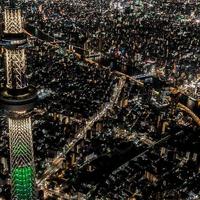
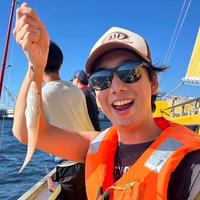
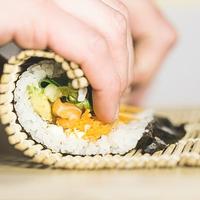
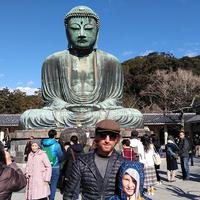
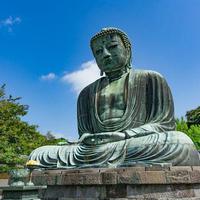
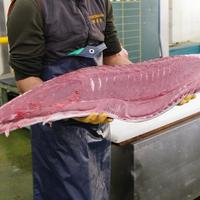
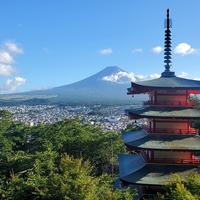
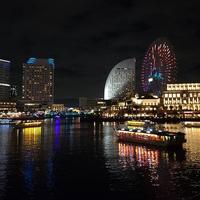
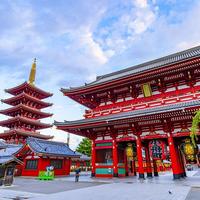
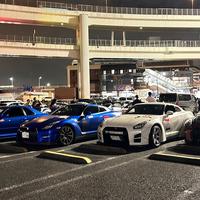
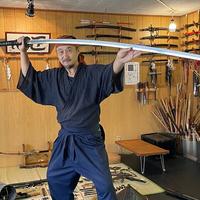
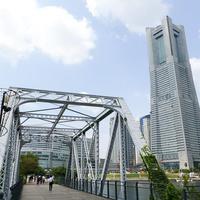
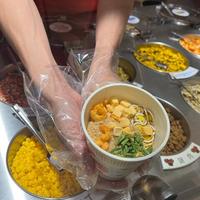
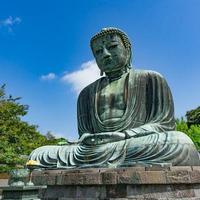
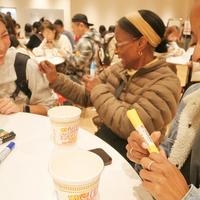
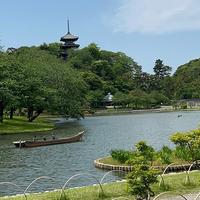
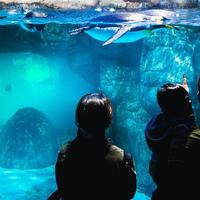
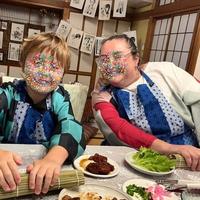
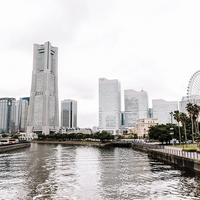
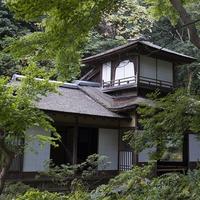
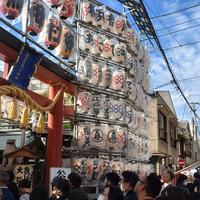
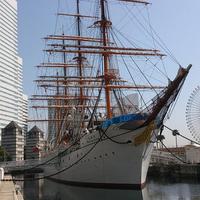
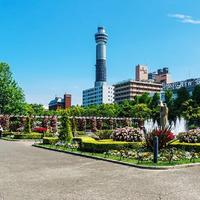
Yokohama: Point of Interest Map