


Destinations
❮Main Menu


There’s no greater expression of a culture than the food people eat. It defines a culture, and in Italy, food is life...and food is love. Regional, seasonal and as fresh as possible, Italy’s cuisine is hearty, satisfying and made with heart. Italians are the masters of creating simple dishes that sing with flavor. From haute cuisine to street vendors, Italy’s food is authentic and surprising - pizza and pasta are only the tip of the iceberg when it comes to the diverse array of unforgettable food. Every region takes great pride in their local specialties and delicacies making it an exciting, diverse and well-rounded experience of a country’s cuisine. You can learn more about Italy's noteworthy food cities and regions by clicking here.


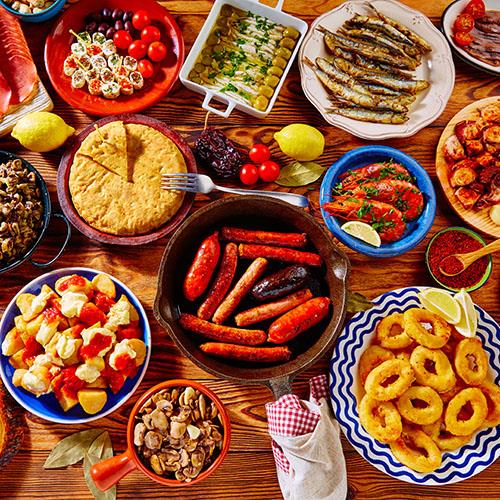
Spanish cuisine is very flavorful, and is a quintessential Mediterranean diet, befitting the world`s largest olive oil producer and second-largest wine producer. Spain`s former colonies all over the world influenced the cuisine at home, in everything from tomato sauce to saffron. Today, the various regional staple delicacies represent history and tradition. With that said, Spain is also well-known as a cutting-edge food destination, and one city in particular, San Sebastian, boasts the second-highest per capita concentration of Michelin-starred restaurants in the world.

French cuisine is renowned for its flavor and finesse. Once you have your first meal here, you’ll quickly realize that food in France is more than just fuel. The French regard gastronomy as essential to the art of living, and the culinary culture of the country runs deep. From wholesome desserts to delectable cheeses, wines, stews, soups, fresh fish….every region in France has its own specialty. In fact, French cuisine is so highly regarded around the world that it was added to UNESCO’s list of intangible cultural heritages in 2010. The land of cheese, croissants, and crêpes is waiting for you.

Germany has a long culinary history reflecting its rural roots and geography. Mention traditional German food and most people tend to think of sausage, sauerkraut and beer, but Germany is much more than these three things. Over the years, German food has evolved as a national cuisine through centuries of social and political change. Each region has its specialty and distinct flavor. Eating in Germany, and discovering the culinary specialties and traditional foods with their diversity, consistency and excellent taste, is a big part of the fun in traveling to this country!


The cities and countries that are situated on the Adriatic Sea are some of the most beautiful and awe-inducing vacation destinations in Europe. The Adriatic Coast stretches on for 2,300 miles, up the eastern coast of Italy to Slovenia, and then on from Slovenia to Croatia, Bosnia and Herzegovina, Croatia again, Montenegro, and finally Albania.
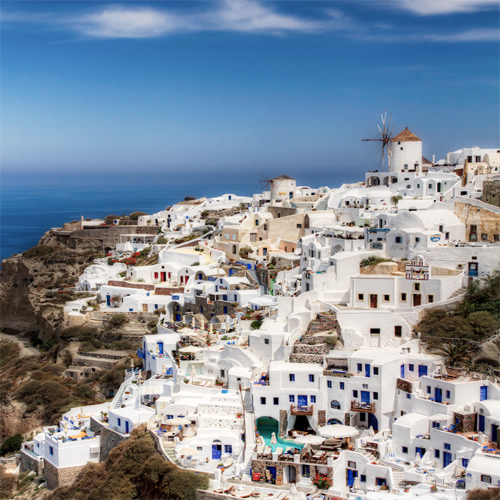
Internationally famous for their beauty, unique culture, history and the amazing beaches, the Aegean Islands are the most popular and world-famous islands in Greece.

The coastlines of southern Europe, the Middle East, and North Africa are shaped by the Mediterranean Sea. Not only does the Mediterranean have beautiful resorts and beaches on the mainland, there are literally thousands of islands to explore, each with their own beauty, over 2,500 miles from Spain east to Turkey.

Whether you are a wine enthusiast, a culinary traveler, or a lover of art and history, Tuscany offers one of the most rewarding journeys in Italy.

Puglia (Apulia), located in southern Italy along the Adriatic and Ionian Seas, is one of Europe’s most captivating destinations for travelers seeking authenticity, beauty, and value. Often overlooked in favor of Tuscany or the Amalfi Coast, Puglia rewards visitors with uncrowded coastal towns, historic architecture, exceptional cuisine, and affordable luxury. This region offers a diverse and immersive Italian experience, and remains one of Italy’s most sought-after “slow travel” destinations for 2026.


 Close
more details
Close
more details


