


EXPERIENCE MONTEGROTTO-ABANO

Overview
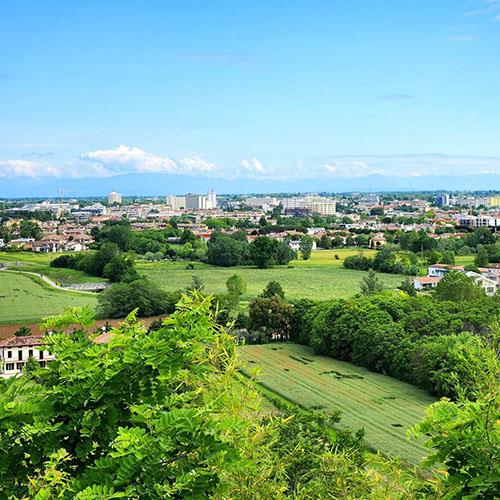
Montegrotto Terme and Abano Terme, collectively referred to as Montegrotto-Abano, are neighboring spa towns located in the Veneto region of northeast Italy. They are nestled at the foot of the Euganean Hills, roughly 10 minutes southwest of the historic city of Padua, and less than an hour west of Venice.
Renowned for their thermal springs and mud therapies, these two towns form part of the largest thermal basin in Europe, the Euganean Thermal Basin. The underground waters, naturally heated by geothermal energy, and the special mud, rich in healing minerals, have been a source of health and wellness since the time of the ancient Romans, if not earlier.
Abano Terme, the older and larger of the two, is famous for its luxurious spa resorts and treatment facilities. Its historical center features a variety of shops, restaurants, and attractions, including the town's Duomo (Cathedral), and the Montirone Gallery, which houses archaeological finds from the region.
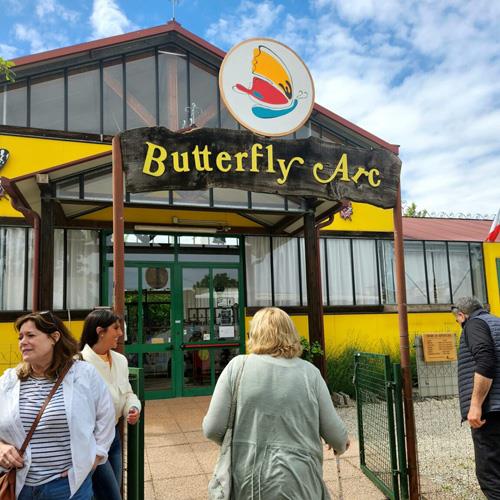
Montegrotto Terme, on the other hand, provides a more tranquil setting, with a focus on wellness and relaxation. Its attractions include the Butterfly Arc and the Fairy Wood, both popular with families. There's also the Y-40 "The Deep Joy," the world's deepest thermal pool, perfect for scuba enthusiasts or those wanting to experience unique wellness treatments.
Besides the spa-related activities, the region offers great opportunities for outdoor recreation, with the nearby Euganean Hills being perfect for hiking, biking, and picnicking. The area's rich history is evidenced by the numerous villas, castles, and monasteries sprinkled across the landscape, many dating back to the Venetian Republic. Several fine wineries, offering tastings of the locally produced volcanic wines, complete the all-around experience that Montegrotto-Abano offers.
Finally, the towns' proximity to other major cities in the Veneto region, including Padua with its ancient university and renowned Scrovegni Chapel; Venice with its world-famous canals; and Verona, the city of Romeo and Juliet; make Montegrotto-Abano a perfect base for exploring the rich history, culture, and gastronomy of the area.
History and Culture
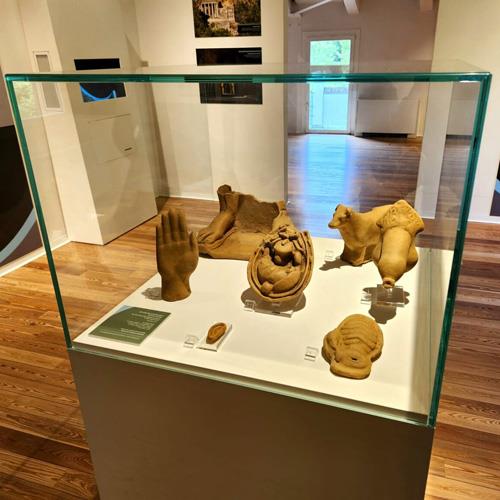
Montegrotto-Abano's history and culture are deeply rooted in its thermal waters, which have been a beacon of wellness and relaxation since ancient times. Archaeological evidence shows that both towns were significant spa centers during the Roman era, and artifacts from that period are displayed in the Montirone Gallery in Abano Terme and at the Museo del Termalismo antico e del Territorio in Montegrotto Terme.
The region was also a crucial hub during the Renaissance, and its cultural heritage from this period is still visible today. You can find examples of this in the architectural style of the towns' numerous villas, many of which were designed by the famous architect Andrea Palladio. This heritage has strongly influenced the local culture, combining the indulgence of thermal spa wellness with a rich appreciation for history and the arts.
Montegrotto-Abano is also known for its local gastronomy that reflects the culinary traditions of the Veneto region. Local dishes often feature ingredients like radicchio, risotto, and polenta, alongside fresh seafood from the nearby Adriatic Sea and local wines from the Euganean Hills.
The cultural scene is vibrant and varied, encompassing everything from traditional Italian music to contemporary art exhibitions. The towns also host several cultural events throughout the year, including music concerts, food and wine festivals, and art exhibits. As for traditions, local festivals like the Feast of Saint Lawrence in August, featuring a traditional procession and fireworks, and the Grape and Wine Festival in September, celebrating the local viticulture, play an essential role in the community's social life. These events, together with the tranquil and healing atmosphere of the thermal baths, contribute to a unique cultural blend that sets Montegrotto-Abano apart.

Weather
Montegrotto-Abano enjoys a moderate climate typical of northeastern Italy. Average temperatures in the winter range from lows around freezing to highs around 45 degrees Fahrenheit. Snowfall is infrequent but possible, mainly in January. Temperatures gradually increase in springtime, with averages from 45 degrees in early March to about 70 by late May. This season brings more rainfall than winter, with April usually being the wettest month. The summer months are warm and humid with average highs around 85, but temperatures can occasionally reach into the 90s. Nighttime temperatures typically stay in the 60s. In autumn, you will find that temperatures start to cool down from highs around 75 in early September to around 55 by late November. Rainfall can be quite significant during these months, especially in October and November.

Sights of Montegrotto-Abano
In the heart of Montegrotto Terme, you can unwind in the thermal spas known for their healing waters and therapeutic treatments. The Parco Urbano Termale is a beautiful place to enjoy the region's thermal waters in a park setting. The International Museum of the Mask Amleto offers an intriguing exploration of masks from various cultures, while the Butterfly Arc delights visitors with its display of butterflies in a tropical garden. The town is also home to Villa Draghi, a stunning place to visit, and Villa Bassi Rathgeb, a historic venue often hosting events and exhibitions. For those interested in history, there's the Villa Romana di Via Neroniana, an archaeological site of an ancient Roman villa. For a unique experience, try diving into Y-40 The Deep Joy, the world's deepest thermal pool.
Abano Terme is rich in history, showcased at places like the Duomo dei Santi Pietro ed Eliseo and the Museo del Termalismo Antico, which presents the ancient history of spa therapies. For those interested in aviation history, the Castello di San Pelagio is a must-visit, housing a museum dedicated to the history of flight.
Just a short drive or train ride away is the historic city of Padua (Padova in Italian), home to the UNESCO World Heritage-listed Scrovegni Chapel, famous for its Giotto frescoes, and the Basilica of St. Anthony, one of the most visited Christian shrines worldwide.
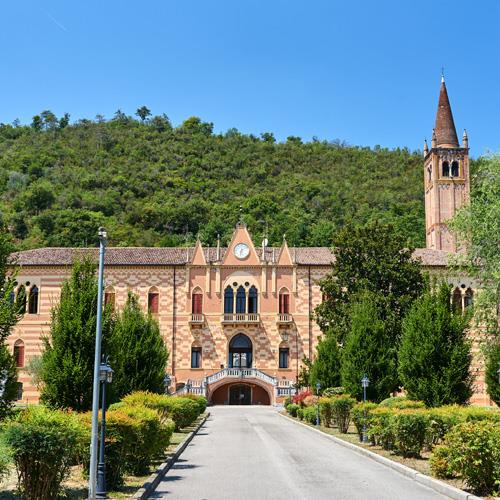
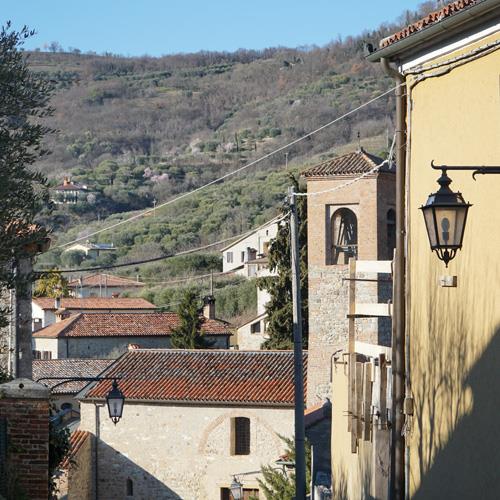
Nestled in the Euganean Hills nearby, you'll find the Monastery of Monte Rua, offering tranquility and great views. The picturesque Medieval village of Arquà Petrarca and the beautifully restored Renaissance Villa dei Vescovi are also worth a visit. Wine enthusiasts might enjoy a trip along the Euganean Hills Wine Road, sampling local vineyards' offerings. If golfing is your game, then you should not miss the Golf Club Montecchia, a beautiful 27-hole course.


Food & Drink
Montegrotto Terme and Abano Terme are part of the larger Veneto region, and as such, the food and drink scene is largely representative of traditional Venetian and Italian cuisine. The twin spa towns offer a mix of elegant restaurants, traditional trattorias, and cozy osterias, where you can indulge in local delicacies prepared with fresh, locally sourced ingredients.
Pasta dishes, including bigoli (a thick, spaghetti-like pasta often served with duck ragu) and gnocchi, are staple dishes in this region. Risottos are another specialty, with varieties ranging from risi e bisi (rice with peas) to radicchio or seafood risotto. As you're in a region surrounded by lagoons and the sea, you'll also find a range of fresh seafood dishes, including sarde in saor (sardines in a sweet and sour marinade) and seppie al nero (squid cooked in its own ink). Meat lovers aren't left out either, with specialties such as fegato alla veneziana (Venetian-style liver) and ossobuco (braised veal shanks). Vegetables, including the famous white asparagus of Bassano, feature prominently in local dishes. Pair these with polenta, a cornmeal dish that is a staple in Veneto cuisine, often served with meat or cheese. When it comes to sweets, try zaleti, cornmeal cookies typically served with a glass of sweet wine, or tiramisu, the creamy, coffee-flavored dessert that originated in this region.
Despite many traditions being tied to the larger region of Veneto, the twin towns do have a few unique offerings that are closely tied to their spa and wellness tradition. Given the towns' emphasis on health and wellness, many restaurants offer specially curated wellness menus. These often feature lighter, nutritionally balanced dishes, made with local, organic ingredients to complement the therapeutic benefits of the thermal spas. Being in a fertile region, the fresh local produce used in many dishes is of exceptional quality. Restaurants often incorporate seasonal ingredients from the surrounding agricultural areas into their menus, contributing to unique flavors.
Some restaurants in Montegrotto Terme and Abano Terme take advantage of the area's famed thermal waters, incorporating them into their cooking processes. This could be as simple as using the water to boil pasta or as complex as creating unique sauces and broths. The mineral-rich water can subtly influence the taste and texture of the dishes. Also, the vineyards of the Euganean Hills produce wines that are unique to this region. The volcanic origin of these hills gives the wines particular characteristics that you wouldn't find in other Italian wines. The Fior d'Arancio, a sweet white wine, and Serprino, a sparkling white wine, are among those that stand out.